The “little trees” are full of fiber, folate, vitamins and more. @ClevelandClinic #broccoli

“Eat your broccoli,” may be a familiar refrain from your childhood. Maybe you didn’t love broccoli as a kid, but your parents were onto something. The “little trees” are full of fiber, folate, vitamins and more.

Broccoli is a member of the Brassica genus of plants, also known as the cabbage family. Broccoli’s relatives include Brussels sprouts, cabbage, cauliflower, chard and watercress. Many Brassicas have strong flavors and mix well with meats and other vegetables.

“A pile of steamed broccoli doesn’t appeal to everyone,” recognizes registered dietitian Beth Czerwony, RD, LD. “But broccoli is incredibly versatile and can be used in so many different dishes. Toss it in with your stir fry, chop it fresh in a salad or roast it with your baby potatoes. And with an abundance of nutrients, there are many benefits of eating broccoli.”

Broccoli nutrition facts

A cup of chopped raw broccoli has approximately:

In addition, a cup of raw broccoli offers:

Source: U.S. Department of Agriculture

Broccoli benefits

It’s worth finding ways to add broccoli to your diet because it’s a health-boosting dynamo. Here’s some motivation for you to get your green on: Some of the beneficial substances in broccoli are somewhat unique to the Brassica family of vegetables. Broccoli provides nutrients that may:

  • Reduce your risk of cancer.
  • Help control blood sugar.
  • Protect your gut.
  • Boost immunity.

As a superfood status, broccoli can improve your health with these five components:

1. Compounds to reduce cancer risk

“Broccoli offers some powerful molecules that protect your cells from damage,” says Czerwony. “Some of them even destroy cancer cells.”

Cancer-fighting molecules in broccoli include DIM, indole-3-carbinol and sulforaphaneAccording to studies, they may help:

  • Detoxify certain substances that promote the growth of cancer cells, which means they don’t remove the substances, but they remove the harmful effects.
  • Provide antioxidants, which prevent cell damage that can lead to cancer.
  • Stop the growth and spread of cancer cells.
  • Support apoptosis, your body’s process for destroying cells that could turn into cancer.

These anticancer molecules are in several of broccoli’s cruciferous veggie relatives, too. These nutrients don’t survive cooking or freezing. So, to get the benefits, raw broccoli is best.

“Some of these compounds are even more concentrated in broccoli sprouts,” notes Czerwony. “You can find broccoli sprouts in health food stores and many grocery stores. Sprouts are also easy to grow at home using a sprouting kit.”

2. Nutrients to help manage blood sugar

Both human and lab studies suggest compounds in broccoli may help lower blood sugar in people with Type 2 diabetes. This effect may be due to the antioxidants in broccoli, like vitamin C.

Research shows that fiber can also help with blood sugar management. At 2.5 grams of fiber per cup, broccoli is a good source of this nutrient.

3. Ligands to protect your gut

In a nonhuman study, researchers found that broccoli can help protect the lining of your small intestine. Compounds found in broccoli, called aryl hydrocarbon receptor ligands, help keep small intestine cells working well.

Why do those cells matter so much? When your small intestine lining is healthy, it only allows water and nutrients to pass through it into your bloodstream.

But when the cells of the lining are damaged, undigested food particles, bacteria and other disease-causing particles may pass through. A damaged small intestine lining can lead to infections and inflammation. It can also prevent you from absorbing the nutrients you need.

4. Vitamin C to boost immunity

Vitamin C is well-studied as an immune-boosting nutrient. When you don’t have enough vitamin C, you’re more likely to get infections.

The antioxidant effects of vitamin C also help your body keep free radicals under control. “Free radical damage is linked to all kinds of problems, including Alzheimer’s disease, autoimmune diseases, cancer, heart disease and Parkinson’s disease,” says Czerwony. When you don’t have enough antioxidants to neutralize free radicals, they damage your cells.

Surprising but true: Broccoli has more vitamin C than oranges. In 1 cup of the green cruciferous veggie, you get a whopping 81 milligrams of vitamin C. That’s 90% of the daily U.S. recommended dietary allowance (RDA) for adults. (An orange has about 70 milligrams.)

5. Nutrients to help heart health

Research suggests certain bioactive compounds in broccoli may boost your heart health in a variety of ways. It may:

  • Lower triglycerides and LDL (“bad”) cholesterol: “High LDL can lead to fatty deposits on your artery walls, increasing your risk of artery disease, stroke and heart attack,” Czerwony explains. Research shows that eating broccoli can lower triglycerides, a type of fat, as well as LDL.
  • Provide fiber: According to a review of 22 clinical trials, fiber can reduce your risk of cardiovascular and coronary artery disease.
  • Reduce calcium buildup in blood vessels: When calcium builds up on your blood vessel walls, it increases your risk of heart attack and strokeAccording to research, broccoli can help reduce this calcium buildup.

Is frozen broccoli healthy?

“If you want those anticancer compounds like sulforaphane, choose fresh broccoli,” advises Czerwony. Freezing inactivates sulforaphane.

“Frozen broccoli also loses a bit of its vitamin content. But overall, frozen broccoli is still very healthy. It’s better than not eating any broccoli because you still get a lot of the health benefits,” she continues.

Need some broccoli-inspired meals? Try these easy recipes:

Can Alcohol Cause Diarrhea? @ClevelandClinic #diarrhoea

https://twitter.com/i/status/1880449282005954993

As with other hangover symptoms, the main remedy for diarrhea after drinking is patience. Your symptoms should clear up within 24 hours, depending on how much alcohol you consumed. While you wait, drink plenty of water to counter the dehydrating effects of alcohol. Bland foods can also help prevent further intestinal distress. If diarrhea is severe, an over-the-counter antidiarrheal medication may also help.

Bananas nature’s perfect snack @ClevelandClinic #therapeutic

Some have called bananas “nature’s perfect snack,” and it’s easy to see why. The curvy yellow fruits come conveniently packaged, travel well in a lunch bag or purse and are incredibly versatile. They make a great smoothie mixer or a tasty topper on cereal or oatmeal and even have their very own category of (delicious!) muffins and bread.

Are bananas healthy?

 “Absolutely,” says registered dietitian Elyse Homan, RD, LD. “They’re full of nutrients and easy on the gut. Very few people have problems digesting bananas.”

So, what are you eating when you peel and enjoy? A medium-sized ripe banana contains:

  • 105 calories.
  • 1 gram of protein.
  • 28 grams of carbohydrates.
  • 15 grams of (natural) sugar.
  • 3 grams of fiber.
  • Less than 1 gram of fat.

Health benefits of eating bananas

From vitamins to minerals to fiber, bananas are good for you, with lots of nutrition to offer. Plus, they’re easy to digest, reiterates Homan. Here’s a breakdown of banana’s most notable nutritional benefits:

1. Fiber for improved digestion and disease prevention

With 3 grams (g) of fiber, a banana supplies nearly 10% of what you need in a day, based on a 2,000-calorie daily diet, according to the U.S. Department of Agriculture (USDA) dietary guidelines.

You hear “fiber” and probably automatically think of digestion. It’s true — fiber is great for your gut. It helps keep things moving in your intestines, and most of us probably need to eat more.

But fiber also impacts your health in other ways. Researchers who looked at data from nearly 200 studies found that people who ate 25 to 29 g of fiber a day had up to a 30% decreased risk of:

  • Colorectal cancer.
  • Heart disease.
  • High blood pressure.
  • High cholesterol.
  • Stroke.
  • Type 2 diabetes.

2. Vitamin C for better immune health

Vitamin C (ascorbic acid) is a nutrient that helps your body absorb iron and boosts your immune system’s ability to fight illness. Adults need 75 to 90 milligrams (mg) per day. A banana delivers about 10 mg of vitamin C.

Vitamin C is one of many antioxidants you can get from food. Antioxidants are important because they cancel out free radicals in your body. Free radicals can build up and damage your cells, leading to disease. But antioxidants like vitamin C keep free radicals in check.

3. Vitamin B6 for improved metabolism and more

Your body needs vitamin B6 for:

  • Appetite regulation.
  • Immune system functions.
  • Metabolic processes.
  • Nervous system health.
  • Sleep regulation.

“One banana will give you one-quarter to one-third of the vitamin B6 you need in a day,” says Homan.

4. Potassium for organ health and lower blood pressure

The USDA recommended daily intake of potassium for adults is 4,700 to 5,000 mg. A banana supplies you with about 422 mg, or a little less than 10% of what you need per day.

Potassium, a mineral, does a lot for your body. It’s essential for the proper function of your:

  • Heart.
  • Kidneys.
  • Muscles.
  • Nerves.

Getting enough potassium also keeps your blood pressure in a healthy range. Potassium, which lowers blood pressure, balances out sodium, which raises blood pressure.

Homan says potassium also benefits your vascular system — the network of blood vessels and lymph vessels that run through your body’s tissues and organs — and reduces your risk of:

  • Heart disease.
  • Kidney failure.
  • Stroke.

5. Magnesium for improved blood pressure, blood sugar and more

A single medium-sized banana offers about 32 mg of the mineral magnesium, which fulfills around 8% to 10% of your daily magnesium requirement.

Magnesium is involved in many processes in your body, including:

  • Blood pressure.
  • Blood sugar levels.
  • Building proteins.
  • Maintaining bone.
  • Muscle function.
  • Nerve function.

Bananas and resistant starch

Green, or unripe, bananas are high in resistant starch. “Your body can’t digest resistant starch,” notes Homan. “Instead, it’s a prebiotic that promotes the growth of good bacteria in your colon.” Prebiotics improve digestive health and can be helpful if you’re experiencing diarrhea.

“I often hear patients say they avoid bananas since they’ve heard the fruit is too high in sugar,” says Homan. As bananas ripen, much of the resistant starch changes to sugar. But the health benefits of antioxidants and fiber outweigh the naturally occurring sugar. For those worried about blood sugar levels, pair bananas with a protein source such as peanut butter or a cheese stick for better control.

A small word of warning about unripe bananas: “If you’re not used to eating resistant starch, start slowly to let your body get used to it. Some people can experience constipation, gas and bloating at first,” adds Homan.

Another plus of this fruit? In addition to all the health benefits of bananas, they’re less expensive than many other fruits.

Can Alcohol Cause Diarrhea? @ClevelandClinic #diarrhoea

https://twitter.com/i/status/1880449282005954993

As with other hangover symptoms, the main remedy for diarrhea after drinking is patience. Your symptoms should clear up within 24 hours, depending on how much alcohol you consumed. While you wait, drink plenty of water to counter the dehydrating effects of alcohol. Bland foods can also help prevent further intestinal distress. If diarrhea is severe, an over-the-counter antidiarrheal medication may also help.

Fuel up with protein and healthy fats for breakfast! @ClevelandClinic

cleveland keto breakfast

Cleveland Clinic
@ClevelandClinic

Fuel up with protein and healthy fats for breakfast!

A meal that’s heavy in sugar and starch is no way to start your day – especially if you’re following the ketogenic diet.

These recipes from functional medicine specialist Mark Hyman, MD, are a great way for anyone — keto or not — to bring real, whole, fresh foods (including non-starchy vegetables) to your plate first thing in the morning.

Jicama Hash with Turkey Bacon and Avocado

The jicama serves as a lighter alternative to traditional potato, while turkey bacon is a stand-in for pork.

Scrambled Eggs With Tomatoes, Herbs and Goat Cheese

This versatile, protein-packed meal is easy on your digestive system and always a hit with the kids, too.

Ginger Spice Smoothie

A creamy, low-carb smoothie is a great way to start your day and get into fat-burning mode. And ginger is great for digestions.

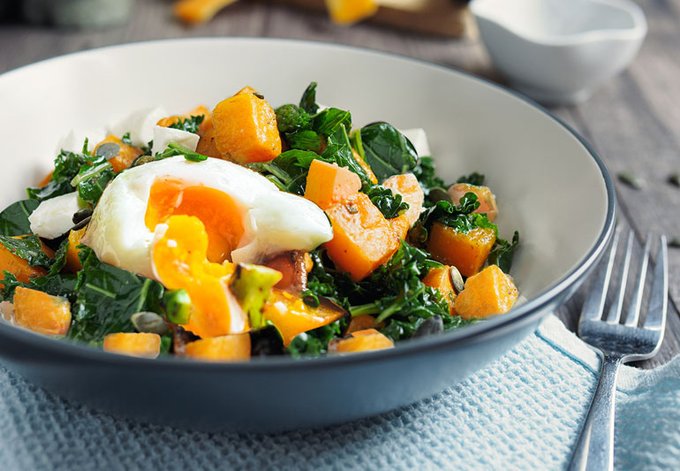
Sauteed Veggies With Avocado & Poached Egg

What’s the easiest way to upgrade a plate of greens? Put an egg on top! This tasty and comforting dish is good for breakfast – or lunch or dinner.

Non-Coffee Vanilla Latte

For those who don’t want coffee, this latte is a great morning drink that provides healthy fat without caffeine.

Broccoli Sausage Frittata

With a few veggies and precooked sausage, you can have this satisfying, savory frittata on the table in under 45 minutes.

https://health.clevelandclinic.org/keto-breakfast-ideas-6-ways-to-start-the-day-without-a-lot-of-carbs/?utm_campaign=cc+tweets&utm_medium=social&utm_source=twitter&utm_content=191209&cvosrc=social%20network.twitter.cc+tweets&cvo_creative=191209

Milk has 18 of 22 essential nutrients, making it a nutritional rock star and a simple and efficient way to get a long list of vitamins and minerals. It’s especially rich in calcium and protein, which are critical elements of a healthy diet.

This fresh English Pea Pasta recipe is loaded with healthful pea protein and flavored with garlic, mint and grated Parmigiano Reggiano.@ClevelandClinic

There is something special about using fresh peas straight out of the pod. This recipe was inspired by our root-to-stem philosophy of cooking: It always seems like such a waste to throw away the pea pods, but they are relatively inedible. To make use of the pods, we’ve pureed them into a spring-fresh pasta sauce. Remember: Pasta for breakfast is a great choice, especially when it’s loaded with healthful pea protein.

Ingredients

Kosher salt
1 pound fresh English peas in pods (yields about 1 cup shelled peas and about 3 ½ cups pods)
½ cup water
¼ cup extra-virgin olive oil
2 small spring onions or 2 large shallots, chopped
2 small spring garlic (whites) or 3 garlic cloves, minced
2 tablespoons Greek yogurt (optional)
12 ounces whole grain pasta, such as linguine, rigatoni or small shells
Freshly ground black pepper
¼ cup fresh mint (peppermint preferred), thinly sliced
Espelette pepper to taste (optional)
Grated Parmigiano Reggiano cheese (optional)

Directions

  1. Bring a large pot of water to boil and add enough salt to make it salty like the sea.
  2. Meanwhile, wash the peas. Pull off the stem ends: remove the peas and place in a small bowl. Reserve the pods.
  3. Fill a bowl with cold water. Set aside. Add the empty pea pods to the pot of boiling water and cook for 5 minutes. Using a slotted spoon or spider, remove the pods from the boiling water and transfer to the bowl of cold water to cool quickly. Drain the pea pods and add to a Vitamix or high-speed blender. Add ½ cup water. Puree for 2 to 3 minutes.
  4. Place a fine strainer over a bowl and add the pea pod puree to the strainer, pressing on the solids to release as much puree as possible into the bowl. Discard the solids in the strainer. Reserve the puree in the bowl; season to taste with salt and pepper.
  5. Cook the pasta in the pot of boiling water until al dente, stirring occasionally.
  6. Meanwhile, in a large skillet, heat the olive oil over medium heat. Add the onions and garlic and sauté until softened, 3 to 4 minutes. Add the peas and cook 2 minutes. Stir in the reserved pea pod puree and Greek yogurt, if using, and cook just until heated through. (Don’t overcook the peas or puree as the sauce will turn brown).
  7. Using tongs or a spider, transfer the pasta to the sauce in the skillet. Toss until combined. Season to taste with salt and pepper. Transfer the pasta to the serving bowl. Add the basil and mint. Serve with Espelette pepper and grated Parmigiano Reggiano cheese, if using.

Nutritional info (per serving)

Makes 4 servings.

Calories: 554 kcal
Total fiber: 12 g
Soluble fiber: 0.1 g
Protein: 15.5 g
Total fat: 16.7 g
Saturated fat: 2.0 g
Healthy fats: 12.1 g
Carbohydrates: 84 g
Sugars: 7.7 g
Added sugars: 0 g
Sodium: 178 mg
Potassium: 433 mg
Magnesium: 14 mg
Calcium: 134 mg

Source: The What to Eat When Cookbook by Michael F. Roizen, MD, Michael Crupain, MD, MPH and Jim Perko, Sr, CEC, AAC.

Why Your Face Gets Beet Red When You Drink @ClevelandClinic #inflammation

It may come on in those first few sips of alcohol. Or maybe you’re hit with a hot flash whenever you’re a few drinks in. But whenever you drink, you seem to experience a sudden sensation of warmth, and your face, neck and upper chest become covered in red patches and blotchy skin.

Is facial flushing a sign that you can’t handle your alcohol? Or is this a symptom of something more severe? Dermatologist Alok Vij, MD, explains just what causes facial flushing, along with some truth behind some common misconceptions.

What causes your face to turn red when you drink alcohol?

There are a couple of different root causes for facial flushing. More technically termed the “alcohol flush reaction,” this occurs because your body either can’t fully digest the alcohol you’re consuming or because your body is having an inflammatory response to drinking alcohol.

“Your face may flush from alcohol for two reasons: Because of an enzyme deficiency or because of rosacea,” says Dr. Vij. “Both are tied to your ethnicity.”

Enzyme deficiency

Many Asian populations, specifically 35% to 45% of East Asians, have a deficiency in alcohol dehydrogenase, the enzyme that breaks down a specific substance in alcohol called acetaldehyde.

“Alcohol is toxic to cells, and when it gets into the cells of your blood vessels, it makes them dilate,” explains Dr. Vij. “This reddens the skin and can make you feel warm.”

But without enough of this enzyme, you can end up having too much acetaldehyde in your body, and this makes alcohol reach toxic levels much earlier in your cells. This results in your skin becoming flushed.

Rosacea

Fair-skinned people of Northern European backgrounds who flush when they drink may have some degree of rosacea.

“This very common skin condition is marked by vasomotor instability or hyperactivity,” Dr. Vij explains further. “That means lots of things can dilate your blood vessels: alcohol, chocolate, hot beverages and spicy foods — basically, all the good things in life.”

Should I be worried?

You may be asking yourself this question if you’ve ever experienced facial flushing. On the surface, facial flushing might feel cosmetically embarrassing at most and may not come with any other dangerous symptoms. For those with an enzyme deficiency, facial flushing can occasionally be experienced with increased onset of nausea or vomiting because of your body’s inability to fully digest the alcohol you’re consuming.

For the most part, these factors are mostly harmless. But because alcohol is a cellular toxin, anyone who drinks excessively increases their risk for oral cancer and esophageal cancer.

“Alcohol most frequently passes through these sites,” states Dr. Vij. “Toxicity and DNA damage can build up in cells and, eventually, a cancer can form.”

But recent studies report that those who get an alcohol flush because of an enzyme deficiency are also at heightened risk of digestive, liver and respiratory cancers. These populations are more vulnerable to alcohol’s toxicity, as it’s processed and later eliminated in:

  • Your gastrointestinal (GI) tract, especially your stomach, where alcohol is absorbed.
  • Your liver, where alcohol is sent after it’s absorbed by your stomach.
  • Your lungs, where alcohol in your blood is released in your breath.

Is rosacea linked to cancer?

“We don’t think of rosacea as a precancerous disease,” Dr. Vij clarifies. “The biggest problems rosacea causes are a bulbous nose, like W.C. Fields had, and eye inflammation.”

(It was rosacea — not alcoholism — that made the storied comedian’s nose look large, red and bumpy, because of an overgrowth of the sebaceous glands, Dr. Vij adds.)

In addition, rosacea can make your eyes feel itchy, dry and chronically irritated. These eye symptoms can be managed with anti-inflammatory medication.

“We typically prescribe oral antibiotics like doxycycline or minocycline, often at lower doses than are required to kill bacteria,” he continues.

How to prevent facial flushing when drinking

If an alcohol flush makes you feel self-conscious when you drink, certain treatments can help:

  • Topical medications: Medicines like brimonidine (Mirvaso®) can block blood vessels in your skin from dilating.
  • Laser treatments: A series of laser treatments can shrink the superficial blood vessels in your skin. “You usually need three to 10 treatments to get the full effect, but it can last for years, and prevent broken blood vessels in the later stages of rosacea,” notes Dr. Vij.

But because these medications and laser treatments are considered cosmetic, they aren’t typically covered by insurance.

Are some types of alcohol more likely to cause flushing?

So, if your face flushes, are specific kinds of alcohol to blame? And can you avoid some but not others as an at-home treatment approach to facial flushing?

“It’s really patient-specific. Some people with rosacea flush more with red wine; others flush more with hard liquor,” says Dr. Vij.

If you have rosacea and keep track of what happens when you drink, you may be able to find your triggers. But if facial flushing is an issue for you at all, avoiding alcohol in all its forms might be the next best and most equitable solution.

“If flushing bothers you, and you know alcohol is a trigger, the easiest and most cost-effective solution is to avoid it,” suggests Dr. Vij.