There is something special about using fresh peas straight out of the pod. This recipe was inspired by our root-to-stem philosophy of cooking: It always seems like such a waste to throw away the pea pods, but they are relatively inedible. To make use of the pods, we’ve pureed them into a spring-fresh pasta sauce. Remember: Pasta for breakfast is a great choice, especially when it’s loaded with healthful pea protein.
Ingredients
Kosher salt 1 pound fresh English peas in pods (yields about 1 cup shelled peas and about 3 ½ cups pods) ½ cup water ¼ cup extra-virgin olive oil 2 small spring onions or 2 large shallots, chopped 2 small spring garlic (whites) or 3 garlic cloves, minced 2 tablespoons Greek yogurt (optional) 12 ounces whole grain pasta, such as linguine, rigatoni or small shells Freshly ground black pepper ¼ cup fresh mint (peppermint preferred), thinly sliced Espelette pepper to taste (optional) Grated Parmigiano Reggiano cheese (optional)
Directions
Bring a large pot of water to boil and add enough salt to make it salty like the sea.
Meanwhile, wash the peas. Pull off the stem ends: remove the peas and place in a small bowl. Reserve the pods.
Fill a bowl with cold water. Set aside. Add the empty pea pods to the pot of boiling water and cook for 5 minutes. Using a slotted spoon or spider, remove the pods from the boiling water and transfer to the bowl of cold water to cool quickly. Drain the pea pods and add to a Vitamix or high-speed blender. Add ½ cup water. Puree for 2 to 3 minutes.
Place a fine strainer over a bowl and add the pea pod puree to the strainer, pressing on the solids to release as much puree as possible into the bowl. Discard the solids in the strainer. Reserve the puree in the bowl; season to taste with salt and pepper.
Cook the pasta in the pot of boiling water until al dente, stirring occasionally.
Meanwhile, in a large skillet, heat the olive oil over medium heat. Add the onions and garlic and sauté until softened, 3 to 4 minutes. Add the peas and cook 2 minutes. Stir in the reserved pea pod puree and Greek yogurt, if using, and cook just until heated through. (Don’t overcook the peas or puree as the sauce will turn brown).
Using tongs or a spider, transfer the pasta to the sauce in the skillet. Toss until combined. Season to taste with salt and pepper. Transfer the pasta to the serving bowl. Add the basil and mint. Serve with Espelette pepper and grated Parmigiano Reggiano cheese, if using.
Nutritional info (per serving)
Makes 4 servings.
Calories: 554 kcal Total fiber: 12 g Soluble fiber: 0.1 g Protein: 15.5 g Total fat: 16.7 g Saturated fat: 2.0 g Healthy fats: 12.1 g Carbohydrates: 84 g Sugars: 7.7 g Added sugars: 0 g Sodium: 178 mg Potassium: 433 mg Magnesium: 14 mg Calcium: 134 mg
Source: The What to Eat When Cookbook by Michael F. Roizen, MD, Michael Crupain, MD, MPH and Jim Perko, Sr, CEC, AAC.
Do you miss seeing a stack of pancakes on the brunch table? Now you don’t have to. These grain-free, sugar-free, dairy-free pancakes are the perfect guilt-free treat. They’re easy to make, and the whole family will love them. Yum!
Ingredients
3 large omega-3 eggs ¾ cup almond milk ½ tablespoon freshly squeezed lemon juice 1 teaspoon pure vanilla extract ½ cup coconut flour ½ teaspoon baking powder ½ teaspoon baking soda Pinch of sea salt ¼ cup roughly chopped walnuts coconut oil, for greasing the skillet (about ¼ cup) 1 pint fresh blueberries ½ cup arrowroot 1 teaspoon cinnamon
Directions
In a large bowl, whisk the eggs and then add the almond milk, lemon juice, and vanilla. Whisk until well-blended. In a separate bowl, mix together the coconut flour, cinnamon, baking powder, baking soda, salt and arrowroot. Add the dry ingredients to the wet mixture, ¼ cup at a time, while continuously whisking. Once combined, gently fold in the walnuts.
Grease a large skillet and place over medium heat. Once the skillet is hot, use a ladle to pour 3-inch pancakes onto the skillet. Cook until bubbles appear, then flip. The pancake should cook on each side for about 2-3 minutes. Repeat with rest of the batter. Add a tablespoon or more of coconut oil to the hot griddle, as needed.
Make a blueberry sauce by simmering the blueberries in a small saucepan with 2 tablespoons of water for 10 minutes before serving.
To serve, place 3 pancakes on a plate and top each stack with the blueberry sauce.
Nutritional information (per serving)
Makes 2-3 servings.
Calories 423 Total Fat 19 g Protein 12 g Fiber 14 g Sugar 14 g Sodium 416 mg
Filled with healthy fats and fresh ingredients, this dish will leave you feeling satisfied, nourished and ready to embrace your weekend warrior: https://cle.clinic/3BSXeDL
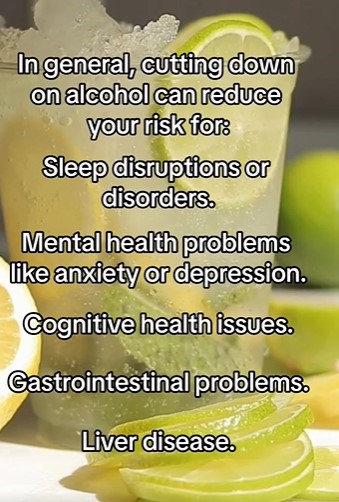
As more people are drinking less, there’s been an uptick in more drink companies creating nonalcoholic options. But it can still be tough to figure out which of these options are healthy. Keep an eye on ingredients like sugar, artificial sweeteners and caffeine. If you're… pic.twitter.com/ijka3qWtlU
As more people are drinking less, there’s been an uptick in more drink companies creating nonalcoholic options. But it can still be tough to figure out which of these options are healthy. Keep an eye on ingredients like sugar, artificial sweeteners and caffeine. If you’re choosing nonalcoholic alternatives, consider options that are low in added sugars and free from unnecessary additives. Consulting a healthcare provider can help ensure your choices support your overall well-being.
How Long To Breastfeed: What the Guidelines Say and What To Consider
Recommendations encourage breast milk exclusively for baby’s first six months and continuing to provide human milk until age 2 and beyond
How and what you feed your baby is probably one of the most basic — and yet deeply personal — decisions you’ll face when you become a parent.
You’ll hear things like “breast is best.” As in, breastfeeding (chestfeeding) is the absolute best way to nourish your baby.
And then you’ll hear the retort, “fed is best.” Meaning breast milk (human milk) and formula are both fine. As long as your baby is getting nutrients in their belly, all is well.
Then come the opinions on how long you should breastfeed. (You’re still breastfeeding? You gave up on nursing already? You fed your baby formula?)
It can feel like there’s no right way to do it. And there’s some truth to that.
Because what works for one family may not be feasible for another. But that’s OK.
Breast milk can provide certain benefits that formula can’t mimic. But breastfeeding, especially for long periods of time, might not work for everyone. Or you may have been given the impression that you’ve continued providing human milk long after others think you “should.”
No one should feel guilt, shame or otherwise crummy about how they feed their baby. Let’s face it, mom guilt is tough enough as it is.
So, we talked with board-certified breastfeeding medicine physician Heidi Szugye, DO, about breastfeeding recommendations.
How long to breastfeed
Science shows that if you can give your baby human milk (either your own or a donor’s), it has its benefits. And the longer, the better, experts recommend.
12 months to 24 months (and beyond): Mostly solid foods with some human milk, as mutually desired by parent and child.
Previous recommendations called for providing breast milk until age 1. But these newer guidelines (implemented in 2022) are based on the understanding that human milk has benefits that continue long after baby’s first birthday. And they help to remove stigmas associated with people who choose to extend breastfeeding into toddlerhood.
“These recommendations are a call to action for everyone, and that includes hospitals, pediatricians and all physicians that are taking care of families,” Dr. Szugye states. “We want to make sure our practices and policies are set up to support people who choose to breastfeed beyond the first year of their child’s life.”
Think of the guidelines as the best-case scenario. If it works for you, your family, your child, your body and your life to breastfeed for two years or longer, you’re doing a great thing. And there’s no reason to stop until you and your child are ready.
If it doesn’t work for you, that’s OK, too. Your worth as a parent and your love for your child can’t be measured in ounces of milk.
Benefits of extended breastfeeding
The recommendations are based on research showing that human milk has some big benefits. And those perks continue for as long as you continue to supply it.
“Breastfeeding offers tremendous benefits — from custom-made nutrition and increased immunity to protecting you against some forms of cancer. And those benefits don’t go away as your baby ages,” Dr. Szugye shares. “We have more and more data supporting that there are benefits to breastfeeding for more than one year when possible.”
Breastfeeding can offer both you and your baby some big benefits:
Benefits for lactating parents
Benefits for baby
Lower risk of developing conditions like Type 2 diabetes, high blood pressure, cardiovascular disease, breast cancer and ovarian cancer.
Decreased risk for ear infections, respiratory infections, gastrointestinal illnesses, SIDS, leukemia, diabetes, obesity, asthma and eczema.
“There are a lot of immunologic factors and components to human milk,” Dr. Szugye says. “One big advantage to human milk is that you pass antibodies to the baby. So, if you’re exposed to a respiratory illness or GI illness, those antibodies are passed on to the baby and then that makes them less likely to get sick. And if they do get sick, it’s less severe. It’s almost like a built-in immunity.”
Keeping up milk supply for the long haul
Some people can make enough milk to breastfeed for as long as they and their babies choose. But some don’t. At least not without taking some steps to keep it up.
If you suspect your supply is dwindling as your child gets older, there are ways to help promote more milk production if you want.
“Many people notice their supply drop and mistakenly assume it won’t return,” Dr. Szugye notes. “But if you want to continue to breastfeed, there are options that could help.”
If a supply boost is in order, you can try:
Nursing more often — Add sessions as long as your child will nurse. If you’re away from them during the day, try early evenings, mornings or weekends.
Pumping strategies — An extra session or several short “power pumping” sessions (think five to 10 minutes throughout the day) for several days in a row can trigger your body to make more milk.
Breast massage and compression — Easy-to-learn techniques can improve drainage when nursing or pumping.
Take care of yourself — Reduce stress, rest when possible, hydrate and eat a balanced diet with an extra 500 calories a day to support breastfeeding.
Not an ‘all-or-nothing’
If two or more years of breastfeeding seems daunting, remember that you have options.
For starters, giving your child human milk doesn’t always mean latching them to your breast and nursing. That’s just one way to do it. Pumping milk and putting it in a bottle, cup or spoon are also options.
And you may find that a donor bank could be a route to explore if you don’t lactate or if you have concerns about a low milk supply. Donor milk is pasteurized, screened for drugs, medications and infections, and tested for bacterial contamination before it’s stored and made available for purchase.
“Reach out to your pediatrician or women’s healthcare provider if you’re interested in obtaining donor milk. You may need a prescription from a healthcare provider,” Dr. Szugye suggests.
Remember, too, that any amount of human milk can be a benefit. If keeping up with your baby’s breastfeeding demands becomes too high a burden, there are alternatives.
Some parents may find that supplementing with formula (or other foods and milk after baby turns 1) can help give your child some human milk, while keeping up with their nutritional needs — and not burning yourself out in the process.
“It’s not an all-or-nothing thing,” Dr. Szugye reassures. “Any amount of human milk you can give is a benefit. If it doesn’t work for you to constantly supply human milk, that’s OK. We’re all just doing our best.”
If breastfeeding is going well for both you and your child, there’s no reason to give it up until you’re both ready to.
Feeding a baby is tough work, no matter how you do it. And chances are, you’re doing a fantastic job.
A top-down view of a chocolate smoothie bowl (thick smoothie served in a bowl with a spoon) garnished with chia seeds, large coconut flakes and cacao nibs. Healthy vegan breakfast. The smoothie portion contains banana, chocolate, almond milk and ice.
This pudding is packed with health-promoting chia seeds, almond milk, cinnamon, cocoa, coconut flakes and dried fruit. It’s the perfect chocolate treat.
Ingredients
½ cup Chia seeds
1 cup vanilla almond milk, unsweetened
1 cup 2% milk (may use all almond for non-dairy option)
1½ tablespoons honey
1 tablespoon cocoa powder, unsweetened
1 teaspoon cinnamon
1 teaspoon vanilla extract
2 tablespoons coconut flakes, unsweetened
2 tablespoons dried tart cherries, or other unsweetened dried fruit
Directions
Place chia seeds, milks, honey, cocoa, cinnamon and vanilla in a glass container with a tight lid.
Seal and shake well to combine. Refrigerate for at least 5 hours or overnight.
Serve topped with coconut flakes and dried fruit to garnish.
Note: For a smoother texture, blend pudding in a high power blender before refrigerating. Be sure to blend well to avoid a gritty texture.
Nutrition information
Makes 6 servings
Each 1/2 cup serving contains:
Calories 140
Total fat 7g
Saturated fat 2g
Trans fat 0g
Protein 4g
Total carbohydrate 16g
Fiber 6g
Sugar 7g
Cholesterol 5mg
Sodium 150mg
A baby who can self-soothe will fall asleep on their own and play calmly without your intervention. It’s a process, and a skill, that will help throughout their lives. Follow these tips to get started.
It’s naptime — thank goodness. But your baby isn’t having it. They cry. They fuss. So, you bounce them, rock them or even drive around town until they fall asleep.
It’s the question on the top of your mind (and you’re not alone): When — and how — will my baby learn to self-soothe and calm down without so much effort?
Pediatrician Matthew Badgett, MD, answers this important question, and shares ways to help your baby learn to self-soothe.
Why is self-soothing important?
When your baby self-soothes, they can calm down on their own and they:
Fall asleep without your help.
Fall back asleep if they wake up in the middle of a nap or during the night.
Sit or play calmly by themselves.
But self-soothing isn’t just for little ones. It’s an important skill throughout your life. Whether you realize it or not, you use your own self-soothing methods to feel better when you’re stressed or anxious.
“Self-soothing is a way of regulating your emotions,” Dr. Badgett explains. “Babies might suck their thumb or hold a stuffed animal. Adults might listen to music, take a walk or do yoga. The type of self-soothing you use changes throughout your life, but it’s a key part of your emotional health.”
When can my baby learn to self-soothe?
Every exhausted parent wants to know: When will my baby lie in their crib and drift off to sleep without my help? Or When can I put them in their bouncy seat for five minutes without screams of protest?
“In general, don’t try to teach your baby to self-soothe before they are 3 months old,” advises Dr. Badgett. “Newborns need you to help soothe them because they don’t have the ability to control their emotions. Learning emotional control is a process that takes years, so don’t expect too much from an infant or toddler.”
And self-soothing is a gradual process — not a switch you can flip. “Self-soothing is really co-soothing because the parent is still involved,” says Dr. Badgett. “Your baby plays a more active role in soothing, but you set them up for success. You figure out how your baby can calm down with less of your help.”
Self-soothing tips and techniques
If your baby is past the newborn stage but still cries relentlessly when you put them down, there is hope. These tips can help your baby gain self-soothing skills:
1. Meet your baby’s needs first
Before you assume that your baby is just cranky, review their list of needs. Your baby won’t be able to self-soothe if:
Their diaper is wet or soiled.
Their clothing is too hot or too cold for the environment.
There are too many distractions in the room, like a noisy TV or other children.
After you’ve ruled out those issues, move on to the next steps.
2. Set a schedule
Babies love routine. Try to put your baby to bed at the same time every day. Don’t skip naps or keep your baby up late. A schedule keeps them from becoming overtired — that’s when any hope of self-soothing goes out the window.
“If your baby goes to bed at the same times each day, their body clock will get used to it,” Dr. Badgett notes. “Then, they will start to feel sleepy right at naptime or bedtime. Babies that are drowsy, but not exhausted, are better able to fall asleep on their own.”
3. Use white noise
The sound of a fan or a white noise machine can be music to your baby’s ears. “Many babies prefer a steady sound over a perfectly quiet room,” Dr. Badgett says. “It helps drown out other sounds that could startle them, and it has a calming effect.”
Turn on the white noise machine when it’s bedtime. This can serve as a cue for your baby to learn when it’s time for dreamland.
4. Stay close without picking them up
After you place your baby in their crib or seat, don’t leave right away.
“If you give your baby some attention without holding them, they learn that being put down isn’t a bad thing,” Dr. Badgett explains. “Talk to them, or gently put your hand on their belly. After a few minutes, calmly leave the room.”
5. Try a pacifier
Pacifiers are a useful tool for babies under the age of 1. But use caution. It can be hard to take the paci away from a baby who can’t calm down without it.
“Pacifiers help young babies learn to self-soothe before they learn other techniques,” Dr. Badgett says. “But limit pacifier use to naptime and bedtime. Use them with other methods, like white noise and a consistent routine. That way, your baby won’t learn to rely on the pacifier alone.”
6. Wean them off feeding to sleep
It’s normal for young babies to fall asleep at the bottle or breast. But as your baby grows, they need to learn other ways to drift off.
“Don’t feed your older baby right at naptime with the sole purpose of getting them to sleep,” Dr. Badgett suggests. “They might end up overeating or relying on the nipple even when they’re already full.”
You can avoid the feed-to-sleep method if you:
Stop feeding if you see your baby getting sleepy.
Gently burp your baby to wake them up a little if they fell asleep feeding. Then, use the other self-soothing techniques to help them calm back down.
With a little persistence, perseverance and patience on your end, your little one could be self-soothing to sleep in no time.
Go inside the operating room for open-heart surgery. Dr. Eric Roselli gives us a behind-the-scenes look at a complex procedure. pic.twitter.com/YAqVrVclyQ
Fuel up with protein and healthy fats for breakfast!
A meal that’s heavy in sugar and starch is no way to start your day – especially if you’re following the ketogenic diet.
These recipes from functional medicine specialist Mark Hyman, MD, are a great way for anyone — keto or not — to bring real, whole, fresh foods (including non-starchy vegetables) to your plate first thing in the morning.
We all want to protect our kids whether it be from falls, bumps and bruises — or avoidable infections and diseases. To help your child avoid illness, it’s important to encourage good habits and take steps to boost their immune system from an early age.
“Most of what makes a child’s immune system strong is common sense,” says pediatrician Adriane Lioudis, MD. If you keep these five tips in mind, you’ll stack the deck in your child’s favor for a healthier life.
1. For newborns, consider breastfeeding
While it’s a very personal decision (that isn’t always possible), if you are able to exclusively breastfeed your child for at least six months, it may have benefits. Some research shows that breastfeeding your child might possibly reduce allergies, Dr. Lioudis says.
2. Promote regular hand washing
Eighty percent of infections are spread by touch. Teach your little one to take the time to wash their hands after sneezing, coughing and going to the bathroom. Washing hands with warm water and soap for at least 20 seconds can remove bacteria and viruses and can reduce the chance of lung infections by up to 45%.
“Get the flu shot for your child yearly, as well,” Dr. Lioudis says. This is particularly important for children with asthma and other chronic health conditions.
Also, if your family will be traveling internationally, it’s important to seek advice from your child’s healthcare provider about any needed vaccinations.
4. Make sleep a priority
To maximize immunity, children must get enough sleep.
Babies between 0 and 3 months need 14 to 17 hours of sleep. Those between 4 and 12 months need 12 to 16 hours of sleep.
Children between the ages of 1 and 2 need between 11 and 14 hours.
Kids between the ages of 3 and 5 should get from10 to 13 hours.
Children ages 6 to 12 should get between 9 and 12 hours.
Teens between the ages of 13 to 18 need 8 to 10 hours.
Not getting enough sleep limits the body’s ability to produce proteins called cytokines that help fight infection and reduce inflammation.
5. Encourage a healthy diet
A healthy diet is also important for your child’s immune system.
Dr. Lioudis recommends encouraging your child to “eat the rainbow” when it comes to fruits and vegetables. A good selection of whole grains should be part of their diet as well. Keep processed foods to a minimum. Proper food choices can help ensure that your child gets enough vitamins — such as vitamin A and E. These vitamins are needed to maintain good health and a strong immune system.
You can’t avoid all illness, but some kids need extra protection
“Even if you follow these tips, your child might still get between seven and 11 colds each year,” says Dr. Lioudis. She adds that you can expect each one to last up to two weeks.
Also, keep in mind that some things billed as common “remedies” aren’t effective in boosting immunity. For example, there’s no definitive proof that large amounts of vitamin C or echinacea help prevent colds or shorten them, she says.
However, if your child has a compromised immune system, work closely with your pediatrician to find ways to improve his or her immunity. Each child needs a personalized approach because their individual immune system varies, Dr. Lioudis says.
“There’s generally a different protocol with immunocompromised children. There are some vaccines we have to add in on top of what most children have, but it’s something that we must determine on a case-by-case basis.









 Healthaware