“We can reduce our risk of cardiovascular disease by 80%” Dr.Tamanna Singh @ClevelandClinic


Cleveland Clinic


@ClevelandClinic
·


Can you prevent heart disease if it runs in your family? A sports cardiologist goes over how people with a family history of heart disease may be able to reduce their risk.

Fuel up with protein and healthy fats for breakfast! @ClevelandClinic

cleveland keto breakfast

Cleveland Clinic
@ClevelandClinic

Fuel up with protein and healthy fats for breakfast!

A meal that’s heavy in sugar and starch is no way to start your day – especially if you’re following the ketogenic diet.

These recipes from functional medicine specialist Mark Hyman, MD, are a great way for anyone — keto or not — to bring real, whole, fresh foods (including non-starchy vegetables) to your plate first thing in the morning.

Jicama Hash with Turkey Bacon and Avocado

The jicama serves as a lighter alternative to traditional potato, while turkey bacon is a stand-in for pork.

Scrambled Eggs With Tomatoes, Herbs and Goat Cheese

This versatile, protein-packed meal is easy on your digestive system and always a hit with the kids, too.

Ginger Spice Smoothie

A creamy, low-carb smoothie is a great way to start your day and get into fat-burning mode. And ginger is great for digestions.

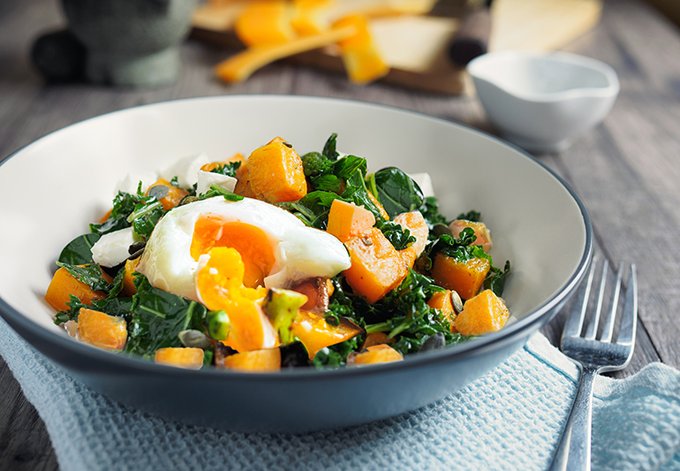
Sauteed Veggies With Avocado & Poached Egg

What’s the easiest way to upgrade a plate of greens? Put an egg on top! This tasty and comforting dish is good for breakfast – or lunch or dinner.

Non-Coffee Vanilla Latte

For those who don’t want coffee, this latte is a great morning drink that provides healthy fat without caffeine.

Broccoli Sausage Frittata

With a few veggies and precooked sausage, you can have this satisfying, savory frittata on the table in under 45 minutes.

https://health.clevelandclinic.org/keto-breakfast-ideas-6-ways-to-start-the-day-without-a-lot-of-carbs/?utm_campaign=cc+tweets&utm_medium=social&utm_source=twitter&utm_content=191209&cvosrc=social%20network.twitter.cc+tweets&cvo_creative=191209

Fuel up with protein and healthy fats for breakfast! @ClevelandClinic

cleveland keto breakfast

Cleveland Clinic
@ClevelandClinic

Fuel up with protein and healthy fats for breakfast!

A meal that’s heavy in sugar and starch is no way to start your day – especially if you’re following the ketogenic diet.

These recipes from functional medicine specialist Mark Hyman, MD, are a great way for anyone — keto or not — to bring real, whole, fresh foods (including non-starchy vegetables) to your plate first thing in the morning.

Jicama Hash with Turkey Bacon and Avocado

The jicama serves as a lighter alternative to traditional potato, while turkey bacon is a stand-in for pork.

Scrambled Eggs With Tomatoes, Herbs and Goat Cheese

This versatile, protein-packed meal is easy on your digestive system and always a hit with the kids, too.

Ginger Spice Smoothie

A creamy, low-carb smoothie is a great way to start your day and get into fat-burning mode. And ginger is great for digestions.

Sauteed Veggies With Avocado & Poached Egg

What’s the easiest way to upgrade a plate of greens? Put an egg on top! This tasty and comforting dish is good for breakfast – or lunch or dinner.

Non-Coffee Vanilla Latte

For those who don’t want coffee, this latte is a great morning drink that provides healthy fat without caffeine.

Broccoli Sausage Frittata

With a few veggies and precooked sausage, you can have this satisfying, savory frittata on the table in under 45 minutes.

https://health.clevelandclinic.org/keto-breakfast-ideas-6-ways-to-start-the-day-without-a-lot-of-carbs/?utm_campaign=cc+tweets&utm_medium=social&utm_source=twitter&utm_content=191209&cvosrc=social%20network.twitter.cc+tweets&cvo_creative=191209

Looking to stabilize your blood sugar, lower your cholesterol, reduce inflammation and feel full longer? Look no further than the delicious apple! @ClevelandClinic

Cleveland Clinic

@ClevelandClinic
·


You go to the store to pick up some apples. Seems simple enough — until you’re faced with a dozen different varieties in the produce aisle. You want the healthiest apple, so which one will keep the doctor away?
Dietitian Mira Ilic, RD, LD, reveals the juicy details about this popular fruit.
Big difference in taste, not nutrition
Apples have slightly different nutrients depending on their type and color. For instance, Red Delicious apples have polyphenols that are exclusively found in dark red fruits. Polyphenols are plant compounds that may help prevent cancer, heart disease and other conditions.
But if the thought of biting into a Red Delicious isn’t appealing, don’t worry. Any apple you buy will deliver a punch of health-boosting nutrients.
“The nutritional differences among apple varieties are small,” says Ilic. “But the taste differences are big. Don’t choose an apple based on a small nutrient difference if you don’t like the taste.”
Choose fresh and local apples
Whatever apple variety you pick, make sure it’s fresh. Old apples aren’t as nutritious, don’t taste as good and could be rotten. “Choose a firm apple with no bruises,” says Ilic. “Look for bright color, keeping in mind that some apple varieties are naturally more colorful. Fresh apples usually have a nice aroma, too.”
Whenever possible, go with local apples. The less your apple had to travel, the more nutritious it is when it gets to you. July through October is prime apple season in the U.S. During these months, local apples are easy to find.
When you choose apples in the off-season, check the sticker for its country of origin. If your apple traveled a long distance, it probably lost some of its nutrition in transport. Try to choose apples that come from a nearby country. “We don’t have the option to eat local apples year-round,” Ilic says. “In the off-season, we have to get apples from other parts of the world. No matter where they come from, wash them thoroughly.”
You don’t need any chemicals or tools to wash your apples. Wash your hands first. Then wash your apple with running water. Gently scrub the skin with a cloth or brush.
Are organic apples healthier?
Some organic fruits may be slightly more nutritious than conventionally grown ones. But you don’t need to buy organic apples. They tend to cost more, which can be a downside if you’re sticking to a grocery budget.
“Growers use different growing practices for organic apples and while pesticides are used on conventionally grown apples, some organic growers may actually use pesticides approved for organic farming,” explains Ilic. “The government has guidelines about what pesticides growers can use. Both types are safe and nutritious. Just wash them well if you’re still concerned about pesticide residue or you can peel your apples, but you’ll lose some nutrients and fiber found in the skin.”
Have fun with apple sampling
With so many apple varieties, you’re bound to find one you like. Hold an apple sampling by picking a few different types. Cut them into bite-sized pieces, put them on a plate and label them. Have your family members try the different apples and choose their favorite.
An apple sampling can be a fun way to get kids to eat more apples, too. Kids often like having some control over the types of foods they eat.
All apples are amazing
Whether your favorite is a sour Granny Smith or a sweet Honeycrisp, you can’t go wrong with apples. “All apples are a good source of fiber, including pectin, which may help lower cholesterol,” Ilic says. “They also contain phytochemicals like polyphenols, which are antioxidants linked to multiple health benefits. Some studies have suggested that apples may also help reduce the risk of some cancers.”
Bottom line: An apple a day is a healthy habit, so don’t stress about picking the right one. “Eat the apples you like because they’re all healthy,” Ilic says.

FACEBOOK
TWITTER
LINKEDIN
PINTEREST

Email
apples fiber

Today is #WorldHeartDay, Professor Pat Nash, Consultant Cardiologist at Blackrock Health, explains the types of screening tests available for heart disease.

Today is #WorldHeartDay, and we are shining a light on proactive cardiac health.

Professor Pat Nash, Consultant Cardiologist at Blackrock Health, explains the types of screening tests available for heart disease.

Professor Nash always checks key factors like smoking, diet, weight, lifestyle, exercise, and blood pressure. If there’s a strong family history, a CT Calcium Score – a powerful tool for gaining deeper insights and guiding personalised prevention strategies – might be recommended for more detail.

Knowing your risks is key to a healthy heart. Explore our cardiology services and advanced screening options: https://ow.ly/M2Fu50WP841

#IrishHeartMonth#WorldHeartDay#HeartHealth#HeartScreening#PreventativeCare#BlackrockHealth#BlackrockHealthyHeart

Fuel up with protein and healthy fats for breakfast! @ClevelandClinic

cleveland keto breakfast

Cleveland Clinic
@ClevelandClinic

Fuel up with protein and healthy fats for breakfast!

A meal that’s heavy in sugar and starch is no way to start your day – especially if you’re following the ketogenic diet.

These recipes from functional medicine specialist Mark Hyman, MD, are a great way for anyone — keto or not — to bring real, whole, fresh foods (including non-starchy vegetables) to your plate first thing in the morning.

Jicama Hash with Turkey Bacon and Avocado

The jicama serves as a lighter alternative to traditional potato, while turkey bacon is a stand-in for pork.

Scrambled Eggs With Tomatoes, Herbs and Goat Cheese

This versatile, protein-packed meal is easy on your digestive system and always a hit with the kids, too.

Ginger Spice Smoothie

A creamy, low-carb smoothie is a great way to start your day and get into fat-burning mode. And ginger is great for digestions.

Sauteed Veggies With Avocado & Poached Egg

What’s the easiest way to upgrade a plate of greens? Put an egg on top! This tasty and comforting dish is good for breakfast – or lunch or dinner.

Non-Coffee Vanilla Latte

For those who don’t want coffee, this latte is a great morning drink that provides healthy fat without caffeine.

Broccoli Sausage Frittata

With a few veggies and precooked sausage, you can have this satisfying, savory frittata on the table in under 45 minutes.

https://health.clevelandclinic.org/keto-breakfast-ideas-6-ways-to-start-the-day-without-a-lot-of-carbs/?utm_campaign=cc+tweets&utm_medium=social&utm_source=twitter&utm_content=191209&cvosrc=social%20network.twitter.cc+tweets&cvo_creative=191209

Fuel up with protein and healthy fats for breakfast! @ClevelandClinic

cleveland keto breakfast

Cleveland Clinic
@ClevelandClinic

Fuel up with protein and healthy fats for breakfast!

A meal that’s heavy in sugar and starch is no way to start your day – especially if you’re following the ketogenic diet.

These recipes from functional medicine specialist Mark Hyman, MD, are a great way for anyone — keto or not — to bring real, whole, fresh foods (including non-starchy vegetables) to your plate first thing in the morning.

Jicama Hash with Turkey Bacon and Avocado

The jicama serves as a lighter alternative to traditional potato, while turkey bacon is a stand-in for pork.

Scrambled Eggs With Tomatoes, Herbs and Goat Cheese

This versatile, protein-packed meal is easy on your digestive system and always a hit with the kids, too.

Ginger Spice Smoothie

A creamy, low-carb smoothie is a great way to start your day and get into fat-burning mode. And ginger is great for digestions.

Sauteed Veggies With Avocado & Poached Egg

What’s the easiest way to upgrade a plate of greens? Put an egg on top! This tasty and comforting dish is good for breakfast – or lunch or dinner.

Non-Coffee Vanilla Latte

For those who don’t want coffee, this latte is a great morning drink that provides healthy fat without caffeine.

Broccoli Sausage Frittata

With a few veggies and precooked sausage, you can have this satisfying, savory frittata on the table in under 45 minutes.

https://health.clevelandclinic.org/keto-breakfast-ideas-6-ways-to-start-the-day-without-a-lot-of-carbs/?utm_campaign=cc+tweets&utm_medium=social&utm_source=twitter&utm_content=191209&cvosrc=social%20network.twitter.cc+tweets&cvo_creative=191209

Take a fresh look at oatmeal – it’s not as simple as you think @American_Heart


American Heart Association

@American_Heart
·


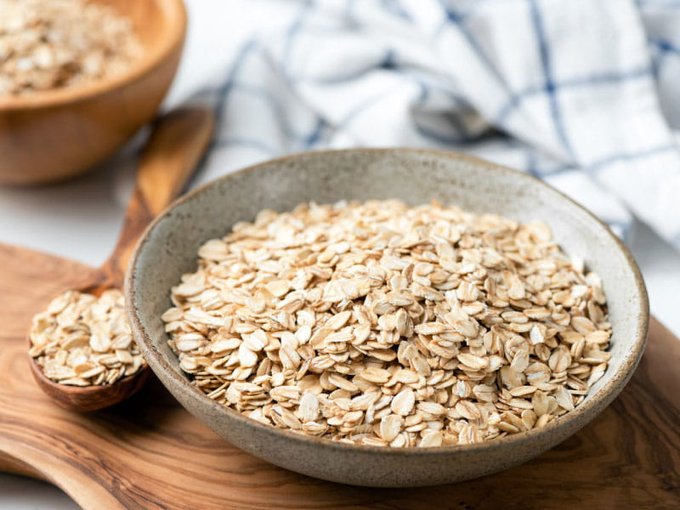
Oats and oatmeal have powers you probably didn’t know about — like nutrients to help lower cholesterol and enough fiber to help you feel fuller longer. They just might be quiet heroes of #BetterBreakfastMonth.

(Arx0nt/Moment via Getty Images)

By Michael Merschel, American Heart Association News

Let’s admit it: Oatmeal is a total nerd. It lacks fashion sense – the color they named after it is somewhere on the drab side of beige. It’s often seen with Sesame Street’s Bert, who also loves bottle caps, paper clips and pigeons.

But when it comes to healthy eating, oatmeal and the oats it comes from can definitely hang with the cool kids at the breakfast table.

“It has many, many good qualities,” said Candida Rebello, director of the nutrition and chronic disease research program at Louisiana State University’s Pennington Biomedical Research Center in Baton Rouge.

Extensive studies have associated oats and oatmeal with plenty of heart-healthy benefits, such as lowering cholesterol (both total and “bad” LDL cholesterol) and helping with weight control.

Oatmeal has a host of vitamins and minerals. Two examples: According to the U.S. Department of Agriculture, a one-cup serving of cooked oatmeal has about 1.8 milligrams of vitamin B1, or thiamin. That’s close to 15% of what an adult needs each day. It also has 1.36 mg of manganese, which is 59% of the daily recommendation for men and 76% for women. Manganese has roles in immunity, blood clotting and the way cholesterol and blood sugar are metabolized.

But that’s not what makes oats stand out, Rebello said. That same cup of cooked oatmeal has just 166 calories and nearly 4 grams of dietary fiber.

And the type of fiber is where oats start to distinguish themselves. It’s called beta-glucan. Put that in the conversation, and it’s like the scene in a movie where oatmeal takes off its glasses and everyone realizes just how beautiful it is.

Not literally. It’s a soluble fiber, which means it dissolves in hot water, where it thickens. “When you eat oatmeal, the kind of sliminess that you see – that comes from this viscosity that beta-glucan generates,” Rebello said.

That helps you feel full longer, she said. And it helps undigested food travel farther down your digestive tract, where it feeds the friendly bacteria living there.

Beta-glucan is abundant in oats and barley and has been shown “quite unequivocally” to help maintain healthy cholesterol levels, Rebello said.

Oats also are rich phytonutrients – plant-derived substances that may boost health. One class of such phytonutrients is avenanthramides, which are found only in oats. Avenanthramides may have antioxidant and anti-inflammatory effects, although Rebello said their possible benefits are not as well-researched as those for beta-glucans.

Oats have been linked to heart-health benefits since the 1960s and come in many forms. The differences involve levels of processing.

Oats grow in an inedible casing called a hull. Inside the hull is a seedlike groat. That groat is encased in bran. “In other whole grains, like in wheat, you can remove that bran layer,” Rebello said. “But in oats, this groat is very soft, so that bran layer cannot really be removed.”

That means oats are almost always a whole-grain food, and those are a key part of a healthy eating pattern.

If oats are labeled “steel cut,” it simply means they were processed with a steel cutter, Rebello said. Rolled oats are steamed first, then pressed with a roller. “If the roller crushes it into thinner flake, then you get quick-cooking oats,” she said. “If it is then rolled into an even thinner flake, you get your instant oats.”

Rebello said that nutritionally, there is little difference between steel cut and rolled oats. Instant oats, however, have a higher glycemic index, meaning they raise your blood sugar faster.

When oats are ground to flour, the coarser portion is extracted and called oat bran. The beta-glucans will be concentrated in the flour rather than the bran, she said.

Oat milk is derived from oats and water, but processing may add ingredients such as sugar, salt, oil and more. Oat milk has some dietary fiber, Rebello said – commonly 2 grams per cup – but the amount of beta-glucan is rather small.

Unfortunately, Rebello ruled out sugar-filled oatmeal cookies as a healthy food (although she’s not averse to having one as a treat now and then).

How, then, to embrace oats? “Just eat regular oatmeal,” she said. Half a cup of rolled oats cooks up quickly and will keep you full a long time.

Oatmeal with your favorite fruit can be a sweet way to start the day. Cook it in low-fat milk for creaminess and add unsalted nuts to bolster its heart-health value. If you’re time-pressed in the morning, try a healthy version of overnight oats, which can be prepared the night before.

It’s important to remember that no single food, even oats, can do it all, Rebello said, noting that if you eat a nutritious breakfast but then load up on sugar and fat the rest of the day, “that’s really not going to help you much.”

But you should go ahead and invite oatmeal into your breakfast club, Rebello said. “I definitely recommend eating oats.”

If you have questions or comments about this American Heart Association News story, please email editor@heart.org.
Looking to stabilize your blood sugar, lower your cholesterol, reduce inflammation and feel full longer? Look no further than the delicious apple! @ClevelandClinic

Cleveland Clinic

@ClevelandClinic
·


You go to the store to pick up some apples. Seems simple enough — until you’re faced with a dozen different varieties in the produce aisle. You want the healthiest apple, so which one will keep the doctor away?
Dietitian Mira Ilic, RD, LD, reveals the juicy details about this popular fruit.
Big difference in taste, not nutrition
Apples have slightly different nutrients depending on their type and color. For instance, Red Delicious apples have polyphenols that are exclusively found in dark red fruits. Polyphenols are plant compounds that may help prevent cancer, heart disease and other conditions.
But if the thought of biting into a Red Delicious isn’t appealing, don’t worry. Any apple you buy will deliver a punch of health-boosting nutrients.
“The nutritional differences among apple varieties are small,” says Ilic. “But the taste differences are big. Don’t choose an apple based on a small nutrient difference if you don’t like the taste.”
Choose fresh and local apples
Whatever apple variety you pick, make sure it’s fresh. Old apples aren’t as nutritious, don’t taste as good and could be rotten. “Choose a firm apple with no bruises,” says Ilic. “Look for bright color, keeping in mind that some apple varieties are naturally more colorful. Fresh apples usually have a nice aroma, too.”
Whenever possible, go with local apples. The less your apple had to travel, the more nutritious it is when it gets to you. July through October is prime apple season in the U.S. During these months, local apples are easy to find.
When you choose apples in the off-season, check the sticker for its country of origin. If your apple traveled a long distance, it probably lost some of its nutrition in transport. Try to choose apples that come from a nearby country. “We don’t have the option to eat local apples year-round,” Ilic says. “In the off-season, we have to get apples from other parts of the world. No matter where they come from, wash them thoroughly.”
You don’t need any chemicals or tools to wash your apples. Wash your hands first. Then wash your apple with running water. Gently scrub the skin with a cloth or brush.
Are organic apples healthier?
Some organic fruits may be slightly more nutritious than conventionally grown ones. But you don’t need to buy organic apples. They tend to cost more, which can be a downside if you’re sticking to a grocery budget.
“Growers use different growing practices for organic apples and while pesticides are used on conventionally grown apples, some organic growers may actually use pesticides approved for organic farming,” explains Ilic. “The government has guidelines about what pesticides growers can use. Both types are safe and nutritious. Just wash them well if you’re still concerned about pesticide residue or you can peel your apples, but you’ll lose some nutrients and fiber found in the skin.”
Have fun with apple sampling
With so many apple varieties, you’re bound to find one you like. Hold an apple sampling by picking a few different types. Cut them into bite-sized pieces, put them on a plate and label them. Have your family members try the different apples and choose their favorite.
An apple sampling can be a fun way to get kids to eat more apples, too. Kids often like having some control over the types of foods they eat.
All apples are amazing
Whether your favorite is a sour Granny Smith or a sweet Honeycrisp, you can’t go wrong with apples. “All apples are a good source of fiber, including pectin, which may help lower cholesterol,” Ilic says. “They also contain phytochemicals like polyphenols, which are antioxidants linked to multiple health benefits. Some studies have suggested that apples may also help reduce the risk of some cancers.”
Bottom line: An apple a day is a healthy habit, so don’t stress about picking the right one. “Eat the apples you like because they’re all healthy,” Ilic says.

FACEBOOK
TWITTER
LINKEDIN
PINTEREST

Email
apples fiber

Take a fresh look at oatmeal – it’s not as simple as you think @American_Heart


American Heart Association

@American_Heart
·


Oats and oatmeal have powers you probably didn’t know about — like nutrients to help lower cholesterol and enough fiber to help you feel fuller longer. They just might be quiet heroes of #BetterBreakfastMonth.

(Arx0nt/Moment via Getty Images)

By Michael Merschel, American Heart Association News

Let’s admit it: Oatmeal is a total nerd. It lacks fashion sense – the color they named after it is somewhere on the drab side of beige. It’s often seen with Sesame Street’s Bert, who also loves bottle caps, paper clips and pigeons.

But when it comes to healthy eating, oatmeal and the oats it comes from can definitely hang with the cool kids at the breakfast table.

“It has many, many good qualities,” said Candida Rebello, director of the nutrition and chronic disease research program at Louisiana State University’s Pennington Biomedical Research Center in Baton Rouge.

Extensive studies have associated oats and oatmeal with plenty of heart-healthy benefits, such as lowering cholesterol (both total and “bad” LDL cholesterol) and helping with weight control.

Oatmeal has a host of vitamins and minerals. Two examples: According to the U.S. Department of Agriculture, a one-cup serving of cooked oatmeal has about 1.8 milligrams of vitamin B1, or thiamin. That’s close to 15% of what an adult needs each day. It also has 1.36 mg of manganese, which is 59% of the daily recommendation for men and 76% for women. Manganese has roles in immunity, blood clotting and the way cholesterol and blood sugar are metabolized.

But that’s not what makes oats stand out, Rebello said. That same cup of cooked oatmeal has just 166 calories and nearly 4 grams of dietary fiber.

And the type of fiber is where oats start to distinguish themselves. It’s called beta-glucan. Put that in the conversation, and it’s like the scene in a movie where oatmeal takes off its glasses and everyone realizes just how beautiful it is.

Not literally. It’s a soluble fiber, which means it dissolves in hot water, where it thickens. “When you eat oatmeal, the kind of sliminess that you see – that comes from this viscosity that beta-glucan generates,” Rebello said.

That helps you feel full longer, she said. And it helps undigested food travel farther down your digestive tract, where it feeds the friendly bacteria living there.

Beta-glucan is abundant in oats and barley and has been shown “quite unequivocally” to help maintain healthy cholesterol levels, Rebello said.

Oats also are rich phytonutrients – plant-derived substances that may boost health. One class of such phytonutrients is avenanthramides, which are found only in oats. Avenanthramides may have antioxidant and anti-inflammatory effects, although Rebello said their possible benefits are not as well-researched as those for beta-glucans.

Oats have been linked to heart-health benefits since the 1960s and come in many forms. The differences involve levels of processing.

Oats grow in an inedible casing called a hull. Inside the hull is a seedlike groat. That groat is encased in bran. “In other whole grains, like in wheat, you can remove that bran layer,” Rebello said. “But in oats, this groat is very soft, so that bran layer cannot really be removed.”

That means oats are almost always a whole-grain food, and those are a key part of a healthy eating pattern.

If oats are labeled “steel cut,” it simply means they were processed with a steel cutter, Rebello said. Rolled oats are steamed first, then pressed with a roller. “If the roller crushes it into thinner flake, then you get quick-cooking oats,” she said. “If it is then rolled into an even thinner flake, you get your instant oats.”

Rebello said that nutritionally, there is little difference between steel cut and rolled oats. Instant oats, however, have a higher glycemic index, meaning they raise your blood sugar faster.

When oats are ground to flour, the coarser portion is extracted and called oat bran. The beta-glucans will be concentrated in the flour rather than the bran, she said.

Oat milk is derived from oats and water, but processing may add ingredients such as sugar, salt, oil and more. Oat milk has some dietary fiber, Rebello said – commonly 2 grams per cup – but the amount of beta-glucan is rather small.

Unfortunately, Rebello ruled out sugar-filled oatmeal cookies as a healthy food (although she’s not averse to having one as a treat now and then).

How, then, to embrace oats? “Just eat regular oatmeal,” she said. Half a cup of rolled oats cooks up quickly and will keep you full a long time.

Oatmeal with your favorite fruit can be a sweet way to start the day. Cook it in low-fat milk for creaminess and add unsalted nuts to bolster its heart-health value. If you’re time-pressed in the morning, try a healthy version of overnight oats, which can be prepared the night before.

It’s important to remember that no single food, even oats, can do it all, Rebello said, noting that if you eat a nutritious breakfast but then load up on sugar and fat the rest of the day, “that’s really not going to help you much.”

But you should go ahead and invite oatmeal into your breakfast club, Rebello said. “I definitely recommend eating oats.”

If you have questions or comments about this American Heart Association News story, please email editor@heart.org.