Spending time in nature has always been a source of comfort and strength. Gardens and green spaces provide not only beauty and joy, but also vital support for our mental, physical and spiritual wellbeing.
Today the Royal Horticultural Society are announcing a new Rose, “Catherine’s Rose”, grown by Harkness Roses. The proceeds from this rose will support The Royal Marsden Cancer Charity, helping patients across the country live well with, and beyond, cancer 🌹1w
A salad combination you may not have thought of, but will now be hooked on
This salad is a perfect addition to a large dinner menu when you have guests over for dinner and have a lot of other dishes to prepare. It’s bright and flavorful, and you can make the dressing a day or two ahead to prep!
Ingredients
Dressing
1 1/2 cups frozen raspberries, thawed 2 to 4 tablespoons orange juice (depending on thickness desired) 1 tablespoon white wine vinegar 1 teaspoon sugar 1 tablespoon orange zest 4 tablespoons chopped fresh chives
Salad
1 pound romaine lettuce, washed, dried and torn into bite-sized pieces 1 pound radicchio, washed, dried, shredded 3 carrots, peeled and grated 1 cup mandarin oranges, drained, patted dry 20 cherry tomatoes, quartered
Directions
Assemble salad ingredients in salad bowl and toss.
Put all ingredients for the dressing in food processor or blender (except for 2 tablespoons chives), and process.
After all is processed, stir in the remaining 2 tablespoons chives.
Pour over salad just before serving and toss.
Nutrition information (per serving)
Calories: 107 Total fat: 0.5 g Saturated fat: 0.1 g Protein: 3 g Carbohydrate: 25 g Fiber: 5.4 g Sodium: 37 mg
—Recipe developed and copyrighted by Kristine Napier, MPH, RD, LD.
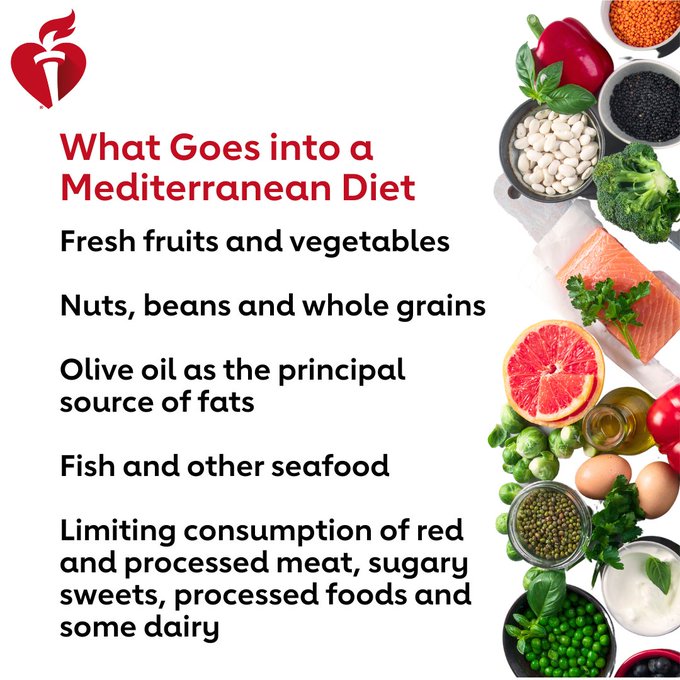
The Mediterranean diet has been shown time and again to lower heart attack and stroke risks. But it’s not about eating specific amounts of particular foods. It’s a pattern of healthy eating that includes
Research shows that Generation Z is drinking far less alcohol than previous generations. So what’s behind this trend – and does that mean alcohol and drug use worries are disappearing? Let’s break the topic down in this podcast with addiction psychiatrist Akhil Anand. pic.twitter.com/PrqU7IbBlP
Protect and build muscle while getting essential amino acids and calcium with this protein
Milk really does do a body good. It’s high in calcium, vitamin D and potassium. And it’s also rich in a beneficial protein called casein (pronounced ”KAY-seen“).
If you’re a regular dairy milk drinker, you’re already getting some benefits of casein. But you may want to consider adding more casein to your diet. Athletes and bodybuilders have been using casein protein powder for years. But the benefits of casein aren’t just for pro sports players.
“Protein is a vital part of any balanced diet,” says registered dietitian Elyse Homan, RD, LD. “But different proteins have different effects. Understanding how each protein works is beneficial, especially if you’re supplementing with it.”
What is casein?
Casein is the main protein found in dairy milk, which includes the milk from:
Cows.
Goats.
Sheep.
Casein makes up about 80% of the protein found in milk. The other 20% comes from whey protein.
“When you think of curds and whey,” Homan says, “the solid part is casein protein, and the liquid part is whey protein.”
Help your tissues and organs change and grow as needed.
Protect your body from viruses and bacteria.
Support your body’s movement by providing cell structure.
Casein vs. whey
Casein and whey have a lot in common. They’re both:
Animal-based proteins.
Complete proteins — they contain all the amino acids your body needs.
Excellent sources of calcium.
Found in dairy milk.
The main difference is that casein is a slower-digesting protein than whey. “Casein forms a gel-like substance in your stomach,” Homan explains. “It releases more slowly than other proteins and takes longer for your body to absorb.”
Casein protein benefits
Getting the recommended daily amount of protein helps you stay healthy. But casein’s slow absorption also gives it some added advantages. The health benefits of casein include:
1. Gives you all the essential amino acids
Amino acids combine to form proteins. There are 20 amino acids that your body needs to work correctly, and they join in various ways to create different proteins.
Your body makes some of the amino acids it needs, but there are nine essential amino acids that your body can’t produce — you must get them from food. Casein is a complete protein and has all nine essential amino acids.
2. Reduces muscle breakdown
Your cells rely on regular “feedings” of amino acids to continually make proteins. When you go without eating overnight or during an extended fast, your cells may not get the needed amino acids. As a result, they look for those amino acids elsewhere and break down your body’s muscles to get them.
As a slow-release protein, casein provides your cells with the amino acids they need over a long period. The slow absorption consistently feeds your cells with amino acids, allowing muscles to recover instead of breaking down.
3. Promotes muscle growth
Casein contains a high amount of leucine, an amino acid that regulates metabolism (how your body changes food into energy) and helps build and repair muscles. If you don’t typically consume a lot of protein, adding more leucine-heavy protein to your diet (like casein) can help your muscles grow when also engaging in regular exercise.
4. Provides a good source of calcium
The casein in milk is a good source of calcium, which is essential for teeth and bone health. Not getting enough calcium can lead to a loss of bone mass and increase your risk of osteoporosis (a disease that weakens your bones).
Casein protein powder may contain up to 50% of your recommended calcium intake — but always check the label to make sure that the protein powder is a good source of calcium.
How casein protein powder can help
Casein protein’s general health benefits are good for everyone. But using casein protein powder ensures you’ll get a more significant amount of casein each day. Talk to your healthcare provider about taking casein protein powder for:
Different types of proteins affect you differently after you eat them:
Whey protein, which you absorb quickly, makes you feel full immediately after ingesting it.
Casein’s slow rate of release helps you feel fuller longer.
One study found that participants who consumed casein protein powder before a meal ate less at that meal than people who had whey protein, egg albumin (made from egg whites) or water alone.
“Our bodies only absorb so much protein at one time,” Homan clarifies. “About 30 grams of protein per meal is a good amount to consume. If you plan to have more than one serving of casein powder daily, space it out.” It may help you stave off cravings and decrease snacking between meals, too.
Overnight muscle growth and recovery
Bodybuilders and athletes know that protein is key for building muscle. But keeping your body’s protein levels up overnight can be challenging. That is, unless you ingest casein immediately before going to sleep.
Research shows that consuming casein protein before bed balances your body’s protein level throughout the night. When your protein level stays consistent, muscles can continue to grow and recover — even though you’re not eating.
What to consider before taking casein
For most people, casein doesn’t cause any side effects. But Homan says certain people may need to avoid or limit casein if they have a condition such as:
Casein allergy
If you have a milk allergy, the proteins in milk trigger your immune system and cause it to overreact. People with a milk allergy are allergic to casein, whey or both.
A severe allergy can cause anaphylaxis. More mild symptoms of a milk allergy include:
“Casein allergies are not as common in adults as in children, but they do exist,” notes Homan. If you suspect you have a milk allergy, an allergist can do a test to figure out what you’re allergic to.
Lactose intolerance
Like all dairy products, casein contains the sugar lactose. If you have lactose intolerance, your small intestine can’t digest milk sugar. When you have dairy products, you may develop symptoms including:
“Casein supplements do have lower amounts of lactose,” Homan states. “If you’d like to include casein in your diet but have a lactose sensitivity, the supplement might not trigger it. Talk to your healthcare provider if you’re interested in taking a supplement.”
Protein restrictions
People with kidney disease often need to limit their protein. Too much protein can cause too much waste in your blood. If your kidneys can’t remove the waste, the buildup of toxins can lead to serious health complications.
“People with a protein restriction, such as those with kidney disease, don’t have to avoid casein,” Homan says. “But they do need to watch how much total protein they eat. Your healthcare provider can help you figure out the right amount.”
Sources of casein protein
There are two ways you can add casein to your diet:
Casein supplements
A powdered casein supplement can help you get high amounts of it, according to Homan. The most common form of casein powder is micellar casein, or you can get a rapidly absorbing type (casein hydrolysate). One serving typically contains 24 to 27 grams of protein. Mix with water to create a protein shake, or add it to smoothies, yogurt or baked goods.
“People looking to build muscle or get more protein in their diet should talk to their healthcare provider about adding casein,” she adds. “Supplementing with casein isn’t necessary if you have a healthy, balanced diet, but it can be helpful for some people.”
The U.S. Food and Drug Administration doesn’t regulate supplements. So, it’s a good idea to look for a casein supplement that underwent third-party testing. It’s usually a sign of a higher quality product.
Casein food sources
Anyone can benefit from casein, and you and your family probably already get it from the dairy products you consume, such as:
“Adding a dairy product to your breakfast is an easy way to get some casein every day,” Homan encourages. One glass of milk has 8 grams of protein — 6.4 grams (80%) of that protein is casein. “It’s great to start your day with a good protein source.”FACEBOOK
Can eating the rainbow help to reduce inflammation?
11/6/2025 by Tamara Soerense
n
Inflammation is a natural process initiated by the immune system in response to illness, trauma, toxins, physical stress and chronic disease. While acute inflammation is protective and allows our bodies to heal, it can become harmful if it persists, leading to chronic inflammation. Chronic inflammation, in turn, can lead to conditions such as arthritis, heart disease, and diabetes.
Several foods can contribute to inflammation. These include highly processed foods, refined carbohydrates, or foods high in added sugars. Conversely, other foods can help calm the immune system, decreasing inflammation.
Let’s explore which foods help lower inflammation and how they can be incorporated into an anti-inflammatory diet.
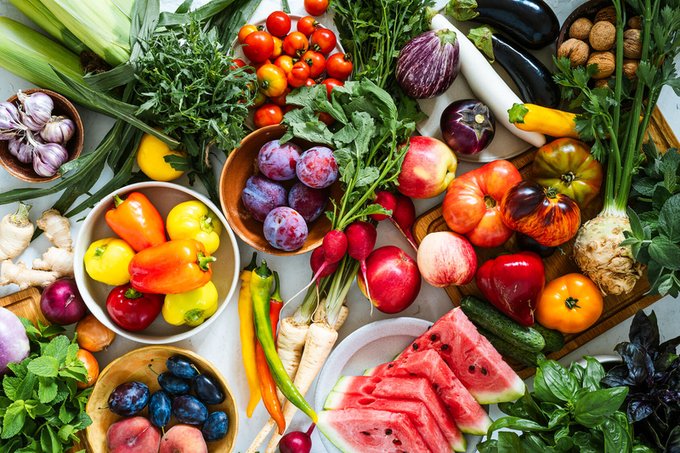
Fruits and Vegetables: Colorful fruits and vegetables naturally contain various phytonutrients and bioactive compounds that help keep inflammation in check. These foods form the foundation of the anti-inflammatory diet and can be enjoyed in abundance. For an extra boost of protection, try drizzling antioxidant-rich olive oil on your veggies..
Protein: Choose primarily from plant-based sources such as legumes, soy, nuts, and seeds, with smaller amounts from lean cuts of animal protein and fatty fish. The fats in these proteins, mainly monounsaturated and omega-3, play a significant role in combating inflammation. The American Heart Association recommends 6 to 8 ounces of fatty fish and 5 ounces of legumes, nuts, and seeds per week.
Whole grains: Whole grains contain all parts of the grain, whereas refined grains remove the germ and bran, eliminating important inflammation-reducing compounds. Of these, fiber is a bit of a superstar, shown to help reduce blood sugar and cholesterol levels. Aim for at least 50% of your grains from whole grain sources, such as rolled oats and brown rice.
Herbs and Spices: Herbs and spices add flavor to your food and help reduce oxidative stress, which can trigger inflammation. Add ginger, turmeric, clove, cinnamon, oregano, and garlic to your next meal.
What change can you make today to shift your body into a less inflamed state?
Consider adding one colorful fruit or vegetable to your diet each day. Suggestions include tomatoes, oranges, yellow bell peppers, arugula, blueberries, pumpkin and broccoli.
Tamara Soerensen completed her bachelor’s degree in biology at the University of California, Santa Barbara and her master’s in nutrition at Bastyr University. She is currently a dietetic intern at Mayo Clinic in Rochester, Minnesota. Special interests include digestive health and the utilization of diet for disease prevention.
Yes, alcohol affects hormones in women by increasing estrogen and cortisol, and decreasing progesterone, which can lead to issues like irregular menstrual cycles, worsened menopause symptoms, and an increased risk for certain health conditions. The liver prioritizes metabolizing alcohol, disrupting the body’s normal hormone regulation, and its effects are seen across all stages of a woman’s life.
Specific hormonal effects
Estrogen: Alcohol can increase estrogen levels by increasing its production or decreasing its breakdown. This is a concern because elevated estrogen is linked to an increased risk of certain cancers, such as breast cancer.
Progesterone: Moderate to heavy drinking can lead to lower progesterone levels, which is particularly relevant for premenopausal women and can disrupt the menstrual cycle and affect fertility.
Cortisol: Alcohol consumption increases cortisol, the body’s primary stress hormone. Chronically high cortisol levels can negatively impact bone growth, digestion, reproduction, and immune function.
Other hormones: Alcohol can also affect other key hormones, such as Anti-müllerian Hormone (AMH), gonadotropins (like FSH and LH), and thyroid hormones, which can impact fertility and other bodily functions.
Effects on reproductive function
Menstrual cycle: Alcohol can cause irregular periods and, in some cases, complete cessation of menses.
Menopause: For menopausal and postmenopausal women, alcohol can worsen symptoms like hot flashes and night sweats and may increase the risk of conditions like osteoporosis and heart disease.
Fertility: Studies show women who drink more than 7 alcoholic drinks per week while undergoing fertility treatment are less likely to achieve pregnancy.
Important considerations
Risk increases with consumption: The more alcohol a woman consumes, the greater the impact on her hormones and overall health.
Short-term vs. long-term: The liver’s priority is processing alcohol, which disrupts hormone regulation. For women who are heavy or long-term drinkers, the long-term effects on hormone levels and associated health risks can be significant.
Seek professional advice: It is important to discuss any concerns about alcohol, hormones, and reproductive health with a healthcare provider.