Here’s a medical news story that combines a common habit (drinking coffee) with a common skin condition (rosacea) — and it even has a happy ending.
What is rosacea?
Rosacea is probably something you’ve seen plenty of times and didn’t know what it was — or perhaps you have it yourself. It’s that pink or red discoloration on the cheeks some people have, especially fair-haired women. Sometimes there are small bumps that may look a bit like acne. If you look closely (after asking nicely for permission, of course), you’ll see tiny blood vessels just under the surface of the skin. In more severe cases it may involve the chin, forehead, nose, ears, and other skin surfaces. It may affect the eyes, eyelids, and cause thickening of the skin over the nose.
We don’t know what causes rosacea. However, there are theories that it may be, at least in part, a genetic condition, as it can run in families. Because the immune system seems to be involved in the inflammation of rosacea, and because other autoimmune conditions (such as type 1 diabetes and multiple sclerosis) may accompany rosacea, abnormal immune function may play a role. Medications (such as topical anti-inflammatory drugs) and antibiotics can reduce redness and inflammation but there is no cure. Many people seem to be able to reduce signs of rosacea by modifying their diet to avoid foods that trigger it.
Rosacea affects more than 14 million people in the US, including some celebrities, such as Bill Clinton and the late Diana, Princess of Wales. And while it’s not dangerous, it can have a significant cosmetic impact. Caffeine, sun exposure, spicy foods, and hormonal factors are thought to be able to trigger rosacea’s development or make it worse once present. Yet, a new study challenges the connection between caffeine and rosacea.
More coffee, less rosacea?
A recent study analyzed health data from surveys provided to nearly 83,000 women over more than a decade and found that:
Those drinking four or more cups of coffee per day were significantly less likely to report a diagnosis of rosacea than those who drank little or no coffee.
Those drinking less than four cups of coffee each day were also less likely to have rosacea, though the protective effect was smaller.
Consumption of decaffeinated coffee was not linked to a lower incidence of rosacea.
Caffeine intake from other foods or beverages (such as chocolate or tea) had no impact on the likelihood of developing rosacea.
Why is this important?
These results of this study are more than just interesting observations. If other research can confirm the findings, it could lead to a better understanding of why rosacea develops in some people and not in others. Because inflammation driven by the immune system is thought to play an important role in rosacea, insights into the development of this disease could extend to advances in other autoimmune disorders. Finally, many people with rosacea (or a family history of the disease) who like coffee may avoid it because of the widespread notion that coffee will make it worse. The findings of this study suggest that’s not true.
There are always caveats
As with all research of this type, there are limitations to consider. For example, this study
only included women, most of whom were white — we’ll need additional studies of men and other ethnic groups to know if the findings extend widely.
relied on health surveys and study participants’ memories regarding past diagnoses and diet; such survey data may not always be accurate.
found a link between higher coffee consumption with lower risk of rosacea, but it cannot determine whether coffee consumption actually caused a reduction in rosacea.
The bottom line
Coffee is one of the mostly widely consumed beverages on the planet, and it’s also among the most widely studied. While it can cause problems for some people (such as heartburn, tremor, or palpitations), it’s a source of pleasure and enjoyment for millions. In addition, coffee has been linked with a number of health benefits, ranging from reductions in type 2 diabetes and liver cancer to greater longevity. From this latest research, it appears that you can add the possible prevention of rosacea to the list.
About the Author
Robert H. Shmerling, MD, Senior Faculty Editor, Harvard Health Publishing; Editorial Advisory Board Member, Harvard Health Publishing
Dr. Robert H. Shmerling is the former clinical chief of the division of rheumatology at Beth Israel Deaconess Medical Center (BIDMC), and is a current member of the corresponding faculty in medicine at Harvard Medical School. … See Full Bio
Today Blackrock Clinic supports International NASH Day, a global occasion to raise awareness about NASH & NAFLD. Are you at risk? Have you been diagnosed? What should patients know? Prof Suzanne Norris is @brc_clinic : http://ow.ly/Fh8Y50JrF8m#NASHDay@GlobalLiver
Your Chartered Physiotherapist will help you return to sport or physical activity after injury. We are on your team to guide your rehab and support your safe return to the activity you love #ISCP#Physiotherapy#SportsInjury#Physio
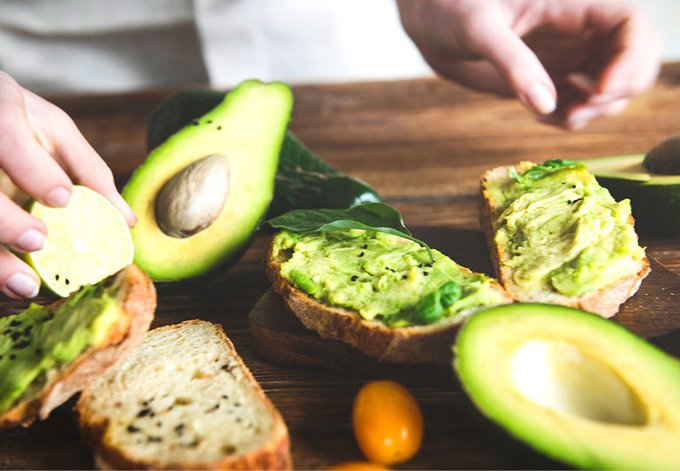
Avocados are jam-packed with nutrients and vitamins and can make a delicious, nutritious addition to your diet.
Millenials may get flak for being the “avocado toast generation,” but honestly, they may be onto something! Avocados are as nutritious as they are delicious, and they’re jam-packed with vitamins and nutrients.
Avocados include vitamins C, E, K1, B6 and folate, plus essential minerals like potassium and copper. They’re low in sugar, loaded with fiber and high in monosaturated fats, aka “good” fats. Oh, and did we mention that they taste great and they’re super versatile?!
Registered dietitian Julia Zumpano, RD, LD, shares a few more good reasons to give these wrinkly green fruits a second look — plus, how to add them to your regular rotation.
Are avocados good for you?
“Avocados are a great addition to a healthy diet,” Zumpano confirms, “and there are hundreds of varieties to choose from, ranging from big to small and wrinkly to smooth.”
What they have in common: A big round pit, creamy green flesh and a whole lot of nutrients crammed into a handy, pear-shaped package.
Just don’t go overboard. Avocados are packed with nutrients, but they’re also packed with calories. A 50-gram portion — about a third of a medium-sized avocado — has about 75 calories. And an entire large avocado can add upward of 400 calories to your daily diet.
Like most things, Zumpano says, moderation is key. “As long as you’re paying attention to portion sizes, avocados are very healthy foods to include in your food repertoire.”
Benefits of avocados
Whether you’re adding a slice to a salad or sandwich or using them as an ingredient in a more complicated recipe, Zumpano says avocados have a lot going for them health-wise.
Here are some of the many nutrients and vitamins packed into just a single avocado:
High in ‘good’ fats
You might’ve heard that avocados are high in fat — and that’s true, but it doesn’t mean you should avoid them! A medium avocado has 22 grams of fat, which includes 15 grams of monounsaturated fats, aka “good” fats.
“Avocados are rich in heart-healthy monounsaturated fats, which help lower your LDL, or ‘bad’ cholesterol,” Zumpano says. “Low LDL levels reduce your risk of heart disease and stroke.”
The American Heart Association says most of the fats you eat should be monounsaturated or polyunsaturated, confirming that avocados fit the bill as part of a healthy diet.
You can even swap avocado in for less-healthy fats in your home cooking. Here are some additional ways you can add this smooth, creamy fruit to your diet.
Spread avocado on a sandwich in place of mayonnaise.
Instead of dunking veggies into dips made with cheese or sour cream, try guacamole.
Forego shredded cheese on your salad and add avocado slices instead.
In baking recipes, replace butter or oil with mashed avocado, like in these chocolatey avocado brownie bites.
“If you use avocado to replace other fats, you can enjoy the flavor and nutrients and also cut down on saturated fats,” Zumpano says.
Lots of vitamins
Let’s talk vitamins: In simple terms, avocados have a lot of them! Here are the vitamins that are most abundant in avocados and what they do for your health:
Vitamin K1, or phylloquinone, is important for blood clotting, which helps stop wounds from bleeding. It also plays a role in strengthening your bones. For most adults, the daily recommended amount of vitamin K ranges from 90 to120 micrograms. Half an avocado has about 21 mcg.
Vitamin C, aka ascorbic acid, helps keep your immune system healthy. It also plays a role in the health of your tissues, blood vessels, bones and more. Depending on your age and sex, you need anywhere from 75 to 120 milligrams of vitamin C per day; half an avocado has about 10 mg.
Vitamin E, or alpha-tocopherol, is a powerful antioxidant that prevents cell damage and helps maintain muscle function. Most adults only need 15 mg of vitamin C per day, and half an avocado will give you about 4 mg of it.
Vitamin B6, also known as pyridoxine, helps your body convert food into energy. You only need a small amount of vitamin B6 each day (just 1.2 to 2 mg, depending on your age and sex), but half an avocado has about .25 mg, putting you well on your way to that daily goal.
Folateis a B vitamin that’s important for normal cell function and tissue growth. It helps your body form red blood cells and DNA, which is especially critical when you’re pregnant (but still important if you’re not). Half an avocado has about 20% of your daily recommended amount.
Low in sugar
Though most fruits are high in natural sugars, avocados rank very low on the sweetness scale. “A whole avocado has under 1.5 grams of sugar, while one medium apple, by comparison, has about 19 grams,” Zumpano points out. (Psst: It’s important to note that not all sugars are created equal! Fruit is still super-healthy.)
High in fiber
Avocados are a good source of fiber, which is a type of carbohydrate that your body can’t break down. You need both soluble and insoluble fiber — and lucky for you, avocados have both.
“Fiber can lower cholesterol and blood sugar, keep you regular and help you feel full and satisfied after a meal,” Zumpano states. Most adults need 25 to 35 grams of fiber per day, depending on your age and sex. Half an avocado provides about 7 grams.
Packed with potassium
Surprise! “Avocados actually contain more potassium than bananas,” Zumpano reveals. Half a large avocado provides about 485 mg of potassium, while a whole banana provides about 420 mg. (Most adults need 2,600 to 3,400 mg per day.)
This essential mineral is beneficial for blood pressure control and heart health. Low blood potassium can increase your blood pressure, raise your risk of kidney stones and even pull calcium out of your bones.
Increases your copper intake
Think past pennies: Copper is actually an essential trace mineral that your body needs in order to function correctly. Most Americans don’t get enough of it in their diets, but half an avocado will get you 20% of your daily recommended amount.
“Copper helps your body metabolize iron, and it plays a role in a healthy immune system and nervous system,” Zumpano explains.
Tips for enjoying avocados
“A perfectly ripe avocado is slightly firm but not rock-hard,” Zumpano says. “If it’s not ripe but you can’t wait to eat it, store it in a paper bag on the counter until it gives a little when you squeeze it.”
A ripe-but-not-too-ripe avocado is a time-limited treasure, so dive right in and get creative with your avocado creations, or embrace the millennial method and enjoy some avocado toast.
But if you need to store it for a couple of days, just be sure to keep it in the fridge — not submerged in water, as some TikTokkers recommend. Some people call it a “food hack,” but it can easily lead to foodborne illness.
“You can even freeze avocado slices if you’re worried you won’t use them in time,” Zumpano suggests. “Then, you can easily throw them into a smoothie.”
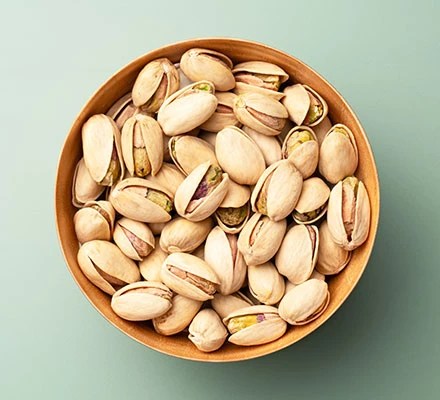
Fuelled by a social media craze for the likes of ‘Dubai chocolate’, a chocolate bar filled with pistachio paste and shredded filo pastry, these colourful little nuts are having their moment. Nutrient-dense and packed with heart-healthy fats, are there other health benefits that set pistachios apart? Registered nutritionist Kerry Torrens investigates.
What are pistachio nuts?
A popular ingredient in desserts and puddings, pistachios or “green nuts” add a splash of colour to dishes. The edible seeds of the Pistacia vera tree are a source of healthy fats, protein, fibre and plant compounds that have a protective antioxidant effect.
Compared to most tree nuts pistachio have a balanced nutritional profile with less fat, more protein and fibre (both soluble and insoluble) and a high antioxidant value.
How Long To Breastfeed: What the Guidelines Say and What To Consider
Recommendations encourage breast milk exclusively for baby’s first six months and continuing to provide human milk until age 2 and beyond
How and what you feed your baby is probably one of the most basic — and yet deeply personal — decisions you’ll face when you become a parent.
You’ll hear things like “breast is best.” As in, breastfeeding (chestfeeding) is the absolute best way to nourish your baby.
And then you’ll hear the retort, “fed is best.” Meaning breast milk (human milk) and formula are both fine. As long as your baby is getting nutrients in their belly, all is well.
Then come the opinions on how long you should breastfeed. (You’re still breastfeeding? You gave up on nursing already? You fed your baby formula?)
It can feel like there’s no right way to do it. And there’s some truth to that.
Because what works for one family may not be feasible for another. But that’s OK.
Breast milk can provide certain benefits that formula can’t mimic. But breastfeeding, especially for long periods of time, might not work for everyone. Or you may have been given the impression that you’ve continued providing human milk long after others think you “should.”
No one should feel guilt, shame or otherwise crummy about how they feed their baby. Let’s face it, mom guilt is tough enough as it is.
So, we talked with board-certified breastfeeding medicine physician Heidi Szugye, DO, about breastfeeding recommendations.
How long to breastfeed
Science shows that if you can give your baby human milk (either your own or a donor’s), it has its benefits. And the longer, the better, experts recommend.
12 months to 24 months (and beyond): Mostly solid foods with some human milk, as mutually desired by parent and child.
Previous recommendations called for providing breast milk until age 1. But these newer guidelines (implemented in 2022) are based on the understanding that human milk has benefits that continue long after baby’s first birthday. And they help to remove stigmas associated with people who choose to extend breastfeeding into toddlerhood.
“These recommendations are a call to action for everyone, and that includes hospitals, pediatricians and all physicians that are taking care of families,” Dr. Szugye states. “We want to make sure our practices and policies are set up to support people who choose to breastfeed beyond the first year of their child’s life.”
Think of the guidelines as the best-case scenario. If it works for you, your family, your child, your body and your life to breastfeed for two years or longer, you’re doing a great thing. And there’s no reason to stop until you and your child are ready.
If it doesn’t work for you, that’s OK, too. Your worth as a parent and your love for your child can’t be measured in ounces of milk.
Benefits of extended breastfeeding
The recommendations are based on research showing that human milk has some big benefits. And those perks continue for as long as you continue to supply it.
“Breastfeeding offers tremendous benefits — from custom-made nutrition and increased immunity to protecting you against some forms of cancer. And those benefits don’t go away as your baby ages,” Dr. Szugye shares. “We have more and more data supporting that there are benefits to breastfeeding for more than one year when possible.”
Breastfeeding can offer both you and your baby some big benefits:
Benefits for lactating parents
Benefits for baby
Lower risk of developing conditions like Type 2 diabetes, high blood pressure, cardiovascular disease, breast cancer and ovarian cancer.
Decreased risk for ear infections, respiratory infections, gastrointestinal illnesses, SIDS, leukemia, diabetes, obesity, asthma and eczema.
“There are a lot of immunologic factors and components to human milk,” Dr. Szugye says. “One big advantage to human milk is that you pass antibodies to the baby. So, if you’re exposed to a respiratory illness or GI illness, those antibodies are passed on to the baby and then that makes them less likely to get sick. And if they do get sick, it’s less severe. It’s almost like a built-in immunity.”
Keeping up milk supply for the long haul
Some people can make enough milk to breastfeed for as long as they and their babies choose. But some don’t. At least not without taking some steps to keep it up.
If you suspect your supply is dwindling as your child gets older, there are ways to help promote more milk production if you want.
“Many people notice their supply drop and mistakenly assume it won’t return,” Dr. Szugye notes. “But if you want to continue to breastfeed, there are options that could help.”
If a supply boost is in order, you can try:
Nursing more often — Add sessions as long as your child will nurse. If you’re away from them during the day, try early evenings, mornings or weekends.
Pumping strategies — An extra session or several short “power pumping” sessions (think five to 10 minutes throughout the day) for several days in a row can trigger your body to make more milk.
Breast massage and compression — Easy-to-learn techniques can improve drainage when nursing or pumping.
Take care of yourself — Reduce stress, rest when possible, hydrate and eat a balanced diet with an extra 500 calories a day to support breastfeeding.
Not an ‘all-or-nothing’
If two or more years of breastfeeding seems daunting, remember that you have options.
For starters, giving your child human milk doesn’t always mean latching them to your breast and nursing. That’s just one way to do it. Pumping milk and putting it in a bottle, cup or spoon are also options.
And you may find that a donor bank could be a route to explore if you don’t lactate or if you have concerns about a low milk supply. Donor milk is pasteurized, screened for drugs, medications and infections, and tested for bacterial contamination before it’s stored and made available for purchase.
“Reach out to your pediatrician or women’s healthcare provider if you’re interested in obtaining donor milk. You may need a prescription from a healthcare provider,” Dr. Szugye suggests.
Remember, too, that any amount of human milk can be a benefit. If keeping up with your baby’s breastfeeding demands becomes too high a burden, there are alternatives.
Some parents may find that supplementing with formula (or other foods and milk after baby turns 1) can help give your child some human milk, while keeping up with their nutritional needs — and not burning yourself out in the process.
“It’s not an all-or-nothing thing,” Dr. Szugye reassures. “Any amount of human milk you can give is a benefit. If it doesn’t work for you to constantly supply human milk, that’s OK. We’re all just doing our best.”
If breastfeeding is going well for both you and your child, there’s no reason to give it up until you’re both ready to.
Feeding a baby is tough work, no matter how you do it. And chances are, you’re doing a fantastic job.