
Mayo ClinicVerified account @MayoClinic 7 hours ago
#PetTherapy is gaining fans in health care and beyond. Animal-assisted therapy can reduce pain and anxiety in people with a range of health problems. #HomeRemedies https://mayocl.in/2sMnZaS

Health is Wealth
Mayo ClinicVerified account @MayoClinic 7 hours ago
#PetTherapy is gaining fans in health care and beyond. Animal-assisted therapy can reduce pain and anxiety in people with a range of health problems. #HomeRemedies https://mayocl.in/2sMnZaS




If you’re looking for relief from coronavirus symptoms, take paracetamol rather than ibuprofen, and avoid non-evidence-based treatments being promoted on social media, health experts recommend.
Australian doctors typically treat patients with a fever – one of the key symptoms of COVID-19 – with the painkiller paracetamol, often sold as Panadol.
Paracetamol provides quick relief from symptoms and is relatively safe.




As the rates of coronavirus (COVID-19) continue to rise, schools across the country are closing in an effort to help protect children and their families.
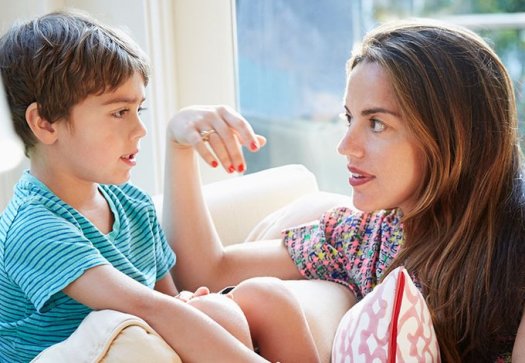
And with all of the disruption and talk about COVID-19, it’s bound to cause alarm, worry or confusion in some children. That’s why it’s important to have an open and honest conversation with your child about everything they might be hearing and seeing – especially if they’re seeing it on TV or hearing it from other people.
“Everyone is talking about coronavirus, it’s everywhere you look,” says Kate Eshleman, PsyD. “And if we’re seeing it so prominently, that means our kids are too and they might not understand it all – and that can be scary for them.”
Although it might not seem like a big deal, Dr. Eshleman urges parents to sit down with their children to explain COVID-19 in a way that they’ll understand. It doesn’t need to be a super in-depth conversation either, but listening to them and giving them a chance to ask questions can help children cope and better understand.
Dr. Eshleman gives these tips for having a conversation about COVID-19 with your kids:
“Children are intuitive and pick up on more than you think they do,” says Dr. Eshleman. “They can sense when adults are talking in whispers or being hush-hush about something. They’re also good at sensing fear or anxiety in adults, which in turn can make them feel that way too.”
Children have limited life experience, so talking to them and showing that they matter can help them understand and feel secure.



 Healthaware