Recipe: Pumpkin Spice Cookies @ClevelandClinic

Recipe: Pumpkin Spice Cookies

Who says pumpkin spice is only exciting in latte form?

Don’t just reserve pumpkin for pumpkin spice lattes and pie! These easy spice cookies are a great way to spread the pumpkin love throughout the entire season.

If you don’t have any aluminum-free baking powder in your cupboard, pick some up the next time you go shopping. Aluminum may pose potential risks to your health as a neurotoxin. While the dose of aluminum is what makes the poison, some studies show a relationship between aluminum that is stored in your body and neuro-disorders (such as Alzheimer’s disease.) Limiting exposure to all metals is a protective measure we can take to optimize our health.

Ingredients

1 cup pumpkin puree, fresh or canned
1 tablespoon pure maple syrup
1/3 cup unsweetened applesauce
1 teaspoon pure vanilla extract
1/4 cup vegan palm shortening or melted coconut oil
1 cup oat flour
1/2 cup almond flour
1/2 teaspoon baking soda
1/2 teaspoon aluminum-free baking powder
1 teaspoon ground cinnamon
1/2 teaspoon pumpkin pie spice
Pinch sea salt
1/2 cup chopped pecans
1/4 cup mini chocolate chips

Directions

  1. Preheat oven to 350°F.
  2. Mix the pumpkin, syrup, applesauce, vanilla and shortening (or oil if using) in a large bowl. Alternatively, place in a blender and blend until combined.
  3. In a separate medium bowl sift the oat flour, almond flour, baking soda, baking powder and spices together.
  4. Add the dry ingredients to the pumpkin mixture and mix to combine. Then fold in the pecans and chocolate chips.
  5. Scoop 1 tablespoon of batter onto a large baking pan lined with parchment paper. Repeat until all batter is used. Place baking pan into the oven and bake for 20 to 25 minutes, or until just slightly firm. Remove the cookies from the oven and serve warm or room temperature.
  6. Store uneaten cookies in a sealed glass container at room temperature for two days or in the refrigerator for up to five days.

Nutrition information (per serving)

Makes 3 dozen cookies

Calories: 43
Total fat: 2 g
Saturated fat: 2 g
Cholesterol: 0 mg
Fiber: 1 g
Protein: 1 g
Carbohydrate: 5 g
Sodium: 25 mg

— Recipe courtesy of Mark Hyman, MD.

Each body is different. Therefore each rehabilitation must be different. #physiotherapy #healthaware


horizonptflintmi

𝐘𝐨𝐮𝐫 𝐛𝐨𝐝𝐲 𝐢𝐬 𝐚 𝐭𝐞𝐦𝐩𝐥𝐞 𝐨𝐟 𝐨𝐧𝐞.
𝐒𝐨, 𝐬𝐡𝐨𝐮𝐥𝐝𝐧’𝐭 𝐲𝐨𝐮𝐫 𝐫𝐞𝐡𝐚𝐛𝐢𝐥𝐢𝐭𝐚𝐭𝐢𝐨𝐧 𝐛𝐞 𝐚𝐬 𝐮𝐧𝐢𝐪𝐮𝐞 𝐚𝐬 𝐲𝐨𝐮 𝐚𝐫𝐞?
At Horizon Physical Therapy, we understand that no two bodies are the same, and therefore, no two rehabilitation programs should be the same either.
That’s why we put 𝐲𝐨𝐮 first by creating a personalized treatment plan tailored to meet your unique needs.
We believe in the power of individualized therapy, and we know it can make a difference in your recovery journey.
—–
🌐 https://horizonptflint.com/
.
.
.
#horizonptflint #horizonphysicaltherapy #physicaltherapy #mobilization #exercise #occupationaltherapy #orthotics #ergonomics #sport #training #headache #shoulderpain #frozenshoulder #elbowpain #tenniselbow #wristpain #orthopedicphysicaltherapy #therapeuticmodalities #balance #vestibularrehabilitation #neurologicalrehabilitation #workinjury

8h

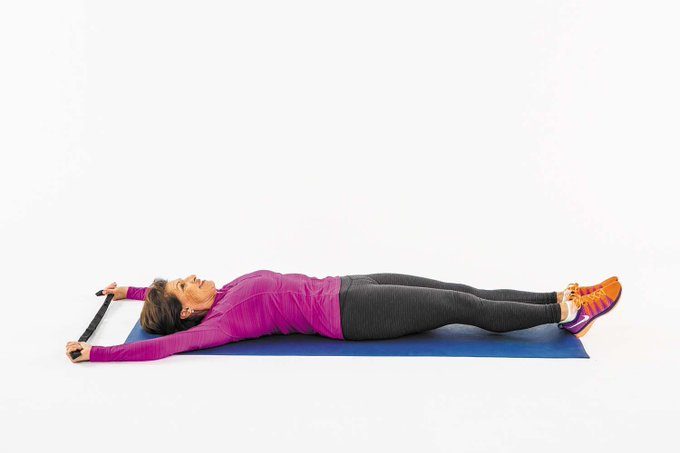
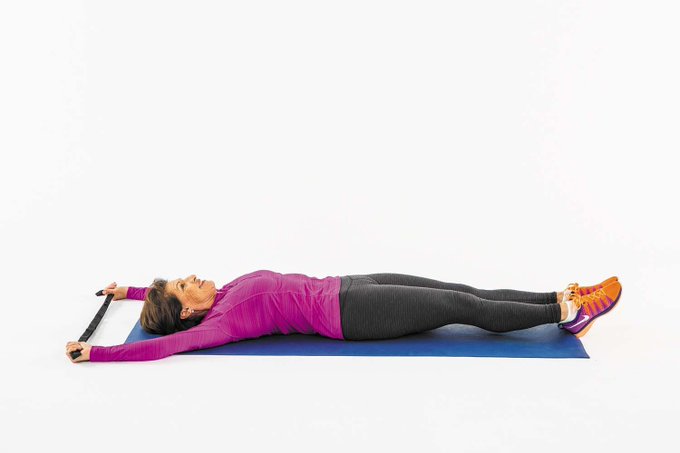
As US Navy pilot Liz Corwin glanced out of her cockpit, there was no question: her wingtip was missing #healthaware #fitnessaware

yoga journal liz corwin

6 hours ago

As US Navy pilot Liz Corwin glanced out of her cockpit, there was no question: her wingtip was missing…

The Good Fight: How Yoga is Being Used Within the Military

Spurred in part by the crushing opioid epidemic, the Department of Defense and other federal agencies have been spearheading efforts to manage and mitigate pain and mental health problems among active service members. Yoga, as it turns out, is one of the rising stars. While those in the trenches say there is a long way to go before yoga can be broadly and systemically deployed within the military, the foundation is being laid for using asana, meditation, and other holistic therapies to make military personnel more resilient.

Brownout vs. blackout from drinking @ClevelandClinic #encephalopathy

Excess alcohol and substance use can cause temporary and permanent memory loss

What are blackouts and brownouts?

Blackouts involve complete memory loss caused by your brain’s inability to record new memories for a period of time due to the effects of excessive alcohol, substance misuse or some other condition.

But sometimes, auditory or visual cues can help a person piece together memories of what happened during a blackout. These cues could come in the form of texts, pictures or conversations with people who were present while you were blacked out. The medical term for blackouts is called transient loss of consciousness (TLOC).

The difference between a brownout and a blackout is that brownouts involve partial memory loss. With a brownout, you may be able to remember certain details from the period of time you were affected, but other portions of time can’t be recalled.

“The hippocampus is a part of your brain that takes our experiences and the awareness of all our senses and processes those into memories,” explains Dr. Streem. “It’s sensitive, and it’s the same part of the brain that deteriorates in people with Alzheimer’s disease.”

Excessive alcohol use isn’t the only thing that can cause blackouts or brownouts. Substance misuse on its own or with alcohol can increase your likelihood of experiencing a blackout. Hypnotics or sedatives and benzodiazepines like flunitrazepam (also known as Rohypnol or roofies) can also lead to blackouts or brownouts.

There are other medical conditions that cause blackouts or brownouts, too, including:

“Anything that causes damage to the brain, whether temporary or permanent, can cause memory loss if the damage is in the right spot,” states Dr. Streem.

Is a blackout the same as passing out?

Blackouts are not the same as passing out. When you pass out or faint, you experience a temporary loss of consciousness.

“When you’re passed out, you’re not awake. A blackout happens to someone who’s still conscious but they’re not coding any new memories,” explains Dr. Streem. “A person who has a blackout is still awake and they have some ability to think, but other parts of their brain may not be working well enough. Often, this is because of intoxication.”

Understanding these definitions and the difference between blackouts and passing out is incredibly important, as it may be difficult for other people to recognize someone is having a blackout because of their seemingly aware state.

How much alcohol can cause a blackout?

How much alcohol or substance use is needed to cause a blackout varies based on a person’s height, weight, sensitivity and assigned sex at birth.

“We know females absorb more alcohol in their bloodstream than males,” says Dr. Streem. “But for most people, it’s going to involve more than the legal blood alcohol limit. In almost all states in the U.S., the blood alcohol limit for driving is .08. Blackouts usually appear at blood alcohol levels that are twice the legal limit or higher.”

Studies have shown that young adults under the age of 25 are particularly vulnerable to experiencing blackouts. Additionally, blackouts may occur at far lower thresholds among younger populations. That’s largely because the parts of your brain responsible for decision-making aren’t fully matured until around age 25. Despite this, intentional binge drinking has been a common practice among young adults.

Regardless of age, recent studies show more frequent blackout experiences are related to an increase in memory lapse and cognitive difficulties even after alcohol misuse is corrected. This means that even after a blackout occurs, you can continue to experience memory loss and other difficulties recalling memories.

Blackout effects on your body

If you’re experiencing a blackout or brownout, you’re at higher risk for falling, injury and unwanted or unsafe sexual experiences. A person who is blacked out may also throw up while sleeping, which could lead to an increased risk of choking or suffocating.

It can be hard to determine when you’re going to have a blackout or brownout. But some signs it may be happening to you in the moment include:

  • Difficulty standing.
  • Nausea.
  • Lightheadedness.
  • Loss of vision or shrinking of your field of view.

Other signs of substance-related blackouts, specifically blackouts caused by sedatives, hypnotics or benzodiazepines, include:

  • Loss of bowel or bladder control.
  • Difficulty breathing.
  • Feeling drunk when you haven’t consumed alcohol or consumed less than your usual amount.
  • Sudden body temperature changes.
  • Sudden increase in dizziness, disorientation, loss of vision or difficulty speaking.

“Hypnotic drugs are prone to cause this kind of impairment and memory loss,” states Dr. Streem. “Sadly, people sometimes use them to take advantage of other people.”

Strategies for managing blackouts

A blackout ends when your body has absorbed the alcohol you consumed and your brain is able to make memories again. Sleep often helps this process along.

Alcohol is dehydrating by nature, so making sure you’re drinking plenty of water and staying hydrated is important. Being aware of potential signs of intoxication can also be helpful in understanding your limitations.

But what if you end up having a blackout anyway?

“The experience of a blackout can sometimes be an opportunity to learn about our bodies and our brains, and what we can and can’t handle,” says Dr. Streem. “But the most important thing to do when you have a blackout is to try and piece together as best we can what happened and whether we were injured. It also might be necessary to try to assess whether you’ve been taken advantage of in some way.”

If you think you’ve been injured, sexually or physically assaulted, it’s important that you get medical attention immediately and talk to the police about everything you can remember.

Other measures you can take to reduce the likelihood of blackouts and brownouts and increase your own safety include:

  • Drinking with people you trust.
  • Pairing up with a close friend or group of friends and leaving together.
  • Not drinking on an empty stomach.
  • Not taking drinks from other people.
  • Opening containers yourself or watching your drink being poured.
  • Taking your drink with you when leaving a room.
  • Not drinking anything that tastes or smells odd.
  • Asking for help when you start to feel drunk or intoxicated.

“There’s no way to prevent a blackout or brownout from happening other than to stop consuming so much alcohol or other substances that cause them,” says Dr. Streem. “Beyond that, safety and general physical care can be very helpful in making sure this doesn’t happen to you.”

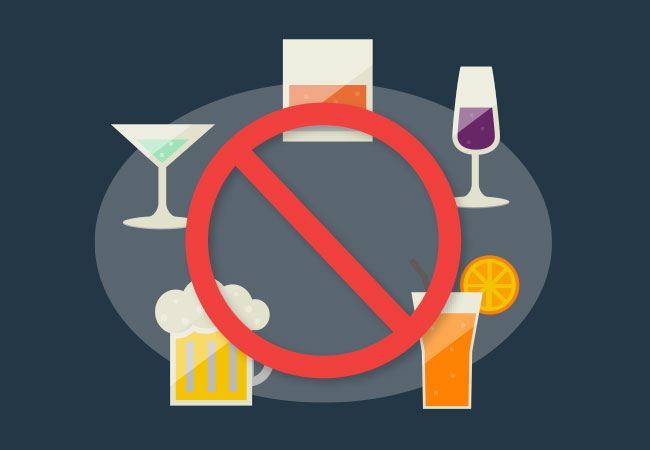
Ready To Quit Alcohol? Here’s How @ClevelandClinic

Done With Alcohol? Here’s How To Stop Drinking

Set a date, avoid triggers, and get help and support along the way

Looking to take on a sobriety challenge, like Dry January? Or maybe it’s a pregnancy that made you realize it’s time to stop drinking. Or maybe you’re just looking to improve your health, wake up hangover-free and give your liver (and your heart) a break. 

Whatever your reason to quit drinking, know that you’re doing yourself a favor. Alcohol impacts our sleep, relationships, weightrisk for serious chronic conditions and more.  

“Increasingly, I’m hearing from a lot of people who don’t necessarily have alcohol use disorder but who realize that they feel better when they drink less or stop drinking altogether,” says addiction psychiatrist David Streem, MD.

But you probably have questions about how to quit drinking. Is it better to wean off gradually? Go cold turkey? How will you keep up a sober lifestyle? 

Whether you’re sober curious, know for sure you’re ready to quit, or fall somewhere in between, Dr. Streem shares advice for how to stop drinking. If you’re living with alcohol use disorder (also known as alcoholism), you’ll likely benefit from additional medical interventions. We’ll talk about that, too. 

Tips for quitting alcohol 

When you consider how to go about giving up alcohol, account for factors like how much you drink and your reasons for drinking. 

“At its core, quitting drinking is a behavioral change,” Dr. Streem says. “It’s about breaking a habit and starting new habits.” 

But if you’re living with alcohol use disorder, drinking is more than a habit. It’s a medical condition. People with alcohol use disorder can’t stop drinking even when it causes problems, like emotional distress or physical harm to themselves or others. 

“If you drink every day — if you crave alcohol and have a compulsion to continue drinking even when the effects of alcohol are obvious — it’s best to seek medical treatment rather than stop drinking on your own,” Dr. Streem advises. “In many cases, it may not be safe for someone with alcohol use disorder to stop drinking without professional support, and you’re less likely to be successful on your own, too.” 

1. Understand your relationship with alcohol 

In order to change your drinking habits, your first step is to take a close look at your current behaviors and find patterns.

Dr. Streem suggests starting with the World Health Organization’s Alcohol Use Disorders Identification Test (AUDIT). It can be a particularly helpful way to help you get a clearer understanding of your drinking habits and your relationship with alcohol. It’s a 10-question screening test that gives you research-backed, personalized advice for quitting or reducing your intake of alcohol. 

Making lists can help, too. Ask yourself questions like: 

  • How often am I drinking? And how much at a time? 
  • In what situations or moods am I more likely to drink?  
  • Who do I typically drink with? 
  • What days and times of day am I most likely to drink? 
  • Why do I drink? 
  • How is alcohol affecting my life? My health? My relationships? My work? 

Laying it all out in black and white can take time and some serious self-examination. That’s OK. Understanding your habits and your motivations to quit drinking can help you understand the change you’re making in your life and reinforce why it’s important.

2. Set a date (and stick to it) 

Dr. Streem says that if your goal is to stop drinking altogether, you’re more likely to have success quitting all at once, rather than weaning off alcohol. But that advice changes if you’re living with alcohol use disorder.  

“If a person with alcohol use disorder stops drinking suddenly, it can be dangerous,” Dr. Streem reiterates. “If you’re choosing to quit drinking for your health or for other reasons, though, you have a better chance of success if you choose a date to quit and don’t look back.”  

He suggests setting a concrete start date for when you’ll quit drinking. Leading up to that date, talk with your family, friends and other important people in your life. Tell them your plan and ask for their support as you make this life change. 

3. Be aware of your triggers 

We all become conditioned to have certain responses to triggers throughout our lives. It’s normal for certain stimuli to cause a reaction in your mind and body without even being aware of it.  

You smell a pot of chili simmering on the stove and then suddenly feel ravenously hungry. You feel your phone vibrate and then anxiously reach to see who texted. Even dogs do it — you say “walk” and they high-tail it to get their leash. 

Drinking works in a similar way, Dr. Streem says. You can become conditioned to reach for a drink when your environment offers up certain cues. 

So, when you’re trying to quit drinking, steering clear of triggers will help. 

There’s a saying in the Alcoholics Anonymous (AA) community that sums up the triggers that can derail sobriety: “people, places and things.” And it’s not only people in recovery from alcohol use disorder who are well-advised to avoid drinking triggers when trying to quit. 

People: If there are certain friends or other people in your life that you typically drink with, you may want to take some time away from them while you’re working on creating new, sober habits. At least, let them know your intentions to quit drinking so they can be supportive. 

Places: Here’s another AA saying: “If you hang out in a barbershop long enough, you’re going to get a haircut.” In other words, if you go places where the alcohol is flowing — like bars or house parties — chances are, you’re going to drink. It’s almost inevitable. When you’re cutting alcohol out of your life, you’re best off if you can avoid places where alcohol is abundant. 

Things: As you prepare for the date you set to quit drinking, Dr. Streem advises getting rid of all alcohol and drinking accessories (wineglasses, tumblers, flasks, cocktail recipes and so on) — the ol’ “out of sight, out of mind” technique. These physical reminders of drinking can prompt a trigger response that can be counterproductive to your goal of quitting drinking. 

4. Find community 

A sober life doesn’t have to mean more time at home as you try to block out triggers. It can mean more time for your other interests, and even new interests. More time to meet new people, catch up with old friends and try new things.  

Try these alcohol-free ways to enjoy time with new (and old) friends: 

  • Suggest going for a bike ride with a co-worker instead of hitting up happy hour. 
  • Catch up with friends at a coffee shop instead of a club. (It’s easier to have a conversation that way, too!) 
  • Enroll in a class: Try ballroom dancing, knitting, creative writing … whatever piques your interest.  
  • Join a volunteer group. 

5. Consider professional support 

Talk therapy is an important part of treatment for alcohol use disorder, but Dr. Streem says just about anyone who is making a life change, like quitting drinking, can benefit from therapy. 

“You may learn things about yourself and about your relationship to this substance that you never even thought about,” he adds. 

Therapy can help you understand why you drink and learn new habits so you can live a healthy lifestyle that doesn’t rely on alcohol as a crutch. It can also help you gain a new perspective as you consider how your life will change without alcohol.

6. Check in with your body for signs of detox 

If your body is used to a certain amount of alcohol, you may feel certain effects when you stop. How you feel when you stop drinking is largely based on how often and how heavily you drink. People who only drink occasionally probably won’t notice any physical or psychological symptoms. If you drank heavily, you may have some mild symptoms. People who have a severe reaction to quitting alcohol should seek emergency treatment. 

Emotionally, you may feel some anxiety or sadness about ending a chapter of your life and nervousness about the future. You may feel irritable or have trouble thinking clearly.  

Physically, people who drink heavily may experience some mild symptoms like:  

  • Headaches. 
  • Clammy skin. 
  • Trouble sleeping. 
  • Nausea or lack of appetite. 
  • Shakiness.    

Again, severe alcohol withdrawal symptoms, including pain, passing out, hallucinations and more may be a sign that you’re living with alcohol use disorder and should seek professional medical intervention before quitting alcohol. 

Recognize the signs of alcohol use disorder 

If you’re living with alcohol use disorder, quitting drinking is important for your health. But quitting on your own can pose risks to your health and is unlikely to be successful. Rehabilitation facilities can help you on your path to sobriety by addressing alcohol withdrawal symptoms and becoming involved in sober living support groups, like AA. 

But Dr. Streem knows that it can be hard to recognize signs of alcohol abuse in ourselves. Often, people with alcohol use disorder find that other people in their lives spot their addiction long before they do.  

“If there are people around you who are encouraging you to make this change, that should be a big red flag that your alcohol use is problematic,” he says. “People often see us better than we see ourselves, so if someone is telling you that you need to stop drinking, that should be taken seriously.” 

Another clue that can be an indication of an unhealthy relationship with alcohol is if you make “rules” around drinking.  

“If you say things like, ‘I don’t have a drinking problem because I never drink on Mondays,’ or, ‘I only drink X or Y … never Z,’ and so on, that can be an indication of alcohol use disorder,” Dr. Streem says. “Rules are a way of trying to create an illusion of control when you are, in fact, out of control. People who don’t have an alcohol use disorder don’t make rules about drinking. They don’t have to.” 

Other signs of alcohol use disorder include: 

  • Continuing to drink even if it causes distress or harm to you or others. 
  • Drinking more or longer than you planned. 
  • Feeling irritable or cranky when you’re not drinking. 
  • Frequent hangovers. 
  • Getting into dangerous situations when you’re drinking (for example, driving, having unsafe sex or falling). 
  • Giving up activities so you can drink. 
  • Having cravings for alcohol. 
  • Having repeated problems with work, school, relationships or the law because of drinking. 
  • Needing to drink more and more to get the same effect. 
  • Not being able to stop drinking once you’ve started. 
  • Spending a lot of time drinking or recovering from drinking. 
  • Wanting to cut back but not being able to. 
  • Obsessing over alcohol. 

If you’re living with alcohol use disorder, treatment at a medical rehabilitation facility is your best option. Through therapy, support groups and medication, you’ll be supported on your path to recovery. 

FACEBOOK

TWITTER

LINKEDIN

PINTEREST

Email

alcohol alcoholism drinking rehabilitation substance abuse

Cleveland Clinic is a non-profit academic medical center. Advertising on our site helps support our mission. We do not endorse non-Cleveland Clinic products or services.