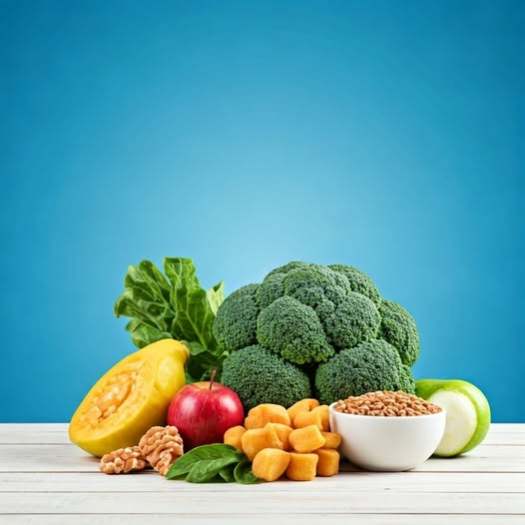
Probiotics are good bacteria that keep the gut healthy and help fight infections and #inflammation. Fermented foods like yogurt, pickles, sauerkraut, and sourdough bread are great sources: https://bit.ly/3zPQxl4#HarvardHealth
Who doesn’t want a healthy immune system? (Raise your hand. No one?) But did you know the role your diet plays in keeping it in top shape to protect you from toxins and infections? Sadly, too many of us don’t eat enough of the fresh fruits, vegetables and other foods we need to keep ourselves healthy year-round. Healthy foods provide many substances including vitamins and minerals to keep us strong and healthy. You can’t just eat an orange or grapefruit or pop a vitamin pill and expect one quick burst of vitamin C to prevent a cold and to boost your immune system. “A truly healthy immune system depends on a balanced healthy diet over time,” says registered dietitian Maxine Smith. “It’s like training for a battle and preparing your body ahead of time so it can through a good punch when attacked by viruses, bacteria and toxins. Other lifestyle practices such as regular exercise and good sleep will better prepare you for the battle.” With some exceptions, it’s best to get your vitamins and minerals from your food rather than in pill form. Smith shares some tips for some of the top vitamins and minerals your immune system needs to perform:
1. Vitamin C Vitamin C may help prevent infections or shorten their stay. Citrus fruits are a standout, but did you know there are other good sources? It’s true! Smith recommends the following: Spinach. Kale. Bell peppers. Brussels sprouts. Strawberries. Papaya. Fun fact: vitamin C is in so many foods that most people may not need to take supplements unless a doctor advises it. Consult with your doctor before taking any vitamin C supplements
2. Vitamin E Like vitamin C, vitamin E can be a powerful antioxidant that helps your body fight off infection. This important vitamin — part of nearly 200 biochemical reactions in your body — is critical in how your immune system functions. To get your vitamin E, think high-fat plant foods such as: Almonds. Peanuts/peanut butter. Sunflower seeds. Oils such as sunflower, safflower, and soybean oil. Hazelnuts.
3. Vitamin A#
Vitamin A is an infection-fighter and comes in two forms: preformed such as in animal foods such as fish, meat and dairy or from plant carotenoids. Tuna is a great source of preformed vitamin A. When it comes to carotenoids, go colorful: Carrots. Sweet potatoes. Pumpkin. Butternut squash. Cantaloupe. Dark green leafy vegetables.
4. Vitamin D Known as the sunshine vitamin, it’s one of the most important and powerful nutrients for supporting the immune system. Food sources are limited but include: Salmon. Mackerel. Tuna. Sardines. Vitamin D fortified like milk, orange juice and cereals. In general, it’s best to get most of your vitamins from food, but vitamin D may be the exception to that rule. Talk with your doctor to find out if you need a supplement.
5. Folate/folic acid Folate is the natural form and folic acid is the synthetic form, often added to foods because of its health benefits. To get more folate, add more beans and lentils to your plate on a regular basis, as well as leafy green vegetables. Avocado is another tasty source. You can also get folic acid in fortified foods (check the label first). Enriched pasta. Enriched bread. Enriched rice.
6. Iron Iron, which helps your body carry oxygen to cells, plays a part in many of the immune system processes. It comes in different forms. Your body can more easily absorb heme iron (aka iron from animal products), which is abundant in: Red meat (limit to smaller amounts and less often). Chicken. Turkey. Canned sardines. Oysters. Clams. Mussels. Canned light tuna. If you’re a vegetarian, have no fear. You can still find iron in: Beans. Broccoli. Kale. Iron-fortified cereals.
7. Selenium Selenium seems to have a powerful effect on the immune system being important for preventing infections. Animal foods are the best sources, with the exception of Brazil nuts, that offer a whopping greater than 100% daily value in one nut. However, too much can be a problem, so keep to no more than one to two of these in a day. Look for selenium in: Seafood (tuna, halibut, sardines). Meat and liver. Poultry. Cottage cheese.
8. Zinc Zinc is needed for the production of new immune system cells. It’s found primarily in animal foods but can be also found in some vegetarian food like. Oysters. Crab. Lean meats and poultry. Baked beans. Yogurt. Chickpeas. Choose frozen when you can’t get fresh Depending on where you live and what time of year it is, you can’t always get your hands on high-quality fresh produce. Keep in mind that buying frozen is a good option and can be quite convenient in our time-crunched world. Frozen food can still boost your immune system. “Manufacturers freeze frozen fruits and veggies at ‘peak’ ripeness, which means they’ll pack a similar nutritional value as their fresh counterparts,” she says. “Just choose plain frozen foods rather than those with added sugars or sodium.” Facebook Twitter
Multiple cardiac benefits result from frequent consumption of dark chocolates rich in flavanols, including our response to stress.
Recently when talking with my 7-year-old daughter, I asked her what was the best food she could eat for a snack. As the daughter of a cardiologist you may imagine that she would have been taught the enduring virtues of eating fruits and vegetables and how these are the best foods to use as snacks. She told me that my question was easy and replied, “the best snack is chocolate.” I asked her where she learned that and she told me her mother told her so. How can you really argue against that logic?
This question posed to my daughter then led to more investigation during my clinic. I asked many patients informally what were their favorite snacks. Since they were in a cardiologist’s office they would often say some sort of fruit or vegetable and then add they only consume it in a small quantity.
I then would ask, “now what really is your favorite snack?”
I particularly enjoyed the response of a couple in their mid 70s. I have seen both of them both for atrial fibrillation for over 5 years. She said, “my true favorite snack is chocolate.” Then almost immediately after, as if there was a sense of guilt in admitting this, she said, “but chocolate is healthy right? I try to eat dark chocolate.” Her husband laughed at her and said she eats more than dark chocolate. He then replied, “my favorite snack is anything you put in front of me.” In my informal poll of true favorite snacks, chocolate was mentioned in about two thirds of my patients. Most of my patients felt dark chocolate in particular was healthy.
Dark chocolate and other cocoa products have gained a lot of attention worldwide as dietary supplements to improve heath. These products are rich in in flavanols. Flavanols are felt to mediate some of the heart healthy properties of chocolate. Flavanols are also found in many other food sources felt to be heart healthy such as grapes, apples, blackberries, legumes, red wine, and green tea. But of all of these food sources, the relative concentration of flavanols is highest in chocolate. As you may have guessed, dark chocolate contains much higher concentrations of flavanols compared to milk or white chocolate. In some chocolates the production process all but eliminates flavanols.
What Are the Heart and Vascular Benefits of Eating Dark Chocolate?
Lower Blood Pressure. Consumption of cocoa increases nitric oxide, studies show. For a good review of benefits, see Cocoa and Cardiovascular Health. Nitric oxide is a naturally occurring chemical in our bodies. Nitric oxide acts on small receptors in our blood vessels and prompts the vessels to dilate. This process lowers blood pressure. High blood pressure as discussed in many of my prior columns is associated with many types of heart disease including heart failure, atrial fibrillation, and atherosclerosis. High blood pressure is also associated with cognitive decline, dementia, and stroke.
Coronary Artery Health and Stability. As our arteries become diseased from atherosclerosis, plaques grow and over time begin to impair blood flow. If the surface of these plaques becomes disrupted or inflamed the plaques may ulcerate. The body responds to the ulceration by forming a clot in an effort to heal the wound. This process can lead to a heart attack. Cocoa may help stabilize plaques and minimize their risk of rupture by reducing smooth muscle cell proliferation (a process that causes plaques to grow), platelet adhesion (a process that results in clot formation in the artery), and preventing leukocyte adhesion and migration (processes that causes these plaques to become inflamed and unstable).
Lower Cholesterol. People with elevated total cholesterol with increased levels of low-density lipoprotein (LDL) cholesterol have a higher risk of cardiac disease, in particular coronary atherosclerosis and heart attacks. Flavanols reduce cholesterol absorption in our gastrointestinal track and also the synthesis of LDL cholesterol, research shows. They may also help raise high-density lipoprotein (HDL) cholesterol, the part of our cholesterol that is felt to be protective of heart disease, a clinical trial reported. Lower LDL and higher HDL levels after cocoa consumption were seen in people with both normal cholesterol levels to begin with and those with elevated levels that needed treatment. Multiple medications reduce LDL cholesterol, but very few things and essentially no medications raise HDL cholesterol consistently.
Dark Chocolate Changes Our Body’s Response to Stress
My wife often says, “I eat chocolate when I am stressed.” As I mentioned in a prior column, stress and our response to it can be a very potent risks of heart disease. In this regard, what if chocolate can improve how we respond to stress?
This brings me to the newest study regarding dark chocolate that I found very interesting. When we are stressed our body signals out chemicals that raise our blood pressure and help us fight the stressor. These chemicals or hormones are stored in the brain (pituitary gland), the adrenal glands, and other parts of the nervous system. A rececent study looked at how the body responded to stress by measuring these chemicals (cortisol, epinephrine, adrenocorticotropic hormone [ACTH], and norepinephrine) in 31 men consuming dark chocolate (“Noir 72 percent”; Chocolat Frey AG, Buchs/Aargau, Switzerland) versus 34 men that received a placebo chocolate that did not contain flavanols. The men then underwent a significant stress.
The stress was a 5-minute mock job interview and then a 5-minute mental arithmetic task in front of an audience. It is probably easy for most of us to imagine feeling very stressed if we had to try to solve a complex math problem in our head in 5 minutes while others watched, or we had to receive an intense job interview.
What these researchers found about the effect of chocolate was significant. Those men consuming dark chocolate had lower levels of cortisol and epinephrine after the stress. Although their brain response to stress was similar (ACTH levels were identical in both groups) the body’s response to the brain signals of stress was blunted. In particular, the response of the adrenal gland, which produces cortisol, was much less. Less released cortisol and epinephrine with stress is important as these are strong stimulants of the heart and blood vessels. With repetitive stress over time, both the heart and blood pressure have be negatively effected. Finally, since the body response was less significant, men consuming dark chocolate reported having less feelings of stress during the process.
My daughter was right, dark chocolate or chocolate rich in flavanols is a healthy food choice. The benefits of dark chocolate need to be carefully considered with the calories consumed, but in general there are multiple heart-related advantages with frequent consumption. In addition, as my wife mentioned to me, dark chocolate also may help you deal with stress, not only how you perceive it mentally, but also how your body responds to it.
Everyone likes a bargain, and lap swimming is a good deal when it comes to exercise. Swimming is a remarkably effective workout because it combines three important types of exercise in one: aerobics, stretching, and strengthening. “Simply keeping yourself afloat activates the core muscles in your back and abdomen. And you have to move all of your muscles to swim,” says Leigh de Chaves, a physical therapist and clinical supervisor of rehabilitation services at Harvard-affiliated Brigham and Women’s Hospital. (She also swam competitively in college.)
Are you a good candidate for lap swimming?
Consider lap swimming if you’re generally healthy, you’re a good swimmer, and your doctor says it’s okay. It’s no problem if you’re not a fan of the crawl: “Any stroke is fine. The breast, side, and back strokes are often favored because a lot of people don’t like putting their face in the water, like you have to do with the crawl,” de Chaves says.
However, lap swimming might be not be doable if you have an underlying condition, such as heart disease or a seizure disorder, that puts you at risk for a life-threatening event in the water. You may also need to skip lap swimming if you’re not strong enough to climb in and out of the pool easily. And you should be careful if you have injuries to your shoulders or neck. Lap swimming may increase your pain.
Start your lap swimming routine slowly
A green light for a lap swimming routine doesn’t mean you should start with 20 laps. Ease into it. “Focus on the amount of time you spend swimming, at first. For example, swim for five or 10 minutes, a few times per week. Gradually increase the amount of time each week, and note how many laps you can do within that time. Eventually, set goals to increase your speed by doing more laps in your set time, so that you can measure your progress,” de Chaves explains.
A big payoff
Once you’re in the swim of things, you’ll notice lots of benefits to lap swimming. It’s easy on the joints, thanks to buoyancy in water, and it has a meditative quality that forces you to focus on your movement and breathing.
Lap swimming also
improves endurance and cardiovascular health
helps lower blood pressure
increases flexibility
helps you control your weight
boosts your balance
reduces fall risk
helps sharpen thinking
helps reduce stress.
Some dos and don’ts for lap swimming
De Chaves points out that it’s important to warm up your muscles before diving into a lap swimming workout. All it takes is a few minutes of gentle paddling, and then static stretches of your shoulder and leg muscles.
Some other dos and don’ts:
Do wear nonslip shoes or sandals when walking on the pool deck.
Don’t forget to apply sunscreen if you’re swimming outdoors.
Don’t forget to stay hydrated before and after a workout.
Don’t skip stretching your muscles after lap swimming. You’ll want to stay flexible so you can get back in the pool.
For the nonswimmers in the pool
If you’re not a lap swimmer, you can still benefit from aquatic exercises — exercising in the shallow end of a pool. You might take a class with a trainer who leads a group through a set of exercises with special water weights or flotation devices (like a pool noodle). Or you can simply try water walking; working against the resistance of the water is good for your muscles and bones.
“If you have balance problems, it’s a good idea to exercise with a friend who can assist you. I also recommend wearing a buoyancy belt around your waist to keep you upright,” de Chaves advises.
Look for aquatic exercise classes — such as strengthening or aerobics — at the local YMCA, a fitness center, or a community center.

About the Author
Heidi Godman, Managing Director
Heidi Godman directs all news gathering for Harvard Health Publishing, and also directs the curation and production of HHP’s four monthly subscription publications (the Harvard Health Letter, Harvard Heart Letter, Harvard Men’s Health Watch, and Harvard Women’s Health … See Full Bio
Wearing no clothes could lead to cooler skin temperatures that put ZZZs within reach
Many people believe they were born with the only pajamas needed for a good night’s sleep, but here’s the naked truth: No research directly confirms that sleeping in the buff leads to better slumber.
There is, however, some validity behind the idea of sleeping naked — namely regarding how a cooler skin temperature improves sleep quality.
So, should you consider stripping down at bedtime before sliding under the sheets? Let’s look at the potential benefits (and risks) with behavioral sleep disorders specialist Michelle Drerup, PsyD, DBSM.
Is sleeping naked better?
There are some possible perks to nude sleeping … so, maybe? Here are a few reasons why you might want to slip off your clothes before slipping off to sleep.
Falling asleep faster
Your body naturally works to lower its thermostat to doze off at night through its circadian rhythm, which regulates your sleep/wake cycle. The faster you cool off, the faster you typically catch some ZZZs, says Dr. Drerup.
That’s also one of the reasons why sleep experts recommended that you keep your bedroom temperature between 60 degrees Fahrenheit and 67 degrees Fahrenheit (15.5 degrees Celsius to 19.44 degrees Celsius) for optimal snoozing.
Improved sleep quality
Ever toss and turn in bed because you’re too hot? Sleeping naked certainly removes any possibility of pajama-induced overheating interfering with a good night’s rest. It’s the absolute final move in shedding layers to stay cool.
“There’s no question that cooler is better than warmer for overall sleeping,” says Dr. Drerup.
And getting enough rest is key to … well, just about everything in day-to-day life. Waking up refreshed can help you manage stress more effectively, improve focus, boost performance and make you a more pleasant person.
For women: reduced risk of yeast infections
Tight-fitting underwear can trap heat and moisture between your legs. What makes a yeast infection thrive? Yep — heat and moisture.
Sleeping naked (or even in loose-fitting cotton bottoms) allows for some air circulation around your vagina. Keeping the area cooler and drier may help reduce your chances of getting a yeast infection, too.
For men: potential fertility boost
Heat isn’t a friend of male fertility. Regular exposure to higher temperatures for your testicles can cause sperm counts to drop. Wearing underwear that keeps things packed tight doesn’t exactly offer a cooling effect.
Studies show that men who wear boxers have a higher sperm count than their buddies in briefs. So if loose-fitting boxes help that much, imagine what 8 hours of no clothing might do.
Reasons to keep your PJs on
Sleepwalkers may want to give the idea some extra thought to going au natural to avoid any potential awkward encounters, notes Dr. Drerup.
And if you’re not a fan of doing laundry, consider this: Your washing schedule for bedding may need to increase with more skin-to-sheet contact. (Gross fact: The skin cells you shed in a day can feed 1 million dust mites. You don’t want to turn your bed into their buffet.)
Can you be cool and clothed?
Going to bed “nearly” naked while wearing lightweight and loose-fitting garments can bring you similar quality sleep results as taking everything off. “Tank tops and boxer-style briefs don’t possess a ton of warming qualities,” says Dr. Drerup.
And while being cool is desirable for sleep, you also don’t want to be cold. There’s even evidence that wearing socks to bed to warm your tootsies can help you drift off to sleep.
So, which is it: off or on?
Ultimately, what you wear to sleep is a personal choice. “There’s no proven benefit or harm to sleeping naked,” says Dr. Drerup. “Just do what feels right and then rest easy with your decision.”
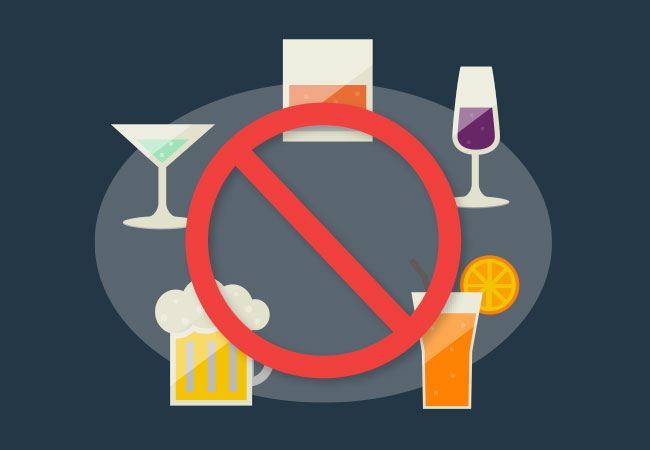
Even casual drinking can put your long-term health at risk. Our liver specialist explains the findings of this study.
New Study: No Level of Alcohol — Even Casual Drinking — Is Entirely Safe
Leading cause of death of those age 15-49
Stopping for happy hour with colleagues after work. Cracking open a cold beer (or two) while watching the game. Meeting up with girlfriends for a glass of pinot noir. Having an alcoholic beverage of choice is a common way to unwind. But according to a recent study, even casual drinking can put your long-term health at risk.
Liver specialist Jamile Wakim-Fleming, MD, did not take part in the study, but says the research found that alcohol was a leading risk factor for both disease and premature death.
“They found that alcohol was the seventh leading cause of death worldwide,” she says. “But even more alarming, is that it was the first leading cause of death of people between the ages of 15-49.”
What the study examined
The study looked at global data from hundreds of previous studies and found that for all ages, alcohol was associated with 2.8 million deaths each year.
Researchers found that alcohol-related cancer and heart disease, infectious diseases, intentional injury, traffic accidents and accidental injury were some of the leading causes of alcohol-related deaths.
But isn’t alcohol good for your heart?
Dr. Wakim-Fleming says people often believe that a little bit of alcohol, wine in particular, may be good for their heart. But the study results didn’t show any health benefit to drinking any amount of alcohol.
She says this information, along with previous research that has shown more young people are dying from alcohol-related liver disease, indicates that excessive drinking among young adults is a growing problem.
The damage grows over time
And like any substance-abuse problem, Dr. Wakim-Fleming says the damage to the body from alcohol increases over your lifespan.
“It’s a cumulative effect,” she explains. “If you do it all at once, then you’re going to have the effect now. If you drink on a regular basis, over years it’s going to be cumulative and you will end up with a problem later on.”
Dr. Wakim-Fleming notes that anything we do in life involves risk, but it’s important to know what the risks are so that we can make the best decisions for our health.