8 Vitamins & Minerals You Need for a Healthy Immune System @ClevelandClinic

Who doesn’t want a healthy immune system? (Raise your hand. No one?) But did you know the role your diet plays in keeping it in top shape to protect you from toxins and infections?
Sadly, too many of us don’t eat enough of the fresh fruits, vegetables and other foods we need to keep ourselves healthy year-round. Healthy foods provide many substances including vitamins and minerals to keep us strong and healthy. You can’t just eat an orange or grapefruit or pop a vitamin pill and expect one quick burst of vitamin C to prevent a cold and to boost your immune system.
“A truly healthy immune system depends on a balanced healthy diet over time,” says registered dietitian Maxine Smith. “It’s like training for a battle and preparing your body ahead of time so it can through a good punch when attacked by viruses, bacteria and toxins. Other lifestyle practices such as regular exercise and good sleep will better prepare you for the battle.” 
With some exceptions, it’s best to get your vitamins and minerals from your food rather than in pill form. Smith shares some tips for some of the top vitamins and minerals your immune system needs to perform:

1. Vitamin C
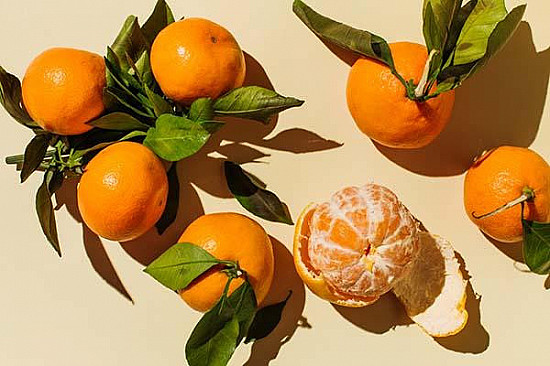
Vitamin C may help prevent infections or shorten their stay. Citrus fruits are a standout, but did you know there are other good sources? It’s true! Smith recommends the following:
Spinach.
Kale.
Bell peppers.
Brussels sprouts.
Strawberries.
Papaya. 
Fun fact: vitamin C is in so many foods that most people may not need to take supplements unless a doctor advises it. Consult with your doctor before taking any vitamin C supplements

2. Vitamin E
Like vitamin C, vitamin E can be a powerful antioxidant that helps your body fight off infection. This important vitamin — part of nearly 200 biochemical reactions in your body — is critical in how your immune system functions. To get your vitamin E, think high-fat plant foods such as:
Almonds.
Peanuts/peanut butter.
Sunflower seeds. 
Oils such as sunflower, safflower, and soybean oil.
Hazelnuts.

3. Vitamin A#

Vitamin A is an infection-fighter and comes in two forms: preformed such as in animal foods such as fish, meat and dairy or from plant carotenoids. Tuna is a great source of preformed vitamin A. When it comes to carotenoids, go colorful
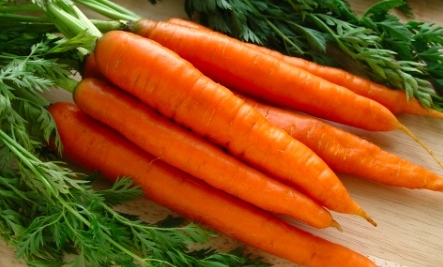
Carrots.
Sweet potatoes.
Pumpkin.
Butternut squash.
Cantaloupe.
Dark green leafy vegetables.

4. Vitamin D
Known as the sunshine vitamin, it’s one of the most important and powerful nutrients for supporting the immune system. Food sources are limited but include:  
Salmon. 
Mackerel.
Tuna.
Sardines.
Vitamin D fortified like milk, orange juice and cereals. 
In general, it’s best to get most of your vitamins from food, but vitamin D may be the exception to that rule. Talk with your doctor to find out if you need a supplement. 

5. Folate/folic acid
Folate is the natural form and folic acid is the synthetic form, often added to foods because of its health benefits. To get more folate, add more beans and lentils to your plate on a regular basis, as well as leafy green vegetables. Avocado is another tasty source. You can also get folic acid in fortified foods (check the label first).
Enriched pasta.
Enriched bread.
Enriched rice.

6. Iron
Iron, which helps your body carry oxygen to cells, plays a part in many of the immune system processes. It comes in different forms. Your body can more easily absorb heme iron (aka iron from animal products), which is abundant in:
Red meat (limit to smaller amounts and less often).
Chicken.
Turkey.
Canned sardines.
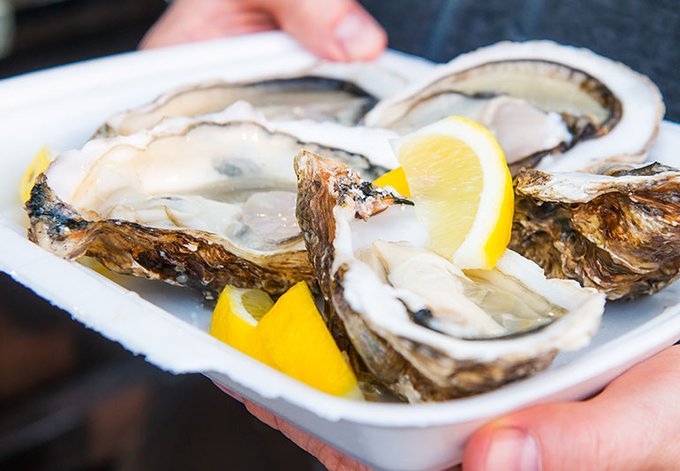
Oysters.
Clams.
Mussels.
Canned light tuna.
If you’re a vegetarian, have no fear. You can still find iron in:
Beans.
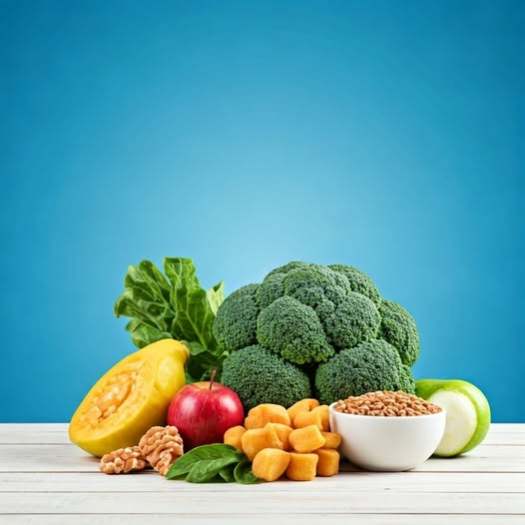
Broccoli.
Kale.
Iron-fortified cereals.

7. Selenium
Selenium seems to have a powerful effect on the immune system being important for preventing infections. Animal foods are the best sources, with the exception of Brazil nuts, that offer a whopping greater than 100% daily value in one nut. However, too much can be a problem, so keep to no more than one to two of these in a day. Look for selenium in: 
Seafood (tuna, halibut, sardines).
Meat and liver.
Poultry.
Cottage cheese.

8. Zinc
Zinc is needed for the production of new immune system cells. It’s found primarily in animal foods but can be also found in some vegetarian food like.  
Oysters.
Crab.
Lean meats and poultry.
Baked beans.
Yogurt.
Chickpeas.
Choose frozen when you can’t get fresh
Depending on where you live and what time of year it is, you can’t always get your hands on high-quality fresh produce. Keep in mind that buying frozen is a good option and can be quite convenient in our time-crunched world. Frozen food can still boost your immune system. 
“Manufacturers freeze frozen fruits and veggies at ‘peak’ ripeness, which means they’ll pack a similar nutritional value as their fresh counterparts,” she says. “Just choose plain frozen foods rather than those with added sugars or sodium.”​


Facebook

Twitter

What’s causing your shoulder pain? 3 causes and fixes.@ClevelandClinic

cleveland shoulder pain

Shoulder pain, stiffness or weakness can make it difficult to carry out everyday tasks, like reaching for something on a high shelf, driving a car or brushing your hair. If you have pain that won’t go away, it’s time to see a doctor.

There are a number of possible causes of shoulder pain, but the most common causes of shoulder pain are rotator cuff injuries, rotator cuff tears and osteoarthritis, says orthopaedic surgeon Mark Schickendantz, MD.

1. Rotator cuff injuries

The rotator cuff is a group of four muscles and their tendons that surround the shoulder joint, and connect the shoulder blade to the upper arm bone. Bursae, small sacs near the joint, provide lubricating fluid that decreases friction among the bones, tendons and ligaments.

Rotator cuff problems occur through overuse, and they include tendonitis, strains and partial and complete tears of the tendon.

Tendonitis is when the rotator cuff tendon becomes inflamed and irritated; bursitis is when the bursae swell. Tendonitis and bursitis cause pain in the front and side of the shoulder, and you might also feel some stiffness.

“These two conditions can occur with activities that involve using your arms overhead, like tennis, yoga or painting a room,” Dr. Schickendantz says. “Often the pain will be worse at rest and improve with activity.”

Treatment involves rest, applying ice, and taking nonsteroidal anti-inflammatory drugs (NSAIDs), such as ibuprofen, which is sold under the brand names Advil and Motrin, or naproxen, which is sold under the brand name Aleve. After a few weeks, most people with tendonitis recover, Dr. Schickendantz says.

2. Rotator cuff tears

If you experience shoulder pain at night that makes it difficult to fall asleep or awakens you, you may have a tear in one or more of the rotator cuff tendons.

“Night pain is the hallmark of a rotator cuff injury,” Dr. Schickendantz says.

You also may have this type of injury if you feel pain when lifting your arm overhead and weakness in the shoulder when trying to lift anything above shoulder level.

A rotator cuff tendon can tear from a single event, like falling down on an outstretched arm. It also can happen from a motion that is repeated over time. For example, a plumber who frequently uses his or her arms overhead can develop a rotator cuff tear. The rotator cuff also can weaken with age.

Treatment is rest, avoiding aggravating activities, physical therapy, applying ice, and NSAIDs. Some people with more severe pain may be helped with a corticosteroid injection, which is a powerful anti-inflammatory medication.

“I usually reserve the use of corticosteroids for someone who has severe night pain and is not responding well to oral medications,” Dr. Schickendantz says.

Surgery to repair the rotator cuff tendon is an option if these measures don’t give relief.

3. Osteoarthritis

Osteroarthritis happens when cartilage, which is the cushioning material that covers the ends of your bones, deteriorates, which leads to pain and stiffness.

Osteoarthritis causes a deep ache in the back of the shoulder. As osteoarthritis worsens, stiffness in the shoulder develops. People with osteoarthritis typically lose the ability reach behind their back.

“Patients often say they are unable to scratch their back or thread a belt,” Dr. Schickendantz says.

Osteoarthritis symptoms develop over time. For some people, an old shoulder injury from sports or some other activity, may kick off the degenerative process that years later results in osteoarthritis. But many people have no specific cause — it’s just wear and tear over time.

Treatment for osteoarthritis of the shoulder is similar to treatment for a rotator cuff tear, involving physical therapy, NSAIDs and ice. If the condition is severe, you can undergo shoulder joint replacement surgery, which is similar to joint replacement for hips and knees.

8 Vitamins & Minerals You Need for a Healthy Immune System @ClevelandClinic

Who doesn’t want a healthy immune system? (Raise your hand. No one?) But did you know the role your diet plays in keeping it in top shape to protect you from toxins and infections?
Sadly, too many of us don’t eat enough of the fresh fruits, vegetables and other foods we need to keep ourselves healthy year-round. Healthy foods provide many substances including vitamins and minerals to keep us strong and healthy. You can’t just eat an orange or grapefruit or pop a vitamin pill and expect one quick burst of vitamin C to prevent a cold and to boost your immune system.
“A truly healthy immune system depends on a balanced healthy diet over time,” says registered dietitian Maxine Smith. “It’s like training for a battle and preparing your body ahead of time so it can through a good punch when attacked by viruses, bacteria and toxins. Other lifestyle practices such as regular exercise and good sleep will better prepare you for the battle.” 
With some exceptions, it’s best to get your vitamins and minerals from your food rather than in pill form. Smith shares some tips for some of the top vitamins and minerals your immune system needs to perform:

1. Vitamin C
Vitamin C may help prevent infections or shorten their stay. Citrus fruits are a standout, but did you know there are other good sources? It’s true! Smith recommends the following:
Spinach.
Kale.
Bell peppers.
Brussels sprouts.
Strawberries.
Papaya. 
Fun fact: vitamin C is in so many foods that most people may not need to take supplements unless a doctor advises it. Consult with your doctor before taking any vitamin C supplements

2. Vitamin E
Like vitamin C, vitamin E can be a powerful antioxidant that helps your body fight off infection. This important vitamin — part of nearly 200 biochemical reactions in your body — is critical in how your immune system functions. To get your vitamin E, think high-fat plant foods such as:
Almonds.
Peanuts/peanut butter.
Sunflower seeds. 
Oils such as sunflower, safflower, and soybean oil.
Hazelnuts.

3. Vitamin A#

Vitamin A is an infection-fighter and comes in two forms: preformed such as in animal foods such as fish, meat and dairy or from plant carotenoids. Tuna is a great source of preformed vitamin A. When it comes to carotenoids, go colorful
Carrots.
Sweet potatoes.
Pumpkin.
Butternut squash.
Cantaloupe.
Dark green leafy vegetables.

4. Vitamin D
Known as the sunshine vitamin, it’s one of the most important and powerful nutrients for supporting the immune system. Food sources are limited but include:  
Salmon. 
Mackerel.
Tuna.
Sardines.
Vitamin D fortified like milk, orange juice and cereals. 
In general, it’s best to get most of your vitamins from food, but vitamin D may be the exception to that rule. Talk with your doctor to find out if you need a supplement. 

5. Folate/folic acid
Folate is the natural form and folic acid is the synthetic form, often added to foods because of its health benefits. To get more folate, add more beans and lentils to your plate on a regular basis, as well as leafy green vegetables. Avocado is another tasty source. You can also get folic acid in fortified foods (check the label first).
Enriched pasta.
Enriched bread.
Enriched rice.

6. Iron
Iron, which helps your body carry oxygen to cells, plays a part in many of the immune system processes. It comes in different forms. Your body can more easily absorb heme iron (aka iron from animal products), which is abundant in:
Red meat (limit to smaller amounts and less often).
Chicken.
Turkey.
Canned sardines.
Oysters.
Clams.
Mussels.
Canned light tuna.
If you’re a vegetarian, have no fear. You can still find iron in:
Beans.
Broccoli.
Kale.
Iron-fortified cereals.

7. Selenium
Selenium seems to have a powerful effect on the immune system being important for preventing infections. Animal foods are the best sources, with the exception of Brazil nuts, that offer a whopping greater than 100% daily value in one nut. However, too much can be a problem, so keep to no more than one to two of these in a day. Look for selenium in: 
Seafood (tuna, halibut, sardines).
Meat and liver.
Poultry.
Cottage cheese.

8. Zinc
Zinc is needed for the production of new immune system cells. It’s found primarily in animal foods but can be also found in some vegetarian food like.  
Oysters.
Crab.
Lean meats and poultry.
Baked beans.
Yogurt.
Chickpeas.
Choose frozen when you can’t get fresh
Depending on where you live and what time of year it is, you can’t always get your hands on high-quality fresh produce. Keep in mind that buying frozen is a good option and can be quite convenient in our time-crunched world. Frozen food can still boost your immune system. 
“Manufacturers freeze frozen fruits and veggies at ‘peak’ ripeness, which means they’ll pack a similar nutritional value as their fresh counterparts,” she says. “Just choose plain frozen foods rather than those with added sugars or sodium.”​


Facebook

Twitter

Recipe: Blueberry-Walnut Pancakes

Grain-free, sugar-free and dairy-free

Do you miss seeing a stack of pancakes on the brunch table? Now you don’t have to. These grain-free, sugar-free, dairy-free pancakes are the perfect guilt-free treat. They’re easy to make, and the whole family will love them. Yum!

Ingredients

3 large omega-3 eggs
¾ cup almond milk
½ tablespoon freshly squeezed lemon juice
1 teaspoon pure vanilla extract
½ cup coconut flour
½ teaspoon baking powder
½ teaspoon baking soda
Pinch of sea salt
¼ cup roughly chopped walnuts
coconut oil, for greasing the skillet (about ¼ cup)
1 pint fresh blueberries
½ cup arrowroot
1 teaspoon cinnamon

Directions

  1. In a large bowl, whisk the eggs and then add the almond milk, lemon juice, and vanilla. Whisk until well-blended. In a separate bowl, mix together the coconut flour, cinnamon, baking powder, baking soda, salt and arrowroot. Add the dry ingredients to the wet mixture, ¼ cup at a time, while continuously whisking. Once combined, gently fold in the walnuts.
  2. Grease a large skillet and place over medium heat. Once the skillet is hot, use a ladle to pour 3-inch pancakes onto the skillet. Cook until bubbles appear, then flip. The pancake should cook on each side for about 2-3 minutes. Repeat with rest of the batter. Add a tablespoon or more of coconut oil to the hot griddle, as needed.
  3. Make a blueberry sauce by simmering the blueberries in a small saucepan with 2 tablespoons of water for 10 minutes before serving.
  4. To serve, place 3 pancakes on a plate and top each stack with the blueberry sauce.

Nutritional information (per serving)

Makes 2-3 servings.

Calories 423
Total Fat 19 g
Protein 12 g
Fiber 14 g
Sugar 14 g
Sodium 416 mg

— Recipe courtesy of Mark Hyman, MD