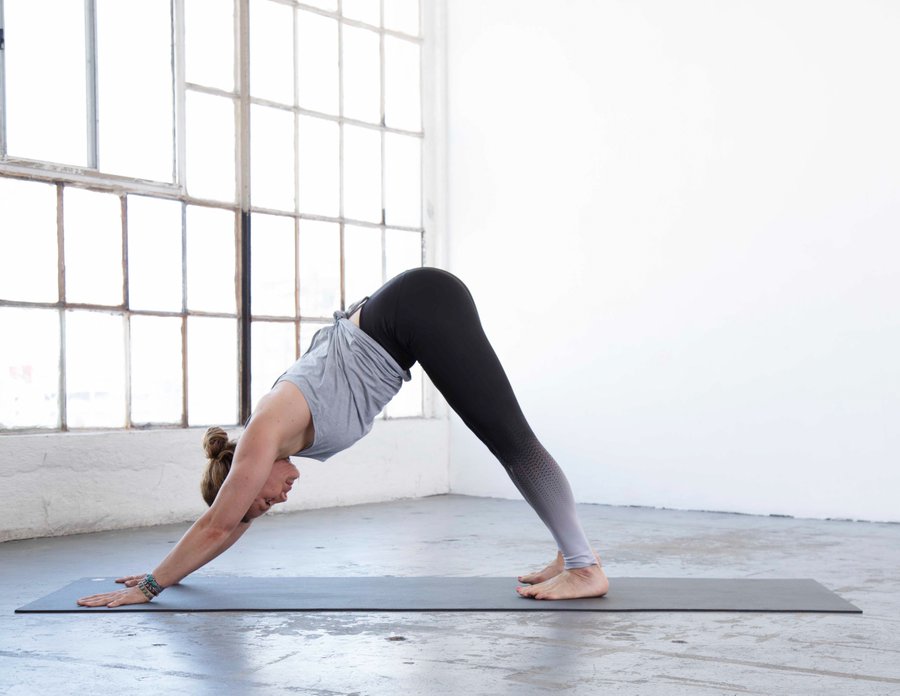
Will you downward dog today? As you grow your practice, your comfortability with downward dog will also grow! It is a full body strengthener and stimulates blood circulation. Eventually, dogward dog becomes a resting pose to help reconnect with your breath. : @MiaTogo
Skimping on sleep can raise the risk of many health problems and leave you prone to accidents.
Sleep experts say we should get at least seven hours of slumber each night. But as many as one in three Americans routinely sleeps for less than six hours—a trend that can have serious health ramifications.
A single night of poor sleep can leave you feeling cranky and unmotivated. You may be too tired to work efficiently, to exercise, or to eat healthfully. And over time, continued sleep deprivation raises the risk for a number of chronic health problems, including obesity, diabetes, high blood pressure, and heart disease. Insufficient sleep can also leave you more vulnerable to mental health issues such as depression and anxiety. There’s even some evidence that insufficient sleep makes your more prone to the common cold if you’re exposed to the cold virus.
In rare cases, insufficient sleep can even more dangerous. A sleep shortfall can lead to daytime drowsiness and “microsleeps.” Microsleeps are brief bouts of sleep that occur during the day that usually last just a few seconds. If you’ve ever briefly nodded off while sitting through a lecture, you’ve experienced a microsleep. They usually last just a few seconds but can go on for 10 or 15 seconds—and pose a grave danger if they happen while you’re driving.
During a microsleep, your brain does not respond to noise or other sensory inputs, and you don’t react to things happening around you. Because people are poor judges of when microsleeps will occur (and are equally poor at preventing them), they’re a major factor in many motor vehicle accidents. One in 24 American drivers admitted to falling asleep while driving at least once in the previous month, according to a government report. The National Department of Transportation estimates that each year, drowsy driving is responsible for 1,550 fatalities and 40,000 nonfatal injuries in the United States.
So how do you combat insuficient sleep? The best solution is to figure out how many hours of sleep are right for you and then stick with it—even on weekends, holidays, and vacations. Basic lifestyle changes that promote sleep can also help. Exercise, avoiding caffeine, and practicing good sleep hygiene are some of the ways to get your best rest.
Taking short breaks throughout the day is beneficial for your mental health. Cleveland Clinic Yoga Program Manager, Judi Bar, shares stretches you can do wherever you are. #NationalYogaMonthpic.twitter.com/hIdb9GQkQO
Did you know Greek yogurt has almost twice as much protein as other yogurts? It takes longer to leave your stomach, keeping you satisfied longer. Plus, you burn more calories digesting protein than carbs. https://wb.md/3BbzYB7
Ironically, not every pear is “pear-shaped.” One variety, Asian pears, is actually shaped like an apple. But no matter their shape, all pears are rich in disease-fighting nutrients.
“Pears are so healthy, and most people tolerate them very well,” says registered dietitian Beth Czerwony, RD, LD. “They’re terrific for your digestion and have other impressive health benefits. They’re a perfect snack if you’re craving something sweet.”
Types of pears
Pears are members of the Rosaceae plant family, along with apples, apricots, cherries, peaches and several other fruits and berries. Pears can range in texture, color, crispness, juiciness and sweetness. Common varieties you may find in the grocery store include:
Anjou (green or red).
Asian.
Bartlett.
Bosc.
Comice.
Concorde.
Forelle.
Seckel.
Starkrimson.
Health benefits of pears
Are pears good for you? Absolutely. Pears are a great source of antioxidants, fiber, potassium and vitamin C. But they’re not just full of nutrients — they also may lower your risk of some diseases. Here are five ways pears boost your health.
1. A nutritious source of vitamins and minerals
Like most fruit, pears are a source of good nutrition. One medium pear has approximately:
Nobody enjoys the dreaded crash that happens after sugary foods spike your blood glucose. Steady blood sugar means a steady supply of energy, which is healthier for your body. Blood sugar management is even more important if you have diabetes.
Czerwony says pears may help stabilize blood sugar and even reduce your risk of Type 2 diabetes. How? Fiber, for starters. A medium pear offers nearly one-quarter of the fiber you need in a day. Fiber helps keep blood sugar steadier by slowing your body’s absorption of sugar.
Pears also contain anthocyanin, an antioxidant. An observational study suggests a link between eating anthocyanin-rich foods and a lower risk of Type 2 diabetes.
Another study showed that eating pears could significantly lower your odds of developing Type 2 diabetes. For each serving of pears eaten per week, researchers found a 3% lower risk of Type 2 diabetes.
In addition, pears are a low-glycemic food, which means they won’t spike your blood sugar like sugary foods and some fruits can.
3. Relieves constipation and improves digestive health
Fiber adds bulk to and softens your stool, which helps things move along in your gut. Lots of foods contain fiber, but pears are a particularly excellent source.
A single pear contains 6 grams of fiber (more than 20% of what an adult needs in a day). And pectin, a type of fiber in pears, has some specific benefits. Pectin is a soluble fiber known to help:
Constipation: In a study of 80 people with constipation, pectin significantly improved food movement through their digestive systems and reduced symptoms.
Gut microbiome: Pectin promotes the growth of good bacteria in your colon, according to a review of several studies, helping your microbiome stay healthy.
To reap the fibrous benefit of pears, don’t skip the skin. “Pear skin contains a significant amount of the fruit’s total fiber content,” notes Czerwony.
4. Lowers inflammation
Inflammation happens when your immune system tries to protect you from something — an infection, a toxin or some other offender. Some temporary inflammation is actually a healthy response to these things. But when inflammation hangs around, it can contribute to diseases such as Alzheimer’s, asthma, cancer and Type 2 diabetes.
Antioxidants are nutrients that can prevent some of the cell damage that leads to inflammation. Pears are rich in powerful types of antioxidants called flavonoids.
Research shows that flavonoids can reduce inflammation and lower the risk of:
Potassium, known to help reduce high blood pressure — another risk factor for heart disease.
In addition, a study examining the effects of fruit and vegetable consumption suggests eating pears lowers your risk of stroke. And one large clinical trial showed a link between eating pears and a lower risk of dying from heart disease.
Are fresh, canned or frozen pears better?
“In general, fresh fruits are best because they have the highest amount of nutrients,” explains Czerwony. “Frozen is usually a close second to fresh. The heat of canning, though, can break down certain nutrients.”
But don’t avoid canned pears completely. They’re still good for you. She advises looking for pears in water rather than syrup, which adds unneeded sugar.
“You might be surprised by what you can do with fresh pears,” she adds. “Think of how you use apples — sliced raw, in pies or baked — and you can do all those things with pears.”
Will you downward dog today? As you grow your practice, your comfortability with downward dog will also grow! It is a full body strengthener and stimulates blood circulation. Eventually, dogward dog becomes a resting pose to help reconnect with your breath. : @MiaTogo
Taking short breaks throughout the day is beneficial for your mental health. Cleveland Clinic Yoga Program Manager, Judi Bar, shares stretches you can do wherever you are. #NationalYogaMonthpic.twitter.com/hIdb9GQkQO
Set a date, avoid triggers, and get help and support along the way
Looking to take on a sobriety challenge, like Dry January? Or maybe it’s a pregnancy that made you realize it’s time to stop drinking. Or maybe you’re just looking to improve your health, wake up hangover-free and give your liver (and your heart) a break.
“Increasingly, I’m hearing from a lot of people who don’t necessarily have alcohol use disorder but who realize that they feel better when they drink less or stop drinking altogether,” says addiction psychiatrist David Streem, MD.
But you probably have questions about how to quit drinking. Is it better to wean off gradually? Go cold turkey? How will you keep up a sober lifestyle?
Whether you’re sober curious, know for sure you’re ready to quit, or fall somewhere in between, Dr. Streem shares advice for how to stop drinking. If you’re living with alcohol use disorder (also known as alcoholism), you’ll likely benefit from additional medical interventions. We’ll talk about that, too.
Tips for quitting alcohol
When you consider how to go about giving up alcohol, account for factors like how much you drink and your reasons for drinking.
“At its core, quitting drinking is a behavioral change,” Dr. Streem says. “It’s about breaking a habit and starting new habits.”
But if you’re living with alcohol use disorder, drinking is more than a habit. It’s a medical condition. People with alcohol use disorder can’t stop drinking even when it causes problems, like emotional distress or physical harm to themselves or others.
“If you drink every day — if you crave alcohol and have a compulsion to continue drinking even when the effects of alcohol are obvious — it’s best to seek medical treatment rather than stop drinking on your own,” Dr. Streem advises. “In many cases, it may not be safe for someone with alcohol use disorder to stop drinking without professional support, and you’re less likely to be successful on your own, too.”
1. Understand your relationship with alcohol
In order to change your drinking habits, your first step is to take a close look at your current behaviors and find patterns.
Dr. Streem suggests starting with the World Health Organization’s Alcohol Use Disorders Identification Test (AUDIT). It can be a particularly helpful way to help you get a clearer understanding of your drinking habits and your relationship with alcohol. It’s a 10-question screening test that gives you research-backed, personalized advice for quitting or reducing your intake of alcohol.
Making lists can help, too. Ask yourself questions like:
How often am I drinking? And how much at a time?
In what situations or moods am I more likely to drink?
Who do I typically drink with?
What days and times of day am I most likely to drink?
Why do I drink?
How is alcohol affecting my life? My health? My relationships? My work?
Laying it all out in black and white can take time and some serious self-examination. That’s OK. Understanding your habits and your motivations to quit drinking can help you understand the change you’re making in your life and reinforce why it’s important.
2. Set a date (and stick to it)
Dr. Streem says that if your goal is to stop drinking altogether, you’re more likely to have success quitting all at once, rather than weaning off alcohol. But that advice changes if you’re living with alcohol use disorder.
“If a person with alcohol use disorder stops drinking suddenly, it can be dangerous,” Dr. Streem reiterates. “If you’re choosing to quit drinking for your health or for other reasons, though, you have a better chance of success if you choose a date to quit and don’t look back.”
He suggests setting a concrete start date for when you’ll quit drinking. Leading up to that date, talk with your family, friends and other important people in your life. Tell them your plan and ask for their support as you make this life change.
3. Be aware of your triggers
We all become conditioned to have certain responses to triggers throughout our lives. It’s normal for certain stimuli to cause a reaction in your mind and body without even being aware of it.
You smell a pot of chili simmering on the stove and then suddenly feel ravenously hungry. You feel your phone vibrate and then anxiously reach to see who texted. Even dogs do it — you say “walk” and they high-tail it to get their leash.
Drinking works in a similar way, Dr. Streem says. You can become conditioned to reach for a drink when your environment offers up certain cues.
So, when you’re trying to quit drinking, steering clear of triggers will help.
There’s a saying in the Alcoholics Anonymous (AA) community that sums up the triggers that can derail sobriety: “people, places and things.” And it’s not only people in recovery from alcohol use disorder who are well-advised to avoid drinking triggers when trying to quit.
People: If there are certain friends or other people in your life that you typically drink with, you may want to take some time away from them while you’re working on creating new, sober habits. At least, let them know your intentions to quit drinking so they can be supportive.
Places: Here’s another AA saying: “If you hang out in a barbershop long enough, you’re going to get a haircut.” In other words, if you go places where the alcohol is flowing — like bars or house parties — chances are, you’re going to drink. It’s almost inevitable. When you’re cutting alcohol out of your life, you’re best off if you can avoid places where alcohol is abundant.
Things: As you prepare for the date you set to quit drinking, Dr. Streem advises getting rid of all alcohol and drinking accessories (wineglasses, tumblers, flasks, cocktail recipes and so on) — the ol’ “out of sight, out of mind” technique. These physical reminders of drinking can prompt a trigger response that can be counterproductive to your goal of quitting drinking.
4. Find community
A sober life doesn’t have to mean more time at home as you try to block out triggers. It can mean more time for your other interests, and even new interests. More time to meet new people, catch up with old friends and try new things.
Try these alcohol-free ways to enjoy time with new (and old) friends:
Suggest going for a bike ride with a co-worker instead of hitting up happy hour.
Catch up with friends at a coffee shop instead of a club. (It’s easier to have a conversation that way, too!)
Enroll in a class: Try ballroom dancing, knitting, creative writing … whatever piques your interest.
Join a volunteer group.
5. Consider professional support
Talk therapy is an important part of treatment for alcohol use disorder, but Dr. Streem says just about anyone who is making a life change, like quitting drinking, can benefit from therapy.
“You may learn things about yourself and about your relationship to this substance that you never even thought about,” he adds.
Therapy can help you understand why you drink and learn new habits so you can live a healthy lifestyle that doesn’t rely on alcohol as a crutch. It can also help you gain a new perspective as you consider how your life will change without alcohol.
6. Check in with your body for signs of detox
If your body is used to a certain amount of alcohol, you may feel certain effects when you stop. How you feel when you stop drinking is largely based on how often and how heavily you drink. People who only drink occasionally probably won’t notice any physical or psychological symptoms. If you drank heavily, you may have some mild symptoms. People who have a severe reaction to quitting alcohol should seek emergency treatment.
Emotionally, you may feel some anxiety or sadness about ending a chapter of your life and nervousness about the future. You may feel irritable or have trouble thinking clearly.
Physically, people who drink heavily may experience some mild symptoms like:
Headaches.
Clammy skin.
Trouble sleeping.
Nausea or lack of appetite.
Shakiness.
Again, severe alcohol withdrawal symptoms, including pain, passing out, hallucinations and more may be a sign that you’re living with alcohol use disorder and should seek professional medical intervention before quitting alcohol.
Recognize the signs of alcohol use disorder
If you’re living with alcohol use disorder, quitting drinking is important for your health. But quitting on your own can pose risks to your health and is unlikely to be successful. Rehabilitation facilities can help you on your path to sobriety by addressing alcohol withdrawal symptoms and becoming involved in sober living support groups, like AA.
But Dr. Streem knows that it can be hard to recognize signs of alcohol abuse in ourselves. Often, people with alcohol use disorder find that other people in their lives spot their addiction long before they do.
“If there are people around you who are encouraging you to make this change, that should be a big red flag that your alcohol use is problematic,” he says. “People often see us better than we see ourselves, so if someone is telling you that you need to stop drinking, that should be taken seriously.”
Another clue that can be an indication of an unhealthy relationship with alcohol is if you make “rules” around drinking.
“If you say things like, ‘I don’t have a drinking problem because I never drink on Mondays,’ or, ‘I only drink X or Y … never Z,’ and so on, that can be an indication of alcohol use disorder,” Dr. Streem says. “Rules are a way of trying to create an illusion of control when you are, in fact, out of control. People who don’t have an alcohol use disorder don’t make rules about drinking. They don’t have to.”
Other signs of alcohol use disorder include:
Continuing to drink even if it causes distress or harm to you or others.
Drinking more or longer than you planned.
Feeling irritable or cranky when you’re not drinking.
Frequent hangovers.
Getting into dangerous situations when you’re drinking (for example, driving, having unsafe sex or falling).
Giving up activities so you can drink.
Having cravings for alcohol.
Having repeated problems with work, school, relationships or the law because of drinking.
Needing to drink more and more to get the same effect.
Not being able to stop drinking once you’ve started.
Spending a lot of time drinking or recovering from drinking.
Wanting to cut back but not being able to.
Obsessing over alcohol.
If you’re living with alcohol use disorder, treatment at a medical rehabilitation facility is your best option. Through therapy, support groups and medication, you’ll be supported on your path to recovery.
Cleveland Clinic is a non-profit academic medical center. Advertising on our site helps support our mission. We do not endorse non-Cleveland Clinic products or services.








 Healthaware