Dry Needling: How This Time-Tested Method Sticks it to Muscle Pain
Dry needling for acute or chronic pain targets trigger points that develop within stressed muscles. The needle can stimulate them to release so that the muscle can return to normal mobility with less…
You likely know that drinking alcohol too often or to excess isn’t a good idea, health-wise. But when it comes to alcohol and heart health, you may have heard different sides. Is drinking all that bad for your heart? Can a glass of wine help reduce your risk of heart disease — or make it worse?
First things first: If you drink alcohol, you should do so in moderation to avoid alcohol-related heart issues. And you should never intentionally use alcohol to try to reduce your risk of heart disease.
To further explore the relationship between your ticker and your favorite glass of merlot or IPA, we chatted with cardiologist Leslie Cho, MD.
Ways alcohol can impact heart health
Here are some of the effects of alcohol on your heart:
Increased heart rate
One of the most important things your heart does is keep a rhythm. On average, a regular heart rate is about 60 to 100 beats per minute when your body is at rest. But alcohol can lead to your heart rate temporarily jumping up in speed, and if it goes over 100 beats per minute, it can cause a condition called tachycardia. Too many episodes of tachycardia could lead to more serious issues like heart failure or going into irregular rhythms, which can cause heart attack and stroke.
Raises blood pressure
That fourth drink at the bar may feel like it’s relaxing you, but it’s actually affecting your body differently than you might think. Alcohol can affect your blood pressure, causing it to go up temporarily. This is especially true when you engage in binge drinking (that’s defined as four or more drinks within two hours for women and people assigned female at birth, and five or more drinks within two hours for men and people assigned male at birth).
And sure, we’ve all had a night here or there where we’ve had one too many and we know it. But it’s important to make sure those nights of overindulgence are the exception and not the rule. If you’re not sure, make a note to tune into how much you’re having over the course of the next month or so. If it’s more than recommended, try to consciously pace your drinking to help reduce the spike in your blood pressure that excessive alcohol causes.
And if you have a history of high blood pressure, it’s best to avoid alcohol completely or drink only occasionally, and in moderation.
Irregular heartbeat
Whether it’s a glass of red wine with your turkey or toasting champagne for the new year, alcohol definitely becomes more present during the holiday season. And while enjoying celebratory spirits in moderation is alright for most people, it’s important to be aware you can fall victim to holiday heart syndrome if you overdo it. This is when overeating and overindulging in alcohol lead to an irregular heartbeat.
Holiday heart syndrome can happen if you don’t typically drink alcohol, but then have a few at a holiday party or if you binge drink. This can cause you to develop an irregular heartbeat, called atrial fibrillation, which can increase your risk of stroke, heart attack and heart failure.
Prolonged drinking can cause alcoholic cardiomyopathy
The short-term effects of alcohol (headache, nausea, you know the rest) are easy to pinpoint. But there are ways that alcohol affects your body over time that are important to understand. One of the long-term effects of alcohol on your heart is alcoholic cardiomyopathy. This is when your heart-pumping function gets weaker and your heart gets larger due to changes from heavy alcohol use over a long period of time.
OK, don’t panic. If you’re an occasional drinker, there’s no cause for worry. But it may be worthwhile learning about what counts as binge drinking and whether or not you may be drinking too much and don’t even know it.
Is some level of alcohol safe or beneficial?
It’s true, red wine is a better choice than hard liquor. But can a trip to the wine bar boost your heart health?
You should never consider wine or any other alcohol as a way to lower your heart disease risk. And, in fact, the study also showed that drinking one or fewer drinks per day was related to the lowest likelihood of dying from a stroke. However, Dr. Cho points out that more recent data shows that there may be no amount of alcohol that is truly safe. “The myth that wine is beneficial for heart health is no longer true,” she states.
“It’s not a good idea to start drinking alcohol in an effort to lower your risk of heart disease,” Dr. Cho continues. “It’s better not to drink any alcohol at all.”
It’s also important to know that the ways in which alcohol affects your heart will vary from person to person, depending on your age and other conditions you may have.
Age
Let’s face it, a hangover in your mid-40s doesn’t feel the same as one in your early 20s. This is because your age plays a factor in how well you tolerate alcohol. While some people develop a tolerance to alcohol over time, this isn’t true for everyone — and this ability doesn’t last forever, Dr. Cho notes.
“As we get older, our ability to clear alcohol definitely decreases and our sensitivity to alcohol probably increases,” she explains. “Also as we get older, we end up having more diseases, so we could be on medicines that can interfere with the way our bodies metabolize alcohol.”
Other medical conditions
In many ways, your medical history (and present) can tell you a lot about your future with alcohol. That means, if you’re living with other medical conditions and/or taking certain medications, this will all have an impact on how alcohol affects you.
“Certain health conditions can make drinking alcohol more dangerous,” Dr. Cho says.
For example, some people who are on cholesterol-lowering medicines may experience muscle aches when they drink alcohol. Because alcohol and cholesterol medicine both are processed through your liver, they are, in a sense, competing for clearance. So, it’s important to think about your overall health and talk to a healthcare provider about your personal risk factors.
“Alcohol is made out of sugar,” Dr. Cho points out. “So, if you’re predisposed to diabetes or if high triglycerides are one of your issues, it’s not a good idea to drink alcohol.”
Dr. Cho also warns that if you have liver dysfunction or take other medicines that are processed through the liver, your risks might be different. Talk to your healthcare provider about how alcohol might interact with your prescription medicines.
The last thing you want is for that casual drink after work or glass of wine at dinner to negatively impact your heart health. There’s a way to have a healthy, balanced relationship with alcohol that lets you enjoy a drink occasionally and celebrate with friends and family. But your heart is an important organ that should also be cared for, so be sure to drink in moderation, learn about binge drinking and know what your body can (and can’t) tolerate before opening that tab.FACEBOOKTWITTERLINKEDINPINTERESTEmailalcoholalcohol and healthalcoholic beveragesbinge drinkingheart health
Yoga is a gentle practice that is ideal for maintaining back strength and flexibility. It’s also one of the more effective tools for helping reduce low back pain, the most common source of pain and disability among older adults. https://bit.ly/3nRzFEP#HarvardHealth#Yoga
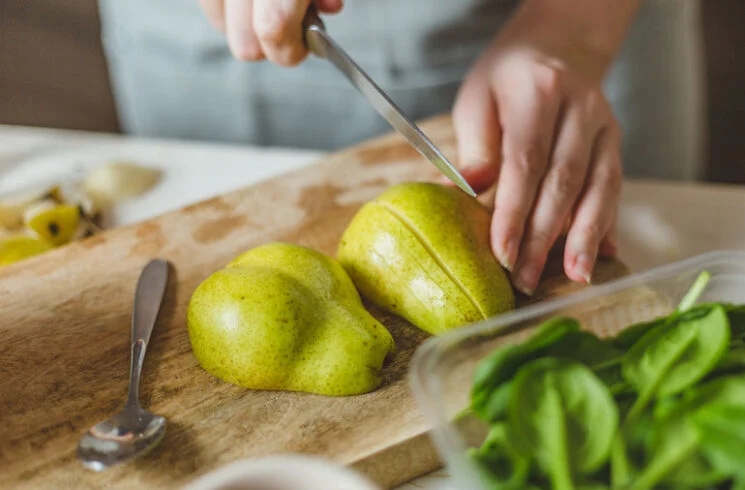
Ironically, not every pear is “pear-shaped.” One variety, Asian pears, is actually shaped like an apple. But no matter their shape, all pears are rich in disease-fighting nutrients.
“Pears are so healthy, and most people tolerate them very well,” says registered dietitian Beth Czerwony, RD, LD. “They’re terrific for your digestion and have other impressive health benefits. They’re a perfect snack if you’re craving something sweet.”
Types of pears
Pears are members of the Rosaceae plant family, along with apples, apricots, cherries, peaches and several other fruits and berries. Pears can range in texture, color, crispness, juiciness and sweetness. Common varieties you may find in the grocery store include:
Anjou (green or red).
Asian.
Bartlett.
Bosc.
Comice.
Concorde.
Forelle.
Seckel.
Starkrimson.
Health benefits of pears
Are pears good for you? Absolutely. Pears are a great source of antioxidants, fiber, potassium and vitamin C. But they’re not just full of nutrients — they also may lower your risk of some diseases. Here are five ways pears boost your health.
1. A nutritious source of vitamins and minerals
Like most fruit, pears are a source of good nutrition. One medium pear has approximately:
Nobody enjoys the dreaded crash that happens after sugary foods spike your blood glucose. Steady blood sugar means a steady supply of energy, which is healthier for your body. Blood sugar management is even more important if you have diabetes.
Czerwony says pears may help stabilize blood sugar and even reduce your risk of Type 2 diabetes. How? Fiber, for starters. A medium pear offers nearly one-quarter of the fiber you need in a day. Fiber helps keep blood sugar steadier by slowing your body’s absorption of sugar.
Pears also contain anthocyanin, an antioxidant. An observational study suggests a link between eating anthocyanin-rich foods and a lower risk of Type 2 diabetes.
Another study showed that eating pears could significantly lower your odds of developing Type 2 diabetes. For each serving of pears eaten per week, researchers found a 3% lower risk of Type 2 diabetes.
In addition, pears are a low-glycemic food, which means they won’t spike your blood sugar like sugary foods and some fruits can.
3. Relieves constipation and improves digestive health
Fiber adds bulk to and softens your stool, which helps things move along in your gut. Lots of foods contain fiber, but pears are a particularly excellent source.
A single pear contains 6 grams of fiber (more than 20% of what an adult needs in a day). And pectin, a type of fiber in pears, has some specific benefits. Pectin is a soluble fiber known to help:
Constipation: In a study of 80 people with constipation, pectin significantly improved food movement through their digestive systems and reduced symptoms.
Gut microbiome: Pectin promotes the growth of good bacteria in your colon, according to a review of several studies, helping your microbiome stay healthy.
To reap the fibrous benefit of pears, don’t skip the skin. “Pear skin contains a significant amount of the fruit’s total fiber content,” notes Czerwony.
4. Lowers inflammation
Inflammation happens when your immune system tries to protect you from something — an infection, a toxin or some other offender. Some temporary inflammation is actually a healthy response to these things. But when inflammation hangs around, it can contribute to diseases such as Alzheimer’s, asthma, cancer and Type 2 diabetes.
Antioxidants are nutrients that can prevent some of the cell damage that leads to inflammation. Pears are rich in powerful types of antioxidants called flavonoids.
Research shows that flavonoids can reduce inflammation and lower the risk of:
Potassium, known to help reduce high blood pressure — another risk factor for heart disease.
In addition, a study examining the effects of fruit and vegetable consumption suggests eating pears lowers your risk of stroke. And one large clinical trial showed a link between eating pears and a lower risk of dying from heart disease.
Are fresh, canned or frozen pears better?
“In general, fresh fruits are best because they have the highest amount of nutrients,” explains Czerwony. “Frozen is usually a close second to fresh. The heat of canning, though, can break down certain nutrients.”
But don’t avoid canned pears completely. They’re still good for you. She advises looking for pears in water rather than syrup, which adds unneeded sugar.
“You might be surprised by what you can do with fresh pears,” she adds. “Think of how you use apples — sliced raw, in pies or baked — and you can do all those things with pears.”
Signs It’s Time To Lower Your Baby’s Crib Mattress
There’s no magical age or height — it’s all a matter of your baby’s mobility
Funny how quickly things change when it comes to babies, right? One day it’s all swaddles and burp cloths and tummy time. Then, before you know it, they’re crawling around trying to drink out of the dog’s water bowl.
Babies hit new milestones faster than you can say, That’s one for the baby book. And while you’re looking for a pen, you might want to grab a screwdriver, too. Because as your baby becomes more mobile, it’s a cue that it’s time to lower their crib.
“Lowering the crib isn’t so much about age, it’s about your baby’s abilities,” says pediatrician Laura O’Connor, MD. “The more mobile your baby gets, the lower the crib should go.”
So, if you can’t plan on your calendar when the right time is, how will you know when to lower the crib mattress? Dr. O’Connor shares some tips for what to look for.
When to lower the crib mattress
Sure, back in the day, cribs with drop-down sides were all the rage. But they’ve been banned after they were found to result in serious injuries and even deaths.
Most cribs these days come with high, middle and low settings for the mattress. That’s for both parents’ comfort and baby’s safety.
Think about it: If your newborn’s crib mattress was down below your knees, you’d be reaching awfully low to place them in bed. And it would be just about impossible to get them back out without crawling in yourself. (Don’t do that. Your crib isn’t meant to hold an adult’s weight.)
On the other hand, a baby who can stand would be in danger of taking a big tumble if their mattress was only a few inches below the crib rail.
But all those different height settings can be confusing. You’ll rest easier knowing your little tot is safe in their crib. Dr. O’Connor helps us take the guesswork out of each crib setting with this quick reference guide:
Developmental stage
Sleeping arrangement
Approximate age
Newborn.
Bassinet or crib’s highest setting.
Under 4 months.
Baby who can roll over.
Crib’s highest setting.
4 months old.
Baby who can sit up, “commando crawl” or get up on their hands and knees.
Crib’s middle setting.
6 months old.
Baby who can stand up or pull themselves up to standing.
Crib’s lowest setting.
9 months old.
Baby who can climb out of the crib or has outgrown the crib.
Big-kid bed.
Anywhere from 18 months to about 3 years old.
Consult your crib’s instruction manual for specifics on how to lower the crib mattress. Most manufacturers provide them online if you can’t find yours. Be sure to tighten all screws securely.
Highest crib setting
If your infant has been sleeping in a bassinet, they should be moved to a crib by the time they can roll over, Dr. O’Connor says. For many babies, that happens somewhere around 4 months old.
But bassinets have different height and weight restrictions. Even if your little one isn’t yet rolling, if they’ve reached the maximum height or weight for the bassinet, it’s time to move to a crib to make sure they have the stability and protection they need.
The highest setting on your crib is the right place for babies who can’t sit up.
“Infants have so little control over their bodies, it’s important for their safety, and for everyone’s comfort, if parents don’t have to bend too far to lay them down or pick them up,” O’Connor explains.
Middle crib setting
After rolling over, other mobility milestones come fast. And with baby’s new moves comes another shift in crib height.
Dr. O’Connor says you should plan to move your crib mattress to the middle height before your baby can crawl. Move the crib down when your baby can start to do any of these pre-crawling actions:
Sit up on their own.
Crawl “commando style” (inch forward by pulling with their arms with their bellies on the ground).
Assume a crawling position, by getting up on their hands and knees.
Many babies begin to hit these milestones around 6 months old. But they may come even earlier, so let your baby’s abilities be your guide.
Lowest crib setting
Standing and walking are probably two of the most exciting milestones in your baby’s first year. And they’re signs that it’s time for the crib to be lowered for its last time.
“By the time your baby can stand up or pull themselves up, their crib should be at its lowest setting,” Dr. O’Connor notes. “If the crib mattress is too high, it becomes a big fall risk.”
Some babies may start off standing by using furniture (or whatever’s handy … say, your leg) to pull themselves up. And the rails on their crib can be perfect for pulling up.
So, even if your baby doesn’t stand up independently yet, any standing is a sign that it’s time to move the crib mattress to its lowest point.
And don’t let sleep sacks or other swaddles lull you into a false sense of security. Sure, they can make standing harder. But even with a sleep sack on, your baby can try to pull themselves to standing. So, if they can get up on their own two feet without the sleep sack, it’s time to make the crib at low as it goes.
Time for a big-kid bed
After the crib reaches its lowest point, it can stay there for a while, Dr. O’Connor says. Most toddlers should sleep in a crib until they’re at least 18 months old. Some may not need to move to a toddler bed until well after their third birthday.
The American Academy of Pediatrics recommends toddlers move to a bed if:
They’re 35 inches tall.
The crib rail is in line with the middle of their chest (at their nipples) when they stand in their crib.
They climb out of the crib.
“If your baby is climbing out of their crib or has outgrown it and causing a dangerous situation, it’s time to move to a bed. If not, it’s better to save the bed for a while,” Dr. O’Connor advises. “Beds come with a lot of autonomy and responsibility for your child, so the longer you can wait, the better for most people.”
Keep safety first
Of course, crib height is just one part of making sure your baby has a safe sleep environment. You also want to make sure you’re following these other safe sleep practices during your baby’s first year:
Use the firm side of the crib mattress.
Keep pillows, blankets, stuffed animals and other soft items out of the crib.
If you have any questions about crib safety or safe sleep, Dr. O’Connor says to talk with your child’s healthcare provider. They can help you understand the best ways to keep your baby safe and sleeping soundly
Blood pressure, cholesterol, alcohol, diabetes, smoking, overweight, stress and sleep all affect the risk of developing heart disease. Learn more about your modifiable risks and help protect your heart here.
Risk Factors For Heart Disease & Stroke A risk factor is anything that raises a person’s chance of developing heart disease and stroke. There are two types of risk factor, … Risk Factors Read More »
You go to the store to pick up some apples. Seems simple enough — until you’re faced with a dozen different varieties in the produce aisle. You want the healthiest apple, so which one will keep the doctor away? Dietitian Mira Ilic, RD, LD, reveals the juicy details about this popular fruit. Big difference in taste, not nutrition Apples have slightly different nutrients depending on their type and color. For instance, Red Delicious apples have polyphenols that are exclusively found in dark red fruits. Polyphenols are plant compounds that may help prevent cancer, heart disease and other conditions. But if the thought of biting into a Red Delicious isn’t appealing, don’t worry. Any apple you buy will deliver a punch of health-boosting nutrients. “The nutritional differences among apple varieties are small,” says Ilic. “But the taste differences are big. Don’t choose an apple based on a small nutrient difference if you don’t like the taste.” Choose fresh and local apples Whatever apple variety you pick, make sure it’s fresh. Old apples aren’t as nutritious, don’t taste as good and could be rotten. “Choose a firm apple with no bruises,” says Ilic. “Look for bright color, keeping in mind that some apple varieties are naturally more colorful. Fresh apples usually have a nice aroma, too.” Whenever possible, go with local apples. The less your apple had to travel, the more nutritious it is when it gets to you. July through October is prime apple season in the U.S. During these months, local apples are easy to find. When you choose apples in the off-season, check the sticker for its country of origin. If your apple traveled a long distance, it probably lost some of its nutrition in transport. Try to choose apples that come from a nearby country. “We don’t have the option to eat local apples year-round,” Ilic says. “In the off-season, we have to get apples from other parts of the world. No matter where they come from, wash them thoroughly.” You don’t need any chemicals or tools to wash your apples. Wash your hands first. Then wash your apple with running water. Gently scrub the skin with a cloth or brush. Are organic apples healthier? Some organic fruits may be slightly more nutritious than conventionally grown ones. But you don’t need to buy organic apples. They tend to cost more, which can be a downside if you’re sticking to a grocery budget. “Growers use different growing practices for organic apples and while pesticides are used on conventionally grown apples, some organic growers may actually use pesticides approved for organic farming,” explains Ilic. “The government has guidelines about what pesticides growers can use. Both types are safe and nutritious. Just wash them well if you’re still concerned about pesticide residue or you can peel your apples, but you’ll lose some nutrients and fiber found in the skin.” Have fun with apple sampling With so many apple varieties, you’re bound to find one you like. Hold an apple sampling by picking a few different types. Cut them into bite-sized pieces, put them on a plate and label them. Have your family members try the different apples and choose their favorite. An apple sampling can be a fun way to get kids to eat more apples, too. Kids often like having some control over the types of foods they eat. All apples are amazing Whether your favorite is a sour Granny Smith or a sweet Honeycrisp, you can’t go wrong with apples. “All apples are a good source of fiber, including pectin, which may help lower cholesterol,” Ilic says. “They also contain phytochemicals like polyphenols, which are antioxidants linked to multiple health benefits. Some studies have suggested that apples may also help reduce the risk of some cancers.” Bottom line: An apple a day is a healthy habit, so don’t stress about picking the right one. “Eat the apples you like because they’re all healthy,” Ilic says. FACEBOOK TWITTER LINKEDIN PINTEREST Email applesfiber








 Healthaware