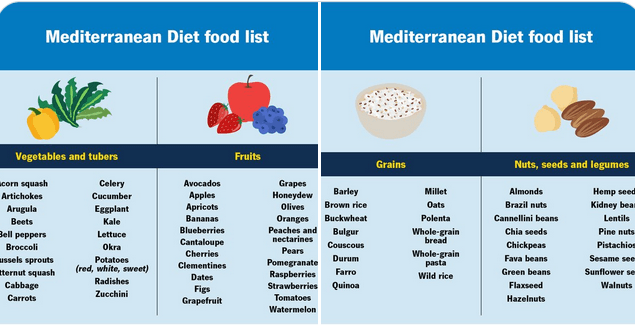
The Mediterranean Diet can lower your risk of cardiovascular disease and many other chronic conditions. It encourages you to eat plenty of some foods (like whole grains and vegetables) while limiting others. If you’re planning a grocery store trip, you might wonder which foods to
Blood pressure, cholesterol, alcohol, diabetes, smoking, overweight, stress and sleep all affect the risk of developing heart disease. Learn more about your modifiable risks and help protect your heart here.
Risk Factors For Heart Disease & Stroke A risk factor is anything that raises a person’s chance of developing heart disease and stroke. There are two types of risk factor, … Risk Factors Read More »
How Long To Breastfeed: What the Guidelines Say and What To Consider
Recommendations encourage breast milk exclusively for baby’s first six months and continuing to provide human milk until age 2 and beyond
How and what you feed your baby is probably one of the most basic — and yet deeply personal — decisions you’ll face when you become a parent.
You’ll hear things like “breast is best.” As in, breastfeeding (chestfeeding) is the absolute best way to nourish your baby.
And then you’ll hear the retort, “fed is best.” Meaning breast milk (human milk) and formula are both fine. As long as your baby is getting nutrients in their belly, all is well.
Then come the opinions on how long you should breastfeed. (You’re still breastfeeding? You gave up on nursing already? You fed your baby formula?)
It can feel like there’s no right way to do it. And there’s some truth to that.
Because what works for one family may not be feasible for another. But that’s OK.
Breast milk can provide certain benefits that formula can’t mimic. But breastfeeding, especially for long periods of time, might not work for everyone. Or you may have been given the impression that you’ve continued providing human milk long after others think you “should.”
No one should feel guilt, shame or otherwise crummy about how they feed their baby. Let’s face it, mom guilt is tough enough as it is.
So, we talked with board-certified breastfeeding medicine physician Heidi Szugye, DO, about breastfeeding recommendations.
How long to breastfeed
Science shows that if you can give your baby human milk (either your own or a donor’s), it has its benefits. And the longer, the better, experts recommend.
12 months to 24 months (and beyond): Mostly solid foods with some human milk, as mutually desired by parent and child.
Previous recommendations called for providing breast milk until age 1. But these newer guidelines (implemented in 2022) are based on the understanding that human milk has benefits that continue long after baby’s first birthday. And they help to remove stigmas associated with people who choose to extend breastfeeding into toddlerhood.
“These recommendations are a call to action for everyone, and that includes hospitals, pediatricians and all physicians that are taking care of families,” Dr. Szugye states. “We want to make sure our practices and policies are set up to support people who choose to breastfeed beyond the first year of their child’s life.”
Think of the guidelines as the best-case scenario. If it works for you, your family, your child, your body and your life to breastfeed for two years or longer, you’re doing a great thing. And there’s no reason to stop until you and your child are ready.
If it doesn’t work for you, that’s OK, too. Your worth as a parent and your love for your child can’t be measured in ounces of milk.
Benefits of extended breastfeeding
The recommendations are based on research showing that human milk has some big benefits. And those perks continue for as long as you continue to supply it.
“Breastfeeding offers tremendous benefits — from custom-made nutrition and increased immunity to protecting you against some forms of cancer. And those benefits don’t go away as your baby ages,” Dr. Szugye shares. “We have more and more data supporting that there are benefits to breastfeeding for more than one year when possible.”
Breastfeeding can offer both you and your baby some big benefits:
Benefits for lactating parents
Benefits for baby
Lower risk of developing conditions like Type 2 diabetes, high blood pressure, cardiovascular disease, breast cancer and ovarian cancer.
Decreased risk for ear infections, respiratory infections, gastrointestinal illnesses, SIDS, leukemia, diabetes, obesity, asthma and eczema.
“There are a lot of immunologic factors and components to human milk,” Dr. Szugye says. “One big advantage to human milk is that you pass antibodies to the baby. So, if you’re exposed to a respiratory illness or GI illness, those antibodies are passed on to the baby and then that makes them less likely to get sick. And if they do get sick, it’s less severe. It’s almost like a built-in immunity.”
Keeping up milk supply for the long haul
Some people can make enough milk to breastfeed for as long as they and their babies choose. But some don’t. At least not without taking some steps to keep it up.
If you suspect your supply is dwindling as your child gets older, there are ways to help promote more milk production if you want.
“Many people notice their supply drop and mistakenly assume it won’t return,” Dr. Szugye notes. “But if you want to continue to breastfeed, there are options that could help.”
If a supply boost is in order, you can try:
Nursing more often — Add sessions as long as your child will nurse. If you’re away from them during the day, try early evenings, mornings or weekends.
Pumping strategies — An extra session or several short “power pumping” sessions (think five to 10 minutes throughout the day) for several days in a row can trigger your body to make more milk.
Breast massage and compression — Easy-to-learn techniques can improve drainage when nursing or pumping.
Take care of yourself — Reduce stress, rest when possible, hydrate and eat a balanced diet with an extra 500 calories a day to support breastfeeding.
Not an ‘all-or-nothing’
If two or more years of breastfeeding seems daunting, remember that you have options.
For starters, giving your child human milk doesn’t always mean latching them to your breast and nursing. That’s just one way to do it. Pumping milk and putting it in a bottle, cup or spoon are also options.
And you may find that a donor bank could be a route to explore if you don’t lactate or if you have concerns about a low milk supply. Donor milk is pasteurized, screened for drugs, medications and infections, and tested for bacterial contamination before it’s stored and made available for purchase.
“Reach out to your pediatrician or women’s healthcare provider if you’re interested in obtaining donor milk. You may need a prescription from a healthcare provider,” Dr. Szugye suggests.
Remember, too, that any amount of human milk can be a benefit. If keeping up with your baby’s breastfeeding demands becomes too high a burden, there are alternatives.
Some parents may find that supplementing with formula (or other foods and milk after baby turns 1) can help give your child some human milk, while keeping up with their nutritional needs — and not burning yourself out in the process.
“It’s not an all-or-nothing thing,” Dr. Szugye reassures. “Any amount of human milk you can give is a benefit. If it doesn’t work for you to constantly supply human milk, that’s OK. We’re all just doing our best.”
If breastfeeding is going well for both you and your child, there’s no reason to give it up until you’re both ready to.
Feeding a baby is tough work, no matter how you do it. And chances are, you’re doing a fantastic job.
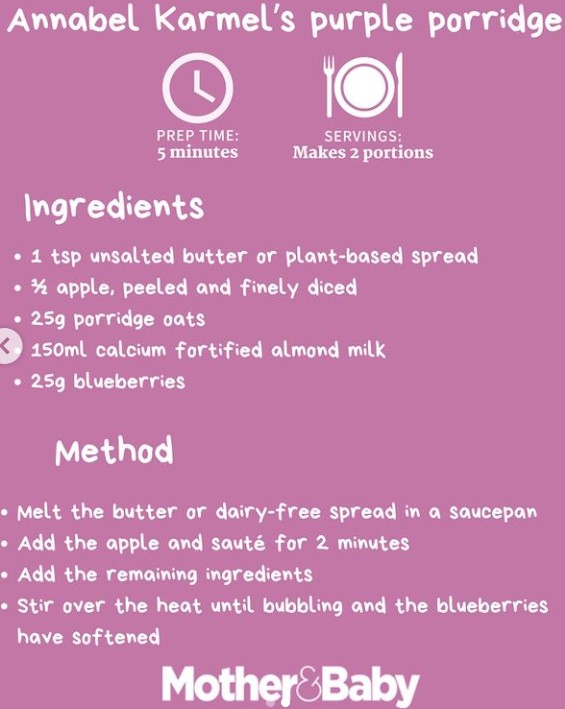
If you’re up for a breakfast change for your little one, try this no-fail Purple Porridge by cookbook author and child food expert @annabelkarmel. It’s an easy four step recipe. 👩🍳
Packed with nutritious oats for iron and zinc to strengthen the immune system, and sweet blueberries rich in vitamin C and antioxidants to support brain development. It’s a tasty and wholesome start to their day! 💜👶🏻🫐 #motherandbaby
We all want to protect our kids whether it be from falls, bumps and bruises — or avoidable infections and diseases. To help your child avoid illness, it’s important to encourage good habits and take steps to boost their immune system from an early age.
“Most of what makes a child’s immune system strong is common sense,” says pediatrician Adriane Lioudis, MD. If you keep these five tips in mind, you’ll stack the deck in your child’s favor for a healthier life.
1. For newborns, consider breastfeeding
While it’s a very personal decision (that isn’t always possible), if you are able to exclusively breastfeed your child for at least six months, it may have benefits. Some research shows that breastfeeding your child might possibly reduce allergies, Dr. Lioudis says.
2. Promote regular hand washing
Eighty percent of infections are spread by touch. Teach your little one to take the time to wash their hands after sneezing, coughing and going to the bathroom. Washing hands with warm water and soap for at least 20 seconds can remove bacteria and viruses and can reduce the chance of lung infections by up to 45%.
“Get the flu shot for your child yearly, as well,” Dr. Lioudis says. This is particularly important for children with asthma and other chronic health conditions.
Also, if your family will be traveling internationally, it’s important to seek advice from your child’s healthcare provider about any needed vaccinations.
4. Make sleep a priority
To maximize immunity, children must get enough sleep.
Babies between 0 and 3 months need 14 to 17 hours of sleep. Those between 4 and 12 months need 12 to 16 hours of sleep.
Children between the ages of 1 and 2 need between 11 and 14 hours.
Kids between the ages of 3 and 5 should get from10 to 13 hours.
Children ages 6 to 12 should get between 9 and 12 hours.
Teens between the ages of 13 to 18 need 8 to 10 hours.
Not getting enough sleep limits the body’s ability to produce proteins called cytokines that help fight infection and reduce inflammation.
5. Encourage a healthy diet
A healthy diet is also important for your child’s immune system.
Dr. Lioudis recommends encouraging your child to “eat the rainbow” when it comes to fruits and vegetables. A good selection of whole grains should be part of their diet as well. Keep processed foods to a minimum. Proper food choices can help ensure that your child gets enough vitamins — such as vitamin A and E. These vitamins are needed to maintain good health and a strong immune system.
You can’t avoid all illness, but some kids need extra protection
“Even if you follow these tips, your child might still get between seven and 11 colds each year,” says Dr. Lioudis. She adds that you can expect each one to last up to two weeks.
Also, keep in mind that some things billed as common “remedies” aren’t effective in boosting immunity. For example, there’s no definitive proof that large amounts of vitamin C or echinacea help prevent colds or shorten them, she says.
However, if your child has a compromised immune system, work closely with your pediatrician to find ways to improve his or her immunity. Each child needs a personalized approach because their individual immune system varies, Dr. Lioudis says.
“There’s generally a different protocol with immunocompromised children. There are some vaccines we have to add in on top of what most children have, but it’s something that we must determine on a case-by-case basis.
Why Your Lower Back Pain Is Worse in the Morning (and What To Do About It)
Your sleep position, immobility, mattress and underlying conditions can all cause morning back pain
There’s nothing worse than waking up on the wrong side of the bed. But it can be hard to avoid when you wake with lower back pain in the morning. A back that throbs, aches or sends shooting pain down your legs can quickly set the tone for your day.
Most people experience lower back pain at some point, and more than 20% have chronic lower back discomfort. It’s the second most common reason people in the U.S. visit their primary care provider — behind colds and flu.
Whether you experience lower back pain all day or only in the morning, understanding what’s contributing to the pain may help you fix it. Pain management specialist Tara-Lin Hollins, MD, shares what might be behind your morning back pain and offers tips to help you wake up pain-free.
4 causes of lower back pain in the morning
Back pain and sleep have a complicated relationship. Pain can disrupt your sleep, and poor sleep can make you more likely to have higher pain. Getting to the bottom of your pain may help end the cycle.
Dr. Hollins says several factors can contribute to morning back pain.
1. The wrong sleep position
You spend a third of your life sleeping or resting, so if your spine is out of alignment while you sleep, it can have a significant impact on your body. Your sleep position affects your alignment and may (or may not) support the natural curvature of your spine.
“It’s common to be so tired at bedtime that you fall into bed and sleep however you hit the bed,” Dr. Hollins says. “But you may not be sleeping in the best position for your spine.”
The most beneficial sleep positions for your back are on your:
Side, with your knees partially bent
Back, as long as you don’t have sleep apnea (which worsens when sleeping on your back)
Sleeping on your stomach makes you more likely to twist your neck to the side — a quick way to throw your neck and spine out of alignment.
2. Lying down for hours
When you sit all day at your desk without moving, it can make you stiff. Similarly, when you sleep, you’re not moving much for seven to eight hours. Lying immobile for a long period could cause you to wake up with back or hip pain.
“Our bodies are not supposed to be stagnant for multiple hours,” Dr. Hollins explains. “Stiffness can settle in, and inflammation can build up. Then, when you try to move in the morning, releasing the inflammation can be painful.”
Tricky, right? After all, you want a good night’s sleep, and lying immobile while you doze is often a sign that you got all of your ZZZs. But to avoid lower back pain, Dr. Hollins advises taking some time to stretch before you jump out of bed.
3. An unsupportive mattress or pillow
Your mattress is your main source of back support while you sleep. And your pillow ensures proper neck alignment. A mattress that’s damaged, too soft or sagging can cause your lower abdomen to sink deeper than the rest of the spine, pulling your back out of alignment.
“All too often, people opt for a soft mattress, thinking it will be more comfortable,” Dr. Hollins notes. “You don’t want a hard mattress, but it should feel firm and supportive. You shouldn’t sink into it.”
Need tips for choosing the best mattress for your back? We can help.
4. An underlying condition or pregnancy
Some conditions or chronic diseases may put you at higher risk for morning back pain. Chronic conditions that affect both sleep and morning back pain include:
Pregnancy can also bring back pain in the morning due to:
Additional strain on your lower back muscles
Shifting center of gravity
Increased weight
How to stop waking up with lower back pain
Lifestyle changes, like achieving a healthy weight and exercising every day, are always helpful for back pain. But Dr. Hollins also recommends actions related to sleeping that may additionally help reduce or eliminate your morning back pain.
Add supportive pillows
Pillows are a great way to support your back’s alignment. Your typical sleep position should guide the pillows you use:
Back sleepers. Choose a head pillow that supports your neck and lets your head sink in. Place a pillow under your knees to support your spine’s natural curvature.
Side sleepers. For your head, choose a thick pillow that keeps the top portion of your spine straight and parallel to the mattress. Place a small pillow between your knees to help even out your hips.
Stomach sleepers. Don’t use a pillow for your head, or choose a very thin one. Put a thin pillow under your lower abdomen to keep your spine aligned.
“Look for pillows that are specific to your sleep position,” Dr. Hollins advises. “But no matter which position you use, adding pillows strategically around your body can support your spine and reduce morning pain.”
Adjust your sleep position
If you’re used to sleeping in the same position every night, it can be challenging to change it. But small adjustments may help:
Place both arms in the same position if you sleep on your back — instead of flinging one arm over your head — to keep your spine aligned.
Bend your knees when sleeping on your side to help balance your body and reduce any pressure on your lower spine.
Put pillows in front of you if you sleep on your side so you don’t roll onto your stomach.
Sleep on your left side whenever possible to take pressure off your internal organs.
“You want to be as comfortable as possible when you go to sleep,” Dr. Hollins says. “That way, you’ll be more likely to stay in a supportive sleep position.”
Replace your mattress regularly
According to the Sleep Foundation, the general guideline is to replace your mattress every six to eight years. But you may need a new mattress sooner if yours is:
Making noise (if it’s an innerspring mattress)
Noticeably sagging or damaged
Causing muscle or joint stiffness, especially if you don’t have the same stiffness when you sleep at hotels or other homes
When choosing a new mattress, choose a “medium firm” mattress — level 6 out of 10 on the mattress firmness scale. It may reduce your back pain symptoms by nearly half.
Pause before you get up
Most people get out of bed as soon as they wake up, Dr. Hollins points out. But taking a few minutes to prepare your back for transitioning to sitting, standing and walking can help with morning back pain.
Stretch while you’re still in bed. While on your back, bring one knee to your chest. Hold it for three seconds, let it go and then, switch to the other leg.
Warm your muscles. Slide a heating pad under your back to warm your muscles. Use one that’s designated as safe for use in the bed and has an auto shut-off. Keep the sheet or your shirt between the pad and your skin.
Take your time getting up. First, sit on the edge of the bed and let your back adjust. Then, use your legs — not your back — to stand up.
See your healthcare provider if your back pain worsens or occurs most mornings for two or three months. They can check for underlying back issues and may prescribe physical therapy.
“Don’t wait six or eight months to see your provider,” Dr. Hollins urges. “They can provide guidance about the best stretches to do, and your back will thank you.”
Therapeutic massage targets specific health concerns by working on muscles and soft tissue to reduce pain, improve mobility and support recovery. It's often used alongside other treatments and tailored to your individual needs. pic.twitter.com/YT0ubKJMRj
This is a last-minute dessert that can be made post-dinner, while you brew the coffee and finish clearing the table. Have ingredients and equipment ready beforehand — just be sure to turn the pineapple once and give the skillet a couple of shakes and voila! You’ll have a delightfully sweet dessert ready at your fingertips.
Ingredients
1/4 cup sugar 1/4 cup sugar substitute 1 pineapple, peeled, cored and sliced into six wedges lengthwise Butter-flavored cooking spray, refrigerated 1 tablespoon trans-fat free margarine 2 tablespoons Cognac or fresh orange juice 1 cup fresh raspberries
Directions
Combine the sugar and sugar substitute. Sprinkle half of the mixture over one side of the pineapple. Turn and sprinkle the rest on the other side.
Lightly coat a large non-stick skillet with cooking spray. Add the margarine and melt over high heat. Place the pineapple in the skillet and cook, turning once and shaking the pan often, until it turns golden brown, 10 to 15 minutes. (The pineapple can be prepared to this point and held for one hour.)
Transfer the pineapple wedges to six dessert dishes, leaving the sauce that has formed in the pan.
Stir the cognac into the pan to thin the sauce. Heat briefly. Drizzle the sauce over the pineapple and sprinkle with equal portions of the raspberries. Serve warm.
Nutritional information (per serving)
Makes 6 servings
Calories: 118 Total fat: 3 g Protein: 0.1 g Carbohydrate: 22 g Dietary fiber: 2 g Cholesterol: 0 mg Sodium: 0 mg Potassium: 122 mg
Kickstart your New Year’s health resolutions this month with these top nutrition tips from our Senior Dietitians at Blackrock Health Hermitage Clinic. Prioritise your health this year by following some simple guidelines:
– Prioritise whole foods: Swap processed snacks for nourishing, nutrient-dense snacks such as nuts and dried fruits, fruit and yogurt, cheese and crackers, nutty flapjacks, oat snacks. When opting for convenience snacks be aware of the ingredient list, some snacks which may label themselves as ‘healthy’ alternatives may have a long list of ingredients, generally the more whole ingredients and the shorter the list the better!
– Stay hydrated: Start each day with a glass of water and aim for 8 glasses throughout the day. Proper hydration is key for energy and overall well-being.
– Limit alcohol: Alcohol dehydrates and can cause fatigue which leads to poorer food choices as well as negatively impacting overall health. Swap alcoholic drinks for non-alcoholic alternatives where possible and aiming for at least three alcohol free days per week.
– Stay active: Incorporating some daily movement (outside if possible) will support overall mood, energy levels and health.
– Plan ahead: Try not let busy schedules derail your healthy eating goals. Meal prepping, batch cooking and planning snacks will help you stay on track.
At Blackrock Health, our Dietetics and Clinical Nutrition department is made up of Registered Dietitians who help manage and support a variety of nutritional and medical concerns to patients across our clinics.











 Healthaware