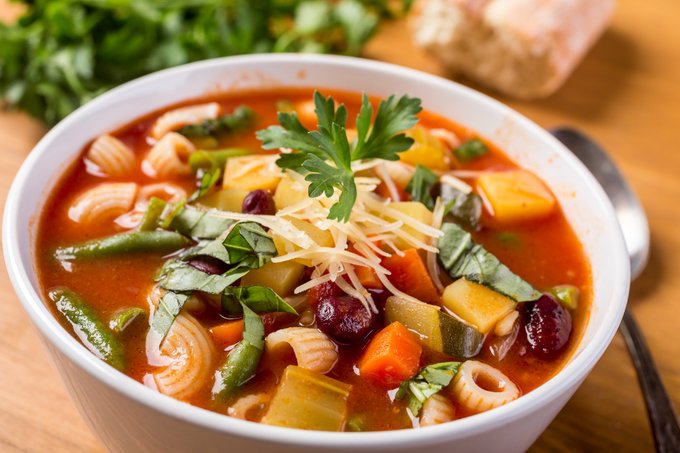
This tasty, filling Italian soup is packed with nutrient-rich veggies, heart-healthy olive oil and fiber-friendly legumes. Enjoy it all year long — let it warm you up in the fall and winter, and fill it with fresh vegetables from your garden in the summer.
Ingredients
¼ cup olive oil
1 clove garlic, minced (or 1/8 teaspoon garlic powder)
1-1/3 cups coarsely chopped onion
1-1/2 cups coarsely chopped celery and leaves
1 can (6 ounces) tomato paste
1 tablespoon chopped fresh parsley
1 cup sliced carrots, fresh or frozen
4-3/4 cups shredded cabbage
1 can (16 ounces) tomatoes, cut up
1 cup canned red kidney beans, drained and rinsed
1-1/2 cups frozen peas
1-1/2 cups fresh green beans
Dash hot sauce
11 cups water
2 cups uncooked spaghetti noodles
Directions
Heat oil in a 4-quart saucepan.
Add garlic, onion and celery, and sauté about 5 minutes.
Add all remaining ingredients except spaghetti, and stir until ingredients are well-mixed.
Bring to a boil. Reduce heat, cover and simmer about 45 minutes or until vegetables are tender.
Add uncooked spaghetti and simmer 2-3 minutes only.
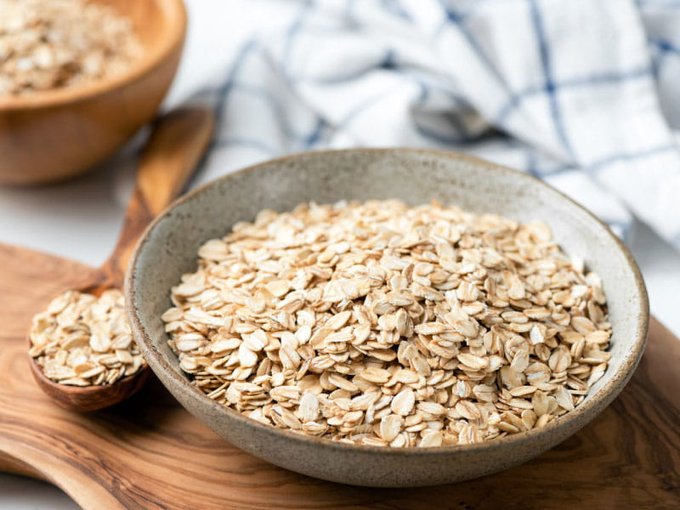
Oats and oatmeal have powers you probably didn’t know about — like nutrients to help lower cholesterol and enough fiber to help you feel fuller longer. They just might be quiet heroes of #BetterBreakfastMonth.
(Arx0nt/Moment via Getty Images)
By Michael Merschel, American Heart Association News
Let’s admit it: Oatmeal is a total nerd. It lacks fashion sense – the color they named after it is somewhere on the drab side of beige. It’s often seen with Sesame Street’s Bert, who also loves bottle caps, paper clips and pigeons.
But when it comes to healthy eating, oatmeal and the oats it comes from can definitely hang with the cool kids at the breakfast table.
“It has many, many good qualities,” said Candida Rebello, director of the nutrition and chronic disease research program at Louisiana State University’s Pennington Biomedical Research Center in Baton Rouge.
Extensive studies have associated oats and oatmeal with plenty of heart-healthy benefits, such as lowering cholesterol (both total and “bad” LDL cholesterol) and helping with weight control.
Oatmeal has a host of vitamins and minerals. Two examples: According to the U.S. Department of Agriculture, a one-cup serving of cooked oatmeal has about 1.8 milligrams of vitamin B1, or thiamin. That’s close to 15% of what an adult needs each day. It also has 1.36 mg of manganese, which is 59% of the daily recommendation for men and 76% for women. Manganese has roles in immunity, blood clotting and the way cholesterol and blood sugar are metabolized.
But that’s not what makes oats stand out, Rebello said. That same cup of cooked oatmeal has just 166 calories and nearly 4 grams of dietary fiber.
And the type of fiber is where oats start to distinguish themselves. It’s called beta-glucan. Put that in the conversation, and it’s like the scene in a movie where oatmeal takes off its glasses and everyone realizes just how beautiful it is.
Not literally. It’s a soluble fiber, which means it dissolves in hot water, where it thickens. “When you eat oatmeal, the kind of sliminess that you see – that comes from this viscosity that beta-glucan generates,” Rebello said.
That helps you feel full longer, she said. And it helps undigested food travel farther down your digestive tract, where it feeds the friendly bacteria living there.
Beta-glucan is abundant in oats and barley and has been shown “quite unequivocally” to help maintain healthy cholesterol levels, Rebello said.
Oats also are rich phytonutrients – plant-derived substances that may boost health. One class of such phytonutrients is avenanthramides, which are found only in oats. Avenanthramides may have antioxidant and anti-inflammatory effects, although Rebello said their possible benefits are not as well-researched as those for beta-glucans.
Oats have been linked to heart-health benefits since the 1960s and come in many forms. The differences involve levels of processing.
Oats grow in an inedible casing called a hull. Inside the hull is a seedlike groat. That groat is encased in bran. “In other whole grains, like in wheat, you can remove that bran layer,” Rebello said. “But in oats, this groat is very soft, so that bran layer cannot really be removed.”
That means oats are almost always a whole-grain food, and those are a key part of a healthy eating pattern.
If oats are labeled “steel cut,” it simply means they were processed with a steel cutter, Rebello said. Rolled oats are steamed first, then pressed with a roller. “If the roller crushes it into thinner flake, then you get quick-cooking oats,” she said. “If it is then rolled into an even thinner flake, you get your instant oats.”
Rebello said that nutritionally, there is little difference between steel cut and rolled oats. Instant oats, however, have a higher glycemic index, meaning they raise your blood sugar faster.
When oats are ground to flour, the coarser portion is extracted and called oat bran. The beta-glucans will be concentrated in the flour rather than the bran, she said.
Oat milk is derived from oats and water, but processing may add ingredients such as sugar, salt, oil and more. Oat milk has some dietary fiber, Rebello said – commonly 2 grams per cup – but the amount of beta-glucan is rather small.
Unfortunately, Rebello ruled out sugar-filled oatmeal cookies as a healthy food (although she’s not averse to having one as a treat now and then).
How, then, to embrace oats? “Just eat regular oatmeal,” she said. Half a cup of rolled oats cooks up quickly and will keep you full a long time.
Oatmeal with your favorite fruit can be a sweet way to start the day. Cook it in low-fat milk for creaminess and add unsalted nuts to bolster its heart-health value. If you’re time-pressed in the morning, try a healthy version of overnight oats, which can be prepared the night before.
It’s important to remember that no single food, even oats, can do it all, Rebello said, noting that if you eat a nutritious breakfast but then load up on sugar and fat the rest of the day, “that’s really not going to help you much.”
But you should go ahead and invite oatmeal into your breakfast club, Rebello said. “I definitely recommend eating oats.”
If you have questions or comments about this American Heart Association News story, please email editor@heart.org.
Lowering blood sugar is key to optimal health – very important for everyone. Here are examples of foods (outside of keto & intermittent fasting) that can help: -Yogurt -Cinnamon -Chia Seeds -Nuts & Nut Butters -Non-Starchy Veggies -Okra -Broccoli Sprouts -Avocados -Fatty Fish
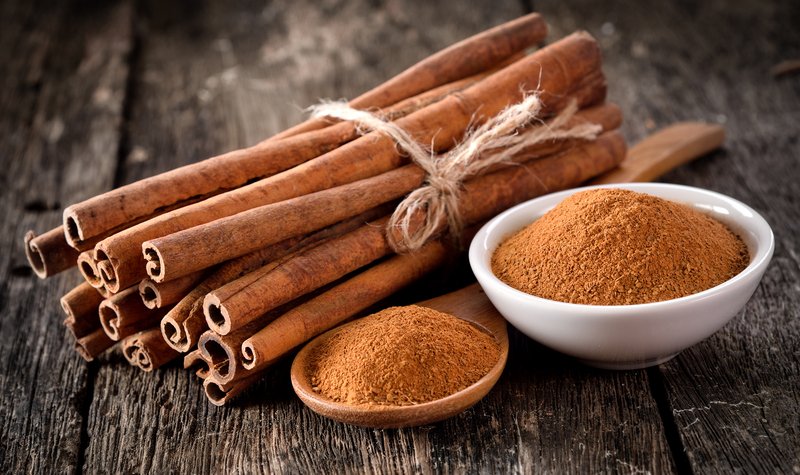
There’s no spice quite as cozy as cinnamon. Turns out, this kitchen staple can provide a boost not only to your meals, but also to your body.
There’s no spice quite as cozy as cinnamon. As the weather gets colder, it becomes an ever more appealing addition to baked goods and savory dishes alike — and it turns out that this kitchen staple can provide a boost not only to your meals, but also to your body.
The health benefits of cinnamon may surprise you. Studies show that it has anti-inflammatory properties and may help reduce blood sugar and cholesterol. So, why not work this versatile spice into your meal rotation? Here are a few tasty ways to do so.
Dinner thyme
Spices and herbs are the stars of this Baked Cinnamon-Thyme Chicken, with cinnamon providing a sweet nuttiness and thyme bringing an added earthiness. The end result is a healthy, flavorful dish that packs plenty of flavor and health benefits.
Feeling saucy
Looking for an alternative to applesauce? Kiddos and adults alike will gobble up Cinnamon Cranberry Sauce, with its similar texture and bold, red berries. Loaded with vitamins C and E, it’s delightful as a standalone side or atop your turkey.
Autumn-nom-nom
Subtly sweet and buttery, Baked Cinnamon Acorn Squash is a fall treat packed with beta carotene. Eat it as a side dish or snack — either way, it melts in your mouth. It’s also got powerful antioxidants that help your body kick free radicals to the curb.
Loaf around
Gluten-free and surprisingly simple to make, Spiced Sweet Potato Quick Bread combines the cozy flavors of cinnamon, nutmeg and mace. But there’s one ingredient you won’t find in this recipe — sugar.
Soothing sipper
On cold nights, there’s nothing like a hot beverage. Green Tea Infused With Apples & Cinnamon is a brain-healthy choice that’s steeped in flavor. Tea is a great source of potent antioxidants, and cinnamon adds both flavor and antioxidants.
An apple a day
Cinnamon pairs perfectly with all varieties of apples for an autumnal combo that can’t be beaten. Whether you’re seeking a healthy dessert (or breakfast) like Warm Apple Cinnamon Cranberry Crisp, whipping up a quick batch of No-Bake Apple Cinnamon Bites to munch on or looking for a guilt-free snack like Chewy Cinnamon Apple Rings, the opportunities are endlessly delicious.
Go for the gold
Tame inflammation and ease your soul by sipping on Almond Gold Milk with Apricots and Cinnamon, a unique blend of flavors made for soothing inflammation. Try this creamy concoction once, and you’ll want to enjoy it again and again.
Just peachy
Cinnamon for dessert! Get kids involved in making Grilled Peaches with Cinnamon Honey Yogurt Dip, a simple dish made with fresh fruit and a cool dipping sauce. It’s a refreshing, healthy and delicious way to end any meal.
Brownie points
OK, OK, cinnamon isn’t necessarily the standout star of these Fudgy Black Bean Brownies, but the spice is a key component that gives a subtle kick of taste and sweetness to these flourless treats. The black beans add texture but don’t interfere with the chocolate, we promise!
Popper topper
Loaded with fiber and heart-healthy polyphenols, Savory Seasoned Popcorn is one of the healthiest snacks around — and it’s not drowned in butter. Cinnamon makes for a tasty topping that brings antioxidant power and adds hardly any calories.
There’s no spice quite as cozy as cinnamon. Turns out, this kitchen staple can provide a boost not only to your meals, but also to your body.
There’s no spice quite as cozy as cinnamon. As the weather gets colder, it becomes an ever more appealing addition to baked goods and savory dishes alike — and it turns out that this kitchen staple can provide a boost not only to your meals, but also to your body.
The health benefits of cinnamon may surprise you. Studies show that it has anti-inflammatory properties and may help reduce blood sugar and cholesterol. So, why not work this versatile spice into your meal rotation? Here are a few tasty ways to do so.
Dinner thyme
Spices and herbs are the stars of this Baked Cinnamon-Thyme Chicken, with cinnamon providing a sweet nuttiness and thyme bringing an added earthiness. The end result is a healthy, flavorful dish that packs plenty of flavor and health benefits.
Feeling saucy
Looking for an alternative to applesauce? Kiddos and adults alike will gobble up Cinnamon Cranberry Sauce, with its similar texture and bold, red berries. Loaded with vitamins C and E, it’s delightful as a standalone side or atop your turkey.
Autumn-nom-nom
Subtly sweet and buttery, Baked Cinnamon Acorn Squash is a fall treat packed with beta carotene. Eat it as a side dish or snack — either way, it melts in your mouth. It’s also got powerful antioxidants that help your body kick free radicals to the curb.
Loaf around
Gluten-free and surprisingly simple to make, Spiced Sweet Potato Quick Bread combines the cozy flavors of cinnamon, nutmeg and mace. But there’s one ingredient you won’t find in this recipe — sugar.
Soothing sipper
On cold nights, there’s nothing like a hot beverage. Green Tea Infused With Apples & Cinnamon is a brain-healthy choice that’s steeped in flavor. Tea is a great source of potent antioxidants, and cinnamon adds both flavor and antioxidants.
An apple a day
Cinnamon pairs perfectly with all varieties of apples for an autumnal combo that can’t be beaten. Whether you’re seeking a healthy dessert (or breakfast) like Warm Apple Cinnamon Cranberry Crisp, whipping up a quick batch of No-Bake Apple Cinnamon Bites to munch on or looking for a guilt-free snack like Chewy Cinnamon Apple Rings, the opportunities are endlessly delicious.
Go for the gold
Tame inflammation and ease your soul by sipping on Almond Gold Milk with Apricots and Cinnamon, a unique blend of flavors made for soothing inflammation. Try this creamy concoction once, and you’ll want to enjoy it again and again.
Just peachy
Cinnamon for dessert! Get kids involved in making Grilled Peaches with Cinnamon Honey Yogurt Dip, a simple dish made with fresh fruit and a cool dipping sauce. It’s a refreshing, healthy and delicious way to end any meal.
Brownie points
OK, OK, cinnamon isn’t necessarily the standout star of these Fudgy Black Bean Brownies, but the spice is a key component that gives a subtle kick of taste and sweetness to these flourless treats. The black beans add texture but don’t interfere with the chocolate, we promise!
Popper topper
Loaded with fiber and heart-healthy polyphenols, Savory Seasoned Popcorn is one of the healthiest snacks around — and it’s not drowned in butter. Cinnamon makes for a tasty topping that brings antioxidant power and adds hardly any calories.
Who says pumpkin spice is only exciting in latte form?
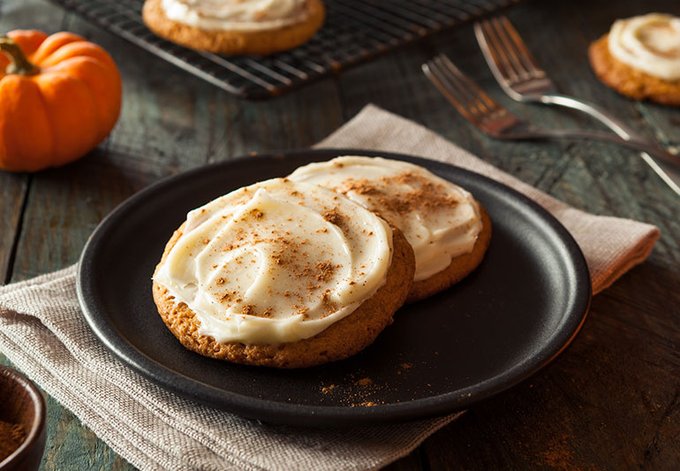
Don’t just reserve pumpkin for pumpkin spice lattes and pie! These easy spice cookies are a great way to spread the pumpkin love throughout the entire season.
If you don’t have any aluminum-free baking powder in your cupboard, pick some up the next time you go shopping. Aluminum may pose potential risks to your health as a neurotoxin. While the dose of aluminum is what makes the poison, some studies show a relationship between aluminum that is stored in your body and neuro-disorders (such as Alzheimer’s disease.) Limiting exposure to all metals is a protective measure we can take to optimize our health.
Ingredients
1 cup pumpkin puree, fresh or canned 1 tablespoon pure maple syrup 1/3 cup unsweetened applesauce 1 teaspoon pure vanilla extract 1/4 cup vegan palm shortening or melted coconut oil 1 cup oat flour 1/2 cup almond flour 1/2 teaspoon baking soda 1/2 teaspoon aluminum-free baking powder 1 teaspoon ground cinnamon 1/2 teaspoon pumpkin pie spice Pinch sea salt 1/2 cup chopped pecans 1/4 cup mini chocolate chips
Directions
Preheat oven to 350°F.
Mix the pumpkin, syrup, applesauce, vanilla and shortening (or oil if using) in a large bowl. Alternatively, place in a blender and blend until combined.
In a separate medium bowl sift the oat flour, almond flour, baking soda, baking powder and spices together.
Add the dry ingredients to the pumpkin mixture and mix to combine. Then fold in the pecans and chocolate chips.
Scoop 1 tablespoon of batter onto a large baking pan lined with parchment paper. Repeat until all batter is used. Place baking pan into the oven and bake for 20 to 25 minutes, or until just slightly firm. Remove the cookies from the oven and serve warm or room temperature.
Store uneaten cookies in a sealed glass container at room temperature for two days or in the refrigerator for up to five days.
Nutrition information (per serving)
Makes 3 dozen cookies
Calories: 43 Total fat: 2 g Saturated fat: 2 g Cholesterol: 0 mg Fiber: 1 g Protein: 1 g Carbohydrate: 5 g Sodium: 25 mg
Who says pumpkin spice is only exciting in latte form?
Don’t just reserve pumpkin for pumpkin spice lattes and pie! These easy spice cookies are a great way to spread the pumpkin love throughout the entire season.
If you don’t have any aluminum-free baking powder in your cupboard, pick some up the next time you go shopping. Aluminum may pose potential risks to your health as a neurotoxin. While the dose of aluminum is what makes the poison, some studies show a relationship between aluminum that is stored in your body and neuro-disorders (such as Alzheimer’s disease.) Limiting exposure to all metals is a protective measure we can take to optimize our health.
Ingredients
1 cup pumpkin puree, fresh or canned 1 tablespoon pure maple syrup 1/3 cup unsweetened applesauce 1 teaspoon pure vanilla extract 1/4 cup vegan palm shortening or melted coconut oil 1 cup oat flour 1/2 cup almond flour 1/2 teaspoon baking soda 1/2 teaspoon aluminum-free baking powder 1 teaspoon ground cinnamon 1/2 teaspoon pumpkin pie spice Pinch sea salt 1/2 cup chopped pecans 1/4 cup mini chocolate chips
Directions
Preheat oven to 350°F.
Mix the pumpkin, syrup, applesauce, vanilla and shortening (or oil if using) in a large bowl. Alternatively, place in a blender and blend until combined.
In a separate medium bowl sift the oat flour, almond flour, baking soda, baking powder and spices together.
Add the dry ingredients to the pumpkin mixture and mix to combine. Then fold in the pecans and chocolate chips.
Scoop 1 tablespoon of batter onto a large baking pan lined with parchment paper. Repeat until all batter is used. Place baking pan into the oven and bake for 20 to 25 minutes, or until just slightly firm. Remove the cookies from the oven and serve warm or room temperature.
Store uneaten cookies in a sealed glass container at room temperature for two days or in the refrigerator for up to five days.
Nutrition information (per serving)
Makes 3 dozen cookies
Calories: 43 Total fat: 2 g Saturated fat: 2 g Cholesterol: 0 mg Fiber: 1 g Protein: 1 g Carbohydrate: 5 g Sodium: 25 mg
Who says pumpkin spice is only exciting in latte form?
Don’t just reserve pumpkin for pumpkin spice lattes and pie! These easy spice cookies are a great way to spread the pumpkin love throughout the entire season.
If you don’t have any aluminum-free baking powder in your cupboard, pick some up the next time you go shopping. Aluminum may pose potential risks to your health as a neurotoxin. While the dose of aluminum is what makes the poison, some studies show a relationship between aluminum that is stored in your body and neuro-disorders (such as Alzheimer’s disease.) Limiting exposure to all metals is a protective measure we can take to optimize our health.
Ingredients
1 cup pumpkin puree, fresh or canned 1 tablespoon pure maple syrup 1/3 cup unsweetened applesauce 1 teaspoon pure vanilla extract 1/4 cup vegan palm shortening or melted coconut oil 1 cup oat flour 1/2 cup almond flour 1/2 teaspoon baking soda 1/2 teaspoon aluminum-free baking powder 1 teaspoon ground cinnamon 1/2 teaspoon pumpkin pie spice Pinch sea salt 1/2 cup chopped pecans 1/4 cup mini chocolate chips
Directions
Preheat oven to 350°F.
Mix the pumpkin, syrup, applesauce, vanilla and shortening (or oil if using) in a large bowl. Alternatively, place in a blender and blend until combined.
In a separate medium bowl sift the oat flour, almond flour, baking soda, baking powder and spices together.
Add the dry ingredients to the pumpkin mixture and mix to combine. Then fold in the pecans and chocolate chips.
Scoop 1 tablespoon of batter onto a large baking pan lined with parchment paper. Repeat until all batter is used. Place baking pan into the oven and bake for 20 to 25 minutes, or until just slightly firm. Remove the cookies from the oven and serve warm or room temperature.
Store uneaten cookies in a sealed glass container at room temperature for two days or in the refrigerator for up to five days.
Nutrition information (per serving)
Makes 3 dozen cookies
Calories: 43 Total fat: 2 g Saturated fat: 2 g Cholesterol: 0 mg Fiber: 1 g Protein: 1 g Carbohydrate: 5 g Sodium: 25 mg
Time to toss on your coziest cardigan and simmer a batch of chili? Before you grab your pot, check out our recommendations for making it your tastiest and healthiest ever. Preventive cardiology dietitian Julia Zumpano, RD, LD, explains how to choose the right meat, beans, veggies, spices, hot sauce or chilis and toppings for your health. How to build a better chili It’s hard (though not impossible) to screw up chili. Here’s the low-down on how to make your batch — from the meat, beans, veggies, spices, hot sauce or chilis and toppings — a healthy, hearty dinner for the entire family. 1. Pick your protein Beef (protein, niacin, vitamin B12, selenium, zinc). Turkey (protein, niacin, selenium). Chicken (protein, niacin, vitamin B6, phosphorous, potassium). Pork (protein, thiamin, niacin, riboflavin, vitamin B6, phosphorous, zinc, selenium). Venison (protein, niacin, vitamins B6 & B12, thiamin, riboflavin, phosphorous, zinc). Buffalo (protein, niacin, vitamin B12, zinc, selenium). Soy crumbles (thiamin, niacin, iron, vitamins B6 & B12). Tofu (fortified) (calcium, copper, iron, manganese, omega-3 fats, phosphorus, protein, selenium). Beef chili is king in many circles. But judiciously using beef — and often going with other options — is important for your cardiovascular health and to lower your risk of diabetes. If you do use beef, make sure it’s at least 85 to 90% lean. Other ideas? Mix and match half ground beef, half another lean meat recommended above. Going vegetarian? Add 1 cup of cooked bulgur wheat or barley for a hearty mouth-feel. 2. Use your bean Kidney beans (fiber, protein, folate, iron, phosphorous, copper, manganese). Black beans (fiber, protein, folate, iron, riboflavin, phosphorous, thiamin, manganese). Chickpeas (fiber, protein, iron, phosphorous, vitamin B6, folate, manganese). Navy or great northern beans (fiber, protein, iron, potassium, folate, magnesium, phosphorous, manganese, thiamin). Pinto beans (fiber, protein, folate, thiamin, iron, phosphorous, manganese, selenium). Soy or edamame (green soy) beans (calcium, copper, iron, magnesium, manganese, omega-3 fats, phosphorus, potassium, Vitamin K, folate). Don’t skip the beans. Chock full of soluble fiber, beans play an important role in controlling “bad” LDL cholesterol levels. Fiber expands in your belly, which can help you feel full and prevent you from returning for a second bowl. The Mediterranean diet recommends at least 3 servings of beans or legumes every week. 3. Pump up the veggies Red or green bell peppers (vitamins C, E, B1, B2 & B6, folate). Onions (vitamin C & K, fiber, folate, potassium, manganese, iron). Diced tomatoes (vitamins C & K, potassium, manganese, iron). Celery (fiber, vitamins A, C & K, folate, potassium and manganese). Diced carrots (fiber, vitamins A, C & K, potassium). Cubed butternut squash (fiber, vitamins A & C, potassium, manganese, magnesium). Diced zucchini (fiber, vitamins C, K & B6, riboflavin, folate, magnesium, potassium, manganese). One secret to a healthier chili? Take your recipe and double the amount of veggies. Not only does this approach add texture and bulk to your dish without extra fat or a ton of calories — it’s also a budget-friendly way to stretch your batch! 4. Be smart about spices Chili powder (vitamins A, C, E, K & B6, iron and manganese). Cumin (iron, magnesium, copper, manganese, calcium). Oregano (vitamin K, anti-inflammatory, anti-bacterial, antiviral). Coriander (copper, manganese, iron, magnesium, anti-inflammatory, phytonutrients, antibacterial) Garlic (vitamins C & B6, manganese, immune-boosting, anti-inflammatory, antibacterial). Turmeric (iron, manganese, anti-inflammatory). There are as many chili powders as there are chili recipes! Craving spicy/smoky? Handcraft your own from dried guajillo, chipotle and ancho chilis — and paprika, cumin, oregano and garlic powder. Going store-bought? Check labels to avoid added fillers (especially if you are gluten- or dairy-free) or chemical anti-caking agents. 5. Kick up the heat Dried cayenne pepper (vitamins A, C, E, K, B6, manganese). Jalapenos, Mexican dried chiles (vitamins A, C, K & B6, folate, potassium, manganese, iron, magnesium). Hot sauce (vitamins C & A, flavonoids, antioxidants). Canned chipotle chiles in adobo sauce (vitamin A, fiber, iron). Chili powder’s not the only heat around. Differentiate your chili from the pack with your choice of dried, fresh or pickled peppers. After all, while it may feel like a fire in your belly, these peppers are actually firefighters — helping extinguish inflammation in your body. 6. Tantalizing toppings Red onion (fiber, folate, vitamins B6 & C, manganese, potassium, phosphorous). Avocado (vitamins C, E, K, B1, B2, B6, folate, potassium, magnesium, fiber, heart-healthy unsaturated fat). Chopped scallions (fiber, vitamins A, C & K, folate, calcium, iron, potassium and manganese). Cilantro (vitamins C & K, choline). 2% shredded cheese (calcium, vitamin D). Nutritional yeast (protein, B vitamins: thiamine, riboflavin, niacin, vitamin B6 and vitamin B12). Sour cream (low-fat or fat-free) (calcium, vitamin D). Plain Greek yogurt or dairy alternative yogurt (calcium, vitamin D, protein) – can be used to replace sour cream. Don’t spoil it! A good bowl of chili speaks for itself. Why destroy it — and your waistline — by drowning it in high-fat, high-calorie toppings? Steer clear of processed oyster crackers or saltines and use a light hand when selecting fresh, color-adding finishes. Gotta have your cornbread? Make yours healthier: Make yours from scratch and sidestep all of the sugar and partially hydrogenated fats in many premade mixes! Use cornmeal, and substitute whole-wheat flour for the usual all-purpose. Keep it moist and low-fat by using either low-fat buttermilk or reduced-fat milk curdled with vinegar. (For those who are dairy-free, almond milk curdled with apple cider vinegar works like a charm!) Skip the butter. Use applesauce to replace the fat (this will also increase the moistness) or choose a good fat like peanut, avocado or canola oil. Go true Southern style. That means skip the sugar entirely. While there’s always some debate, most purists will agree that a true cornbread is savory, not sweet! If you must have sugar, cut it in half or at least one-quarter. Using applesauce to replace the butter will also provide a sweetness that can allow for omitting the sugar or at least cutting in half.






 Healthaware