
Big trees 🌳 taking in much needed water overnight #Leitrim

Health is Wealth
·
Blood pressure, cholesterol, alcohol, diabetes, smoking, overweight, stress and sleep all affect the risk of developing heart disease. Learn more about your modifiable risks and help protect your heart here.
Risk Factors
Risk Factors • Croi Heart & Stroke Charity
Risk Factors For Heart Disease & Stroke A risk factor is anything that raises a person’s chance of developing heart disease and stroke. There are two types of risk factor, … Risk Factors Read More »

•
Follow
Liked by elina.zippusch_ and others
 zendaya




You may not realize it, but we all start losing 1 percent of muscle mass each year after age 30. That’s why your diet in later years should not look the same as it did when you were younger, says endocrinologist Susan Williams, MD.
Skipping breakfast, eating fast food and being inactive in your 20s and early 30s might not hurt your health in the short term. However, poor nutrition and lifestyle habits take their toll over time.
People who embrace good habits early on really get ahead of the game, Dr. Williams says. But it’s never too late to start eating better and taking better care of your body.
Whether you’re 30 or 50, Dr. Williams offers three important tips to get started in eating right when you are thinking about your long-term health.
RELATED: Do You Know How Much Exercise You Really Need?
A roller coaster of weight gain and loss can change your body composition and leave you with more fat mass and less lean muscle mass.
You also want to limit your snacks in between. The word “balanced” is especially important because eating a wide variety of foods will help you prevent nutritional deficiencies.
Dr. Williams suggests this simple shopping list:
Steer clear of cookies, cakes, pies, ice creams, juices and rich desserts. If that sounds like no fun, Dr. Williams advises treating these foods as treats. Save them for dining out or special occasions, but don’t make them part of your daily diet.
RELATED: Which Bread Is Best For You — Whole-Grain, Multigrain or Whole Wheat?
Eating protein and being physically active are equal partners in the quest for maximum health, Dr. Williams says. Muscles are made of protein, but simply eating protein is not enough to save them.
“Muscles in your body are a use-or-lose proposition,” she says. “You need to use them to keep them strong.”
Can’t carve out time for the gym? Try this daily routine:
Even a half hour of physical activity can make a world of difference, especially if you make it a habit in your 30s. “Don’t let your weight creep up while your muscle mass creeps down over your 30s and 40s,” Dr. Williams says. The longer you wait, the harder it will be to get started — and the more muscle you will have already lost.
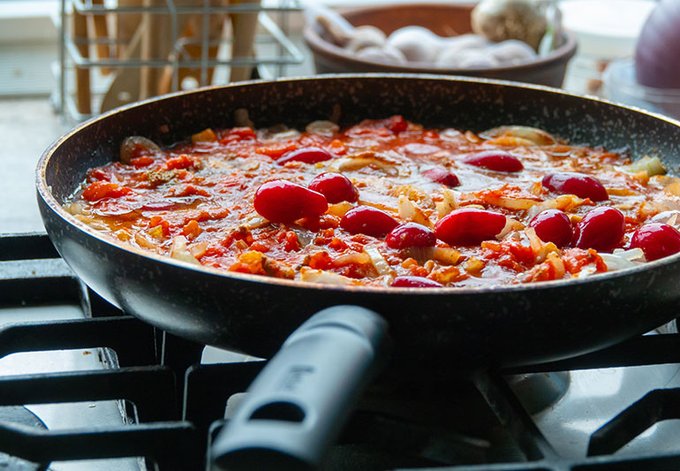
Why not try your hand at making homemade tomato sauce? The freshness of the tomatoes and the smokiness of the roasted vegetables make this a great topping for spaghetti. If you don’t have your own garden, use canned Roma tomatoes for a tasty dish that includes roasted mushrooms, broccoli and peppers.
Tomato sauce
Olive oil cooking spray
2 garlic cloves, minced
1 small carrot, minced
1 shallot, minced
4 cups peeled, seeded, and diced ripe tomatoes or one 28-ounce can no-salt-added diced tomatoes, drained
1/4 cup dry red wine
1 1/2 tablespoons balsamic vinegar
1/4 teaspoon crushed red pepper flakes, optional
1/4 cup chopped fresh basil
Pasta
1/2 pound whole wheat spaghetti
3/4 pound broccoli florets and stalks, peeled and cut into bite-size pieces
2 portobello mushrooms, halved and thinly sliced
1 red, yellow or orange bell pepper, seeded and coarsely chopped
1 1/2 tablespoons extra-virgin olive oil
1 1/2 tablespoons balsamic vinegar
Freshly grated pepper
2 tablespoons freshly grated Parmesan cheese
Makes 4 servings
Calories: 363
Total fat: 4 g
Protein: 15 g
Carbohydrate: 71 g
Dietary fiber: 4 g
Cholesterol: 0 mg
Sodium: 100 mg
Potassium: 93 mg
— Cleveland Clinic Healthy Heart Lifestyle Guide and Cookbook (© 2007 Broadway Books).


 Healthaware