

A few seconds after your first sip, alcohol starts to change how your body works. https://wb.md/2q7IJZl

Health is Wealth
A few seconds after your first sip, alcohol starts to change how your body works. https://wb.md/2q7IJZl
You know exercise builds muscles, strengthens bones, keeps your heart healthy and your mind sharp. But it also does something that you might not think much about: It helps keep your immune system — your internal defenses against infection — in tip-top shape.
If you take time for some physical exertion each day, it helps get your body ready to attack bacteria, viruses and toxins that can sneak in and make you sick.
But how much exercise is effective? Do too little or too much, and it won’t have the best effect on your immune system.
Clinical immunologist Leonard Calabrese, DO, answers common questions about how exercise can impact your immunity and how to use your workouts to shut out a world of would-be invaders.
A: If you exercise moderately on a regular basis, it tunes up the immune system in many ways. It enhances your broad-based defenses against viral infections, such as those causing upper respiratory infections.
Working out regularly also reduces the risk of many chronic diseases such as cardiovascular, respiratory illnesses and metabolic diseases, such as type 2 diabetes.
A: Fortunately, you don’t have to push yourself to the limit to rev up your immune system. In fact, your immune system needs less of a workout than you get with your average cardio routine.
Focus on getting 20-30 minutes of moderate exercise, five days a week, and your immune system will thank you.
A: Moderate exercises, including biking or walking briskly in your neighborhood, are good ways to get your blood flowing. Swimming is also a good option for non-weight-bearing exercise for your joints.
Also try mind-body exercises such as Tai-Chi, Qi Gong and yoga, which are all options that help keep your joints flexible. These exercises also reduce chronic stress, which in itself is a powerful immune booster. These exercises can also help alleviate osteoarthritis and fibromyalgia symptoms.
A: Yes, though, the level to which it can slow your system down is still up for debate.
Research shows that exercising for more than 1.5 hours without refueling your body or giving it enough time to recover suppresses your immune responses for up to a few days. During that time, your cortisol levels rise, your white blood cell count drops and you’re more likely to develop a respiratory infection.
This problem usually affects elite athletes, such as marathon runners, most.
On the flip side, staying sedentary also increases your risk of infection, inflammation and chronic disease.
A: Yes, it can. This is a complex issue, but I like to tell my patients to do a “neck check.” If your symptoms are mostly of a mild cold without fever or lower respiratory symptoms, such as a productive cough, wheezing or shortness of breath, mild exercise can actually reduce congestion and may make you feel better.
If your symptoms are primarily in your lungs or you have a significant fever its better to rest until things settle down. Regardless, good hydration is important.

·
There’s no spice quite as cozy as cinnamon. Turns out, this kitchen staple can provide a boost not only to your meals, but also to your body.
There’s no spice quite as cozy as cinnamon. As the weather gets colder, it becomes an ever more appealing addition to baked goods and savory dishes alike — and it turns out that this kitchen staple can provide a boost not only to your meals, but also to your body.
The health benefits of cinnamon may surprise you. Studies show that it has anti-inflammatory properties and may help reduce blood sugar and cholesterol. So, why not work this versatile spice into your meal rotation? Here are a few tasty ways to do so.

Spices and herbs are the stars of this Baked Cinnamon-Thyme Chicken, with cinnamon providing a sweet nuttiness and thyme bringing an added earthiness. The end result is a healthy, flavorful dish that packs plenty of flavor and health benefits.
Looking for an alternative to applesauce? Kiddos and adults alike will gobble up Cinnamon Cranberry Sauce, with its similar texture and bold, red berries. Loaded with vitamins C and E, it’s delightful as a standalone side or atop your turkey.
Subtly sweet and buttery, Baked Cinnamon Acorn Squash is a fall treat packed with beta carotene. Eat it as a side dish or snack — either way, it melts in your mouth. It’s also got powerful antioxidants that help your body kick free radicals to the curb.
Gluten-free and surprisingly simple to make, Spiced Sweet Potato Quick Bread combines the cozy flavors of cinnamon, nutmeg and mace. But there’s one ingredient you won’t find in this recipe — sugar.
On cold nights, there’s nothing like a hot beverage. Green Tea Infused With Apples & Cinnamon is a brain-healthy choice that’s steeped in flavor. Tea is a great source of potent antioxidants, and cinnamon adds both flavor and antioxidants.
Cinnamon pairs perfectly with all varieties of apples for an autumnal combo that can’t be beaten. Whether you’re seeking a healthy dessert (or breakfast) like Warm Apple Cinnamon Cranberry Crisp, whipping up a quick batch of No-Bake Apple Cinnamon Bites to munch on or looking for a guilt-free snack like Chewy Cinnamon Apple Rings, the opportunities are endlessly delicious.
Tame inflammation and ease your soul by sipping on Almond Gold Milk with Apricots and Cinnamon, a unique blend of flavors made for soothing inflammation. Try this creamy concoction once, and you’ll want to enjoy it again and again.
Cinnamon for dessert! Get kids involved in making Grilled Peaches with Cinnamon Honey Yogurt Dip, a simple dish made with fresh fruit and a cool dipping sauce. It’s a refreshing, healthy and delicious way to end any meal.
OK, OK, cinnamon isn’t necessarily the standout star of these Fudgy Black Bean Brownies, but the spice is a key component that gives a subtle kick of taste and sweetness to these flourless treats. The black beans add texture but don’t interfere with the chocolate, we promise!
Loaded with fiber and heart-healthy polyphenols, Savory Seasoned Popcorn is one of the healthiest snacks around — and it’s not drowned in butter. Cinnamon makes for a tasty topping that brings antioxidant power and adds hardly any calories.


A new way to incorporate salmon into your weekend brunch
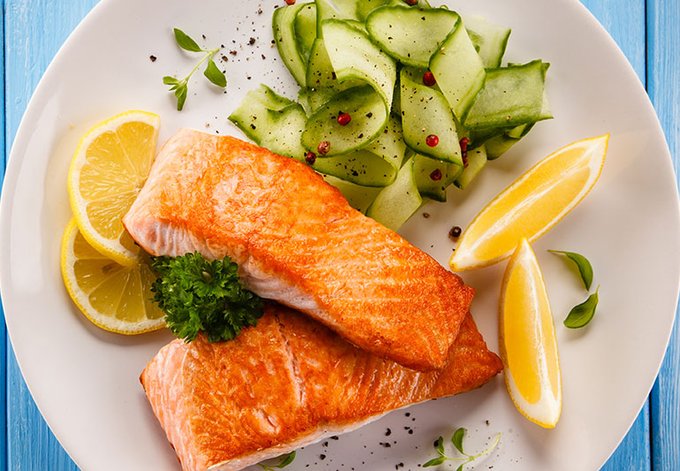
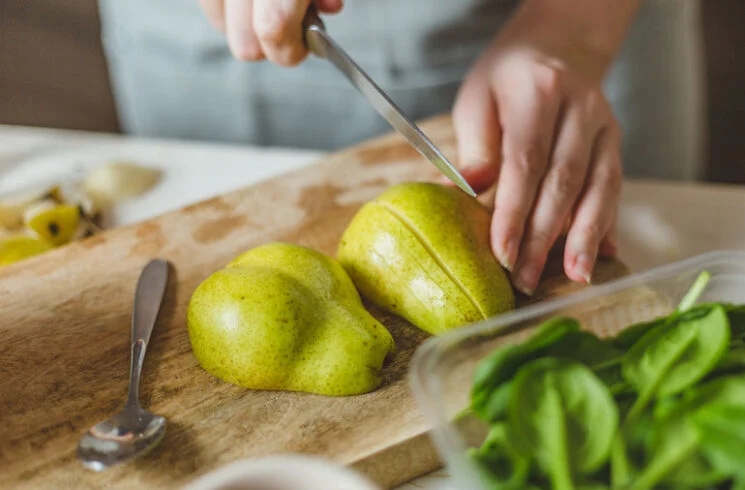
Ironically, not every pear is “pear-shaped.” One variety, Asian pears, is actually shaped like an apple. But no matter their shape, all pears are rich in disease-fighting nutrients.
“Pears are so healthy, and most people tolerate them very well,” says registered dietitian Beth Czerwony, RD, LD. “They’re terrific for your digestion and have other impressive health benefits. They’re a perfect snack if you’re craving something sweet.”
Pears are members of the Rosaceae plant family, along with apples, apricots, cherries, peaches and several other fruits and berries. Pears can range in texture, color, crispness, juiciness and sweetness. Common varieties you may find in the grocery store include:
Are pears good for you? Absolutely. Pears are a great source of antioxidants, fiber, potassium and vitamin C. But they’re not just full of nutrients — they also may lower your risk of some diseases. Here are five ways pears boost your health.
Like most fruit, pears are a source of good nutrition. One medium pear has approximately:
A medium pear also gives you:
Nobody enjoys the dreaded crash that happens after sugary foods spike your blood glucose. Steady blood sugar means a steady supply of energy, which is healthier for your body. Blood sugar management is even more important if you have diabetes.
Czerwony says pears may help stabilize blood sugar and even reduce your risk of Type 2 diabetes. How? Fiber, for starters. A medium pear offers nearly one-quarter of the fiber you need in a day. Fiber helps keep blood sugar steadier by slowing your body’s absorption of sugar.
Pears also contain anthocyanin, an antioxidant. An observational study suggests a link between eating anthocyanin-rich foods and a lower risk of Type 2 diabetes.
Another study showed that eating pears could significantly lower your odds of developing Type 2 diabetes. For each serving of pears eaten per week, researchers found a 3% lower risk of Type 2 diabetes.
In addition, pears are a low-glycemic food, which means they won’t spike your blood sugar like sugary foods and some fruits can.
Fiber adds bulk to and softens your stool, which helps things move along in your gut. Lots of foods contain fiber, but pears are a particularly excellent source.
A single pear contains 6 grams of fiber (more than 20% of what an adult needs in a day). And pectin, a type of fiber in pears, has some specific benefits. Pectin is a soluble fiber known to help:
To reap the fibrous benefit of pears, don’t skip the skin. “Pear skin contains a significant amount of the fruit’s total fiber content,” notes Czerwony.
Inflammation happens when your immune system tries to protect you from something — an infection, a toxin or some other offender. Some temporary inflammation is actually a healthy response to these things. But when inflammation hangs around, it can contribute to diseases such as Alzheimer’s, asthma, cancer and Type 2 diabetes.
Antioxidants are nutrients that can prevent some of the cell damage that leads to inflammation. Pears are rich in powerful types of antioxidants called flavonoids.
Research shows that flavonoids can reduce inflammation and lower the risk of:
Pears are an excellent part of a heart-healthy diet. Nutrients in pears that can benefit your heart include:
In addition, a study examining the effects of fruit and vegetable consumption suggests eating pears lowers your risk of stroke. And one large clinical trial showed a link between eating pears and a lower risk of dying from heart disease.
“In general, fresh fruits are best because they have the highest amount of nutrients,” explains Czerwony. “Frozen is usually a close second to fresh. The heat of canning, though, can break down certain nutrients.”
But don’t avoid canned pears completely. They’re still good for you. She advises looking for pears in water rather than syrup, which adds unneeded sugar.
“You might be surprised by what you can do with fresh pears,” she adds. “Think of how you use apples — sliced raw, in pies or baked — and you can do all those things with pears.”
Try making this poached pear dessert, include pears in your stuffing or make some interesting salads with pears.
Harvard HealthVerified account @HarvardHealth
The best medicine for back pain may be good old-fashioned movement and exercise. http://bit.ly/2TArb8A #HarvardHealth #exercise



·
If everyone who has ever been grateful for a midwife followed and reposted we’d reach a million followers by midnight Thank you for everything



 Healthaware