


Health is Wealth

Why the idea that “a little red wine is good for your heart” doesn’t hold up anymore.
I used to drink.
A lot more than I should have.
And while I had some seriously good times when I was drinking, it came at a huge cost.
Brutal hangovers. Terrible sleep. Wrecked weekends.
Even a broken back.
(But that’s a story for another day.)
I still drink.
But just very little these days.
As a cardiologist, I am asked almost every day if ‘Alcohol is good or bad for your health?’.
Let’s find out.
There is no getting away from the fact that, at its most basic chemical foundation, alcohol is a toxin.
Globally, alcohol is responsible for 3 million deaths per year; in the United States, it is the third leading cause of preventable death¹².
Alcohol is a factor in³:
Alcohol is a factor in 1 in 5 emergency department presentations⁴.
No pun intended, but these statistics make for some sober reading.
‘Red Wine Is Good For Your Heart.’
Now come on.
Did you really think that was true?
I have heard this phrase over and over again in my clinical practice.
High levels of exercise are good for your heart, but oddly enough, most people seem to be far less enthusiastic about this approach than regular alcohol consumption.
Let’s see what the data says.
Up until very recently, it was believed that drinking 1-2 drinks per day was actually protective when it came to dying prematurely⁵.

This data was based on observational studies that cannot fully control for all confounders and can therefore not infer causality.
When you examine the people who drink only 1 to 2 drinks per day, you consistently find that they are much less likely to smoke, be overweight or engage in any other risky health behaviours.
So in truth, it probably wasn’t the alcohol that was driving the effect.
More recent studies have attempted to control for this variable more carefully, and the relationship is clear.
The more you drink.
The higher the risk.
Take coronary artery disease. Higher alcohol intake equates to a higher risk.
The same applies to high blood pressure⁶.

The same applies to stroke⁷.
The list goes on⁸:
You get the point.
With all this information to hand, why is it then that I and billions of others continue to drink alcohol?…
Become a paying subscriber of Dr Paddy Barrett to get access to this post and other subscriber-only content.
 | Subscriber Only Posts & Access To Full Archive |
| 25% Discount On Live Education Sessions & AMA’s |
| Discounts On Courses & Live Education Sessions & AMA’s |

A meal that’s heavy in sugar and starch is no way to start your day – especially if you’re following the ketogenic diet.
These recipes from functional medicine specialist Mark Hyman, MD, are a great way for anyone — keto or not — to bring real, whole, fresh foods (including non-starchy vegetables) to your plate first thing in the morning.
The jicama serves as a lighter alternative to traditional potato, while turkey bacon is a stand-in for pork.
This versatile, protein-packed meal is easy on your digestive system and always a hit with the kids, too.
A creamy, low-carb smoothie is a great way to start your day and get into fat-burning mode. And ginger is great for digestions.
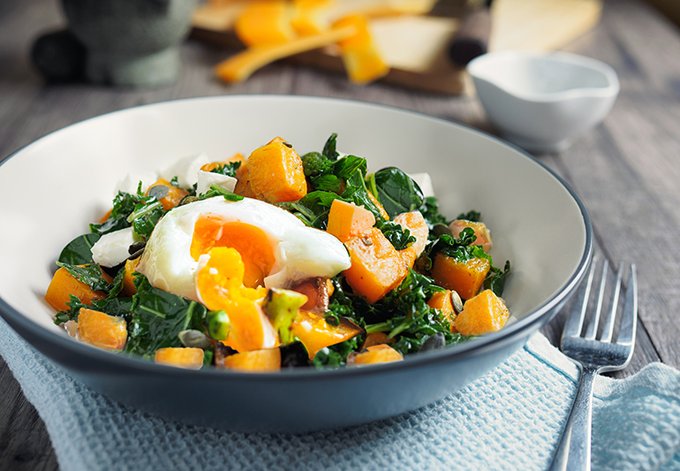
What’s the easiest way to upgrade a plate of greens? Put an egg on top! This tasty and comforting dish is good for breakfast – or lunch or dinner.
For those who don’t want coffee, this latte is a great morning drink that provides healthy fat without caffeine.
With a few veggies and precooked sausage, you can have this satisfying, savory frittata on the table in under 45 minutes.


and
Liked by tinasjourney123 and others



LauraLynn, Ireland’s Children’s Hospice
Ad
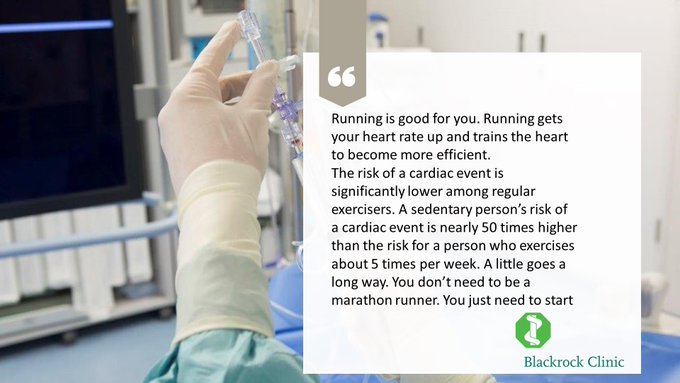
Build a regular running routine. Enjoy the headspace. Help make the most of short and precious lives. Run 50 miles in June and raise funds for Ireland’s only Children’s Hospice. Sign up today for your FREE running top and to join the Strava Club.
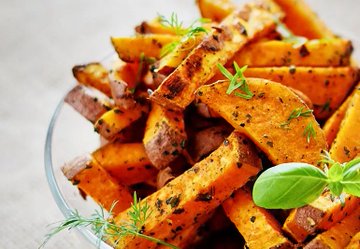
Swap regular fries for these delicious, and nutritious, potato wedges
These crispy sweet potato wedges come out Cajun spicy and sweet. Don’t tell anyone but they’re also really healthy. They’re loaded with antioxidants and phytonutrients and are a great source of beta-carotene. Another plus? As complex carbs, they digest slowly and raise blood sugars gradually — keeping you from a spike and drop-off.
Serving = 1 cup
Calories: 110
Total fat: 5g
Saturated fat: 0.5g
Trans fat: 0g
Protein: 2g
Carbohydrate: 16g
Dietary fiber: 3g
Sugar: 5g
Cholesterol: 0mg
Sodium: 57mg

·
For less stress, keep outside in mind! Spending time in nature can help lower stress and anxiety, improve your mood, and boost feelings of happiness and well-being.
Harvard HealthVerified account @HarvardHealth
The best medicine for back pain may be good old-fashioned movement and exercise. http://bit.ly/2TArb8A #HarvardHealth #exercise

 Healthaware