Alcohol is a toxic, addictive drug that can be very damaging to health. Alcohol products, mainly beer, spirits and wine can be marketed without reference to alcohol in the advertising. Alcohol is consumed without restraint or regard for its health consequences.
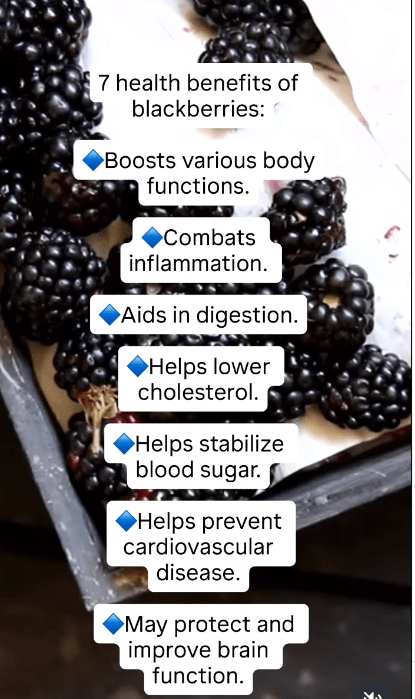
These succulent little berries are packed with vitamins, minerals, fiber and antioxidants. Blackberries are an excellent source of vitamin C, vitamin K and manganese, which your body depends on to carry out some especially important functions. Experts recommend eating about two servings of fruit per day, and a serving of blackberries can certainly fit the bill. One cup usually comes out to about 15 or 16 individual berries, depending on their size.
Here’s a medical news story that combines a common habit (drinking coffee) with a common skin condition (rosacea) — and it even has a happy ending.
What is rosacea?
Rosacea is probably something you’ve seen plenty of times and didn’t know what it was — or perhaps you have it yourself. It’s that pink or red discoloration on the cheeks some people have, especially fair-haired women. Sometimes there are small bumps that may look a bit like acne. If you look closely (after asking nicely for permission, of course), you’ll see tiny blood vessels just under the surface of the skin. In more severe cases it may involve the chin, forehead, nose, ears, and other skin surfaces. It may affect the eyes, eyelids, and cause thickening of the skin over the nose.
We don’t know what causes rosacea. However, there are theories that it may be, at least in part, a genetic condition, as it can run in families. Because the immune system seems to be involved in the inflammation of rosacea, and because other autoimmune conditions (such as type 1 diabetes and multiple sclerosis) may accompany rosacea, abnormal immune function may play a role. Medications (such as topical anti-inflammatory drugs) and antibiotics can reduce redness and inflammation but there is no cure. Many people seem to be able to reduce signs of rosacea by modifying their diet to avoid foods that trigger it.
Rosacea affects more than 14 million people in the US, including some celebrities, such as Bill Clinton and the late Diana, Princess of Wales. And while it’s not dangerous, it can have a significant cosmetic impact. Caffeine, sun exposure, spicy foods, and hormonal factors are thought to be able to trigger rosacea’s development or make it worse once present. Yet, a new study challenges the connection between caffeine and rosacea.
More coffee, less rosacea?
A recent study analyzed health data from surveys provided to nearly 83,000 women over more than a decade and found that:
Those drinking four or more cups of coffee per day were significantly less likely to report a diagnosis of rosacea than those who drank little or no coffee.
Those drinking less than four cups of coffee each day were also less likely to have rosacea, though the protective effect was smaller.
Consumption of decaffeinated coffee was not linked to a lower incidence of rosacea.
Caffeine intake from other foods or beverages (such as chocolate or tea) had no impact on the likelihood of developing rosacea.
Why is this important?
These results of this study are more than just interesting observations. If other research can confirm the findings, it could lead to a better understanding of why rosacea develops in some people and not in others. Because inflammation driven by the immune system is thought to play an important role in rosacea, insights into the development of this disease could extend to advances in other autoimmune disorders. Finally, many people with rosacea (or a family history of the disease) who like coffee may avoid it because of the widespread notion that coffee will make it worse. The findings of this study suggest that’s not true.
There are always caveats
As with all research of this type, there are limitations to consider. For example, this study
only included women, most of whom were white — we’ll need additional studies of men and other ethnic groups to know if the findings extend widely.
relied on health surveys and study participants’ memories regarding past diagnoses and diet; such survey data may not always be accurate.
found a link between higher coffee consumption with lower risk of rosacea, but it cannot determine whether coffee consumption actually caused a reduction in rosacea.
The bottom line
Coffee is one of the mostly widely consumed beverages on the planet, and it’s also among the most widely studied. While it can cause problems for some people (such as heartburn, tremor, or palpitations), it’s a source of pleasure and enjoyment for millions. In addition, coffee has been linked with a number of health benefits, ranging from reductions in type 2 diabetes and liver cancer to greater longevity. From this latest research, it appears that you can add the possible prevention of rosacea to the list.
About the Author
Robert H. Shmerling, MD, Senior Faculty Editor, Harvard Health Publishing; Editorial Advisory Board Member, Harvard Health Publishing
Dr. Robert H. Shmerling is the former clinical chief of the division of rheumatology at Beth Israel Deaconess Medical Center (BIDMC), and is a current member of the corresponding faculty in medicine at Harvard Medical School. … See Full Bio
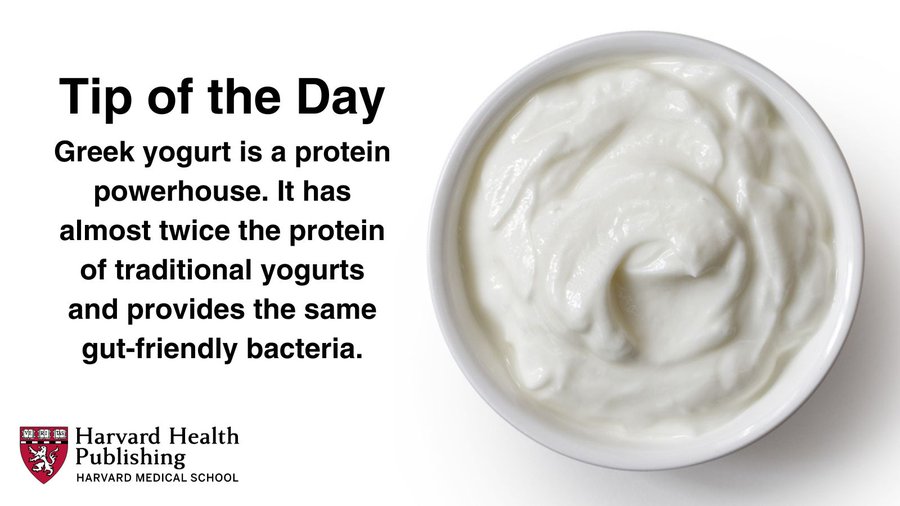
Protein in Greek yogurt: Greek yogurt is a protein powerhouse. It has almost twice the protein of traditional yogurts and provides the same gut-friendly bacteria. #HarvardHealth
These succulent little berries are packed with vitamins, minerals, fiber and antioxidants. Blackberries are an excellent source of vitamin C, vitamin K and manganese, which your body depends on to carry out some especially important functions. Experts recommend eating about two servings of fruit per day, and a serving of blackberries can certainly fit the bill. One cup usually comes out to about 15 or 16 individual berries, depending on their size.
These succulent little berries are packed with vitamins, minerals, fiber and antioxidants. Blackberries are an excellent source of vitamin C, vitamin K and manganese, which your body depends on to carry out some especially important functions. Experts recommend eating about two servings of fruit per day, and a serving of blackberries can certainly fit the bill. One cup usually comes out to about 15 or 16 individual berries, depending on their size.
Strong core muscles support cardio health by helping people stay active. Easy core exercises, such as walk-and-carry #exercises, are especially helpful because they strengthen many muscles at the same time and simulate real-life activities: https://bit.ly/3qgJsWD#HarvardHealth
Fuel up with protein and healthy fats for breakfast!
A meal that’s heavy in sugar and starch is no way to start your day – especially if you’re following the ketogenic diet.
These recipes from functional medicine specialist Mark Hyman, MD, are a great way for anyone — keto or not — to bring real, whole, fresh foods (including non-starchy vegetables) to your plate first thing in the morning.
Staying hydrated is essential, but how much water do you really need each day? While the general goal is around 100 ounces for men and 73 ounces for women, your actual needs depend on factors like activity, weather and metabolism. Water isn’t just about quenching thirst—it supports blood flow, glowing skin and even your teeth. Learn more in the Cleveland Clinic Diet App, located in the app store today!5d
Your yoga practice can be a therapeutic tool for pain management and prevention. Try this gentle sequence to target your nerves and protect their signaling powers.
yogajournal.com
Join Tiffany Cruikshank at Yoga Journal’s upcoming event in January at 1440 Multiversity. Learn more at yogajournal.com/thepractice.
With all of the new and emerging information on pain science, yoga students and teachers have the opportunity to apply modern research to their practices and help alleviate and prevent pain.
Preliminary research suggests that gentle movement of your nerves is vital to both managing pain and supporting the general health of your nervous system. The idea is that healthy nerves should be able to gently slide, elongate, and angulate within neural tissues (some nerves can move as much as ¾ inch) in order to adapt to different loads and minimize pressure that can worsen existing pain, alter sensation, or lead to new pain patterns. Sometimes, tone and tension around neural tissues can be a problem. These tissues are bloodthirsty and rely on an important pressure gradient around them to maintain adequate blood flow. So even small changes in tissue tension around a nerve can be enough to block nerve mobility and lead to compression that disrupts blood flow and nerve signaling back to the brain, contributing to pain.
To help you keep your nerves adaptable and protected, try the asana technique on the following pages based on an understanding of neurodynamics (the study of nerve movement through its surrounding tissues) and nerve pathways. We have the ability to alternately put tension on different ends of the nerve to create a movement of the nerve through the tissues, often referred to as nerve gliding. As you floss the nerve, you potentially allow it to move more freely so that it can communicate more efficiently with your brain. For example, the sciatic nerve runs through the back of your leg, so in Supta Padangusthasana (Reclining Hand-to-Big-Toe Pose) if you bend your knee (raised leg) and flex your foot, you’ll put tension on one end of the nerve (by your foot) and slack the other end (by your knee). This action draws the sciatic nerve and its branches toward your foot. Then, as you extend your knee and point your toes, you’ll reverse the areas of tension and slack. This action draws the branches of the sciatic nerve toward your knee. When you put these movements together you can encourage the sciatic nerve to move back and forth through its tissues more effortlessly. You also may down-regulate local inflammatory responses, restore healthy blood flow to the hard-working nerve, and encourage more efficient communication between your brain and body. Optimal signaling is crucial if you want your immune and nervous systems to function at their best, which is another reason to add nerve gliding to your repertoire.
The key to nerve gliding is to move gently within an easy range of motion. Since your target is the pain-free movement of your nerves, not of your muscles and fascia, you want very little sensation or stretch. It’s a great reminder that even in the physical body there’s clearly more to what we do than just sensations or the feel-good endorphins associated with them. Another thing I love about this approach is that, in addition to being a safe way to work with pain, it’s very accessible since it’s about simple, gentle movements.
To begin, pick a nerve you want to focus on and find a range of motion that’s accessible, pain-free, and with very little (if any) stretching sensation. Do 5–10 repetitions of the pose or this sequence once or twice a day. If you’re using these moves more preventatively, try rotating a few of them into your regular practice a couple times a week, and remember that in group classes there’s more than just stretch and sensation affecting the tissues. Happy flossing!