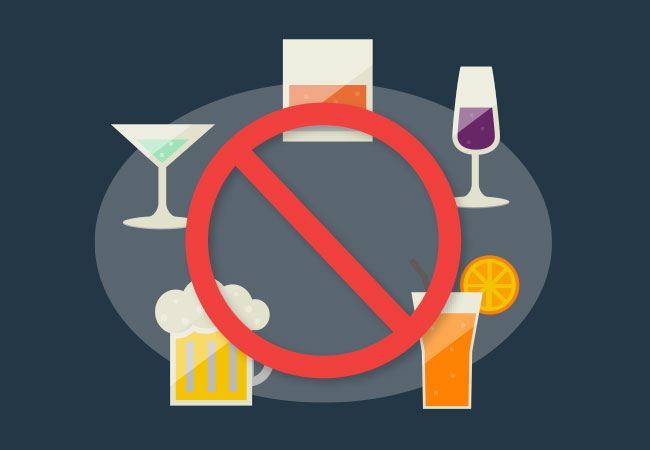
Alcohol is a toxic, addictive drug that can be very damaging to health. Alcohol products, mainly beer, spirits and wine can be marketed without reference to alcohol in the advertising. Alcohol is consumed without restraint or regard for its health consequences.
Even casual drinking can put your long-term health at risk. Our liver specialist explains the findings of this study.
New Study: No Level of Alcohol — Even Casual Drinking — Is Entirely Safe
Leading cause of death of those age 15-49
Stopping for happy hour with colleagues after work. Cracking open a cold beer (or two) while watching the game. Meeting up with girlfriends for a glass of pinot noir. Having an alcoholic beverage of choice is a common way to unwind. But according to a recent study, even casual drinking can put your long-term health at risk.
Liver specialist Jamile Wakim-Fleming, MD, did not take part in the study, but says the research found that alcohol was a leading risk factor for both disease and premature death.
“They found that alcohol was the seventh leading cause of death worldwide,” she says. “But even more alarming, is that it was the first leading cause of death of people between the ages of 15-49.”
What the study examined
The study looked at global data from hundreds of previous studies and found that for all ages, alcohol was associated with 2.8 million deaths each year.
Researchers found that alcohol-related cancer and heart disease, infectious diseases, intentional injury, traffic accidents and accidental injury were some of the leading causes of alcohol-related deaths.
But isn’t alcohol good for your heart?
Dr. Wakim-Fleming says people often believe that a little bit of alcohol, wine in particular, may be good for their heart. But the study results didn’t show any health benefit to drinking any amount of alcohol.
She says this information, along with previous research that has shown more young people are dying from alcohol-related liver disease, indicates that excessive drinking among young adults is a growing problem.
The damage grows over time
And like any substance-abuse problem, Dr. Wakim-Fleming says the damage to the body from alcohol increases over your lifespan.
“It’s a cumulative effect,” she explains. “If you do it all at once, then you’re going to have the effect now. If you drink on a regular basis, over years it’s going to be cumulative and you will end up with a problem later on.”
Dr. Wakim-Fleming notes that anything we do in life involves risk, but it’s important to know what the risks are so that we can make the best decisions for our health.
Strawberries give you a lot of nutritional value for very few calories! They are tasty but naturally low in sugar. That’s a combination that’s hard to beat! 🍓5w
enhancehealthllcLike we needed more reasons to love strawberries?! Thanks for sharing! 👏🍓💙
I wrote this poem about a very difficult time in my life. About a time where life felt too hard to carry on. But on the other side of darkness is light. Asking for help was the moment that changed everything. Thank you to my
Suicidal thoughts affect 1 in 5 people in the UK. It can be hard to talk about, but for the first time @DrPunamKrishan shared her experience on the show.
This clean, light, flavorful meal is perfect any time of day! Look for local veggies, and you’ll know spring has truly sprung. Ready for a spring-cleaning that doesn’t involve baseboards or windows? After a chilly winter filled with hearty soups and stews, there’s nothing like spring vegetables to lighten your, err, load. Our Spring Veggie + Grain Bowl features ribbons of tender, sweet asparagus and carrots on a bed of fluffy quinoa. Radishes and jalapeño, plus a simple, light dressing of tahini, lemon juice and garlic, add zing and tang — plus loads of nutrients. This vegan dish makes a clean, light, flavorful lunch or dinner — or even breakfast. Look for local veggies, and you’ll know spring has truly sprung. Ingredients 1 cup quinoa 3 tablespoons tahini, well stirred 3 tablespoons water 2 tablespoons fresh lemon juice 1 small clove garlic, minced ¼ teaspoon kosher salt 12 asparagus spears 3 carrots 6 radishes 1 jalapeño, seeds removed if desired ½ cup fresh parsley leaves Directions In a medium saucepan, combine the quinoa with 2 cups of water over medium-high heat and let come to a boil. Stir once, cover with a tight-fitting lid, and reduce the heat to low. Cook for 15 minutes, until the water is absorbed. Remove from the heat and fluff with a fork. Let stand, covered, for 5 minutes more. In a small bowl, whisk together the tahini, water, lemon juice, garlic and salt. Using a vegetable peeler, peel the asparagus and carrots into long ribbons. Thinly slice the radishes and jalapeño. Divide the quinoa among bowls and add the vegetables. Drizzle on the dressing and scatter the parsley leaves over the top. Nutritional information (per serving) Makes 4 servings. 376 calories, 20 g total fat, 3 g saturated fat, 13 g protein, 39 g carbohydrate, 6 g dietary fiber, 3 g sugar, 0 g added sugar, 0 mg cholesterol, 112 mg sodium Source: Developed by Sara Quessenberry for Cleveland Clinic Wellness
Moderate-to-vigorous exercise appears to boost cardiorespiratory fitness, which quantifies how well the heart & lungs supply oxygen to the muscles. Higher CRF during midlife is linked to a lower risk of heart disease later: https://bit.ly/3rEwvXe#HarvardHealth
There are a lot of areas of sleep that science and medicine can understand and explain. But dreams are an entirely different territory, as the question ‘why we dream’ remains largely unanswered.
Vivid and frequent dreaming is often left open to interpretation through things like dream dictionaries and discussing with friends. Did that dream about your ex-boss really mean you have pent-up guilt and anxiety about your last job? Frequently having stress or anxiety-ridden dreams is usually a red flag for real life stress and the role it’s playing on your body. If you’re constantly waking up panicking in a cold sweat over a dream, it’s time to get your thoughts and stress in order.
Stress: we all have it, but it doesn’t have to control us
Stress is an emotional, physical or mental tension that results from something that’s outside of us.
Some of the bigger stressors or stressful life events include moving to a new place, changing roles at school or work, relationship issues or losing a family member. Stress can cause sleep difficulties, including insomnia, by making it difficult to fall asleep and stay asleep. This impacts the quality of rest. Stress can also cause hyperarousal, which can upset the balance between sleep and wakefulness.
Being stressed is associated with poor sleep in general, and may trigger more frequent dreams. So it’s not uncommon to experience a distressing dream prior to a big event like a job interview, taking an exam or an important appointment.
And although there’s limited research about controlling the content of dreams, anxiety dreams can generally be a result of increased stress during our day-to-day lives. Daily stress can also increase the frequency of these dreams.
The good news? You have a great deal of control over your stress. If you learn to better manage stress in your life, you’ll likely decrease anxiety-ridden dreams and improve your sleep.
Here are four simple strategies to help your mind and body relax before turning in for the night:
Spend time winding down before bed: This can be thought of as a “buffer zone,” which is a period of time to allow the activating processes in the brain to wind down and allow your sleep system to take over. It’s generally a good rule of thumb to start about an hour before bedtime. During this time, engage in relaxing activities that you enjoy like reading or listening to music.
Schedule “worry time”: If you’re finding it difficult to control your worrying prior to bedtime, scheduling a specific time when you’re allowed to worry may help. Find a time that’s convenient for you and write down your concerns. Limit the time to a specific amount and stick to it by planning something to do afterward. For example, you can plan 15 minutes in the evening, before your favorite TV show.
Think of your bedroom as a place just for sleep, sex and pleasant activities: Try to limit the time you spend in bed worrying or being anxious. If you find yourself lying awake in bed stressed out, leave the bedroom and spend time in another room until you feel sleepy.
Practice relaxation techniques: There are other ways to relax while getting ready for bed, such as breathing exercises, guided imagery and progressive muscle relaxation movements. (You can even check out free apps that help guide you through these exercises.) These techniques can be some of the most critical aspects of stress management and you can use them close to bedtime or throughout your day.
When you wake up panicking at 3 a.m.
We’ve all been there – a nightmare or stress dream causes you to wake up. The next thing you know you’re lying there overthinking your finances and everything you have to do the next day.
When this happens, what can you do to get back to sleep?
Stop watching the clock: Counting the minutes will only heighten your distress. Turn your alarm clock around and don’t pick up your phone.
Try to relax your body: Use a relaxation strategy that helped prior to bed to relax your body and mind.
Get out of bed: If you can’t fall back to sleep after a stressful dream, then try getting out of bed to help decrease the frustration. Don’t spend time in bed hopelessly trying to get back to sleep or interpreting your dream. (If your dream caused you anxiety, you may find yourself attempting to interpret it. But this can further increase the worry. This process will result in your brain associating your bed with stress and not sleeping well.) Once you leave your bed, find an activity that is uninteresting or boring. When you start to get drowsy, go back to bed.
Since dreams obviously aren’t measurable, there’s no real answer to what meaning they hold in our day-to-day life. But we do know that we generally have control over daily stress, which can trigger weird or anxiety-clad dreams. Learning to control the crazy and manage your stress is your best defense to help you sleep peacefully








 Healthaware