
Health is Wealth
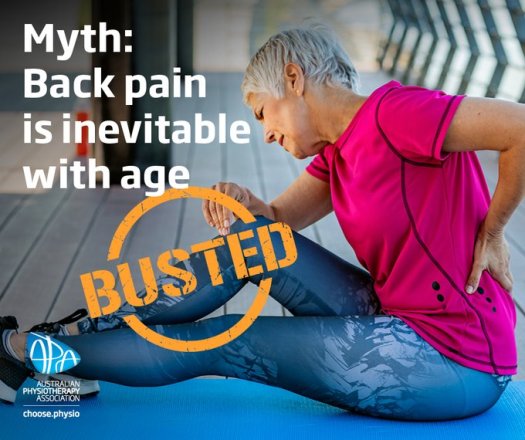
LBP #mythbusting day 2! Getting older is NOT a cause of #backpain.
@MaryOKeeffe00. More: ow.ly/IMRZ50y6q7d
You know exercise builds muscles, strengthens bones, keeps your heart healthy and your mind sharp. But it also does something that you might not think much about: It helps keep your immune system — your internal defenses against infection — in tip-top shape.
If you take time for some physical exertion each day, it helps get your body ready to attack bacteria, viruses and toxins that can sneak in and make you sick.
But how much exercise is effective? Do too little or too much, and it won’t have the best effect on your immune system.
Clinical immunologist Leonard Calabrese, DO, answers common questions about how exercise can impact your immunity and how to use your workouts to shut out a world of would-be invaders.
A: If you exercise moderately on a regular basis, it tunes up the immune system in many ways. It enhances your broad-based defenses against viral infections, such as those causing upper respiratory infections.
Working out regularly also reduces the risk of many chronic diseases such as cardiovascular, respiratory illnesses and metabolic diseases, such as type 2 diabetes.
A: Fortunately, you don’t have to push yourself to the limit to rev up your immune system. In fact, your immune system needs less of a workout than you get with your average cardio routine.
Focus on getting 20-30 minutes of moderate exercise, five days a week, and your immune system will thank you.
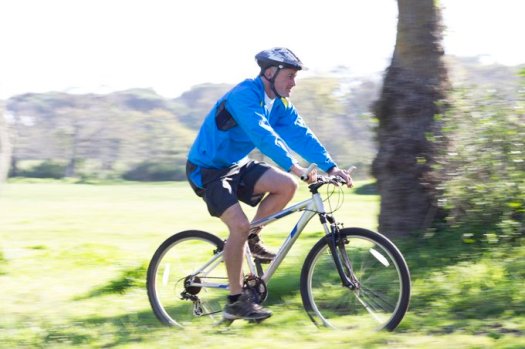
A: Moderate exercises, including biking or walking briskly in your neighborhood, are good ways to get your blood flowing. Swimming is also a good option for non-weight-bearing exercise for your joints.
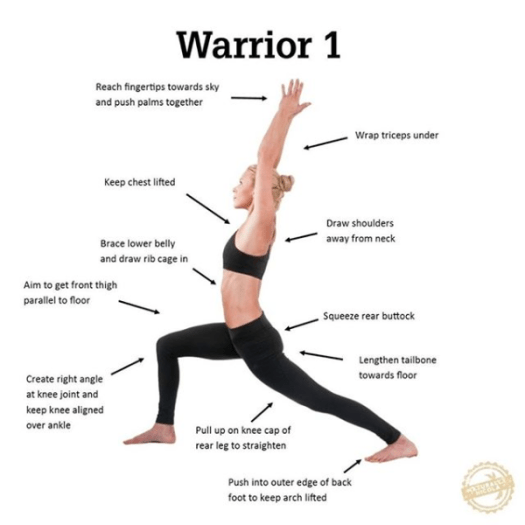
Also try mind-body exercises such as Tai-Chi, Qi Gong and yoga, which are all options that help keep your joints flexible. These exercises also reduce chronic stress, which in itself is a powerful immune booster. These exercises can also help alleviate osteoarthritis and fibromyalgia symptoms.
A: Yes, though, the level to which it can slow your system down is still up for debate.
Research shows that exercising for more than 1.5 hours without refueling your body or giving it enough time to recover suppresses your immune responses for up to a few days. During that time, your cortisol levels rise, your white blood cell count drops and you’re more likely to develop a respiratory infection.
This problem usually affects elite athletes, such as marathon runners, most.
On the flip side, staying sedentary also increases your risk of infection, inflammation and chronic disease.
A: Yes, it can. This is a complex issue, but I like to tell my patients to do a “neck check.” If your symptoms are mostly of a mild cold without fever or lower respiratory symptoms, such as a productive cough, wheezing or shortness of breath, mild exercise can actually reduce congestion and may make you feel better.
If your symptoms are primarily in your lungs or you have a significant fever its better to rest until things settle down. Regardless, good hydration is important.


The American Heart Association has released the 1st Scientific Statement on spontaneous coronary artery dissection or SCAD. We also share a Heart facts infographic. Take a look! medivizor.com/blog/2018/02/2
LBP #mythbusting day 2! Getting older is NOT a cause of #backpain.
@MaryOKeeffe00. More: ow.ly/IMRZ50y6q7d

Yoga JournalVerified account @Yoga_Journal 4 hours ago
Ever notice how a hug seems to make things better? Touch is a powerful and necessary aspect of healing. http://ow.ly/TPR330mRLZ3 .

“Lower back pain is like death and taxes; everybody gets it at some point,” says out Sean Mackey, MD, PhD, chief of the division of pain medicine at Stanford University School of Medicine. About 9 in 10 of those patients recover fairly quickly, he says, but for the remainder, the pain becomes chronic and life-altering. (Try this 60-second fix for back pain.) “The severity of the original injury and how prone you are to anxiety plays a role in whether your pain will persist,” he says. Physical therapy focused on core strengthening is one of the most effective treatments.
Use a foam roller to roll away your back pain:
https://www.prevention.com/health/a20486144/top-painful-medical-conditions/

Can mindfulness train the brain to respond differently to #back pain #physio Learn more: http://owl.li/n9dc301Y988
@MaryOKeeffe00. More: ow.ly/IMRZ50y6q7d



 Rehab & Wellness
  Healthaware