

Core stability

Screenshot_2020-06-03 #yogajournal hashtag on Instagram • Photos and Videos

ayushlivehq's profile picture

Check more ayush jobs and news at ayushlive.com #ayushlive

Reposting @yoga_fundamentals: ⠀
…⠀
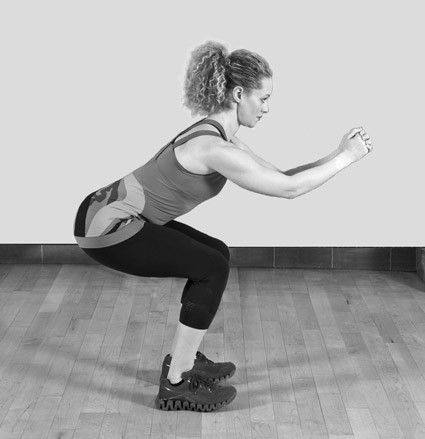
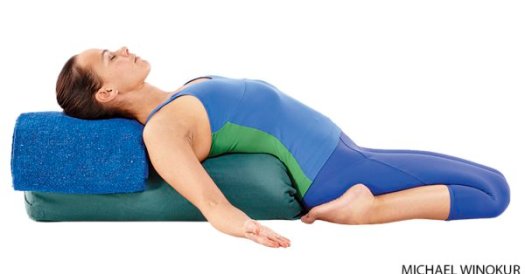
“A strong core is essential to yoga. These are some supplemental yoga poses to add to your routine. Having a strong core will also support your posture. ⠀
Click the link in the bio to lose weight and get fit with yoga.⠀

Picture credit to: @avocadu_ ❤💕🙏 Follow @yoga_fundamentals and tag us for a chance to get featured.⠀

A Gentle Yoga Sequence to Target Your Nerves

yoga journal therapeutic tool

A Gentle Yoga Sequence to Target Your Nerves
Your yoga practice can be a therapeutic tool for pain management and prevention. Try this gentle sequence to target your nerves and protect their signaling powers.
yogajournal.com

Join Tiffany Cruikshank at Yoga Journal’s upcoming event in January at 1440 Multiversity. Learn more at yogajournal.com/thepractice.

Jenny Jimenez

With all of the new and emerging information on pain science, yoga students and teachers have the opportunity to apply modern research to their practices and help alleviate and prevent pain.

Preliminary research suggests that gentle movement of your nerves is vital to both managing pain and supporting the general health of your nervous system. The idea is that healthy nerves should be able to gently slide, elongate, and angulate within neural tissues (some nerves can move as much as ¾ inch) in order to adapt to different loads and minimize pressure that can worsen existing pain, alter sensation, or lead to new pain patterns. Sometimes, tone and tension around neural tissues can be a problem. These tissues are bloodthirsty and rely on an important pressure gradient around them to maintain adequate blood flow. So even small changes in tissue tension around a nerve can be enough to block nerve mobility and lead to compression that disrupts blood flow and nerve signaling back to the brain, contributing to pain.

See also Low Back Pain 101: 3 Sequences to Ease Your Pain

To help you keep your nerves adaptable and protected, try the asana technique on the following pages based on an understanding of neurodynamics (the study of nerve movement through its surrounding tissues) and nerve pathways. We have the ability to alternately put tension on different ends of the nerve to create a movement of the nerve through the tissues, often referred to as nerve gliding. As you floss the nerve, you potentially allow it to move more freely so that it can communicate more efficiently with your brain. For example, the sciatic nerve runs through the back of your leg, so in Supta Padangusthasana (Reclining Hand-to-Big-Toe Pose) if you bend your knee (raised leg) and flex your foot, you’ll put tension on one end of the nerve (by your foot) and slack the other end (by your knee). This action draws the sciatic nerve and its branches toward your foot. Then, as you extend your knee and point your toes, you’ll reverse the areas of tension and slack. This action draws the branches of the sciatic nerve toward your knee. When you put these movements together you can encourage the sciatic nerve to move back and forth through its tissues more effortlessly. You also may down-regulate local inflammatory responses, restore healthy blood flow to the hard-working nerve, and encourage more efficient communication between your brain and body. Optimal signaling is crucial if you want your immune and nervous systems to function at their best, which is another reason to add nerve gliding to your repertoire.

The key to nerve gliding is to move gently within an easy range of motion. Since your target is the pain-free movement of your nerves, not of your muscles and fascia, you want very little sensation or stretch. It’s a great reminder that even in the physical body there’s clearly more to what we do than just sensations or the feel-good endorphins associated with them. Another thing I love about this approach is that, in addition to being a safe way to work with pain, it’s very accessible since it’s about simple, gentle movements.

See also Reduce Pain and Discomfort with These Poses for the Pelvis

Sequence – Neurodynamic Movement

To begin, pick a nerve you want to focus on and find a range of motion that’s accessible, pain-free, and with very little (if any) stretching sensation. Do 5–10 repetitions of the pose or this sequence once or twice a day. If you’re using these moves more preventatively, try rotating a few of them into your regular practice a couple times a week, and remember that in group classes there’s more than just stretch and sensation affecting the tissues. Happy flossing!

https://www.yogajournal.com/practice/gentle-yoga-sequence-to-target-your-nerves

A Gentle Yoga Sequence to Target Your Nerves

yoga journal therapeutic tool

A Gentle Yoga Sequence to Target Your Nerves
Your yoga practice can be a therapeutic tool for pain management and prevention. Try this gentle sequence to target your nerves and protect their signaling powers.
yogajournal.com

Join Tiffany Cruikshank at Yoga Journal’s upcoming event in January at 1440 Multiversity. Learn more at yogajournal.com/thepractice.

Jenny Jimenez

With all of the new and emerging information on pain science, yoga students and teachers have the opportunity to apply modern research to their practices and help alleviate and prevent pain.

Preliminary research suggests that gentle movement of your nerves is vital to both managing pain and supporting the general health of your nervous system. The idea is that healthy nerves should be able to gently slide, elongate, and angulate within neural tissues (some nerves can move as much as ¾ inch) in order to adapt to different loads and minimize pressure that can worsen existing pain, alter sensation, or lead to new pain patterns. Sometimes, tone and tension around neural tissues can be a problem. These tissues are bloodthirsty and rely on an important pressure gradient around them to maintain adequate blood flow. So even small changes in tissue tension around a nerve can be enough to block nerve mobility and lead to compression that disrupts blood flow and nerve signaling back to the brain, contributing to pain.

See also Low Back Pain 101: 3 Sequences to Ease Your Pain

To help you keep your nerves adaptable and protected, try the asana technique on the following pages based on an understanding of neurodynamics (the study of nerve movement through its surrounding tissues) and nerve pathways. We have the ability to alternately put tension on different ends of the nerve to create a movement of the nerve through the tissues, often referred to as nerve gliding. As you floss the nerve, you potentially allow it to move more freely so that it can communicate more efficiently with your brain. For example, the sciatic nerve runs through the back of your leg, so in Supta Padangusthasana (Reclining Hand-to-Big-Toe Pose) if you bend your knee (raised leg) and flex your foot, you’ll put tension on one end of the nerve (by your foot) and slack the other end (by your knee). This action draws the sciatic nerve and its branches toward your foot. Then, as you extend your knee and point your toes, you’ll reverse the areas of tension and slack. This action draws the branches of the sciatic nerve toward your knee. When you put these movements together you can encourage the sciatic nerve to move back and forth through its tissues more effortlessly. You also may down-regulate local inflammatory responses, restore healthy blood flow to the hard-working nerve, and encourage more efficient communication between your brain and body. Optimal signaling is crucial if you want your immune and nervous systems to function at their best, which is another reason to add nerve gliding to your repertoire.

The key to nerve gliding is to move gently within an easy range of motion. Since your target is the pain-free movement of your nerves, not of your muscles and fascia, you want very little sensation or stretch. It’s a great reminder that even in the physical body there’s clearly more to what we do than just sensations or the feel-good endorphins associated with them. Another thing I love about this approach is that, in addition to being a safe way to work with pain, it’s very accessible since it’s about simple, gentle movements.

See also Reduce Pain and Discomfort with These Poses for the Pelvis

Sequence – Neurodynamic Movement

To begin, pick a nerve you want to focus on and find a range of motion that’s accessible, pain-free, and with very little (if any) stretching sensation. Do 5–10 repetitions of the pose or this sequence once or twice a day. If you’re using these moves more preventatively, try rotating a few of them into your regular practice a couple times a week, and remember that in group classes there’s more than just stretch and sensation affecting the tissues. Happy flossing!

https://www.yogajournal.com/practice/gentle-yoga-sequence-to-target-your-nerves

When you’re crippled with the pain in your back and you’re told “it’s just a touch of sciatica, it will pass”

“Lower back pain is like death and taxes; everybody gets it at some point,” says out Sean Mackey, MD, PhD, chief of the division of pain medicine at Stanford University School of Medicine. About 9 in 10 of those patients recover fairly quickly, he says, but for the remainder, the pain becomes chronic and life-altering. (Try this 60-second fix for back pain.) “The severity of the original injury and how prone you are to anxiety plays a role in whether your pain will persist,” he says. Physical therapy focused on core strengthening is one of the most effective treatments.

Use a foam roller to roll away your back pain:

https://www.prevention.com/health/a20486144/top-painful-medical-conditions/

Muscles in your body are a use-or-lose proposition. You need to use them to keep them strong!@ClevelandClinic

cleveland muscles

Cleveland Clinic
@ClevelandClinic

Muscles in your body are a use-or-lose proposition. You need to use them to keep them strong!

You may not realize it, but we all start losing 1 percent of muscle mass each year after age 30. That’s why your diet in later years should not look the same as it did when you were younger, says endocrinologist Susan Williams, MD.

Skipping breakfast, eating fast food and being inactive in your 20s and early 30s might not hurt your health in the short term. However, poor nutrition and lifestyle habits take their toll over time.

People who embrace good habits early on really get ahead of the game, Dr. Williams says. But it’s never too late to start eating better and taking better care of your body.

Whether you’re 30 or 50, Dr. Williams offers three important tips to get started in eating right when you are thinking about your long-term health.

RELATED: Do You Know How Much Exercise You Really Need? 

1. Keep your weight in check

A roller coaster of weight gain and loss can change your body composition and leave you with more fat mass and less lean muscle mass.

2. Eat three balanced meals a day

You also want to limit your snacks in between. The word “balanced” is especially important because eating a wide variety of foods will help you prevent nutritional deficiencies.

Dr. Williams suggests this simple shopping list:

  • Lean proteins. Choose chicken, white fish, oily fish like salmon, eggs, tuna fish and red meat (less frequently than other protein).
  • Whole grains. This includes multigrain breads, and long-cooking rice or oats.
  • Veggies. Go for fresh or fresh frozen. Choose what’s in season and enjoy a variety to get the vitamins and minerals your body needs.
  • Fruit. Fresh fruit is best, followed by frozen. Canned fruit can be OK, but choose options in light syrup or water. Check the label and avoid added sugar.
  • Dairy. Choose milk, yogurts, cheeses and cottage cheese that are low-fat or fat-free.

Steer clear of cookies, cakes, pies, ice creams, juices and rich desserts. If that sounds like no fun, Dr. Williams advises treating these foods as treats. Save them for dining out or special occasions, but don’t make them part of your daily diet.

RELATED: Which Bread Is Best For You — Whole-Grain, Multigrain or Whole Wheat?

3. Use your muscles

Eating protein and being physically active are equal partners in the quest for maximum health, Dr. Williams says. Muscles are made of protein, but simply eating protein is not enough to save them.

“Muscles in your body are a use-or-lose proposition,” she says. “You need to use them to keep them strong.”

Can’t carve out time for the gym? Try this daily routine:

  1. In the morning, stretch for 10 minutes.
  2. At lunch, eat and then walk for 10 minutes.
  3. After dinner, spend 10 minutes with stretch bands or light weights.

Even a half hour of physical activity can make a world of difference, especially if you make it a habit in your 30s. “Don’t let your weight creep up while your muscle mass creeps down over your 30s and 40s,” Dr. Williams says. The longer you wait, the harder it will be to get started — and the more muscle you will have already lost.