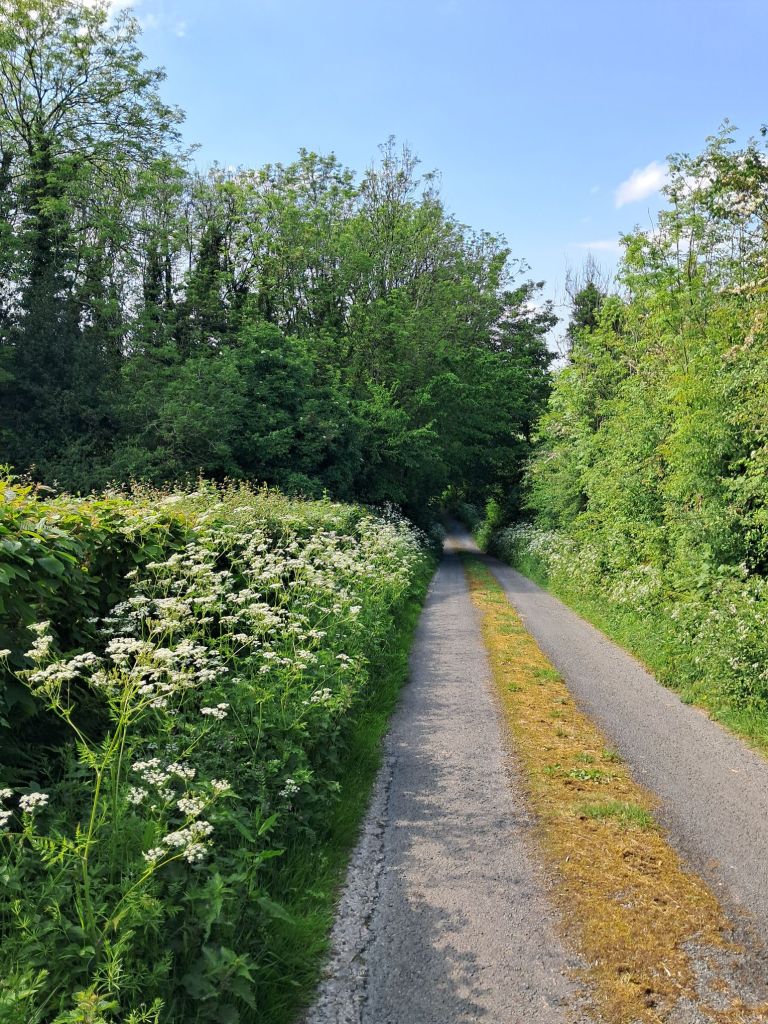

Our best balance boosters #physiotherapy😉 @HarvardHealth

harvard balance boosters

Harvard Health
@HarvardHealth

Our best balance boosters. bit.ly/2rkMG0N #HarvardHealth

Image: Jacob Ammentorp Lund/iStock

Many older adults focus on exercise and diet to stay healthy. But one of the worst offenders to health—poor balance—is often an afterthought. “I see a lot of older adults who are nonchalant about balance,” says Liz Moritz, a physical therapist at Harvard-affiliated Brigham and Women’s Hospital.

Unfortunately, imbalance is a common cause of falls, which send millions of people in the United States to emergency departments each year with broken hips and head injuries. But there are many things you can do to improve your balance. The strategies below are some of the most effective.

Physical therapy

Physical therapy for balance focuses on the ability of the joints and brain to communicate, the balance system in the ear (the vestibular system), and vision. “We coordinate all three with exercises such as standing on one foot, first with the eyes open, and then with the eyes closed. We also work on joint flexibility, walking, and lower-extremity exercises on one or two legs,” says Moritz. Other exercises that boost balance include chair stands (see “Move of the month”) and squats. Make sure you get training before attempting these exercises at home.

Muscle strengthening

“Core strength is very important for balance. If the abdominal muscles in your core are weak, they cannot support your limbs, especially when you’re walking. If the gluteal muscles in your buttocks and hips aren’t strong, they won’t be able to propel you forward,” says Moritz. Muscle strengthening can help. Moritz suggests starting with gentle core exercises like a pelvic tilt (lie on the floor with your knees bent up, then roll your pelvis up) and then moving to more intense exercises such as wall planks (stand six inches from a wall, keeping your body rigid, then lean forward with your forearms flat against the wall, and hold the position for 20 seconds). Leg lifts will strengthen the gluteal muscles, and adding resistance bands to leg lifts makes the exercise even more effective.

Tai chi and yoga

“Tai chi and yoga are exercises that make you pay attention to the control and quality of movement, rather than the quantity, which improves your balance,” says Moritz. In tai chi, you practice slow, flowing motions and shift your weight from one limb to another. Yoga incorporates a series of focused postures and breathing. Both exercises increase flexibility, range of motion, leg and core strength, and reflexes. The result: you become better at balancing in a number of different positions, which helps you avoid falling if you encounter uneven pavement or obstacles in your path.

Vision correction

“If you can’t see where you’re going, your fall risk goes up,” says Moritz. “A lot of people I treat for balance are here be-cause they tripped when they didn’t see something on the floor.” The fix may be as simple as a new eyeglasses prescription. Get a comprehensive, dilated eye exam every one or two years if you’re 65 or older, every one to three years if you’re age 55 to 64, and every two to four years if you’re 40 to 54. If you have an increased risk for other eye conditions, you may need an eye exam more often.

Assistive walking devices

A cane or a walker can complement your balance and give you more stability and confidence walking. But don’t buy a device on your own. “If it’s too high or too low, that can cause a fall. You need to get it measured, and you need training to learn how to use it,” says Moritz. Training takes just a few physical therapy sessions. Walkers are available with wheels intended for different terrain, lockable brakes, seats, baskets, and other features such as headlights. Canes are available with various handgrips and bases.

https://www.health.harvard.edu/staying-healthy/our-best-balance-boosters?utm_content=bufferbc3b8&utm_medium=social&utm_source=facebook&utm_campaign=buffer

Therapeutic massage targets specific health concerns by working on muscles and soft tissue to reduce pain, improve mobility and support recovery. It’s often used alongside other treatments and tailored to your individual needs.

Therapeutic massage targets specific health concerns by working on muscles and soft tissue to reduce pain, improve mobility and support recovery. It’s often used alongside other treatments and tailored to your individual needs.

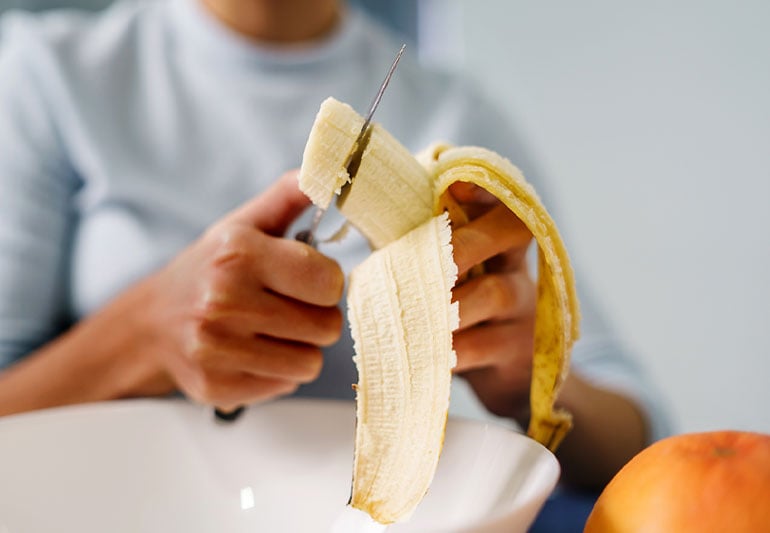
Bananas nature’s perfect snack @ClevelandClinic #therapeutic

Some have called bananas “nature’s perfect snack,” and it’s easy to see why. The curvy yellow fruits come conveniently packaged, travel well in a lunch bag or purse and are incredibly versatile. They make a great smoothie mixer or a tasty topper on cereal or oatmeal and even have their very own category of (delicious!) muffins and bread.

Are bananas healthy?

 “Absolutely,” says registered dietitian Elyse Homan, RD, LD. “They’re full of nutrients and easy on the gut. Very few people have problems digesting bananas.”

So, what are you eating when you peel and enjoy? A medium-sized ripe banana contains:

  • 105 calories.
  • 1 gram of protein.
  • 28 grams of carbohydrates.
  • 15 grams of (natural) sugar.
  • 3 grams of fiber.
  • Less than 1 gram of fat.

Health benefits of eating bananas

From vitamins to minerals to fiber, bananas are good for you, with lots of nutrition to offer. Plus, they’re easy to digest, reiterates Homan. Here’s a breakdown of banana’s most notable nutritional benefits:

1. Fiber for improved digestion and disease prevention

With 3 grams (g) of fiber, a banana supplies nearly 10% of what you need in a day, based on a 2,000-calorie daily diet, according to the U.S. Department of Agriculture (USDA) dietary guidelines.

You hear “fiber” and probably automatically think of digestion. It’s true — fiber is great for your gut. It helps keep things moving in your intestines, and most of us probably need to eat more.

But fiber also impacts your health in other ways. Researchers who looked at data from nearly 200 studies found that people who ate 25 to 29 g of fiber a day had up to a 30% decreased risk of:

  • Colorectal cancer.
  • Heart disease.
  • High blood pressure.
  • High cholesterol.
  • Stroke.
  • Type 2 diabetes.

2. Vitamin C for better immune health

Vitamin C (ascorbic acid) is a nutrient that helps your body absorb iron and boosts your immune system’s ability to fight illness. Adults need 75 to 90 milligrams (mg) per day. A banana delivers about 10 mg of vitamin C.

Vitamin C is one of many antioxidants you can get from food. Antioxidants are important because they cancel out free radicals in your body. Free radicals can build up and damage your cells, leading to disease. But antioxidants like vitamin C keep free radicals in check.

3. Vitamin B6 for improved metabolism and more

Your body needs vitamin B6 for:

  • Appetite regulation.
  • Immune system functions.
  • Metabolic processes.
  • Nervous system health.
  • Sleep regulation.

“One banana will give you one-quarter to one-third of the vitamin B6 you need in a day,” says Homan.

4. Potassium for organ health and lower blood pressure

The USDA recommended daily intake of potassium for adults is 4,700 to 5,000 mg. A banana supplies you with about 422 mg, or a little less than 10% of what you need per day.

Potassium, a mineral, does a lot for your body. It’s essential for the proper function of your:

  • Heart.
  • Kidneys.
  • Muscles.
  • Nerves.

Getting enough potassium also keeps your blood pressure in a healthy range. Potassium, which lowers blood pressure, balances out sodium, which raises blood pressure.

Homan says potassium also benefits your vascular system — the network of blood vessels and lymph vessels that run through your body’s tissues and organs — and reduces your risk of:

  • Heart disease.
  • Kidney failure.
  • Stroke.

5. Magnesium for improved blood pressure, blood sugar and more

A single medium-sized banana offers about 32 mg of the mineral magnesium, which fulfills around 8% to 10% of your daily magnesium requirement.

Magnesium is involved in many processes in your body, including:

  • Blood pressure.
  • Blood sugar levels.
  • Building proteins.
  • Maintaining bone.
  • Muscle function.
  • Nerve function.

Bananas and resistant starch

Green, or unripe, bananas are high in resistant starch. “Your body can’t digest resistant starch,” notes Homan. “Instead, it’s a prebiotic that promotes the growth of good bacteria in your colon.” Prebiotics improve digestive health and can be helpful if you’re experiencing diarrhea.

“I often hear patients say they avoid bananas since they’ve heard the fruit is too high in sugar,” says Homan. As bananas ripen, much of the resistant starch changes to sugar. But the health benefits of antioxidants and fiber outweigh the naturally occurring sugar. For those worried about blood sugar levels, pair bananas with a protein source such as peanut butter or a cheese stick for better control.

A small word of warning about unripe bananas: “If you’re not used to eating resistant starch, start slowly to let your body get used to it. Some people can experience constipation, gas and bloating at first,” adds Homan.

Another plus of this fruit? In addition to all the health benefits of bananas, they’re less expensive than many other fruits.

Therapeutic massage targets specific health concerns by working on muscles and soft tissue to reduce pain, improve mobility and support recovery. It’s often used alongside other treatments and tailored to your individual needs.

Therapeutic massage targets specific health concerns by working on muscles and soft tissue to reduce pain, improve mobility and support recovery. It’s often used alongside other treatments and tailored to your individual needs.

Each body is different. Therefore each rehabilitation must be different. #horizonptflint #physiotherapy


horizonptflintmi

𝐘𝐨𝐮𝐫 𝐛𝐨𝐝𝐲 𝐢𝐬 𝐚 𝐭𝐞𝐦𝐩𝐥𝐞 𝐨𝐟 𝐨𝐧𝐞.
𝐒𝐨, 𝐬𝐡𝐨𝐮𝐥𝐝𝐧’𝐭 𝐲𝐨𝐮𝐫 𝐫𝐞𝐡𝐚𝐛𝐢𝐥𝐢𝐭𝐚𝐭𝐢𝐨𝐧 𝐛𝐞 𝐚𝐬 𝐮𝐧𝐢𝐪𝐮𝐞 𝐚𝐬 𝐲𝐨𝐮 𝐚𝐫𝐞?
At Horizon Physical Therapy, we understand that no two bodies are the same, and therefore, no two rehabilitation programs should be the same either.
That’s why we put 𝐲𝐨𝐮 first by creating a personalized treatment plan tailored to meet your unique needs.
We believe in the power of individualized therapy, and we know it can make a difference in your recovery journey.
—–
🌐 https://horizonptflint.com/
.
.
.
#horizonptflint #horizonphysicaltherapy #physicaltherapy #mobilization #exercise #occupationaltherapy #orthotics #ergonomics #sport #training #headache #shoulderpain #frozenshoulder #elbowpain #tenniselbow #wristpain #orthopedicphysicaltherapy #therapeuticmodalities #balance #vestibularrehabilitation #neurologicalrehabilitation #workinjury

8h

Bananas nature’s perfect snack @ClevelandClinic #therapeutic

Some have called bananas “nature’s perfect snack,” and it’s easy to see why. The curvy yellow fruits come conveniently packaged, travel well in a lunch bag or purse and are incredibly versatile. They make a great smoothie mixer or a tasty topper on cereal or oatmeal and even have their very own category of (delicious!) muffins and bread.

Are bananas healthy?

 “Absolutely,” says registered dietitian Elyse Homan, RD, LD. “They’re full of nutrients and easy on the gut. Very few people have problems digesting bananas.”

So, what are you eating when you peel and enjoy? A medium-sized ripe banana contains:

  • 105 calories.
  • 1 gram of protein.
  • 28 grams of carbohydrates.
  • 15 grams of (natural) sugar.
  • 3 grams of fiber.
  • Less than 1 gram of fat.

Health benefits of eating bananas

From vitamins to minerals to fiber, bananas are good for you, with lots of nutrition to offer. Plus, they’re easy to digest, reiterates Homan. Here’s a breakdown of banana’s most notable nutritional benefits:

1. Fiber for improved digestion and disease prevention

With 3 grams (g) of fiber, a banana supplies nearly 10% of what you need in a day, based on a 2,000-calorie daily diet, according to the U.S. Department of Agriculture (USDA) dietary guidelines.

You hear “fiber” and probably automatically think of digestion. It’s true — fiber is great for your gut. It helps keep things moving in your intestines, and most of us probably need to eat more.

But fiber also impacts your health in other ways. Researchers who looked at data from nearly 200 studies found that people who ate 25 to 29 g of fiber a day had up to a 30% decreased risk of:

  • Colorectal cancer.
  • Heart disease.
  • High blood pressure.
  • High cholesterol.
  • Stroke.
  • Type 2 diabetes.

2. Vitamin C for better immune health

Vitamin C (ascorbic acid) is a nutrient that helps your body absorb iron and boosts your immune system’s ability to fight illness. Adults need 75 to 90 milligrams (mg) per day. A banana delivers about 10 mg of vitamin C.

Vitamin C is one of many antioxidants you can get from food. Antioxidants are important because they cancel out free radicals in your body. Free radicals can build up and damage your cells, leading to disease. But antioxidants like vitamin C keep free radicals in check.

3. Vitamin B6 for improved metabolism and more

Your body needs vitamin B6 for:

  • Appetite regulation.
  • Immune system functions.
  • Metabolic processes.
  • Nervous system health.
  • Sleep regulation.

“One banana will give you one-quarter to one-third of the vitamin B6 you need in a day,” says Homan.

4. Potassium for organ health and lower blood pressure

The USDA recommended daily intake of potassium for adults is 4,700 to 5,000 mg. A banana supplies you with about 422 mg, or a little less than 10% of what you need per day.

Potassium, a mineral, does a lot for your body. It’s essential for the proper function of your:

  • Heart.
  • Kidneys.
  • Muscles.
  • Nerves.

Getting enough potassium also keeps your blood pressure in a healthy range. Potassium, which lowers blood pressure, balances out sodium, which raises blood pressure.

Homan says potassium also benefits your vascular system — the network of blood vessels and lymph vessels that run through your body’s tissues and organs — and reduces your risk of:

  • Heart disease.
  • Kidney failure.
  • Stroke.

5. Magnesium for improved blood pressure, blood sugar and more

A single medium-sized banana offers about 32 mg of the mineral magnesium, which fulfills around 8% to 10% of your daily magnesium requirement.

Magnesium is involved in many processes in your body, including:

  • Blood pressure.
  • Blood sugar levels.
  • Building proteins.
  • Maintaining bone.
  • Muscle function.
  • Nerve function.

Bananas and resistant starch

Green, or unripe, bananas are high in resistant starch. “Your body can’t digest resistant starch,” notes Homan. “Instead, it’s a prebiotic that promotes the growth of good bacteria in your colon.” Prebiotics improve digestive health and can be helpful if you’re experiencing diarrhea.

“I often hear patients say they avoid bananas since they’ve heard the fruit is too high in sugar,” says Homan. As bananas ripen, much of the resistant starch changes to sugar. But the health benefits of antioxidants and fiber outweigh the naturally occurring sugar. For those worried about blood sugar levels, pair bananas with a protein source such as peanut butter or a cheese stick for better control.

A small word of warning about unripe bananas: “If you’re not used to eating resistant starch, start slowly to let your body get used to it. Some people can experience constipation, gas and bloating at first,” adds Homan.

Another plus of this fruit? In addition to all the health benefits of bananas, they’re less expensive than many other fruits.

Each body is different. Therefore each rehabilitation must be different. #horizonptflint #physiotherapy


horizonptflintmi

𝐘𝐨𝐮𝐫 𝐛𝐨𝐝𝐲 𝐢𝐬 𝐚 𝐭𝐞𝐦𝐩𝐥𝐞 𝐨𝐟 𝐨𝐧𝐞.
𝐒𝐨, 𝐬𝐡𝐨𝐮𝐥𝐝𝐧’𝐭 𝐲𝐨𝐮𝐫 𝐫𝐞𝐡𝐚𝐛𝐢𝐥𝐢𝐭𝐚𝐭𝐢𝐨𝐧 𝐛𝐞 𝐚𝐬 𝐮𝐧𝐢𝐪𝐮𝐞 𝐚𝐬 𝐲𝐨𝐮 𝐚𝐫𝐞?
At Horizon Physical Therapy, we understand that no two bodies are the same, and therefore, no two rehabilitation programs should be the same either.
That’s why we put 𝐲𝐨𝐮 first by creating a personalized treatment plan tailored to meet your unique needs.
We believe in the power of individualized therapy, and we know it can make a difference in your recovery journey.
—–
🌐 https://horizonptflint.com/
.
.
.
#horizonptflint #horizonphysicaltherapy #physicaltherapy #mobilization #exercise #occupationaltherapy #orthotics #ergonomics #sport #training #headache #shoulderpain #frozenshoulder #elbowpain #tenniselbow #wristpain #orthopedicphysicaltherapy #therapeuticmodalities #balance #vestibularrehabilitation #neurologicalrehabilitation #workinjury

8h