
Our best balance boosters #physiotherapy😉 @HarvardHealth

harvard balance boosters

Harvard Health
@HarvardHealth

Our best balance boosters. bit.ly/2rkMG0N #HarvardHealth

Image: Jacob Ammentorp Lund/iStock

Many older adults focus on exercise and diet to stay healthy. But one of the worst offenders to health—poor balance—is often an afterthought. “I see a lot of older adults who are nonchalant about balance,” says Liz Moritz, a physical therapist at Harvard-affiliated Brigham and Women’s Hospital.

Unfortunately, imbalance is a common cause of falls, which send millions of people in the United States to emergency departments each year with broken hips and head injuries. But there are many things you can do to improve your balance. The strategies below are some of the most effective.

Physical therapy

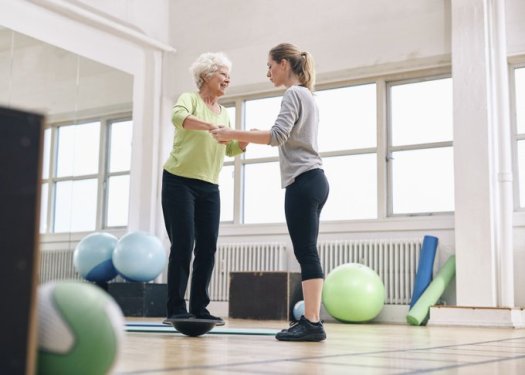
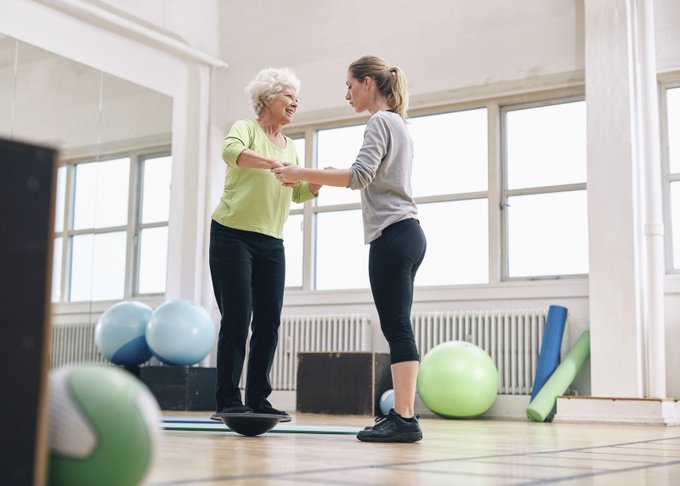
Physical therapy for balance focuses on the ability of the joints and brain to communicate, the balance system in the ear (the vestibular system), and vision. “We coordinate all three with exercises such as standing on one foot, first with the eyes open, and then with the eyes closed. We also work on joint flexibility, walking, and lower-extremity exercises on one or two legs,” says Moritz. Other exercises that boost balance include chair stands (see “Move of the month”) and squats. Make sure you get training before attempting these exercises at home.

Muscle strengthening

“Core strength is very important for balance. If the abdominal muscles in your core are weak, they cannot support your limbs, especially when you’re walking. If the gluteal muscles in your buttocks and hips aren’t strong, they won’t be able to propel you forward,” says Moritz. Muscle strengthening can help. Moritz suggests starting with gentle core exercises like a pelvic tilt (lie on the floor with your knees bent up, then roll your pelvis up) and then moving to more intense exercises such as wall planks (stand six inches from a wall, keeping your body rigid, then lean forward with your forearms flat against the wall, and hold the position for 20 seconds). Leg lifts will strengthen the gluteal muscles, and adding resistance bands to leg lifts makes the exercise even more effective.

Tai chi and yoga

“Tai chi and yoga are exercises that make you pay attention to the control and quality of movement, rather than the quantity, which improves your balance,” says Moritz. In tai chi, you practice slow, flowing motions and shift your weight from one limb to another. Yoga incorporates a series of focused postures and breathing. Both exercises increase flexibility, range of motion, leg and core strength, and reflexes. The result: you become better at balancing in a number of different positions, which helps you avoid falling if you encounter uneven pavement or obstacles in your path.

Vision correction

“If you can’t see where you’re going, your fall risk goes up,” says Moritz. “A lot of people I treat for balance are here be-cause they tripped when they didn’t see something on the floor.” The fix may be as simple as a new eyeglasses prescription. Get a comprehensive, dilated eye exam every one or two years if you’re 65 or older, every one to three years if you’re age 55 to 64, and every two to four years if you’re 40 to 54. If you have an increased risk for other eye conditions, you may need an eye exam more often.

Assistive walking devices

A cane or a walker can complement your balance and give you more stability and confidence walking. But don’t buy a device on your own. “If it’s too high or too low, that can cause a fall. You need to get it measured, and you need training to learn how to use it,” says Moritz. Training takes just a few physical therapy sessions. Walkers are available with wheels intended for different terrain, lockable brakes, seats, baskets, and other features such as headlights. Canes are available with various handgrips and bases.
https://www.health.harvard.edu/staying-healthy/our-best-balance-boosters?utm_content=bufferbc3b8&utm_medium=social&utm_source=facebook&utm_campaign=buffer

Common types of massage and their benefits: @ClevelandClinic Victoria Bodner, LMT

If you’re stressed and sore, you may think there’s nothing you can do but take some over-the-counter pain relievers and plow through your day. But licensed massage therapist, Victoria Bodner, LMT, says you don’t have to grin and bear it.

Massage is a great tool for relaxation, pain relief, easing muscle tension and more, says Bodner. Learn more about the common types of massage and their benefits.

What is massage therapy?

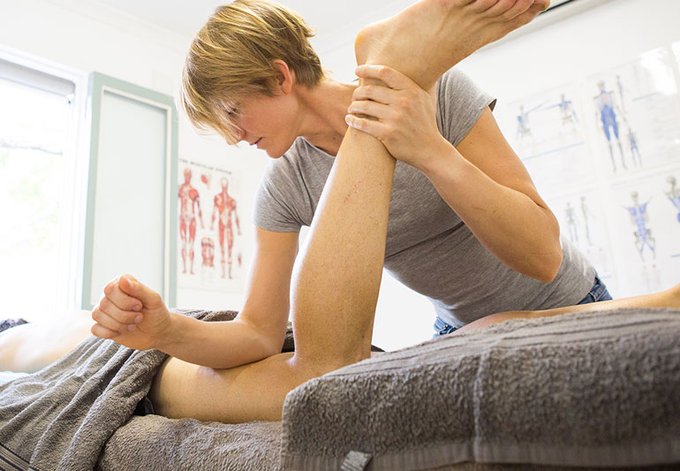
Performed by a licensed massage therapist, massage therapy involves using different pressures, movements and techniques to manipulate muscles and other soft tissues in the body. With a goal of slowing down your nervous system, massage therapy can be used to release stress and tension, provide relief from symptoms, heal injuries and support wellness.

Types of massage therapy

Massages come in all shapes and sizes. Here are some of the offerings you might find on a massage therapy menu.

Swedish massage

Feeling stressed? A Swedish massage is the classic go-to for major relaxation. Swedish massage is typically a full-body massage that uses a gentle touch. It’s a good pick for people new to massages. “It can help calm your nervous system. Swedish massage is also a good avenue for encouraging a relaxed emotional state of mind which can directly impact your muscles,” says Bodner.

Deep tissue massage

Your muscles can get tight from repeated use — even from something less active like sitting, driving or hunching over your laptop. “Deep tissue massage gets into your muscles and tendons to release that tightness,” Bodner says. It’s good for people with injuries, general muscle tightness and chronic muscle pain.

Sports massage

Sports massages are similar to deep-tissue massages, but they zero in on the muscles that take a beating when you play sports or do another repetitive physical activity. “Athletes and dancers use their bodies differently than the average person,” Bodner says. “A massage therapist with experience in sports massage can get in there to break up muscle tightness and address sports injuries.”

Trigger point massage

A knot in your neck or a tight spot in your back is known as a trigger point. “A trigger point is a tiny muscle spasm or tight spot in the tissue,” Bodner explains. In a trigger-point massage, the massage therapist uses focused and direct pressure to target those spots. This increases blood flow to the areas, helping them release. This type of massage can also be helpful for people with chronic pain.

Myofascial release

The fascia is a web of connective tissue under the skin. “It supports the muscles and allows us to move freely,” Bodner explains. When you get a myofascial release, your massage therapist will knead and stretch the muscles and fascia to work out tension and tightness. “It’s a form of deep stretching often used together with other therapeutic massage techniques,” she says. “It’s great for opening up tightness in your neck, shoulders and your upper and lower back.”

Lymphatic massage

Lymphatic fluid has several important functions, including maintaining fluid levels and removing waste products from the body. Lymphatic massage uses a gentle touch to help lymphatic fluid flow more freely through the body. “Lymphatic massage is great for people with inflammation — including people with illnesses like arthritis, as well as people who have had mastectomies, which often involve removing the lymph nodes,” Bodner says.

Prenatal massage

Prenatal massages are great for helping moms-to-be relax and can help address the aches and pains of growing a baby. “Prenatal massages are wonderful for taking pressure off the hips and can help with swelling in the feet and legs,” Bodner says. “And when mom is relaxed and feeling well, the baby benefits, too.”

Health benefits of massage

Massage therapy may be beneficial for anyone but has been noted to help those who various conditions like cancer, heart disease, stomach problems and fibromyalgia. You should make sure you talk to your therapist about any medical issues prior to your first session. Here are some of the benefits of massage therapy.

Reduces stress and anxiety

That feeling of calm after a massage can aid in reducing stress and anxiety, a study found. Your body has two nervous systems: a sympathetic nervous system that drives your “fight or flight” response in stressful situations and a parasympathetic nervous system that focuses on routine and day-to-day operations that lead to relaxation and rest. A massage is thought to increase your parasympathetic response, which can decrease feelings of anxiety.

Improves sleep

Getting a massage can decrease cortisol (a stress hormone) and increase levels of serotonin and dopamine, neurotransmitters known to stabilize your mood. Studies have shown that massage therapy is beneficial for those who have insomnia related to menopause and congestive heart failure.

Lessens pain and muscle tension

A variety of studies have looked into how massage may help lessen pain like acute back painneck painheadaches and knee pain. The results show that relief may be short-term, rather than long-term and in some cases receiving a 60-minute massage multiple times per week had better results than fewer or shorter massages.

Improves immune function

Can a massage boost your immune system? A study suggests that regular massages increase your body’s level of white blood cells, which work to combat viruses.

Relieves constipation

study shows that for those dealing with constipation after surgery, an abdominal massage may help with bowel movements.

Lessens fibromyalgia symptoms

From sleep, memory and mood, studies have shown that using massage over the course of five weeks may improve symptoms of fibromyalgia, a chronic illness that causes muscle and joint pain and fatigue.

Relieves cancer pain

For people undergoing cancer treatments, the physical and emotional toll is great. Many have turned to massage to help lessen cancer pain, increase relaxation and improve quality of life. There have been a variety of studies, some that say massage therapy doesn’t improve cancer pain and others that show a positive impact.

Who should try massage therapy?

Many of us can benefit from a massage — it’s a great way to improve wellness, help with pain and more. If you have a medical condition, you should check with your doctor and have a conversation with your massage therapist. For those who are pregnant, a prenatal massage can help alleviate pain and swelling.

“There are so many good reasons to see a massage therapist,” Bodner says.

Not sure what type of massage is right for you? You don’t have to zero in on the perfect massage before booking an appointment. In fact, massage therapists often mix and match techniques to address your unique concerns.

“The different types of massage aren’t exclusive from one another,” Bodner says. “A massage therapist uses a combination of techniques to help you relax, get rid of tight muscles and address other concerns.”