https://www.instagram.com/reel/DE8mryky48a/?igsh=aGlja3lxamJvZXpv


Health is Wealth

Your sleep position, immobility, mattress and underlying conditions can all cause morning back pain
There’s nothing worse than waking up on the wrong side of the bed. But it can be hard to avoid when you wake with lower back pain in the morning. A back that throbs, aches or sends shooting pain down your legs can quickly set the tone for your day.
Most people experience lower back pain at some point, and more than 20% have chronic lower back discomfort. It’s the second most common reason people in the U.S. visit their primary care provider — behind colds and flu.
Whether you experience lower back pain all day or only in the morning, understanding what’s contributing to the pain may help you fix it. Pain management specialist Tara-Lin Hollins, MD, shares what might be behind your morning back pain and offers tips to help you wake up pain-free.
Back pain and sleep have a complicated relationship. Pain can disrupt your sleep, and poor sleep can make you more likely to have higher pain. Getting to the bottom of your pain may help end the cycle.
Dr. Hollins says several factors can contribute to morning back pain.
You spend a third of your life sleeping or resting, so if your spine is out of alignment while you sleep, it can have a significant impact on your body. Your sleep position affects your alignment and may (or may not) support the natural curvature of your spine.
“It’s common to be so tired at bedtime that you fall into bed and sleep however you hit the bed,” Dr. Hollins says. “But you may not be sleeping in the best position for your spine.”
The most beneficial sleep positions for your back are on your:
Sleeping on your stomach makes you more likely to twist your neck to the side — a quick way to throw your neck and spine out of alignment.
When you sit all day at your desk without moving, it can make you stiff. Similarly, when you sleep, you’re not moving much for seven to eight hours. Lying immobile for a long period could cause you to wake up with back or hip pain.
“Our bodies are not supposed to be stagnant for multiple hours,” Dr. Hollins explains. “Stiffness can settle in, and inflammation can build up. Then, when you try to move in the morning, releasing the inflammation can be painful.”
Tricky, right? After all, you want a good night’s sleep, and lying immobile while you doze is often a sign that you got all of your ZZZs. But to avoid lower back pain, Dr. Hollins advises taking some time to stretch before you jump out of bed.
Your mattress is your main source of back support while you sleep. And your pillow ensures proper neck alignment. A mattress that’s damaged, too soft or sagging can cause your lower abdomen to sink deeper than the rest of the spine, pulling your back out of alignment.
“All too often, people opt for a soft mattress, thinking it will be more comfortable,” Dr. Hollins notes. “You don’t want a hard mattress, but it should feel firm and supportive. You shouldn’t sink into it.”
Need tips for choosing the best mattress for your back? We can help.
Some conditions or chronic diseases may put you at higher risk for morning back pain. Chronic conditions that affect both sleep and morning back pain include:
Pregnancy can also bring back pain in the morning due to:
Lifestyle changes, like achieving a healthy weight and exercising every day, are always helpful for back pain. But Dr. Hollins also recommends actions related to sleeping that may additionally help reduce or eliminate your morning back pain.
Pillows are a great way to support your back’s alignment. Your typical sleep position should guide the pillows you use:
“Look for pillows that are specific to your sleep position,” Dr. Hollins advises. “But no matter which position you use, adding pillows strategically around your body can support your spine and reduce morning pain.”
If you’re used to sleeping in the same position every night, it can be challenging to change it. But small adjustments may help:
“You want to be as comfortable as possible when you go to sleep,” Dr. Hollins says. “That way, you’ll be more likely to stay in a supportive sleep position.”
According to the Sleep Foundation, the general guideline is to replace your mattress every six to eight years. But you may need a new mattress sooner if yours is:
When choosing a new mattress, choose a “medium firm” mattress — level 6 out of 10 on the mattress firmness scale. It may reduce your back pain symptoms by nearly half.
Most people get out of bed as soon as they wake up, Dr. Hollins points out. But taking a few minutes to prepare your back for transitioning to sitting, standing and walking can help with morning back pain.
See your healthcare provider if your back pain worsens or occurs most mornings for two or three months. They can check for underlying back issues and may prescribe physical therapy.
“Don’t wait six or eight months to see your provider,” Dr. Hollins urges. “They can provide guidance about the best stretches to do, and your back will thank you.”
https://x.com/i/broadcasts/1ynKOlrpYWWGR

World Health Day, celebrated on 7 April 2025, will kick off a year-long campaign on maternal and newborn health. The campaign, titled Healthy beginnings, hopeful futures, will urge governments and the health community to ramp up efforts to end preventable maternal and newborn deaths, and to prioritize women’s longer-term health and well-being.
WHO and partners will also share useful information to support healthy pregnancies and births, and better postnatal health.
Visit the World Health Day 2025 campaign page
This task is critical. Tragically, based on currently published estimates, close to 300 000 women lose their life due to pregnancy or childbirth each year, while over 2 million babies die in their first month of life and around 2 million more are stillborn. That’s roughly 1 preventable death every 7 seconds.
Based on current trends, a staggering 4 out of 5 countries are off track to meet targets for improving maternal survival by 2030. 1 in 3 will fail to meet targets for reducing newborn deaths.
Women and families everywhere need high quality care that supports them physically and emotionally, before, during and after birth.
Health systems must evolve to manage the many health issues that impact maternal and newborn health. These not only include direct obstetric complications but also mental health conditions, noncommunicable diseases and family planning.
Additionally, women and families should be supported by laws and policies that safeguard their health and rights.
Here’s what you can do to support the campaign:

Your sleep position, immobility, mattress and underlying conditions can all cause morning back pain
There’s nothing worse than waking up on the wrong side of the bed. But it can be hard to avoid when you wake with lower back pain in the morning. A back that throbs, aches or sends shooting pain down your legs can quickly set the tone for your day.
Most people experience lower back pain at some point, and more than 20% have chronic lower back discomfort. It’s the second most common reason people in the U.S. visit their primary care provider — behind colds and flu.
Whether you experience lower back pain all day or only in the morning, understanding what’s contributing to the pain may help you fix it. Pain management specialist Tara-Lin Hollins, MD, shares what might be behind your morning back pain and offers tips to help you wake up pain-free.
Back pain and sleep have a complicated relationship. Pain can disrupt your sleep, and poor sleep can make you more likely to have higher pain. Getting to the bottom of your pain may help end the cycle.
Dr. Hollins says several factors can contribute to morning back pain.
You spend a third of your life sleeping or resting, so if your spine is out of alignment while you sleep, it can have a significant impact on your body. Your sleep position affects your alignment and may (or may not) support the natural curvature of your spine.
“It’s common to be so tired at bedtime that you fall into bed and sleep however you hit the bed,” Dr. Hollins says. “But you may not be sleeping in the best position for your spine.”
The most beneficial sleep positions for your back are on your:
Sleeping on your stomach makes you more likely to twist your neck to the side — a quick way to throw your neck and spine out of alignment.
When you sit all day at your desk without moving, it can make you stiff. Similarly, when you sleep, you’re not moving much for seven to eight hours. Lying immobile for a long period could cause you to wake up with back or hip pain.
“Our bodies are not supposed to be stagnant for multiple hours,” Dr. Hollins explains. “Stiffness can settle in, and inflammation can build up. Then, when you try to move in the morning, releasing the inflammation can be painful.”
Tricky, right? After all, you want a good night’s sleep, and lying immobile while you doze is often a sign that you got all of your ZZZs. But to avoid lower back pain, Dr. Hollins advises taking some time to stretch before you jump out of bed.
Your mattress is your main source of back support while you sleep. And your pillow ensures proper neck alignment. A mattress that’s damaged, too soft or sagging can cause your lower abdomen to sink deeper than the rest of the spine, pulling your back out of alignment.
“All too often, people opt for a soft mattress, thinking it will be more comfortable,” Dr. Hollins notes. “You don’t want a hard mattress, but it should feel firm and supportive. You shouldn’t sink into it.”
Need tips for choosing the best mattress for your back? We can help.
Some conditions or chronic diseases may put you at higher risk for morning back pain. Chronic conditions that affect both sleep and morning back pain include:
Pregnancy can also bring back pain in the morning due to:
Lifestyle changes, like achieving a healthy weight and exercising every day, are always helpful for back pain. But Dr. Hollins also recommends actions related to sleeping that may additionally help reduce or eliminate your morning back pain.
Pillows are a great way to support your back’s alignment. Your typical sleep position should guide the pillows you use:
“Look for pillows that are specific to your sleep position,” Dr. Hollins advises. “But no matter which position you use, adding pillows strategically around your body can support your spine and reduce morning pain.”
If you’re used to sleeping in the same position every night, it can be challenging to change it. But small adjustments may help:
“You want to be as comfortable as possible when you go to sleep,” Dr. Hollins says. “That way, you’ll be more likely to stay in a supportive sleep position.”
According to the Sleep Foundation, the general guideline is to replace your mattress every six to eight years. But you may need a new mattress sooner if yours is:
When choosing a new mattress, choose a “medium firm” mattress — level 6 out of 10 on the mattress firmness scale. It may reduce your back pain symptoms by nearly half.
Most people get out of bed as soon as they wake up, Dr. Hollins points out. But taking a few minutes to prepare your back for transitioning to sitting, standing and walking can help with morning back pain.
See your healthcare provider if your back pain worsens or occurs most mornings for two or three months. They can check for underlying back issues and may prescribe physical therapy.
“Don’t wait six or eight months to see your provider,” Dr. Hollins urges. “They can provide guidance about the best stretches to do, and your back will thank you.”
https://x.com/i/broadcasts/1ynKOlrpYWWGR
World Health Day, celebrated on 7 April 2025, will kick off a year-long campaign on maternal and newborn health. The campaign, titled Healthy beginnings, hopeful futures, will urge governments and the health community to ramp up efforts to end preventable maternal and newborn deaths, and to prioritize women’s longer-term health and well-being.
WHO and partners will also share useful information to support healthy pregnancies and births, and better postnatal health.
Visit the World Health Day 2025 campaign page
This task is critical. Tragically, based on currently published estimates, close to 300 000 women lose their life due to pregnancy or childbirth each year, while over 2 million babies die in their first month of life and around 2 million more are stillborn. That’s roughly 1 preventable death every 7 seconds.
Based on current trends, a staggering 4 out of 5 countries are off track to meet targets for improving maternal survival by 2030. 1 in 3 will fail to meet targets for reducing newborn deaths.
Women and families everywhere need high quality care that supports them physically and emotionally, before, during and after birth.
Health systems must evolve to manage the many health issues that impact maternal and newborn health. These not only include direct obstetric complications but also mental health conditions, noncommunicable diseases and family planning.
Additionally, women and families should be supported by laws and policies that safeguard their health and rights.
Here’s what you can do to support the campaign:
https://x.com/i/broadcasts/1ynKOlrpYWWGR
World Health Day, celebrated on 7 April 2025, will kick off a year-long campaign on maternal and newborn health. The campaign, titled Healthy beginnings, hopeful futures, will urge governments and the health community to ramp up efforts to end preventable maternal and newborn deaths, and to prioritize women’s longer-term health and well-being.
WHO and partners will also share useful information to support healthy pregnancies and births, and better postnatal health.
Visit the World Health Day 2025 campaign page
This task is critical. Tragically, based on currently published estimates, close to 300 000 women lose their life due to pregnancy or childbirth each year, while over 2 million babies die in their first month of life and around 2 million more are stillborn. That’s roughly 1 preventable death every 7 seconds.
Based on current trends, a staggering 4 out of 5 countries are off track to meet targets for improving maternal survival by 2030. 1 in 3 will fail to meet targets for reducing newborn deaths.
Women and families everywhere need high quality care that supports them physically and emotionally, before, during and after birth.
Health systems must evolve to manage the many health issues that impact maternal and newborn health. These not only include direct obstetric complications but also mental health conditions, noncommunicable diseases and family planning.
Additionally, women and families should be supported by laws and policies that safeguard their health and rights.
Here’s what you can do to support the campaign:
https://x.com/i/broadcasts/1ynKOlrpYWWGR
World Health Day, celebrated on 7 April 2025, will kick off a year-long campaign on maternal and newborn health. The campaign, titled Healthy beginnings, hopeful futures, will urge governments and the health community to ramp up efforts to end preventable maternal and newborn deaths, and to prioritize women’s longer-term health and well-being.
WHO and partners will also share useful information to support healthy pregnancies and births, and better postnatal health.
Visit the World Health Day 2025 campaign page
This task is critical. Tragically, based on currently published estimates, close to 300 000 women lose their life due to pregnancy or childbirth each year, while over 2 million babies die in their first month of life and around 2 million more are stillborn. That’s roughly 1 preventable death every 7 seconds.
Based on current trends, a staggering 4 out of 5 countries are off track to meet targets for improving maternal survival by 2030. 1 in 3 will fail to meet targets for reducing newborn deaths.
Women and families everywhere need high quality care that supports them physically and emotionally, before, during and after birth.
Health systems must evolve to manage the many health issues that impact maternal and newborn health. These not only include direct obstetric complications but also mental health conditions, noncommunicable diseases and family planning.
Additionally, women and families should be supported by laws and policies that safeguard their health and rights.
Here’s what you can do to support the campaign:

·
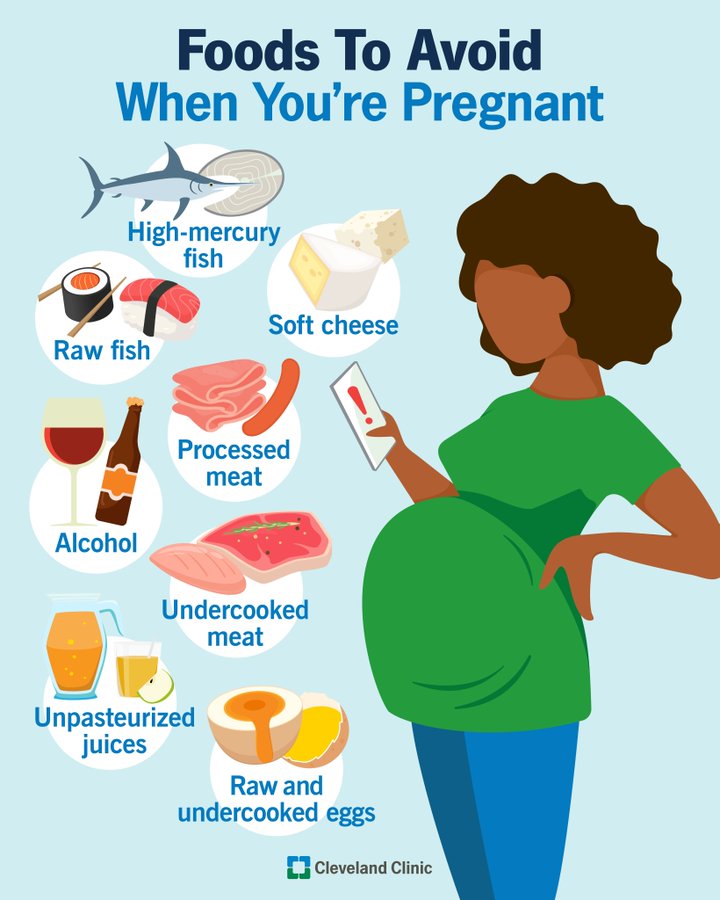
When you’re pregnant, it’s important to eat a healthy diet that provides the nutrients you need. That helps keep you feeling your best and promotes healthy fetal development. But pregnancy also puts you at higher risk for foodborne illness. Some foods and drinks can increase your risk for pregnancy complications. Avoid high-mercury fish and processed meat, and go easy on salt and caffeine.
 Healthaware