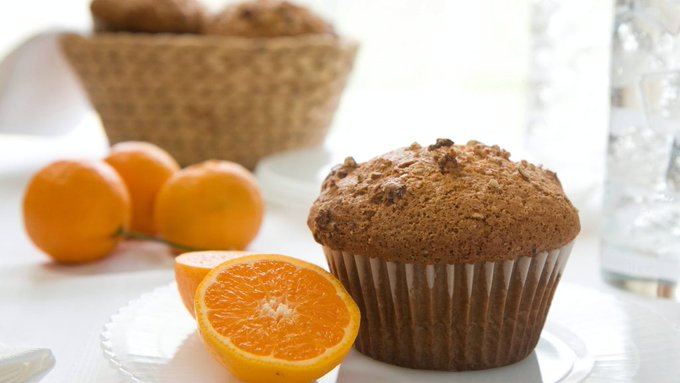
Too much refined sugar, too much social media can cause a cascade of medical problems @HarvardHealth

Health is Wealth
 Dr Nina Byrnes and Angela O’Donoghue liked
One of my favourite things is to do some exercises with patients. Basic stuff for knee or shoulder pain but it is so rewarding to have something to offer other than tablets. Someday there will be a gym in my practice with physical therapists and I will be prescribing exercise.

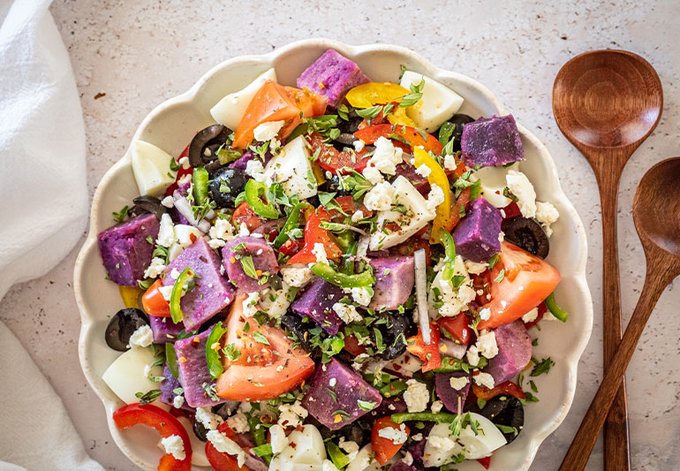
Peru has been cultivating potatoes for more than 6,000 years in the high Andean slopes near Lake Titicaca.
A stroll through the public markets reveals a startling number of sizes, shapes and colors — including the famous Peruvian blue potatoes with their purplish-blue skin and flesh.
It’s fun to use these blue potatoes, but if your market doesn’t carry them or if you prefer other potatoes, you can always use small red or white potatoes.
Kosher salt
1 1/4 pounds small Peruvian blue potatoes
1/4 cup minced red onions
1 red bell pepper, seeded and diced
1 yellow bell pepper, seeded and diced
1 large tomato, seeded and chopped
1 jalepeño, seeded and minced
3 tablespoons red wine vinegar
3 tablespoons extra virgin olive oil
1 teaspoon sugar substitute
2 hard-boiled egg whites, chopped
2 tablespoons chopped fresh oregano
1/2 cup crumbled reduced-fat feta cheese
2 tablespoons sliced black olives, optional
Makes 8 servings
Calories: 200 calories (31% from fat)
Total fat: 7 g
Saturated fat: 1.5 g
Protein: 7 g
Carbohydrate: 31 g
Dietary fiber: 2 g
Cholesterol: 5 mg
Sodium: 95 mg
Potassium: 109 mg
Source: Cleveland Clinic Healthy Heart Lifestyle Guide and Cookbook (© 2007 Broadway Books).


This recipe switches up chicken marsala by swapping in salmon. It’s a great way to get delicious and healthy fish on the menu. You should be able to find Marsala wine in the cooking wines or condiments section of your local grocery store.
Makes 4 servings
Calories: 450
Fat: 12 g
Fiber: 9 g
Sodium: 147 mg (doesn’t include the optional salt)
Carbohydrates: 44 g
Protein: 37 g
— Recipe courtesy of Speaking of Women’s Health.

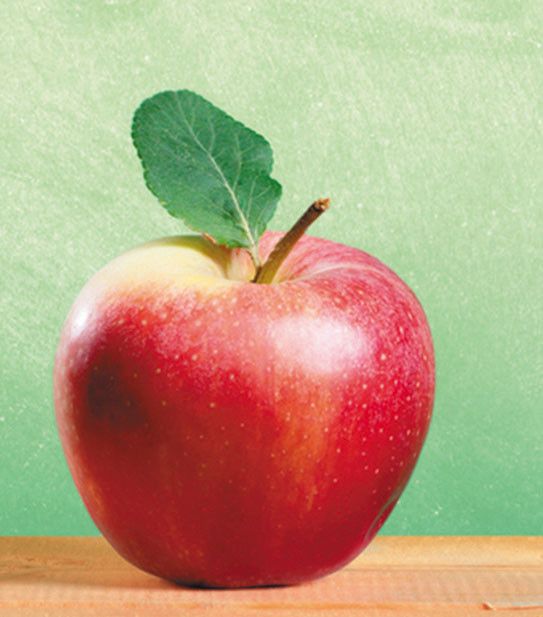
 A modest uptick in the amount of fruit and vegetables you eat can help ward off type 2 diabetes, according to a study published online July 8, 2020, by The BMJ. From a much larger study involving some 340,000 people from eight European countries, scientists selected 9,754 participants who were newly diagnosed with diabetes over a decade. Researchers compared the fruit and vegetable intakes of these people to those of about 13,000 participants who remained diabetes-free during the study period. Researchers also measured blood levels of seven key plant-derived nutrients, including vitamin C and brightly colored antioxidant pigments called carotenoids. People with the highest intakes of fruit and vegetables and the highest blood levels of the plant-derived nutrients were 25% to 50% less likely to get diabetes during the study period, compared with those who ate the least of these food groups or had the lowest nutrient levels. Even better, it didn’t take a whole lot of extra green, red, yellow, and orange on the plate to make a dent in diabetes risk. The equivalent of only two-thirds of a medium apple or just over one-third of a cup of mixed fruit each day offered protection.
Image: © RomoloTavani/Getty Images
https://www.instagram.com/reel/Cs38Vg2AMYT/?igshid=MTc4MmM1YmI2Ng==
 clevelandclinicVerified