
•
Follow
- teethaireland
- It’s time for your little ones to show off their smiles 😍 Those beaming pearls deserve to be seen! So show them off whenever you can, hun.. 😉
#BigSmile #Smile #Teetha #TeethaGranules #TeethaBaby

Health is Wealth
•
Follow
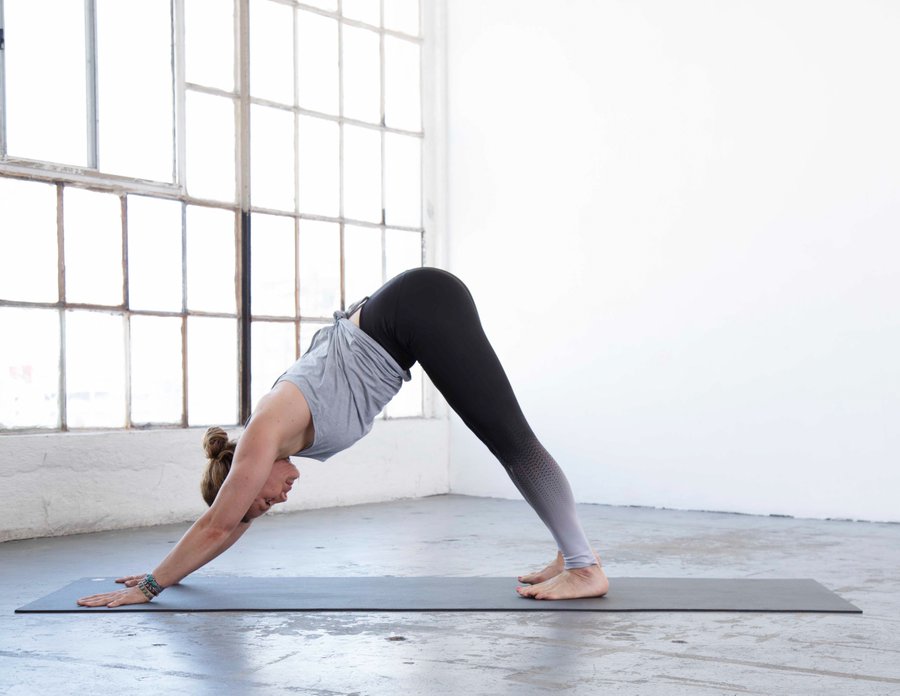

Sleep experts say we should get at least seven hours of slumber each night. But as many as one in three Americans routinely sleeps for less than six hours—a trend that can have serious health ramifications.
A single night of poor sleep can leave you feeling cranky and unmotivated. You may be too tired to work efficiently, to exercise, or to eat healthfully. And over time, continued sleep deprivation raises the risk for a number of chronic health problems, including obesity, diabetes, high blood pressure, and heart disease. Insufficient sleep can also leave you more vulnerable to mental health issues such as depression and anxiety. There’s even some evidence that insufficient sleep makes your more prone to the common cold if you’re exposed to the cold virus.
In rare cases, insufficient sleep can even more dangerous. A sleep shortfall can lead to daytime drowsiness and “microsleeps.” Microsleeps are brief bouts of sleep that occur during the day that usually last just a few seconds. If you’ve ever briefly nodded off while sitting through a lecture, you’ve experienced a microsleep. They usually last just a few seconds but can go on for 10 or 15 seconds—and pose a grave danger if they happen while you’re driving.
During a microsleep, your brain does not respond to noise or other sensory inputs, and you don’t react to things happening around you. Because people are poor judges of when microsleeps will occur (and are equally poor at preventing them), they’re a major factor in many motor vehicle accidents. One in 24 American drivers admitted to falling asleep while driving at least once in the previous month, according to a government report. The National Department of Transportation estimates that each year, drowsy driving is responsible for 1,550 fatalities and 40,000 nonfatal injuries in the United States.
So how do you combat insuficient sleep? The best solution is to figure out how many hours of sleep are right for you and then stick with it—even on weekends, holidays, and vacations. Basic lifestyle changes that promote sleep can also help. Exercise, avoiding caffeine, and practicing good sleep hygiene are some of the ways to get your best rest.
– By Julie Corliss
Executive Editor, Harvard Heart Letter
You can read more about sleep problems—and how to treat them—in the Harvard Special Health Report, Improving Sleep: A guide to a good night’s rest.


This tasty, filling Italian soup is packed with nutrient-rich veggies, heart-healthy olive oil and fiber-friendly legumes. Enjoy it all year long — let it warm you up in the fall and winter, and fill it with fresh vegetables from your garden in the summer.
¼ cup olive oil
1 clove garlic, minced (or 1/8 teaspoon garlic powder)
1-1/3 cups coarsely chopped onion
1-1/2 cups coarsely chopped celery and leaves
1 can (6 ounces) tomato paste
1 tablespoon chopped fresh parsley
1 cup sliced carrots, fresh or frozen
4-3/4 cups shredded cabbage
1 can (16 ounces) tomatoes, cut up
1 cup canned red kidney beans, drained and rinsed
1-1/2 cups frozen peas
1-1/2 cups fresh green beans
Dash hot sauce
11 cups water
2 cups uncooked spaghetti noodles
Makes 16 servings
Per serving:
Calories: 260
Fat: 4g
Saturated fat: 0g
Sodium: 191mg
Protein: 11g
Carbohydrate: 45g
Sugars: 7g
Dietary fiber: 8g
—Recipe courtesy of Stay Young at Heart (National Heart, Blood and Lung Institute)

Did you know Greek yogurt has almost twice as much protein as other yogurts? It takes longer to leave your stomach, keeping you satisfied longer. Plus, you burn more calories digesting protein than carbs. https://wb.md/3BbzYB7


 Healthaware