Skip to content
Healthaware

Healthaware

Health is Wealth

  • Home

Tag: physical activity

Posted on June 19, 2022June 19, 2022

.@brc-clinic supports Men’s Health Week – and a strong message from our healthcare experts is to help prevent the onset of life threatening conditions with a healthy lifestyle


Blackrock Health Blackrock Clinic

@brc_clinic
·
16h

@brc_clinic
supports #MensHealthWeek 2022, and a strong message from our healthcare experts is to help prevent the onset of life threatening conditions with a healthy lifestyle: http://ow.ly/emXN50JyTaF #MissionIsPossible #TheActionStartsWithYou @MensHealthIRL


Posted on June 14, 2022June 14, 2022

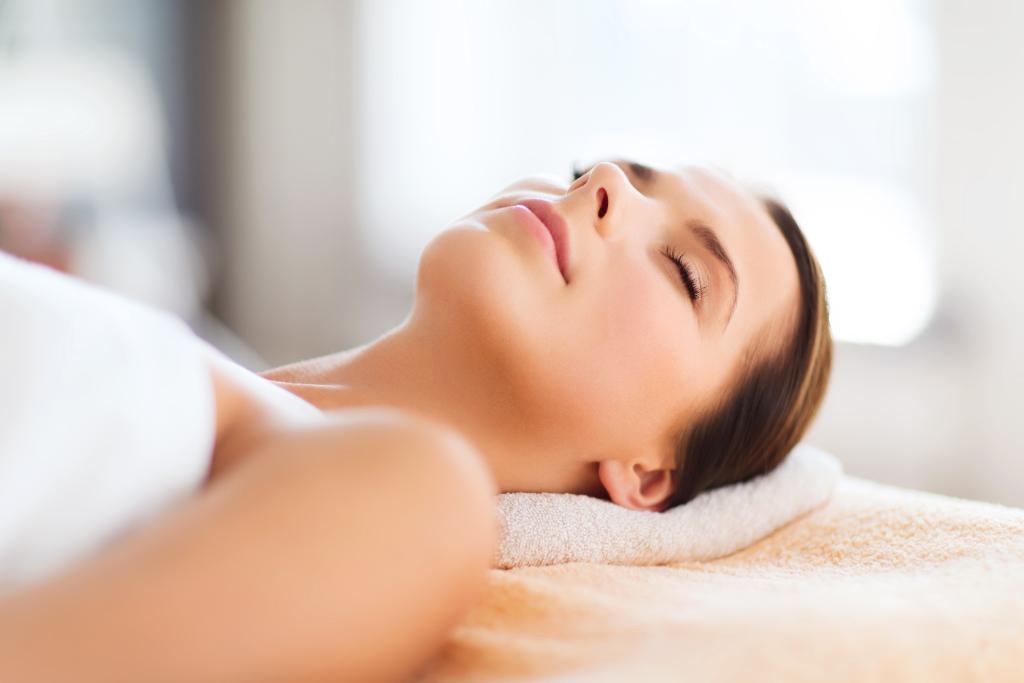
How to get back to sleep and why it’s so important:@ClevelandClinic

cleveland back to sleep

Your bed should be a place of relaxation and rejuvenation. But if you’re having trouble sleeping, that’s likely not the case.

Not only can not sleeping be frustrating, but getting a good night’s sleep is vital to maintaining your overall health and mental well-being. Seven or more hours of quality sleep each night recharges your body physically, but can also help flush toxins from your brain and allow your mind to fully rest — which assist in your mental alertness, decision-making, and overall clarity the next day.  And if you’re sick, your brain needs to be in tip-top shape to help you recover.

That’s why sleep expert Nancy Foldvary-Schaefer, DO, says you should do everything you can to address any sleep issues you’re experiencing.

Different ways your sleep can be interrupted

Besides external influences like recurring noises (from a crying infant to a snoring partner) or travel-related time changes that keep you up at night, sleep deprivation may come in many other forms.

“For example, some people experience chronic insomnia — a sleep disorder in which you have trouble falling and/or staying asleep,” Dr. Foldvary-Schaefer says. “Others may experience cycles of waking up but not being able to get back to sleep.“

And sometimes, even if you’re able to fall asleep but were focused on unresolved issues or worries right before you closed your eyes — this may affect the quality of sleep you actually achieve. “You may find yourself groggy in the morning or feeling tired, cranky or unproductive,” Dr. Foldvary-Schaefer says. “Also, a lack of sleep can affect your judgement and emotional response to otherwise normal daily activities.”

How stress can affect your sleep

Many of us tend to bring our daily stress to bed with us — which is exactly the place it doesn’t belong. It’s not easy to leave stress at the end of your day. But keeping these stressful thoughts in focus right before sleep can definitely prevent you from getting some good shuteye.

“This is something you should try to avoid whenever possible, as it can cause a variety of sleep problems,” Dr. Foldvary-Schaefer notes. “It may take practice, but committing to stress-reduction behaviors at the end of your day is very important. The more active you are in kicking stress out of bed each night, the more likely your overall sleep quality will improve.”

How to de-stress before bed

You may not be aware that bringing stress to bed could be causing a negative cycle to form. If you have trouble falling asleep, the longer you lie awake, the more aggravated you may become. Soon you may unknowingly associate your bed as a place of discomfort, rather than one of comfort. The key is to remove any negative association with your sleep space by forming healthy pre-sleep habits. Dr. Foldvary-Schaefer offers these tips for developing better pre-sleep practices:

  • Plan for tomorrow earlier in the evening — Carve out time each night before or after dinner to “wrap up” your thoughts about the last 24 hours. Plotting out your next day well before bedtime can help you check that “planning box” early enough to give yourself time to transition and quiet your mind before bed.
  • Get up if you’re not asleep after 20 minutes — It may be a good idea to take your frustrations to a different room and leave them there — literally. A short walk will get your brain actively focused on motor coordination, rather than worrying. Write down what’s on your mind on a piece of paper and revisit it in the morning. You’ll return to bed anticipating a fresh perspective in the morning (a best practice, anyway) — and leave your bedroom as your special place to rest and relax.
  • Develop your pre-sleep ritual — Take a walk after dinner to catch a sunset, take a long bath or enjoy a nightly cup of caffeine-free herbal tea.
  • Avoid overstimulation — Avoid not eating, working, or browsing a screen of any kind in bed. Reading a book off-screen may help, or enjoying a relaxing playlist to give your mind something to connect with, but not be overstimulated by.
  • Practice yoga or meditation — Closing your eyes, practice simple mindfulness, awareness or concentrated focus on your breathing for five minutes. This can help your body and mind relax — and transition  you to a more restful sleep.

If trying some of the strategies above to reduce or manage your stress aren’t helping your insomnia, cognitive behavioral therapy (or CBT-i) might be a good option.

“CBTi is a structured program that helps you identify and replace thoughts and behaviors that cause (or worsen) sleep problems with new habits and thought patterns that promote healthy sleep,” explains sleep expert Michelle Drerup, PsyD.

“CBTi is offered by trained specialists nationwide, including at many larger hospitals or academic medical centers,” Dr. Drerup adds. “There are also several online programs, such as Cleveland Clinic’s Go! to Sleep program.”

Illness may be the reason you can’t sleep

A lack of sleep may also indicate a variety of sleep disorders or other health concerns that need to be addressed with proper medical diagnosis and treatment. Once your medical conditions are treated, you may eventually see your sleep improve.

Underlying medical conditions that may prevent you from sleeping include:

  •  Chronic pain.
  •  Acid reflux.
  •  Restless legs syndrome (RLS).
  •  Sleep apnea (in both men and women).
  •  Hormonal changes caused by menopause.
  •  Narcolepsy.
  •  Diabetes.
  •  Night terrors.
  •  Sleepwalking.
  •  Depression.
  •  Common issues related to aging.

“If any of these are the case, you likely won’t sleep comfortably through the night until the problem is identified and properly treated by a knowledgeable primary care physician or specialist,” Dr. Foldvary-Schaefer says.

Make sure you keep track of symptoms you are experiencing, and tell your doctor about them as soon as possible. Your primary care physician may explore your sleep history and/or give you a physical examination. This could include examining your upper airway muscles, for example. If sleep apnea is suspected, you may be referred to a sleep disorders center for a comprehensive sleep study. Or you may be suffering from other conditions that could result in treatments like short-term hormone replacement therapy, antidepressants or other kinds of medicines — all which depend upon proper diagnosis.

Be aware and stay proactive 

Overall, the key to getting better sleep comes from first identifying your sleepless activity, reducing your stress before you hit your bed, and talking with your doctor if you notice other symptoms — so you can get back on track to a good night’s sleep.

https://health.clevelandclinic.org/what-to-do-if-you-cant-sleep

Posted on June 13, 2022

100th Dublin City Liffey Swim race winner Sinead Delaney with her mother Joan

sinead delany and mother joan

Sinéad Curran liked

Inpho Photography
@Inphosports
·

17h

Women’s

@JonesEngHQ

100th Dublin City Liffey Swim race winner Sinead Delaney with her mother Joan #LiffeySwim #Liffey100

Posted on June 11, 2022June 6, 2022

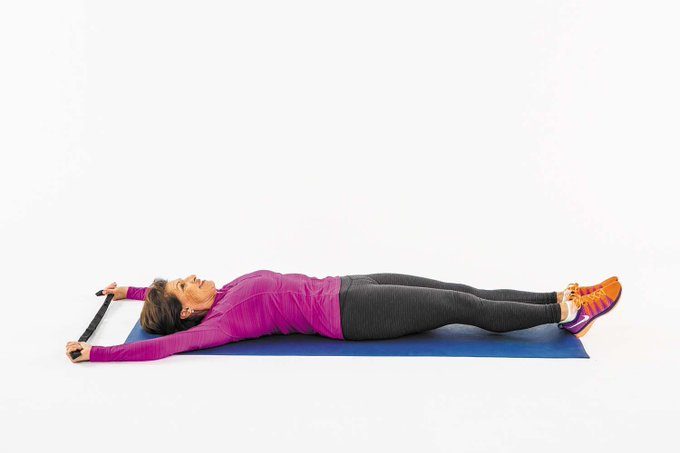
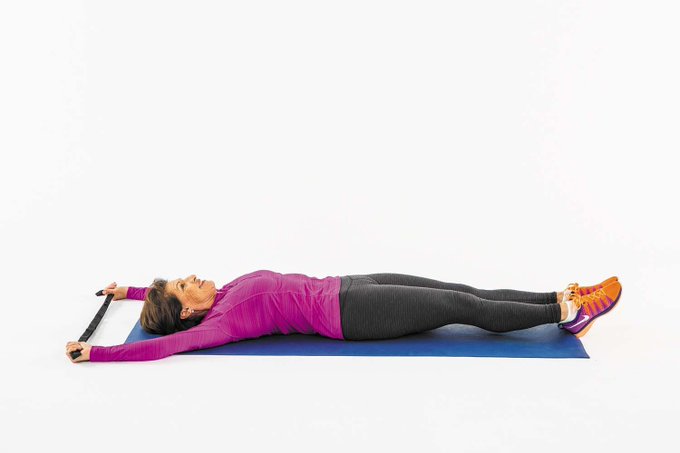
Stiff back? Try loosening up with these gentle stretches @ClevelandClinic

Cleveland Clinic
@ClevelandClinic

·
3m


Stretches to loosen up those tight back muscles:

Try These Yoga Poses to Improve Your Lower Back Flexibility
Stiff back? Try loosening up with these gentle stretches
health.clevelandclinic.org

https://health.clevelandclinic.org/try-these-yoga-poses-to-improve-your-lower-back-flexibility/?utm_medium=social&utm_s
Posted on June 7, 2022June 7, 2022

Muscles in your body are a use-or-lose proposition. You need to use them to keep them strong!@ClevelandClinic

cleveland muscles

Cleveland Clinic
@ClevelandClinic
·

2h

Muscles in your body are a use-or-lose proposition. You need to use them to keep them strong!

You may not realize it, but we all start losing 1 percent of muscle mass each year after age 30. That’s why your diet in later years should not look the same as it did when you were younger, says endocrinologist Susan Williams, MD.

Skipping breakfast, eating fast food and being inactive in your 20s and early 30s might not hurt your health in the short term. However, poor nutrition and lifestyle habits take their toll over time.

People who embrace good habits early on really get ahead of the game, Dr. Williams says. But it’s never too late to start eating better and taking better care of your body.

Whether you’re 30 or 50, Dr. Williams offers three important tips to get started in eating right when you are thinking about your long-term health.

RELATED: Do You Know How Much Exercise You Really Need? 

1. Keep your weight in check

A roller coaster of weight gain and loss can change your body composition and leave you with more fat mass and less lean muscle mass.

2. Eat three balanced meals a day

You also want to limit your snacks in between. The word “balanced” is especially important because eating a wide variety of foods will help you prevent nutritional deficiencies.

Dr. Williams suggests this simple shopping list:

  • Lean proteins. Choose chicken, white fish, oily fish like salmon, eggs, tuna fish and red meat (less frequently than other protein).
  • Whole grains. This includes multigrain breads, and long-cooking rice or oats.
  • Veggies. Go for fresh or fresh frozen. Choose what’s in season and enjoy a variety to get the vitamins and minerals your body needs.
  • Fruit. Fresh fruit is best, followed by frozen. Canned fruit can be OK, but choose options in light syrup or water. Check the label and avoid added sugar.
  • Dairy. Choose milk, yogurts, cheeses and cottage cheese that are low-fat or fat-free.

Steer clear of cookies, cakes, pies, ice creams, juices and rich desserts. If that sounds like no fun, Dr. Williams advises treating these foods as treats. Save them for dining out or special occasions, but don’t make them part of your daily diet.

RELATED: Which Bread Is Best For You — Whole-Grain, Multigrain or Whole Wheat?

3. Use your muscles

Eating protein and being physically active are equal partners in the quest for maximum health, Dr. Williams says. Muscles are made of protein, but simply eating protein is not enough to save them.

“Muscles in your body are a use-or-lose proposition,” she says. “You need to use them to keep them strong.”

Can’t carve out time for the gym? Try this daily routine:

  1. In the morning, stretch for 10 minutes.
  2. At lunch, eat and then walk for 10 minutes.
  3. After dinner, spend 10 minutes with stretch bands or light weights.

Even a half hour of physical activity can make a world of difference, especially if you make it a habit in your 30s. “Don’t let your weight creep up while your muscle mass creeps down over your 30s and 40s,” Dr. Williams says. The longer you wait, the harder it will be to get started — and the more muscle you will have already lost.

Posted on June 7, 2022

Physiotherapists rarely get a mention, but they improve the lives of millions of people every single year and so many of us would struggle without them.@NHSMillion


NHS Million

@NHSMillion

·
12m

Physiotherapists rarely get a mention, but they improve the lives of millions of people every single year and so many of us would struggle without them. Huge thanks to every single one of you.
Posted on May 14, 2022May 14, 2022

Consumer Health: Osteoporosis and exercise @MayoClinic

newsnetwork.mayoclinic.org

Consumer Health: Osteoporosis and exercise – Mayo Clinic News Network

May is National Osteoporosis Awareness and Prevention Month, which makes this a good time to learn more about this bone […]

Posted on May 6, 2022

Cardiovascular exercise, which gets the heart pumping, the muscles moving, and the sweat glands working, is one of the best medicines for overall health. @HarvardHealth


Harvard Health

@HarvardHealth
·
9h

Cardiovascular #exercise, which gets the #heart pumping, the muscles moving, and the sweat glands working, is one of the best medicines for overall health. And what’s good for the body also benefits the brain: https://bit.ly/3sln7dp #HarvardHealth
Posted on May 3, 2022

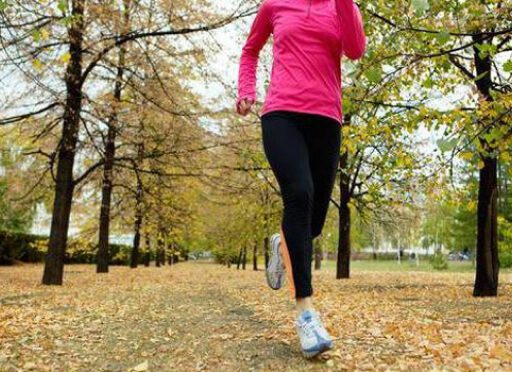
Running is good for you. @brc_clinic

Posted on April 25, 2022

“Soon I’ll be able to prescribe music therapy for my patients” @DrPunamKrishan


BBC Morning Live

@BBCMorningLive
·
Apr 21

On Friday’s #BBCMorningLive Dr Punam’s looking at the latest health news including how music could help people with dementia and that scientists may have found the cause of Multiple Sclerosis. If you have any health questions, email us morninglive@bbc.co.uk or reply below

Posts pagination

Previous page Page 1 … Page 73 Page 74 Page 75 … Page 103 Next page

Tags

  • Alcohol
  • Cleveland Clinic
  • Depression
  • diet
  • exercise
  • Female health
  • fitness
  • Harvard Health
  • Healthaware
  • heartaware
  • heart health
  • nutrition
  • physical activity
  • physiotherapy
  • yoga

Recent Posts

  • Tropical Fruits: Pineapple, Mango, Papaya deserve a place on your shopping list @HarvardHealth
  • Recipe: Caramelized Pineapple With Raspberries @ClevelandClinic
  • Looking to stabilize your blood sugar, lower your cholesterol, reduce inflammation and feel full longer? Look no further than the delicious apple! @ClevelandClinic
  • Even a small apple a day may help keep diabetes away @HarvardHealth #stayhealthy 😀🤩
  • It’s the care and attention you receive from the experienced physiotherapist that is so therapeutic 😀@thecsp
  • Our best balance boosters #physiotherapy😉 @HarvardHealth
  • As you grow your practice, your comfortability with downward dog will also grow! @YogaWorks
  • Smoked Gouda and vegetable poached Egg Sandwich
  • Why Avocados Are a Healthy — and Delicious — Addition to Your Diet @ClevelandClinic
  • Among all fruits, #bananas are one of best sources of potassium, with about 450 milligrams (mg) per banana @HarvardHealth
  • Cherry blossoms are the national flower of Japan, representing a time of renewal and optimism. @StPatricks #mentalhealth 🌸 🌼 ♥️
  • Start your day with a hearty and nutritious 6-grain hot cereal that will keep you energized and satisfied. @MayoClinic
  • Thunderclap headache — The “worst headache of my life”:@HarvardHealth
  • “This incredible photo wins for 2018 Wildlife Photographer of the Year. It was taken by Marsel van Oosten in China’s Qinling Mountains” @BBCBreakfast
  • Be Kind and Patient with New Mums 🩷@motherandbaby
  • A Strong Core is Your Best Guard Against Back Pain @ClevelandClinic
  • Warms you up indoor and out #cyclamen 💝💖
  • National Walking Day @NancyatHeart #physicalactivity
  • Sunrise 🇮🇪 😍 #Leitrim
  •   😍 💙  💗 💕  💐
Blog at WordPress.com.
  • Subscribe Subscribed
    • Healthaware
    • Join 1,723 other subscribers
    • Already have a WordPress.com account? Log in now.
    • Healthaware
    • Subscribe Subscribed
    • Sign up
    • Log in
    • Report this content
    • View site in Reader
    • Manage subscriptions
    • Collapse this bar
 

Loading Comments...