It seems that "exercise snacks" can be a good way to improve your health. Research shows that short bursts of activity done during the normal course of your day can help you build fitness – with no sweating required. Listen in as exercise physiologist Katie Lawton explains. pic.twitter.com/4dpEiWbCTM
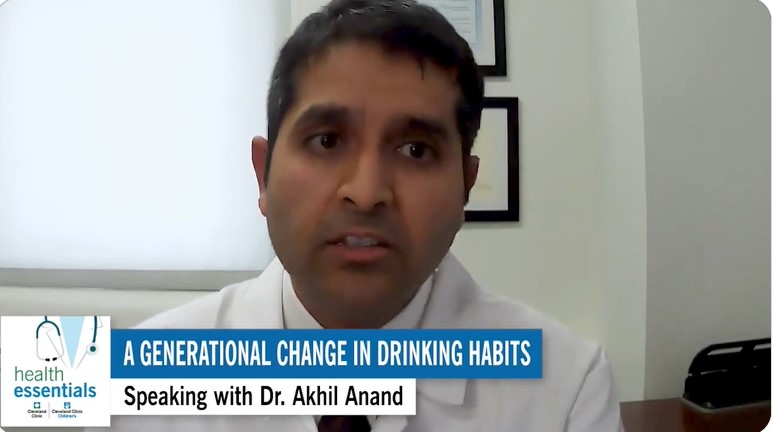
Research shows that Generation Z is drinking far less alcohol than previous generations. So what’s behind this trend – and does that mean alcohol and drug use worries are disappearing? Let’s break the topic down in this podcast with addiction psychiatrist Akhil Anand. pic.twitter.com/PrqU7IbBlP
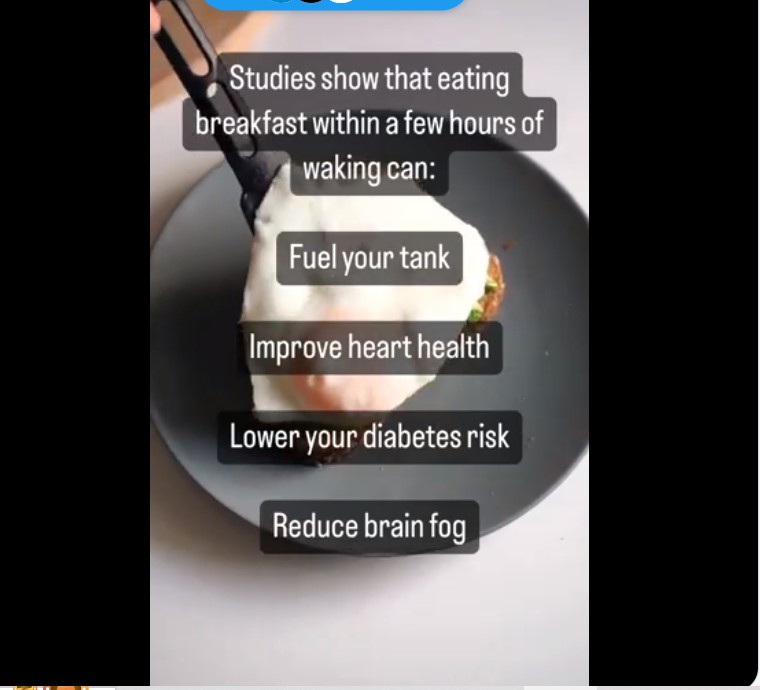
The term “breakfast” means breaking the fast. And at some point in our day, all of us do that, whether it’s at 7 a.m. or noon. Ideally, the recommendation is to put some food in your belly within two hours of getting up for the day.
5 surprising benefits of #walking: Any physical activity is a boon to your overall health. But walking in particular comes with a host of benefits. https://bit.ly/3uyNvhI#HarvardHealth
The next time you have a check-up, don’t be surprised if your doctor hands you a prescription to walk. Yes, this simple activity that you’ve been doing since you were about a year old is now being touted as “the closest thing we have to a wonder drug,” in the words of Dr. Thomas Frieden, former director of the Centers for Disease Control and Prevention.
Of course, you probably know that any physical activity, including walking, is a boon to your overall health. But walking in particular comes with a host of benefits. Here’s a list of five that may surprise you.
1. It counteracts the effects of weight-promoting genes. Harvard researchers looked at 32 obesity-promoting genes in over 12,000 people to determine how much these genes actually contribute to body weight. They then discovered that, among the study participants who walked briskly for about an hour a day, the effects of those genes were cut in half.
2. It helps tame a sweet tooth. A pair of studies from the University of Exeter found that a 15-minute walk can curb cravings for chocolate and even reduce the amount of chocolate you eat in stressful situations. And the latest research confirms that walking can reduce cravings and intake of a variety of sugary snacks.
3. It reduces the risk of developing breast cancer. Researchers already know that any kind of physical activity blunts the risk of breast cancer. But an American Cancer Society study that zeroed in on walking found that women who walked seven or more hours a week had a 14% lower risk of breast cancer than those who walked three hours or fewer per week. And walking provided this protection even for the women with breast cancer risk factors, such as being overweight or using supplemental hormones.
4. It eases joint pain. Several studies have found that walking reduces arthritis-related pain, and that walking five to six miles a week can even prevent arthritis from forming in the first place. Walking protects the joints — especially the knees and hips, which are most susceptible to osteoarthritis — by lubricating them and strengthening the muscles that support them.
5. It boosts immune function. Walking can help protect you during cold and flu season. A study of over 1,000 men and women found that those who walked at least 20 minutes a day, at least 5 days a week, had 43% fewer sick days than those who exercised once a week or less. And if they did get sick, it was for a shorter duration, and their symptoms were milder.
It seems that "exercise snacks" can be a good way to improve your health. Research shows that short bursts of activity done during the normal course of your day can help you build fitness – with no sweating required. Listen in as exercise physiologist Katie Lawton explains. pic.twitter.com/4dpEiWbCTM
Overcome social apprehensions: When you turn down opportunities to make new friends or visit people, ask yourself why you are avoiding them. Remember that other people want to be liked, too, and will generally welcome the outreach. — #HarvardHealthTipoftheDay#HarvardHealth
There is no magic pill to reverse the aging process. But if you want to counter the biological mechanisms that drive age-related conditions, like the accumulation of senescent cells, you will need to exercise.
It’s uncommon in kids under 3, but providers may test under certain circumstances
We’ve all done it
Stared into the mirror, flashlight trained on our open mouths, searching for the telltale white patches that typically indicate strep throat. If we see them, we’re off to our primary care practitioner or nearest medical express center for a rapid strep test and, if needed, a course of antibiotics. No big deal.
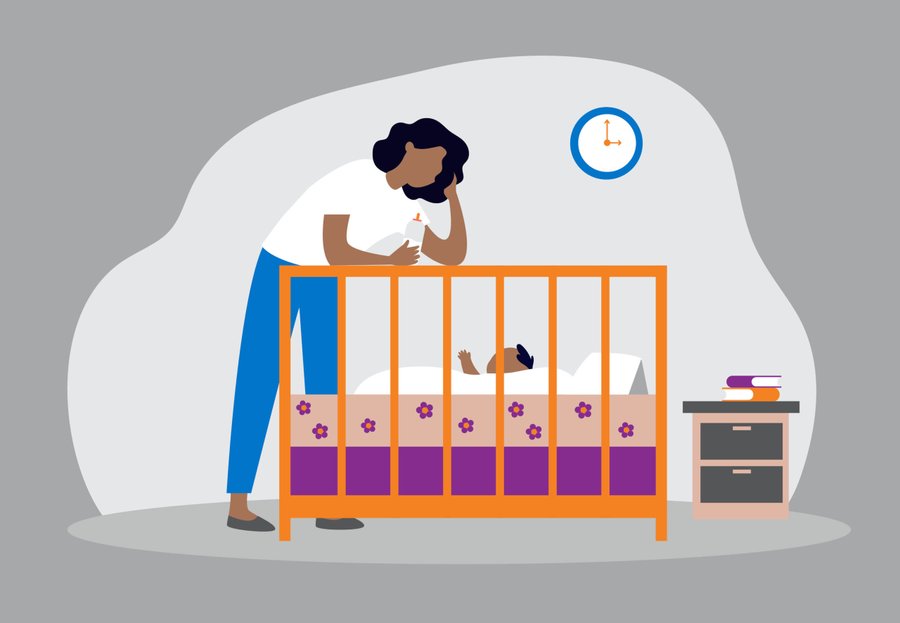
But when it comes to your baby or toddler, any hint of illness does feel like a big deal.
The fact that untreated strep can cause complications makes the guessing game all the more stressful. That’s why we asked pediatrician Wadie Shabab, MD, FAAP, whether it’s possible for children under 3 to contract strep throat and what worried parents should do if they think their wee one has it.
What is strep throat?
Acute streptococcal pharyngitis (strep throat) is a highly contagious bacterial infection. It can spread through respiratory droplets or through direct contact, like sharing a cup or touching an infected surface. Strep has an incubation period — the time when you’re contagious but aren’t yet showing any symptoms — of two to five days, which makes it easy to spread, especially in crowded places like schools and daycare facilities.
Strep throat is most common in kids between the ages of 5 and 15. Certain strains of strep throat can cause a red rash known as scarlet fever or a skin infection called impetigo. Luckily, antibiotics can speed up the recovery process and reduce the amount of time a person’s contagious.
Left untreated, strep throat can cause rheumatic fever or a serious kidney problem called acute glomerulonephritis. But these complications are rare. Where we see do see rheumatic fever and glomerulonephritis, it’s usually in resource-poor countries with limited access to antibiotics.
Can babies get strep?
That’s the cloud. Here’s the silver lining: “In general, it’s uncommon for children younger than 3 to have strep throat,” Dr. Shabab says. It’s much more likely that a virus is causing your kiddo’s discomfort.
And there’s more good news: Strep infections also tend to be milder and cause fewer dangerous complications in infants and toddlers than they do in older kids.
Symptoms of strep in kids
While rare, it is possible for a very young child to contract strep throat. And the infection can cause different symptoms than the ones you see in older children and adults. Here are some things to look out for:
Red throat with white patches.
Fever.
Crankiness or irritability.
Loss of appetite or excessive drooling.
Difficulty sleeping.
Swollen lymph nodes.
Even if your baby ticks most of those boxes, Dr. Shabab says it’s possible a healthcare provider will decide not to test or treat for strep.
Why do doctors avoid strep tests for kids under age 3?
Why would your pediatrician opt out of strep testing your sick child? Dr. Shabab says that in addition to contracting strep being rare, the likelihood of complications is also rare.
“We treat strep to decrease the duration of the symptoms and prevent complications such as sinus infections, ear infections and abscesses in the throat area,” he explains. “But the most important reason we treat strep throat is to prevent acute rheumatic fever and acute glomerulonephritis.”
According to Dr. Shabab, it’s very rare for children under 3 to develop these complications, so providers frequently opt not to test and let whatever is happening resolve on its own.
But as with any rule, there are important exceptions to be aware of.
When DO doctors test children under 3 for strep?
More often than not, a child under 3 isn’t going to have strep throat. But that doesn’t mean there aren’t times when it’s important to be sure.
Your healthcare provider will likely perform a throat swab on your child if they’re ill and:
There’s been an outbreak at their daycare or pre-kindergarten class.
They’ve been in close contact with a person who’s tested positive.
They see something while examining your child that leads them to suspect a strep infection.
If your little one’s test comes back positive, their provider might prescribe antibiotics.
Preventing strep throat
The single best way to reduce your risk of strep throat is by practicing good hygiene. Unfortunately, children under 3 aren’t known for their cleanliness. Still, getting your children in the habit of washing their hands for 20 seconds with soap and warm water throughout the day, before eating and after sneezing or coughing is a great first step. And modeling the behavior will help you avoid getting sick, which improves your kiddo’s chances of staying healthy, too!
Here are a few other things you can do to minimize the chances of strep making its way into your home:
Carry hand sanitizer. Small children can make big messes and expose themselves to all sorts of germs in the process. If you aren’t able to get them to a sink to wash their hands, dipping into your hand sanitizer reserves is your next best option.
Keep tissues handy. Teaching kids to wipe their noses with tissues — not arms, hands, clothes or friends — is easier said than done. But having tissues available may make it easier.
Cough or sneeze into your elbow. If you happen to catch your little one coughing or sneezing into their hands, make sure they wash up (or at least use some hand sanitizer) as soon as possible.
Sharing isn’t always caring. If somebody in your house is sick — with strep throat or anything else — avoid sharing things like utensils, food and cups.
Stay home if you’re unwell. If you or your child test positive for strep throat, stay home from work or daycare (if possible) until you’ve been on antibiotics for 48 hours.
The bottom line
It’s rare for children under the age of 3 to get strep throat — and still more unusual for them to get seriously ill as a result. Again, healthcare providers rarely test for it as a result, unless your child is ill and:
Has been in close contact with a person who has a confirmed case.
There’s been a breakout reported in their daycare center, or anywhere they spend a lot of time.
They see convincing evidence of strep when examining your child.
Very young children tend not to have the same symptoms as older children with strep throat. If you’re concerned about their symptoms — especially if they have a fever — contact their pediatrician immediately.








 Healthaware