
Walk the lakes, forests 😀💚 Co.Cavan 🇮🇪

Health is Wealth

Adapted from Pain Relief Without Drugs or Surgery, Medical Editor: Melissa L. Colbert, MD, Instructor in Physical Medicine and Rehabilitation, Harvard Medical School; Interim Medical Director, Spaulding Rehabilitation Outpatient Center.
Acupuncture has been used to treat many pain conditions, including low back pain, shingles and other nerve pain, hand and knee pain, headaches, fibromyalgia, and menstrual pain.
According to traditional Chinese beliefs, acupuncture works by affecting the flow of energy (called qi) through 12 channels, or meridians, that run lengthwise through the body.
Acupuncture involves the insertion of extremely fine needles into the skin at specific “acupoints” along the meridians. This action, some scientific evidence has shown, may result in pain relief by releasing endorphins, the body’s natural painkilling chemicals, and may affect the part of the brain that governs levels of serotonin, a neurotransmitter involved with mood.
A related technique called acupressure does not involve the insertion of needles at all, but substitutes deep pressure, usually with a finger or thumb, at acupressure points.
Acupuncture technique can vary with the practitioner:
Generally, the acupuncturist will start by asking you about your pain and other symptoms and your medical and family history. They may also do a physical exam, take your pulse, and press on various parts of your body to identify swelling or sensitivity.
Acupuncturists use a holistic approach. Therefore, the treatment will likely address general whole-body imbalances as well as your specific complaint. The acupuncturist typically inserts four to 10 needles and leaves them in place for 10 to 30 minutes while you rest. A usual course of treatment includes six to 12 sessions over a three-month period.
Minor side effects can include pain, bruising, or bleeding at the site of the needle insertion. The complication rate for acupuncture appears to be quite low. Skin infections have also been reported. Single-use, sealed needle packages have all but eliminated the risk of blood-borne infection such as hepatitis B or HIV.
A study published in The Journal of Pain pooled results of 39 studies involving nearly 21,000 people who received either acupuncture, simulated acupuncture, or no acupuncture for osteoarthritis, headaches, or chronic pain in the back, neck, or shoulders. True acupuncture provided the greatest pain relief, and the benefits persisted for at least a year. A 2021 study in Advances in Therapy found that acupuncture can help with low back pain up to two years after treatment.
If you decide to try acupuncture, it is crucial to seek out an experienced acupuncturist. Licensing requirements vary from state to state. In states with no licensing requirements, the safest way to find a qualified acupuncturist is to seek one with certification from the National Certification Commission for Acupuncture and Oriental Medicine. Some physicians also practice acupuncture, so ask your doctor for a referral. Increasingly, insurers cover acupuncture for conditions such as low back pain.


sntSdeproo06m8a39h3661cm37379c0f3186752gl91t937c2i23f3280f4c ·
March is Endometriosis Awareness Month. Did you know this condition affects 1 in 10 women?
Endometriosis can cause debilitating pain, fertility issues, and significantly impact quality of life.
Megan Davenport, MISCP, Senior Physiotherapist in Pelvic Health at Blackrock Clinic, sheds light on the condition and its symptoms:
“Endometriosis can affect women at any age, from puberty to menopause, though its impact may persist throughout life. It is not just “bad period pain”—it is a long-term condition, and each person’s experience with endometriosis is different.
Women with endometriosis experience a wide range of symptoms, with the most commonly recognised including:
– Heavy periods (needing to change pads/tampons every hour or so)
– Painful periods that interfere with daily activities
– Pelvic, abdominal or back pain, sometimes radiating down the thighs
– Pain during or after sex
– Pain with urination or having a bowel motion
Fatigue, bloating and nausea can also be experienced as well as anxiety and depression.
Link to full article:
Harvard HealthVerified account @HarvardHealth
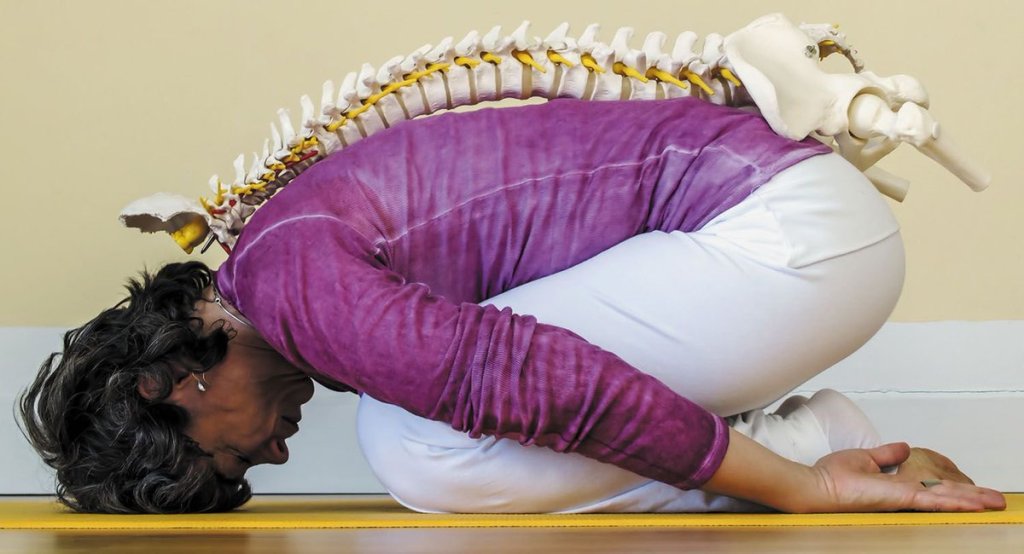
The best medicine for back pain may be good old-fashioned movement and exercise. http://bit.ly/2TArb8A #HarvardHealth #exercise


·
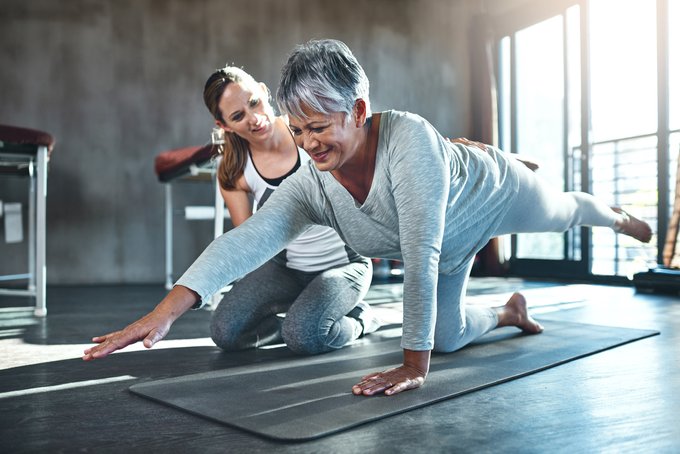
Remember to use #WorldPTDay so people can follow and share your activities for World PT Day http://ow.ly/583M50KyRRp #GlobalPT
Chartered Society of PhysiotherapyVerified account @thecsp 37 minutes ago
There are many myths surrounding back pain, read our guide ’10 things you need to know about your back’ with the latest physio advice: http://www.csp.org.uk/yourback #LiveWellforLonger
 Healthaware