Harvard Health: Acupuncture for pain relief: How it works and what to expect

Adapted from Pain Relief Without Drugs or Surgery, Medical Editor: Melissa L. Colbert, MD, Instructor in Physical Medicine and Rehabilitation, Harvard Medical School; Interim Medical Director, Spaulding Rehabilitation Outpatient Center.

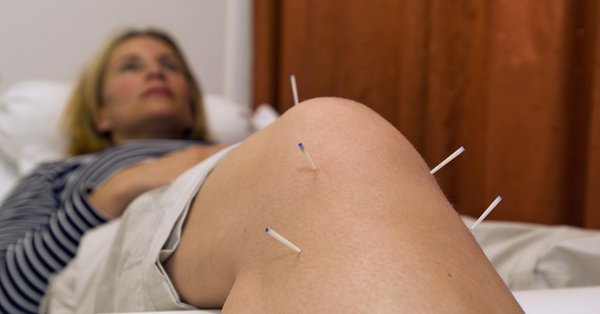
Acupuncture has been used to treat many pain conditions, including low back pain, shingles and other nerve pain, hand and knee pain, headaches, fibromyalgia, and menstrual pain.

How acupuncture works

According to traditional Chinese beliefs, acupuncture works by affecting the flow of energy (called qi) through 12 channels, or meridians, that run lengthwise through the body.

Acupuncture involves the insertion of extremely fine needles into the skin at specific “acupoints” along the meridians. This action, some scientific evidence has shown, may result in pain relief by releasing endorphins, the body’s natural painkilling chemicals, and may affect the part of the brain that governs levels of serotonin, a neurotransmitter involved with mood.

A related technique called acupressure does not involve the insertion of needles at all, but substitutes deep pressure, usually with a finger or thumb, at acupressure points.

How is acupuncture administered?

Acupuncture technique can vary with the practitioner:

  • During Chinese acupuncture, the acupuncturist may turn or twirl the needles slightly, or apply heat or electrical stimulation to enhance the effects. In some cases, an herb called mugwort is burned near the needle tips or over specific areas of the body to stimulate the acupoints; this is called moxibustion.
  • While traditional moxibustion may involve placing mugwort directly on the needle or skin, more commonly in the U.S. indirect methods are used, where the mugwort is burned near the skin without making contact.
  • A Japanese form of acupuncture involves more shallow needle insertion than Chinese acupuncture, and needles usually are not manipulated.
  • Korean acupuncture focuses on needling points just in the hands and feet.

Generally, the acupuncturist will start by asking you about your pain and other symptoms and your medical and family history. They may also do a physical exam, take your pulse, and press on various parts of your body to identify swelling or sensitivity.

Acupuncturists use a holistic approach. Therefore, the treatment will likely address general whole-body imbalances as well as your specific complaint. The acupuncturist typically inserts four to 10 needles and leaves them in place for 10 to 30 minutes while you rest. A usual course of treatment includes six to 12 sessions over a three-month period.

Minor side effects can include pain, bruising, or bleeding at the site of the needle insertion. The complication rate for acupuncture appears to be quite low. Skin infections have also been reported. Single-use, sealed needle packages have all but eliminated the risk of blood-borne infection such as hepatitis B or HIV.

A study published in The Journal of Pain pooled results of 39 studies involving nearly 21,000 people who received either acupuncture, simulated acupuncture, or no acupuncture for osteoarthritis, headaches, or chronic pain in the back, neck, or shoulders. True acupuncture provided the greatest pain relief, and the benefits persisted for at least a year. A 2021 study in Advances in Therapy found that acupuncture can help with low back pain up to two years after treatment.

If you decide to try acupuncture, it is crucial to seek out an experienced acupuncturist. Licensing requirements vary from state to state. In states with no licensing requirements, the safest way to find a qualified acupuncturist is to seek one with certification from the National Certification Commission for Acupuncture and Oriental Medicine. Some physicians also practice acupuncture, so ask your doctor for a referral. Increasingly, insurers cover acupuncture for conditions such as low back pain.

What’s causing your shoulder pain? 3 causes and fixes.@ClevelandClinic #painrelief

cleveland shoulder pain

Shoulder pain, stiffness or weakness can make it difficult to carry out everyday tasks, like reaching for something on a high shelf, driving a car or brushing your hair. If you have pain that won’t go away, it’s time to see a doctor.

There are a number of possible causes of shoulder pain, but the most common causes of shoulder pain are rotator cuff injuries, rotator cuff tears and osteoarthritis, says orthopaedic surgeon Mark Schickendantz, MD.

1. Rotator cuff injuries

The rotator cuff is a group of four muscles and their tendons that surround the shoulder joint, and connect the shoulder blade to the upper arm bone. Bursae, small sacs near the joint, provide lubricating fluid that decreases friction among the bones, tendons and ligaments.

Rotator cuff problems occur through overuse, and they include tendonitis, strains and partial and complete tears of the tendon.

Tendonitis is when the rotator cuff tendon becomes inflamed and irritated; bursitis is when the bursae swell. Tendonitis and bursitis cause pain in the front and side of the shoulder, and you might also feel some stiffness.

“These two conditions can occur with activities that involve using your arms overhead, like tennis, yoga or painting a room,” Dr. Schickendantz says. “Often the pain will be worse at rest and improve with activity.”

Treatment involves rest, applying ice, and taking nonsteroidal anti-inflammatory drugs (NSAIDs), such as ibuprofen, which is sold under the brand names Advil and Motrin, or naproxen, which is sold under the brand name Aleve. After a few weeks, most people with tendonitis recover, Dr. Schickendantz says.

2. Rotator cuff tears

If you experience shoulder pain at night that makes it difficult to fall asleep or awakens you, you may have a tear in one or more of the rotator cuff tendons.

“Night pain is the hallmark of a rotator cuff injury,” Dr. Schickendantz says.

You also may have this type of injury if you feel pain when lifting your arm overhead and weakness in the shoulder when trying to lift anything above shoulder level.

A rotator cuff tendon can tear from a single event, like falling down on an outstretched arm. It also can happen from a motion that is repeated over time. For example, a plumber who frequently uses his or her arms overhead can develop a rotator cuff tear. The rotator cuff also can weaken with age.

Treatment is rest, avoiding aggravating activities, physical therapy, applying ice, and NSAIDs. Some people with more severe pain may be helped with a corticosteroid injection, which is a powerful anti-inflammatory medication.

“I usually reserve the use of corticosteroids for someone who has severe night pain and is not responding well to oral medications,” Dr. Schickendantz says.

Surgery to repair the rotator cuff tendon is an option if these measures don’t give relief.

3. Osteoarthritis

Osteroarthritis happens when cartilage, which is the cushioning material that covers the ends of your bones, deteriorates, which leads to pain and stiffness.

Osteoarthritis causes a deep ache in the back of the shoulder. As osteoarthritis worsens, stiffness in the shoulder develops. People with osteoarthritis typically lose the ability reach behind their back.

“Patients often say they are unable to scratch their back or thread a belt,” Dr. Schickendantz says.

Osteoarthritis symptoms develop over time. For some people, an old shoulder injury from sports or some other activity, may kick off the degenerative process that years later results in osteoarthritis. But many people have no specific cause — it’s just wear and tear over time.

Treatment for osteoarthritis of the shoulder is similar to treatment for a rotator cuff tear, involving physical therapy, NSAIDs and ice. If the condition is severe, you can undergo shoulder joint replacement surgery, which is similar to joint replacement for hips and knees.

What’s causing your shoulder pain? 3 causes and fixes.@ClevelandClinic

cleveland shoulder pain

Shoulder pain, stiffness or weakness can make it difficult to carry out everyday tasks, like reaching for something on a high shelf, driving a car or brushing your hair. If you have pain that won’t go away, it’s time to see a doctor.

There are a number of possible causes of shoulder pain, but the most common causes of shoulder pain are rotator cuff injuries, rotator cuff tears and osteoarthritis, says orthopaedic surgeon Mark Schickendantz, MD.

1. Rotator cuff injuries

The rotator cuff is a group of four muscles and their tendons that surround the shoulder joint, and connect the shoulder blade to the upper arm bone. Bursae, small sacs near the joint, provide lubricating fluid that decreases friction among the bones, tendons and ligaments.

Rotator cuff problems occur through overuse, and they include tendonitis, strains and partial and complete tears of the tendon.

Tendonitis is when the rotator cuff tendon becomes inflamed and irritated; bursitis is when the bursae swell. Tendonitis and bursitis cause pain in the front and side of the shoulder, and you might also feel some stiffness.

“These two conditions can occur with activities that involve using your arms overhead, like tennis, yoga or painting a room,” Dr. Schickendantz says. “Often the pain will be worse at rest and improve with activity.”

Treatment involves rest, applying ice, and taking nonsteroidal anti-inflammatory drugs (NSAIDs), such as ibuprofen, which is sold under the brand names Advil and Motrin, or naproxen, which is sold under the brand name Aleve. After a few weeks, most people with tendonitis recover, Dr. Schickendantz says.

2. Rotator cuff tears

If you experience shoulder pain at night that makes it difficult to fall asleep or awakens you, you may have a tear in one or more of the rotator cuff tendons.

“Night pain is the hallmark of a rotator cuff injury,” Dr. Schickendantz says.

You also may have this type of injury if you feel pain when lifting your arm overhead and weakness in the shoulder when trying to lift anything above shoulder level.

A rotator cuff tendon can tear from a single event, like falling down on an outstretched arm. It also can happen from a motion that is repeated over time. For example, a plumber who frequently uses his or her arms overhead can develop a rotator cuff tear. The rotator cuff also can weaken with age.

Treatment is rest, avoiding aggravating activities, physical therapy, applying ice, and NSAIDs. Some people with more severe pain may be helped with a corticosteroid injection, which is a powerful anti-inflammatory medication.

“I usually reserve the use of corticosteroids for someone who has severe night pain and is not responding well to oral medications,” Dr. Schickendantz says.

Surgery to repair the rotator cuff tendon is an option if these measures don’t give relief.

3. Osteoarthritis

Osteroarthritis happens when cartilage, which is the cushioning material that covers the ends of your bones, deteriorates, which leads to pain and stiffness.

Osteoarthritis causes a deep ache in the back of the shoulder. As osteoarthritis worsens, stiffness in the shoulder develops. People with osteoarthritis typically lose the ability reach behind their back.

“Patients often say they are unable to scratch their back or thread a belt,” Dr. Schickendantz says.

Osteoarthritis symptoms develop over time. For some people, an old shoulder injury from sports or some other activity, may kick off the degenerative process that years later results in osteoarthritis. But many people have no specific cause — it’s just wear and tear over time.

Treatment for osteoarthritis of the shoulder is similar to treatment for a rotator cuff tear, involving physical therapy, NSAIDs and ice. If the condition is severe, you can undergo shoulder joint replacement surgery, which is similar to joint replacement for hips and knees.

The many (and surprising) benefits of acupuncture:

cleve acupunture

7h7 hours ago

The many (and surprising) benefits of acupuncture:

When your knee aches, day after day, you can’t walk easily. Climbing up and down stairs is a challenge. Pain wakes you up at night. It’s always on your mind

Osteoarthritis is one of the most common causes of chronic knee pain. It causes pain, inflammation and stiffness, making it hard to flex and extend your knee.

Across the country, doctors are striving to avoid prescribing medication, particularly opioids, for chronic pain. Research shows acupuncture to be a cost-effective way to treat pain with very little risk for the patient.

In fact, acupuncture is one of the treatments now recommended as a first line of defense against pain in national guidelines for physicians.

https://health.clevelandclinic.org/knee-arthritis-got-you-down-acupuncture-can-bring-relief/?utm_campaign=cc%20tweets&utm_medium=social&utm_source=twitter&utm_content=240118%20acpuncture&cvosrc=social%20network.twitter.cc%20tweets&cvo_creative=240118%20acpuncture

What’s causing your shoulder pain? 3 causes and fixes.@ClevelandClinic

cleveland shoulder pain

Shoulder pain, stiffness or weakness can make it difficult to carry out everyday tasks, like reaching for something on a high shelf, driving a car or brushing your hair. If you have pain that won’t go away, it’s time to see a doctor.

There are a number of possible causes of shoulder pain, but the most common causes of shoulder pain are rotator cuff injuries, rotator cuff tears and osteoarthritis, says orthopaedic surgeon Mark Schickendantz, MD.

1. Rotator cuff injuries

The rotator cuff is a group of four muscles and their tendons that surround the shoulder joint, and connect the shoulder blade to the upper arm bone. Bursae, small sacs near the joint, provide lubricating fluid that decreases friction among the bones, tendons and ligaments.

Rotator cuff problems occur through overuse, and they include tendonitis, strains and partial and complete tears of the tendon.

Tendonitis is when the rotator cuff tendon becomes inflamed and irritated; bursitis is when the bursae swell. Tendonitis and bursitis cause pain in the front and side of the shoulder, and you might also feel some stiffness.

“These two conditions can occur with activities that involve using your arms overhead, like tennis, yoga or painting a room,” Dr. Schickendantz says. “Often the pain will be worse at rest and improve with activity.”

Treatment involves rest, applying ice, and taking nonsteroidal anti-inflammatory drugs (NSAIDs), such as ibuprofen, which is sold under the brand names Advil and Motrin, or naproxen, which is sold under the brand name Aleve. After a few weeks, most people with tendonitis recover, Dr. Schickendantz says.

2. Rotator cuff tears

If you experience shoulder pain at night that makes it difficult to fall asleep or awakens you, you may have a tear in one or more of the rotator cuff tendons.

“Night pain is the hallmark of a rotator cuff injury,” Dr. Schickendantz says.

You also may have this type of injury if you feel pain when lifting your arm overhead and weakness in the shoulder when trying to lift anything above shoulder level.

A rotator cuff tendon can tear from a single event, like falling down on an outstretched arm. It also can happen from a motion that is repeated over time. For example, a plumber who frequently uses his or her arms overhead can develop a rotator cuff tear. The rotator cuff also can weaken with age.

Treatment is rest, avoiding aggravating activities, physical therapy, applying ice, and NSAIDs. Some people with more severe pain may be helped with a corticosteroid injection, which is a powerful anti-inflammatory medication.

“I usually reserve the use of corticosteroids for someone who has severe night pain and is not responding well to oral medications,” Dr. Schickendantz says.

Surgery to repair the rotator cuff tendon is an option if these measures don’t give relief.

3. Osteoarthritis

Osteroarthritis happens when cartilage, which is the cushioning material that covers the ends of your bones, deteriorates, which leads to pain and stiffness.

Osteoarthritis causes a deep ache in the back of the shoulder. As osteoarthritis worsens, stiffness in the shoulder develops. People with osteoarthritis typically lose the ability reach behind their back.

“Patients often say they are unable to scratch their back or thread a belt,” Dr. Schickendantz says.

Osteoarthritis symptoms develop over time. For some people, an old shoulder injury from sports or some other activity, may kick off the degenerative process that years later results in osteoarthritis. But many people have no specific cause — it’s just wear and tear over time.

Treatment for osteoarthritis of the shoulder is similar to treatment for a rotator cuff tear, involving physical therapy, NSAIDs and ice. If the condition is severe, you can undergo shoulder joint replacement surgery, which is similar to joint replacement for hips and knees.