lancomeofficial
Verified
Loved by Lancôme Korea’s Local Ambassador @skuukzky, Clarifique Dual Essence improves skin clarity in only four weeks.
#Lancome #ClarifiqueDualEssence #BaeSuzy


Your bed should be a place of relaxation and rejuvenation. But if you’re having trouble sleeping, that’s likely not the case.
Not only can not sleeping be frustrating, but getting a good night’s sleep is vital to maintaining your overall health and mental well-being. Seven or more hours of quality sleep each night recharges your body physically, but can also help flush toxins from your brain and allow your mind to fully rest — which assist in your mental alertness, decision-making, and overall clarity the next day. And if you’re sick, your brain needs to be in tip-top shape to help you recover.
That’s why sleep expert Nancy Foldvary-Schaefer, DO, says you should do everything you can to address any sleep issues you’re experiencing.
Besides external influences like recurring noises (from a crying infant to a snoring partner) or travel-related time changes that keep you up at night, sleep deprivation may come in many other forms.
“For example, some people experience chronic insomnia — a sleep disorder in which you have trouble falling and/or staying asleep,” Dr. Foldvary-Schaefer says. “Others may experience cycles of waking up but not being able to get back to sleep.“
And sometimes, even if you’re able to fall asleep but were focused on unresolved issues or worries right before you closed your eyes — this may affect the quality of sleep you actually achieve. “You may find yourself groggy in the morning or feeling tired, cranky or unproductive,” Dr. Foldvary-Schaefer says. “Also, a lack of sleep can affect your judgement and emotional response to otherwise normal daily activities.”
Many of us tend to bring our daily stress to bed with us — which is exactly the place it doesn’t belong. It’s not easy to leave stress at the end of your day. But keeping these stressful thoughts in focus right before sleep can definitely prevent you from getting some good shuteye.
“This is something you should try to avoid whenever possible, as it can cause a variety of sleep problems,” Dr. Foldvary-Schaefer notes. “It may take practice, but committing to stress-reduction behaviors at the end of your day is very important. The more active you are in kicking stress out of bed each night, the more likely your overall sleep quality will improve.”
You may not be aware that bringing stress to bed could be causing a negative cycle to form. If you have trouble falling asleep, the longer you lie awake, the more aggravated you may become. Soon you may unknowingly associate your bed as a place of discomfort, rather than one of comfort. The key is to remove any negative association with your sleep space by forming healthy pre-sleep habits. Dr. Foldvary-Schaefer offers these tips for developing better pre-sleep practices:
If trying some of the strategies above to reduce or manage your stress aren’t helping your insomnia, cognitive behavioral therapy (or CBT-i) might be a good option.
“CBTi is a structured program that helps you identify and replace thoughts and behaviors that cause (or worsen) sleep problems with new habits and thought patterns that promote healthy sleep,” explains sleep expert Michelle Drerup, PsyD.
“CBTi is offered by trained specialists nationwide, including at many larger hospitals or academic medical centers,” Dr. Drerup adds. “There are also several online programs, such as Cleveland Clinic’s Go! to Sleep program.”
A lack of sleep may also indicate a variety of sleep disorders or other health concerns that need to be addressed with proper medical diagnosis and treatment. Once your medical conditions are treated, you may eventually see your sleep improve.
Underlying medical conditions that may prevent you from sleeping include:
“If any of these are the case, you likely won’t sleep comfortably through the night until the problem is identified and properly treated by a knowledgeable primary care physician or specialist,” Dr. Foldvary-Schaefer says.
Make sure you keep track of symptoms you are experiencing, and tell your doctor about them as soon as possible. Your primary care physician may explore your sleep history and/or give you a physical examination. This could include examining your upper airway muscles, for example. If sleep apnea is suspected, you may be referred to a sleep disorders center for a comprehensive sleep study. Or you may be suffering from other conditions that could result in treatments like short-term hormone replacement therapy, antidepressants or other kinds of medicines — all which depend upon proper diagnosis.
Overall, the key to getting better sleep comes from first identifying your sleepless activity, reducing your stress before you hit your bed, and talking with your doctor if you notice other symptoms — so you can get back on track to a good night’s sleep.
https://health.clevelandclinic.org/what-to-do-if-you-cant-sleep

Cucumbers are abundant in silica, too, a trace mineral that may actually increase skin elasticity and help keep you looking young.
1 tablespoon rice wine vinegar
1 teaspoon olive oil
1/2 teaspoon toasted sesame oil
1/2 teaspoon soy sauce
Dash cayenne pepper
2 cucumbers, cut into 1/4-inch-thick slices
1/2 bunch chives, minced
1 teaspoon sesame seeds
Makes 2 servings
Calories: 100
Total fat: 4.5 g
Saturated fat: .5 g
Cholesterol: 0 mg
Sodium: 105 mg
Fiber: 3 g
Carbohydrate: 12 g
Sugar: 8 g
Protein: 4 g

Your immune system likely needs a holiday boost, and you are the only one who can do it. (Things like stress, foods high in saturated fat, alcohol, and skipping exercise can all weaken this key part of the body that helps fight off infection and keep you healthy.) Put yourself at the top of your holiday checklist and give yourself this gift of health.
First, take this oath:
So help me, health.
You’ve heard every one of the bullets points above, probably multiple times, and you may be anesthetized to them. But here is why actually committing to those resolutions is so important.
Our immune systems are the basis of our health, which of course plays a big role when it comes to our overall wellness and happiness. The immune system’s complex network of organs, cells, and molecules protects us from anything foreign and potentially harmful, such as viruses, bacteria, cancer cells, toxic chemicals, and more. Through a process called the immune response, this system attacks invading organisms and substances as they enter the body and work to inflict disease. Especially important are the white blood cells produced and stored in the spleen, bone marrow, and other sites. They circulate through the body and spring into action to destroy potentially harmful foreign invaders — and then remember those invaders so they can guard against them in the future.
So it seems especially important to make sure your immune system is in top condition, as cold- and flu-season ramps up and the holidays put extra stress on our bodies (thanks to the social events, to-do lists, and potentially not-so-healthy indulgences that can come with the festivities). Paying a little extra attention can help keep you well now. And in the long run, you’ll begin a regimen that will help guard against chronic problems like diabetes, obesity, heart disease and hypertension, and even cancer.
Here’s how to keep your immune system running smoothly over the holidays — and all year long!


·
Remember to use #WorldPTDay so people can follow and share your activities for World PT Day http://ow.ly/583M50KyRRp #GlobalPT


·
Remember to use #WorldPTDay so people can follow and share your activities for World PT Day http://ow.ly/583M50KyRRp #GlobalPT

Exercise can ease rheumatoid arthritis pain. http://bit.ly/2kefPDE #HarvardHealth #rheumatoidarthritis


(Arx0nt/Moment via Getty Images)
By Michael Merschel, American Heart Association News
Let’s admit it: Oatmeal is a total nerd. It lacks fashion sense – the color they named after it is somewhere on the drab side of beige. It’s often seen with Sesame Street’s Bert, who also loves bottle caps, paper clips and pigeons.
But when it comes to healthy eating, oatmeal and the oats it comes from can definitely hang with the cool kids at the breakfast table.
“It has many, many good qualities,” said Candida Rebello, director of the nutrition and chronic disease research program at Louisiana State University’s Pennington Biomedical Research Center in Baton Rouge.
Extensive studies have associated oats and oatmeal with plenty of heart-healthy benefits, such as lowering cholesterol (both total and “bad” LDL cholesterol) and helping with weight control.
Oatmeal has a host of vitamins and minerals. Two examples: According to the U.S. Department of Agriculture, a one-cup serving of cooked oatmeal has about 1.8 milligrams of vitamin B1, or thiamin. That’s close to 15% of what an adult needs each day. It also has 1.36 mg of manganese, which is 59% of the daily recommendation for men and 76% for women. Manganese has roles in immunity, blood clotting and the way cholesterol and blood sugar are metabolized.
But that’s not what makes oats stand out, Rebello said. That same cup of cooked oatmeal has just 166 calories and nearly 4 grams of dietary fiber.
And the type of fiber is where oats start to distinguish themselves. It’s called beta-glucan. Put that in the conversation, and it’s like the scene in a movie where oatmeal takes off its glasses and everyone realizes just how beautiful it is.
Not literally. It’s a soluble fiber, which means it dissolves in hot water, where it thickens. “When you eat oatmeal, the kind of sliminess that you see – that comes from this viscosity that beta-glucan generates,” Rebello said.
That helps you feel full longer, she said. And it helps undigested food travel farther down your digestive tract, where it feeds the friendly bacteria living there.
Beta-glucan is abundant in oats and barley and has been shown “quite unequivocally” to help maintain healthy cholesterol levels, Rebello said.
Oats also are rich phytonutrients – plant-derived substances that may boost health. One class of such phytonutrients is avenanthramides, which are found only in oats. Avenanthramides may have antioxidant and anti-inflammatory effects, although Rebello said their possible benefits are not as well-researched as those for beta-glucans.
Oats have been linked to heart-health benefits since the 1960s and come in many forms. The differences involve levels of processing.
Oats grow in an inedible casing called a hull. Inside the hull is a seedlike groat. That groat is encased in bran. “In other whole grains, like in wheat, you can remove that bran layer,” Rebello said. “But in oats, this groat is very soft, so that bran layer cannot really be removed.”
That means oats are almost always a whole-grain food, and those are a key part of a healthy eating pattern.
If oats are labeled “steel cut,” it simply means they were processed with a steel cutter, Rebello said. Rolled oats are steamed first, then pressed with a roller. “If the roller crushes it into thinner flake, then you get quick-cooking oats,” she said. “If it is then rolled into an even thinner flake, you get your instant oats.”
Rebello said that nutritionally, there is little difference between steel cut and rolled oats. Instant oats, however, have a higher glycemic index, meaning they raise your blood sugar faster.
When oats are ground to flour, the coarser portion is extracted and called oat bran. The beta-glucans will be concentrated in the flour rather than the bran, she said.
Oat milk is derived from oats and water, but processing may add ingredients such as sugar, salt, oil and more. Oat milk has some dietary fiber, Rebello said – commonly 2 grams per cup – but the amount of beta-glucan is rather small.
Unfortunately, Rebello ruled out sugar-filled oatmeal cookies as a healthy food (although she’s not averse to having one as a treat now and then).
How, then, to embrace oats? “Just eat regular oatmeal,” she said. Half a cup of rolled oats cooks up quickly and will keep you full a long time.
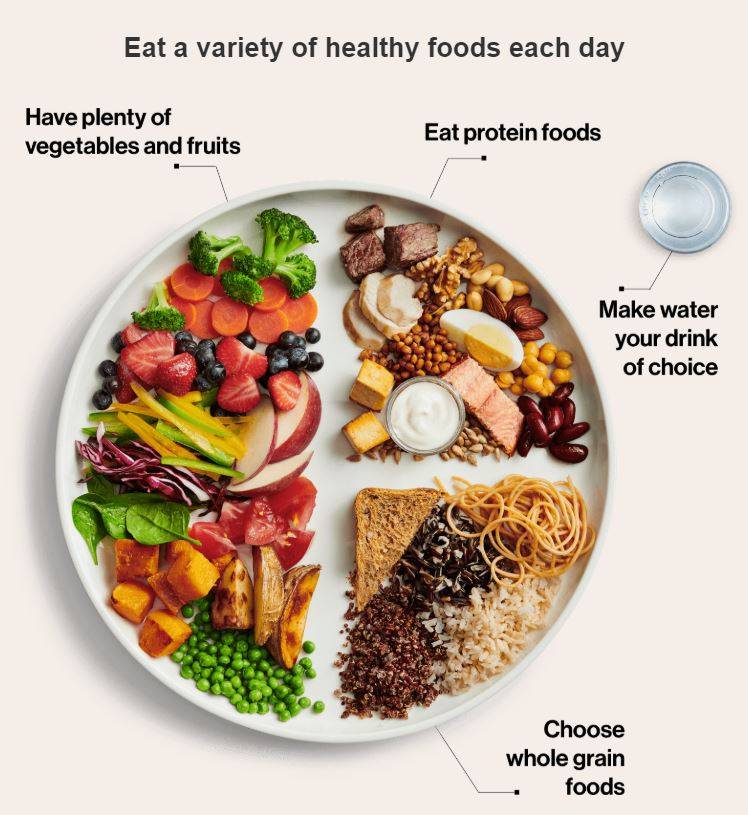
Oatmeal with your favorite fruit can be a sweet way to start the day. Cook it in low-fat milk for creaminess and add unsalted nuts to bolster its heart-health value. If you’re time-pressed in the morning, try a healthy version of overnight oats, which can be prepared the night before.
It’s important to remember that no single food, even oats, can do it all, Rebello said, noting that if you eat a nutritious breakfast but then load up on sugar and fat the rest of the day, “that’s really not going to help you much.”
But you should go ahead and invite oatmeal into your breakfast club, Rebello said. “I definitely recommend eating oats.”
If you have questions or comments about this American Heart Association News story, please email editor@heart.org.