https://www.facebook.com/share/v8MPuJgSjXrrdTFa/



Health is Wealth
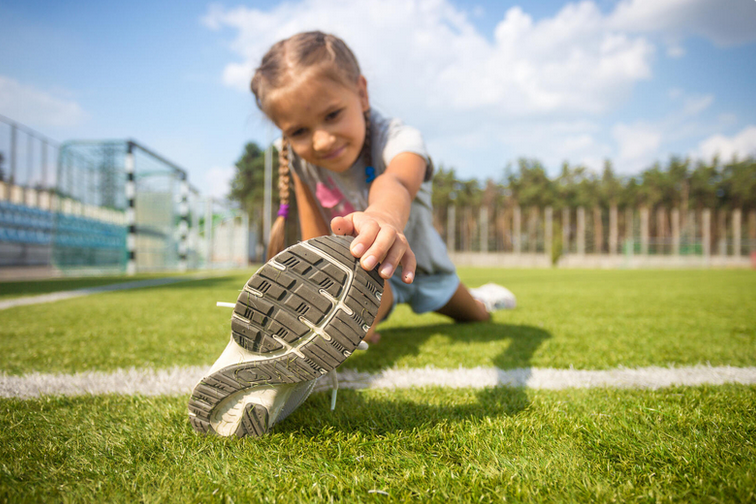
Are your kids interested in sports or just want to feel stronger? Strength training can be safe and beneficial for children when it is done the right way. Light weights, proper form and age appropriate guidance matter. Curious about when kids can start and how to keep it safe?

Strength training offers kids many benefits, but there are important warnings to keep in mind. Here’s what you need to know about youth strength training.By Mayo Clinic Staff
Strength training for kids? Great idea! Done right, it offers many benefits to young athletes. Strength training is good even for kids who just want to look and feel better. In fact, strength training might put your child on a lifetime path to better health and fitness.
Don’t confuse strength training with weightlifting, bodybuilding or powerlifting. Trying to build big muscles can put too much strain on young muscles, tendons and areas of cartilage that haven’t yet turned to bone, called growth plates. Also, being more focused on lifting large amounts of weight than on form can make strength training riskier.
For kids, light weights and controlled movements are best. Using good form and being safe are most important.
Children can do many strength training exercises using their own body weight or resistance tubing. Free weights, machine weights and medicine balls are other options. But keep in mind that some equipment designed for adults might be too large for many children.
Done right, strength training can:
Keep in mind that strength training isn’t only for athletes. Even for children who don’t want to play sports, strength training can:
During childhood, being active improves kids’ body awareness and control and their balance. Strength training can become a part of a fitness plan as early as age 7 or 8.
Younger children who start sports activities such as baseball or soccer also might benefit from strength training. To strength train, children should be able to follow directions and practice proper form.
The Department of Health and Human Services says that school-age children should get 60 minutes or more of daily activity. As part of this activity, muscle- and bone-strengthening exercises are suggested at least three days a week.
For children who have an interest in strength training, remind them that strength training is meant to increase muscle strength and endurance. Increasing muscle size, also called bulking up, is something else.
You might also check with your child’s healthcare professional for the OK to begin a strength training program. Be sure to check with your child’s healthcare professional if your child has a known or suspected health problem, such as a heart condition, high blood pressure or seizures.
A child’s strength training program isn’t just a scaled-down version of an adult program. Here are some things you can do to help your child train safely:
Urge your child to:
Results won’t come overnight. But in time, your child will have more muscle strength and be able to work the muscles harder

Are your kids interested in sports or just want to feel stronger? Strength training can be safe and beneficial for children when it is done the right way. Light weights, proper form and age appropriate guidance matter. Curious about when kids can start and how to keep it safe?
Strength training offers kids many benefits, but there are important warnings to keep in mind. Here’s what you need to know about youth strength training.By Mayo Clinic Staff
Strength training for kids? Great idea! Done right, it offers many benefits to young athletes. Strength training is good even for kids who just want to look and feel better. In fact, strength training might put your child on a lifetime path to better health and fitness.
Don’t confuse strength training with weightlifting, bodybuilding or powerlifting. Trying to build big muscles can put too much strain on young muscles, tendons and areas of cartilage that haven’t yet turned to bone, called growth plates. Also, being more focused on lifting large amounts of weight than on form can make strength training riskier.
For kids, light weights and controlled movements are best. Using good form and being safe are most important.
Children can do many strength training exercises using their own body weight or resistance tubing. Free weights, machine weights and medicine balls are other options. But keep in mind that some equipment designed for adults might be too large for many children.
Done right, strength training can:
Keep in mind that strength training isn’t only for athletes. Even for children who don’t want to play sports, strength training can:
During childhood, being active improves kids’ body awareness and control and their balance. Strength training can become a part of a fitness plan as early as age 7 or 8.
Younger children who start sports activities such as baseball or soccer also might benefit from strength training. To strength train, children should be able to follow directions and practice proper form.
The Department of Health and Human Services says that school-age children should get 60 minutes or more of daily activity. As part of this activity, muscle- and bone-strengthening exercises are suggested at least three days a week.
For children who have an interest in strength training, remind them that strength training is meant to increase muscle strength and endurance. Increasing muscle size, also called bulking up, is something else.
You might also check with your child’s healthcare professional for the OK to begin a strength training program. Be sure to check with your child’s healthcare professional if your child has a known or suspected health problem, such as a heart condition, high blood pressure or seizures.
A child’s strength training program isn’t just a scaled-down version of an adult program. Here are some things you can do to help your child train safely:
Urge your child to:
Results won’t come overnight. But in time, your child will have more muscle strength and be able to work the muscles harder


•

•

Blackrock Health Womens Health Centre is officially open at 2-5 Warrington Place, Dublin 2!
From gynaecology to menopause, cardiology to pelvic health – we offer a wide range of services for every stage of your health journey.
Don’t delay your well-being and book your appointment today.
You can access our clinic directly through our website, or with a referral from your GP. Learn more about our patient-centred approach and book an appointment here: https://ow.ly/jGy850XsMvR
#WomensHealth#BlackrockHealth#NewClinic#BookToday#EmpowerWomen#PuttingWomenFirst
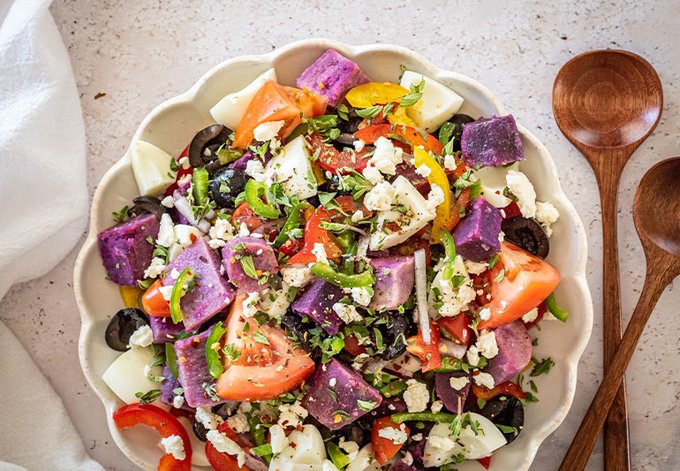
Peru has been cultivating potatoes for more than 6,000 years in the high Andean slopes near Lake Titicaca.
A stroll through the public markets reveals a startling number of sizes, shapes and colors — including the famous Peruvian blue potatoes with their purplish-blue skin and flesh.
It’s fun to use these blue potatoes, but if your market doesn’t carry them or if you prefer other potatoes, you can always use small red or white potatoes.
Kosher salt
1 1/4 pounds small Peruvian blue potatoes
1/4 cup minced red onions
1 red bell pepper, seeded and diced
1 yellow bell pepper, seeded and diced
1 large tomato, seeded and chopped
1 jalepeño, seeded and minced
3 tablespoons red wine vinegar
3 tablespoons extra virgin olive oil
1 teaspoon sugar substitute
2 hard-boiled egg whites, chopped
2 tablespoons chopped fresh oregano
1/2 cup crumbled reduced-fat feta cheese
2 tablespoons sliced black olives, optional
Makes 8 servings
Calories: 200 calories (31% from fat)
Total fat: 7 g
Saturated fat: 1.5 g
Protein: 7 g
Carbohydrate: 31 g
Dietary fiber: 2 g
Cholesterol: 5 mg
Sodium: 95 mg
Potassium: 109 mg
Source: Cleveland Clinic Healthy Heart Lifestyle Guide and Cookbook (© 2007 Broadway Books).

Here’s a medical news story that combines a common habit (drinking coffee) with a common skin condition (rosacea) — and it even has a happy ending.
Rosacea is probably something you’ve seen plenty of times and didn’t know what it was — or perhaps you have it yourself. It’s that pink or red discoloration on the cheeks some people have, especially fair-haired women. Sometimes there are small bumps that may look a bit like acne. If you look closely (after asking nicely for permission, of course), you’ll see tiny blood vessels just under the surface of the skin. In more severe cases it may involve the chin, forehead, nose, ears, and other skin surfaces. It may affect the eyes, eyelids, and cause thickening of the skin over the nose.
We don’t know what causes rosacea. However, there are theories that it may be, at least in part, a genetic condition, as it can run in families. Because the immune system seems to be involved in the inflammation of rosacea, and because other autoimmune conditions (such as type 1 diabetes and multiple sclerosis) may accompany rosacea, abnormal immune function may play a role. Medications (such as topical anti-inflammatory drugs) and antibiotics can reduce redness and inflammation but there is no cure. Many people seem to be able to reduce signs of rosacea by modifying their diet to avoid foods that trigger it.
Rosacea affects more than 14 million people in the US, including some celebrities, such as Bill Clinton and the late Diana, Princess of Wales. And while it’s not dangerous, it can have a significant cosmetic impact. Caffeine, sun exposure, spicy foods, and hormonal factors are thought to be able to trigger rosacea’s development or make it worse once present. Yet, a new study challenges the connection between caffeine and rosacea.
A recent study analyzed health data from surveys provided to nearly 83,000 women over more than a decade and found that:
These results of this study are more than just interesting observations. If other research can confirm the findings, it could lead to a better understanding of why rosacea develops in some people and not in others. Because inflammation driven by the immune system is thought to play an important role in rosacea, insights into the development of this disease could extend to advances in other autoimmune disorders. Finally, many people with rosacea (or a family history of the disease) who like coffee may avoid it because of the widespread notion that coffee will make it worse. The findings of this study suggest that’s not true.
As with all research of this type, there are limitations to consider. For example, this study
Coffee is one of the mostly widely consumed beverages on the planet, and it’s also among the most widely studied. While it can cause problems for some people (such as heartburn, tremor, or palpitations), it’s a source of pleasure and enjoyment for millions. In addition, coffee has been linked with a number of health benefits, ranging from reductions in type 2 diabetes and liver cancer to greater longevity. From this latest research, it appears that you can add the possible prevention of rosacea to the list.

Robert H. Shmerling, MD, Senior Faculty Editor, Harvard Health Publishing; Editorial Advisory Board Member, Harvard Health Publishing
 Healthaware