

5 Ways to Boost Your Child’s Immune System for Life @ClevelandClinic Adriane Lioudis, MD.

We all want to protect our kids whether it be from falls, bumps and bruises — or avoidable infections and diseases. To help your child avoid illness, it’s important to encourage good habits and take steps to boost their immune system from an early age.

“Most of what makes a child’s immune system strong is common sense,” says pediatrician Adriane Lioudis, MD. If you keep these five tips in mind, you’ll stack the deck in your child’s favor for a healthier life.

1. For newborns, consider breastfeeding

While it’s a very personal decision (that isn’t always possible), if you are able to exclusively breastfeed your child for at least six months, it may have benefits. Some research shows that breastfeeding your child might possibly reduce allergies, Dr. Lioudis says.

2. Promote regular hand washing

Eighty percent of infections are spread by touch. Teach your little one to take the time to wash their hands after sneezing, coughing and going to the bathroom. Washing hands with warm water and soap for at least 20 seconds can remove bacteria and viruses and can reduce the chance of lung infections by up to 45%.

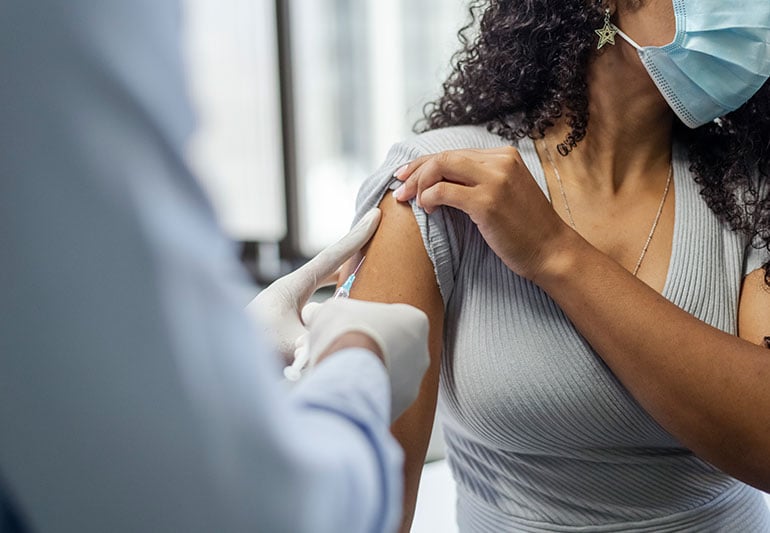
3. Don’t skip immunizations

Follow your pediatrician’s advice when it comes to the childhood vaccination schedule. Immunizations start in infancy and continue to adulthood and prevent measlesmumpschickenpoxrotavirus and other infections.

“Get the flu shot for your child yearly, as well,” Dr. Lioudis says. This is particularly important for children with asthma and other chronic health conditions.

Also, if your family will be traveling internationally, it’s important to seek advice from your child’s healthcare provider about any needed vaccinations.

4. Make sleep a priority

To maximize immunity, children must get enough sleep.

Sleep requirements for each night vary by age:

  • Babies between 0 and 3 months need 14 to 17 hours of sleep. Those between 4 and 12 months need 12 to 16 hours of sleep.
  • Children between the ages of 1 and 2 need between 11 and 14 hours.
  • Kids between the ages of 3 and 5 should get from10 to 13 hours.
  • Children ages 6 to 12 should get between 9 and 12 hours.
  • Teens between the ages of 13 to 18 need 8 to 10 hours.

Not getting enough sleep limits the body’s ability to produce proteins called cytokines that help fight infection and reduce inflammation.

5. Encourage a healthy diet

healthy diet is also important for your child’s immune system.

Dr. Lioudis recommends encouraging your child to “eat the rainbow” when it comes to fruits and vegetables. A good selection of whole grains should be part of their diet as well. Keep processed foods to a minimum. Proper food choices can help ensure that your child gets enough vitamins — such as vitamin A and E. These vitamins are needed to maintain good health and a strong immune system.

You can’t avoid all illness, but some kids need extra protection

“Even if you follow these tips, your child might still get between seven and 11 colds each year,” says Dr. Lioudis. She adds that you can expect each one to last up to two weeks.

Also, keep in mind that some things billed as common “remedies” aren’t effective in boosting immunity. For example, there’s no definitive proof that large amounts of vitamin C or echinacea help prevent colds or shorten them, she says.

However, if your child has a compromised immune system, work closely with your pediatrician to find ways to improve his or her immunity. Each child needs a personalized approach because their individual immune system varies, Dr. Lioudis says.

“There’s generally a different protocol with immunocompromised children. There are some vaccines we have to add in on top of what most children have, but it’s something that we must determine on a case-by-case basis.

Blackrock Health starting drone delivery for medical supplies

Blackrock Health, Blackrock Clinic, through a partnership with healthcare technology company Medtronic and medical drone delivery partners Apian and Wing, will begin receiving medical supplies via drone delivery in the coming days. 

The partnership has been designed to trial faster, more reliable, and sustainable medical logistics – supporting patients as they receive the care they need, sooner. Medical drone deliveries have the potential to create more efficient healthcare systems, with less wastage of medical supplies, and more space for patient-facing care facilities as providers receive what they need, when they need it. The program will run over the next several months. 

“At Blackrock Health, innovation is at the core of what we do, and this partnership is a prime example of the opportunities that exist when integrating technology into healthcare industry, with an added benefit of supporting our commitment to sustainability,” shared Dr. Caroline Whelan, CEO of Blackrock Health “We are excited by the possibilities that come with this drone delivery service, and hope to expand this beyond receiving medical supplies, by extending use to other services in time between our hospitals.”

Currently, hospitals depend on road vehicles to transport medical supplies to hospitals or healthcare centres, but urban locations experience frequent delays due to congestion, as well as associated higher carbon emissions. Wing’s drones, which are being used in this programme, are lightweight and electric, and can make quicker, more reliable deliveries than traditional modes of transport, as seen in its more than 350,000 commercial deliveries across the globe. They will fly more direct routes and at speeds up to approximately 100 km per hour, avoiding the traffic congestion on Dublin’s roads.

To learn more about the partnership, visit Apian’s and Wing’s newsrooms

You might not be worried about the flu, but it’s a serious illness that merits proactive measures. Here’s why you should get the flu vaccine and when to get it @ClevelandClinic #kidshealth

Healthcare providers across the country are bracing for another season of treating respiratory viruses like the flu, respiratory syncytial virus (RSV) and COVID-19.

And while the flu might not seem like something to worry about, it’s a virus we should all be prepared for. So, you may be wondering, Should I get a flu shot?

“Influenza is a very serious disease, and during a normal flu season, around 40,000 or more people die from it,” says infectious disease specialist Kristin Englund, MD. “So, with any preventable disease, we should do everything we can to protect ourselves.”

Getting your flu vaccine is vital to not just keeping you and your family healthy, but also relieving our over-burdened healthcare system.

To learn more about the importance of getting the flu vaccine, we talked to Dr. Englund, along with infectious disease clinical pharmacist Kaitlyn Rivard, PharmD.

Why the vaccine matters

First of all, Dr. Englund notes that it’s just good practice to get a flu shot every year. She adds that the vaccine’s prevention-geared properties are key.

“When people get influenza or get the flu, it’s not only just the symptoms that they have, like a cough, fever and an infection in the lungs,” she says. “It taxes the body and really puts a lot of stress on all of the other systems.”

That can cause some serious complications, she continues. “You can have a heart attack or even a stroke as a side effect from having influenza. So, we want to make sure that we’re keeping everybody healthy from all of these complications.”

Dr. Englund says that a flu shot is especially important this year because other respiratory viruses like COVID-19 and RSV will be circulating.

“We’re going to have influenza, RSV and COVID-19 coexisting and there’s a lot of overlap between the symptoms,” she states. “We also anticipate that there will be some people who have co-infections, which could be difficult.”

When to get the flu vaccine

We bet you’re now wondering: So, when should I get a flu shot?

Dr. Englund and Dr. Rivard advise getting a flu vaccine as soon as it becomes available. Many healthcare providers, including the Cleveland Clinic, begin offering the flu vaccine at the beginning of September.

And in case you were wondering, the flu vaccine doesn’t interfere with the COVID-19 vaccine or the RSV vaccine.

“All available COVID-19 and RSV vaccines can be given at the same time as the flu vaccine,” clarifies Dr. Rivard. “If someone is coming in for their flu shot and they’re eligible for a COVID-19 vaccine or RSV vaccine but haven’t received it yet, we can offer that. In fact, both the CDC [U.S. Centers for Disease Control and Prevention] and the Advisory Committee on Immunization Practices recommend co-administering almost any two vaccines together.”

She adds that there are very few instances in which certain vaccines can’t be administered at the same time, noting that children often receive multiple vaccines during one visit to their pediatrician.

And there’s no concern about overloading our immune systems with multiple vaccines.

“We’re exposed to things that stimulate our immune system all the time,” Dr. Englund says. “Our immune system is constantly responding to various exposures even if you don’t realize it.”

Why it’s important to get a flu shot every year

One reason it’s so important to get your annual flu shot is this: Protecting yourself is a lot easier than treating the flu.

“There are some treatments available for the flu that are evolving,” Dr. Englund says. “But to avoid the disease altogether or to only have a mild case because you’ve been vaccinated is much better than trying to treat it. Prevention is best.”

And that goes equally for kids — it’s also crucial to get them vaccinated for the flu.

“It’s important for children to get the flu vaccine, too, because the circulation of flu in children, if nothing else, puts adults at risk, too,” emphasizes Dr. Englund.

Influenza is a serious disease and it’s unpredictable, and otherwise healthy children are unfortunately hospitalized and die every year because of it. So, even for normal, healthy children, it’s really important to get vaccinated every year.”

Blackrock Health starting drone delivery for medical supplies

Blackrock Health, Blackrock Clinic, through a partnership with healthcare technology company Medtronic and medical drone delivery partners Apian and Wing, will begin receiving medical supplies via drone delivery in the coming days. 

The partnership has been designed to trial faster, more reliable, and sustainable medical logistics – supporting patients as they receive the care they need, sooner. Medical drone deliveries have the potential to create more efficient healthcare systems, with less wastage of medical supplies, and more space for patient-facing care facilities as providers receive what they need, when they need it. The program will run over the next several months. 

“At Blackrock Health, innovation is at the core of what we do, and this partnership is a prime example of the opportunities that exist when integrating technology into healthcare industry, with an added benefit of supporting our commitment to sustainability,” shared Dr. Caroline Whelan, CEO of Blackrock Health “We are excited by the possibilities that come with this drone delivery service, and hope to expand this beyond receiving medical supplies, by extending use to other services in time between our hospitals.”

Currently, hospitals depend on road vehicles to transport medical supplies to hospitals or healthcare centres, but urban locations experience frequent delays due to congestion, as well as associated higher carbon emissions. Wing’s drones, which are being used in this programme, are lightweight and electric, and can make quicker, more reliable deliveries than traditional modes of transport, as seen in its more than 350,000 commercial deliveries across the globe. They will fly more direct routes and at speeds up to approximately 100 km per hour, avoiding the traffic congestion on Dublin’s roads.

To learn more about the partnership, visit Apian’s and Wing’s newsrooms