Are your kids interested in sports or just want to feel stronger? @MayoClinic #physicalactivity

Are your kids interested in sports or just want to feel stronger? Strength training can be safe and beneficial for children when it is done the right way. Light weights, proper form and age appropriate guidance matter. Curious about when kids can start and how to keep it safe?

Image

Strength training: OK for kids?

Strength training offers kids many benefits, but there are important warnings to keep in mind. Here’s what you need to know about youth strength training.By Mayo Clinic Staff

Strength training for kids? Great idea! Done right, it offers many benefits to young athletes. Strength training is good even for kids who just want to look and feel better. In fact, strength training might put your child on a lifetime path to better health and fitness.

Strength training, not weightlifting

Don’t confuse strength training with weightlifting, bodybuilding or powerlifting. Trying to build big muscles can put too much strain on young muscles, tendons and areas of cartilage that haven’t yet turned to bone, called growth plates. Also, being more focused on lifting large amounts of weight than on form can make strength training riskier.

For kids, light weights and controlled movements are best. Using good form and being safe are most important.

Children can do many strength training exercises using their own body weight or resistance tubing. Free weights, machine weights and medicine balls are other options. But keep in mind that some equipment designed for adults might be too large for many children.

What can kids get out of strength training?

Done right, strength training can:

  • Increase children’s muscle strength.
  • Help protect children’s muscles and joints from sports injuries.
  • Help children do better in nearly any sport.
  • Teach children proper form.

Keep in mind that strength training isn’t only for athletes. Even for children who don’t want to play sports, strength training can:

  • Strengthen bones.
  • Help promote healthy blood pressure and cholesterol levels.
  • Help maintain a healthy weight.
  • Help kids feel good about themselves.
  • Increase physical activity overall.

When can a child begin strength training?

During childhood, being active improves kids’ body awareness and control and their balance. Strength training can become a part of a fitness plan as early as age 7 or 8.

Younger children who start sports activities such as baseball or soccer also might benefit from strength training. To strength train, children should be able to follow directions and practice proper form.

The Department of Health and Human Services says that school-age children should get 60 minutes or more of daily activity. As part of this activity, muscle- and bone-strengthening exercises are suggested at least three days a week.

For children who have an interest in strength training, remind them that strength training is meant to increase muscle strength and endurance. Increasing muscle size, also called bulking up, is something else.

You might also check with your child’s healthcare professional for the OK to begin a strength training program. Be sure to check with your child’s healthcare professional if your child has a known or suspected health problem, such as a heart condition, high blood pressure or seizures.

What’s the best way to start a strength training program for kids?

A child’s strength training program isn’t just a scaled-down version of an adult program. Here are some things you can do to help your child train safely:

  • Talk with a professional. Start with a coach or personal trainer who has worked with youth to strength train. The coach or trainer can create a safe strength training program that works based on your child’s age, size, skills and sports interests. Or enroll your child in a strength training class for kids.
  • Keep watch. Don’t let your child strength train alone. It’s important to have an adult who knows how to strength train oversee your child’s program.
  • Keep it fun. Help your child vary the routine to prevent boredom.

Urge your child to:

  • Warm up and cool down. Your child should begin each strength training session with 5 to 10 minutes of light aerobic activity. This could be walking, jogging in place or jumping rope. This warms the muscles and prepares them for harder activity. Each strength training session should be followed with 10 to 15 minutes of light aerobic activity and gentle stretching. This helps keep blood flowing to the muscles during recovery.
  • Keep it light. Kids can safely lift light adult-size weights. Children can try to do one or two sets of 8 to 12 repetitions with good form. If they can’t do 10 repetitions, the weight might be too heavy.
  • Focus on good form. Form and technique are more important than the amount of weight your child lifts. Children can increase the resistance or number of repetitions little by little as they build strength.
  • Rest between workouts. Make sure your child rests at least one full day between exercising each major muscle group. Major muscle groups are the legs, hips, back, abdomen, chest, shoulders and arms.

Results won’t come overnight. But in time, your child will have more muscle strength and be able to work the muscles harder

Are your kids interested in sports or just want to feel stronger? @MayoClinic #physicalactivity

Are your kids interested in sports or just want to feel stronger? Strength training can be safe and beneficial for children when it is done the right way. Light weights, proper form and age appropriate guidance matter. Curious about when kids can start and how to keep it safe?

Image

Strength training: OK for kids?

Strength training offers kids many benefits, but there are important warnings to keep in mind. Here’s what you need to know about youth strength training.By Mayo Clinic Staff

Strength training for kids? Great idea! Done right, it offers many benefits to young athletes. Strength training is good even for kids who just want to look and feel better. In fact, strength training might put your child on a lifetime path to better health and fitness.

Strength training, not weightlifting

Don’t confuse strength training with weightlifting, bodybuilding or powerlifting. Trying to build big muscles can put too much strain on young muscles, tendons and areas of cartilage that haven’t yet turned to bone, called growth plates. Also, being more focused on lifting large amounts of weight than on form can make strength training riskier.

For kids, light weights and controlled movements are best. Using good form and being safe are most important.

Children can do many strength training exercises using their own body weight or resistance tubing. Free weights, machine weights and medicine balls are other options. But keep in mind that some equipment designed for adults might be too large for many children.

What can kids get out of strength training?

Done right, strength training can:

  • Increase children’s muscle strength.
  • Help protect children’s muscles and joints from sports injuries.
  • Help children do better in nearly any sport.
  • Teach children proper form.

Keep in mind that strength training isn’t only for athletes. Even for children who don’t want to play sports, strength training can:

  • Strengthen bones.
  • Help promote healthy blood pressure and cholesterol levels.
  • Help maintain a healthy weight.
  • Help kids feel good about themselves.
  • Increase physical activity overall.

When can a child begin strength training?

During childhood, being active improves kids’ body awareness and control and their balance. Strength training can become a part of a fitness plan as early as age 7 or 8.

Younger children who start sports activities such as baseball or soccer also might benefit from strength training. To strength train, children should be able to follow directions and practice proper form.

The Department of Health and Human Services says that school-age children should get 60 minutes or more of daily activity. As part of this activity, muscle- and bone-strengthening exercises are suggested at least three days a week.

For children who have an interest in strength training, remind them that strength training is meant to increase muscle strength and endurance. Increasing muscle size, also called bulking up, is something else.

You might also check with your child’s healthcare professional for the OK to begin a strength training program. Be sure to check with your child’s healthcare professional if your child has a known or suspected health problem, such as a heart condition, high blood pressure or seizures.

What’s the best way to start a strength training program for kids?

A child’s strength training program isn’t just a scaled-down version of an adult program. Here are some things you can do to help your child train safely:

  • Talk with a professional. Start with a coach or personal trainer who has worked with youth to strength train. The coach or trainer can create a safe strength training program that works based on your child’s age, size, skills and sports interests. Or enroll your child in a strength training class for kids.
  • Keep watch. Don’t let your child strength train alone. It’s important to have an adult who knows how to strength train oversee your child’s program.
  • Keep it fun. Help your child vary the routine to prevent boredom.

Urge your child to:

  • Warm up and cool down. Your child should begin each strength training session with 5 to 10 minutes of light aerobic activity. This could be walking, jogging in place or jumping rope. This warms the muscles and prepares them for harder activity. Each strength training session should be followed with 10 to 15 minutes of light aerobic activity and gentle stretching. This helps keep blood flowing to the muscles during recovery.
  • Keep it light. Kids can safely lift light adult-size weights. Children can try to do one or two sets of 8 to 12 repetitions with good form. If they can’t do 10 repetitions, the weight might be too heavy.
  • Focus on good form. Form and technique are more important than the amount of weight your child lifts. Children can increase the resistance or number of repetitions little by little as they build strength.
  • Rest between workouts. Make sure your child rests at least one full day between exercising each major muscle group. Major muscle groups are the legs, hips, back, abdomen, chest, shoulders and arms.

Results won’t come overnight. But in time, your child will have more muscle strength and be able to work the muscles harder

Colorful fruits and vegetables are packed with phytonutrients that help calm inflammation — by Tamara Soerense @MayoClinic

Can eating the rainbow help to reduce inflammation?

11/6/2025 by Tamara Soerense

nFruitRainbow

Inflammation is a natural process initiated by the immune system in response to illness, trauma, toxins, physical stress and chronic disease. While acute inflammation is protective and allows our bodies to heal, it can become harmful if it persists, leading to chronic inflammation. Chronic inflammation, in turn, can lead to conditions such as arthritis, heart disease, and diabetes.

Several foods can contribute to inflammation. These include highly processed foods, refined carbohydrates, or foods high in added sugars. Conversely, other foods can help calm the immune system, decreasing inflammation.

Let’s explore which foods help lower inflammation and how they can be incorporated into an anti-inflammatory diet.

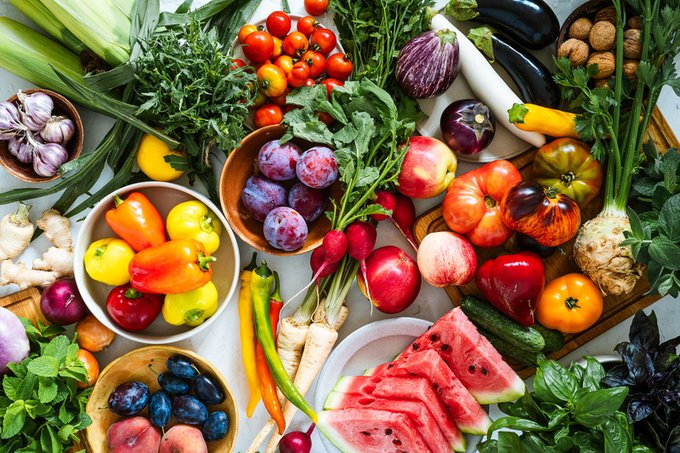
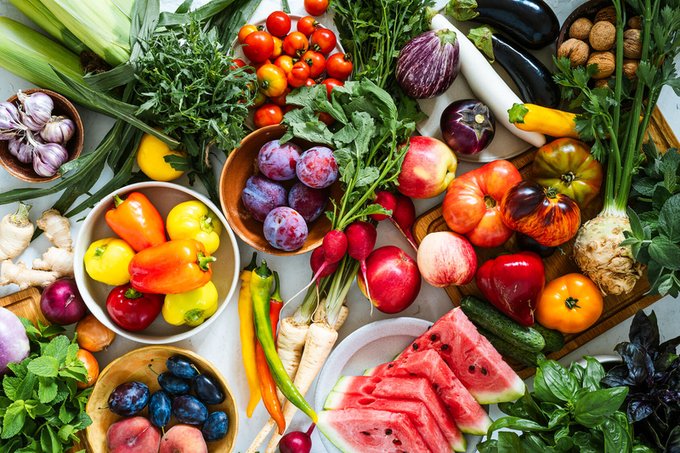
  • Fruits and Vegetables: Colorful fruits and vegetables naturally contain various phytonutrients and bioactive compounds that help keep inflammation in check. These foods form the foundation of the anti-inflammatory diet and can be enjoyed in abundance. For an extra boost of protection, try drizzling antioxidant-rich olive oil on your veggies..
  • Protein: Choose primarily from plant-based sources such as legumes, soy, nuts, and seeds, with smaller amounts from lean cuts of animal protein and fatty fish. The fats in these proteins, mainly monounsaturated and omega-3, play a significant role in combating inflammation. The American Heart Association recommends 6 to 8 ounces of fatty fish and 5 ounces of legumes, nuts, and seeds per week.
  • Whole grains: Whole grains contain all parts of the grain, whereas refined grains remove the germ and bran, eliminating important inflammation-reducing compounds. Of these, fiber is a bit of a superstar, shown to help reduce blood sugar and cholesterol levels. Aim for at least 50% of your grains from whole grain sources, such as rolled oats and brown rice.
  • Herbs and Spices: Herbs and spices add flavor to your food and help reduce oxidative stress, which can trigger inflammation. Add ginger, turmeric, clove, cinnamon, oregano, and garlic to your next meal.

What change can you make today to shift your body into a less inflamed state?

Consider adding one colorful fruit or vegetable to your diet each day. Suggestions include tomatoes, oranges, yellow bell peppers, arugula, blueberries, pumpkin and broccoli.

Tamara Soerensen completed her bachelor’s degree in biology at the University of California, Santa Barbara and her master’s in nutrition at Bastyr University. She is currently a dietetic intern at Mayo Clinic in Rochester, Minnesota. Special interests include digestive health and the utilization of diet for disease prevention.

Looking for a satisfying, plant-based meal? This tempeh, black bean, and veggie chili is hearty, flavorful, and perfect for family dinners. @MayoClinic

Tempeh, black bean, and veggie chili

This vegetarian chili is so satiating and flavorful, you won’t miss the meat. Tempeh, a protein source made from organic soybeans and often combined with millet, brown rice, and barley, is a traditional ingredient in Indonesian and Japanese cui­sine. To serve this dish as a family meal, top with cheddar cheese, sour cream, and sliced scallions. You can find this recipe and 100 more delicious and safe recipes designed for busy caregivers in Cooking for Dysphagia and Other Swallowing Disorders by Diane Wolff

Servings: 6

Serving Size: 1 cup

Nutritional Information Per Serving

  • 165 calories
  • 4 g total fat
  • 1 g saturated fat
  • 214 mg sodium
  • 27 g total carbohydrate
  • 6 g dietary fiber
  • 6 g total sugars
  • 10 g protein

Ingredients

  • 2 tablespoons extra-virgin olive oil 
  • 6 ounces tempeh, cut into ½-inch cubes 
  • 2 teaspoons low-sodium soy sauce 
  • red onion, finely diced
  • 1 garlic clove, sliced 
  • ½ jalapeno pepper, stemmed, seeded, and finely diced 
  • 1 red bell pepper, diced 
  • 2 cups kabocha squash, cut into 2-inch pieces 
  • 3 large portobello mushrooms, cut into 2-inch pieces 
  • leeks, white parts only, cleaned and sliced 
  • 1 (15-ounce) can diced tomatoes
  • 1 (8-ounce) can tomato sauce 
  • ¼ cup tomato paste
  • 1 (15-ounce) can black beans, drained 
  • 1 teaspoon Worcestershire sauce 
  • 2 tablespoons red wine (optional) 
  • 1 teaspoon chili powder (optional) 

Directions  

  1. Warm the oil in a pot over medium heat or in a slow cooker with a sauté function. Add the tempeh and sauté, stirring occasionally, until lightly golden. Season with the soy sauce and stir to coat. Transfer the tempeh to a plate. 
  2. Add the onion, garlic, jalapeno, bell pepper, kabocha, portobellos, and leeks to the pot. Sauté, stirring occasionally, until softened and lightly caramelized, about 10 minutes. Add the diced tomatoes, tomato sauce, tomato paste, beans, Worcestershire, red wine, and chili powder, if using. 
  3. Return the tempeh to the pot and stir. If using a stove, bring to a boil, lower to a simmer, and cook, covered, with the lid ajar, about 1 hour. If using a slow cooker, cook on high for 1 hour. Set aside any servings for family meals
  4. For the puree, blend chili in batches, filling the pitcher only two-thirds full and venting the lid. Blend until you achieve the desired texture, transferring each batch to a large bowl. 
  5. Test as you go and at time of serving to see if a thickening agent, thickened sauce, or thickened stock is needed; use IDDSI Testing Methods (iddsi.orgto help achieve the desired IDDSI level. See pages 42-47. 
  6. Serve immediately or divide into servings for storage or freezing, following the directions for Serving, page 77. 

Notes:  

The dishes shown in the photos accompanying the recipes that follow are IDDSI Level 7. Please use the IDDSI instructions (pages 42-47) to modify the texture of each dish to the individual IDDSI level prescribed by your healthcare provider. Please refer to Andrew Cullum’s section (pages 74-75) on piping to create a beautiful plate. 

The recipes that follow allow for serving right away to yourself, to the person with dysphagia, or to family and friends. Generally, if not serving immediately, divide the extra servings (the beauty of the batch-cooking method!) between freezer- and oven-safe glass storage dishes. Allow to cool completely, cover, and refrigerate for up to 48 hours or freeze for up to 3 months (exceptions noted in individual recipes). 

An excerpt from Cooking for Dysphagia and Other Swallowing Disorders by Diane Wolff.

Colorful fruits and vegetables are packed with phytonutrients that help calm inflammation — by Tamara Soerense @MayoClinic

Can eating the rainbow help to reduce inflammation?

11/6/2025 by Tamara Soerense

nFruitRainbow

Inflammation is a natural process initiated by the immune system in response to illness, trauma, toxins, physical stress and chronic disease. While acute inflammation is protective and allows our bodies to heal, it can become harmful if it persists, leading to chronic inflammation. Chronic inflammation, in turn, can lead to conditions such as arthritis, heart disease, and diabetes.

Several foods can contribute to inflammation. These include highly processed foods, refined carbohydrates, or foods high in added sugars. Conversely, other foods can help calm the immune system, decreasing inflammation.

Let’s explore which foods help lower inflammation and how they can be incorporated into an anti-inflammatory diet.

  • Fruits and Vegetables: Colorful fruits and vegetables naturally contain various phytonutrients and bioactive compounds that help keep inflammation in check. These foods form the foundation of the anti-inflammatory diet and can be enjoyed in abundance. For an extra boost of protection, try drizzling antioxidant-rich olive oil on your veggies..
  • Protein: Choose primarily from plant-based sources such as legumes, soy, nuts, and seeds, with smaller amounts from lean cuts of animal protein and fatty fish. The fats in these proteins, mainly monounsaturated and omega-3, play a significant role in combating inflammation. The American Heart Association recommends 6 to 8 ounces of fatty fish and 5 ounces of legumes, nuts, and seeds per week.
  • Whole grains: Whole grains contain all parts of the grain, whereas refined grains remove the germ and bran, eliminating important inflammation-reducing compounds. Of these, fiber is a bit of a superstar, shown to help reduce blood sugar and cholesterol levels. Aim for at least 50% of your grains from whole grain sources, such as rolled oats and brown rice.
  • Herbs and Spices: Herbs and spices add flavor to your food and help reduce oxidative stress, which can trigger inflammation. Add ginger, turmeric, clove, cinnamon, oregano, and garlic to your next meal.

What change can you make today to shift your body into a less inflamed state?

Consider adding one colorful fruit or vegetable to your diet each day. Suggestions include tomatoes, oranges, yellow bell peppers, arugula, blueberries, pumpkin and broccoli.

Tamara Soerensen completed her bachelor’s degree in biology at the University of California, Santa Barbara and her master’s in nutrition at Bastyr University. She is currently a dietetic intern at Mayo Clinic in Rochester, Minnesota. Special interests include digestive health and the utilization of diet for disease prevention.

Colorful fruits and vegetables are packed with phytonutrients that help calm inflammation — a natural process that, when chronic, can contribute to heart disease, arthritis and diabetes. by Tamara Soerense @MayoClinic

Can eating the rainbow help to reduce inflammation?

11/6/2025 by Tamara Soerense

nFruitRainbow

Inflammation is a natural process initiated by the immune system in response to illness, trauma, toxins, physical stress and chronic disease. While acute inflammation is protective and allows our bodies to heal, it can become harmful if it persists, leading to chronic inflammation. Chronic inflammation, in turn, can lead to conditions such as arthritis, heart disease, and diabetes.

Several foods can contribute to inflammation. These include highly processed foods, refined carbohydrates, or foods high in added sugars. Conversely, other foods can help calm the immune system, decreasing inflammation.

Let’s explore which foods help lower inflammation and how they can be incorporated into an anti-inflammatory diet.

  • Fruits and Vegetables: Colorful fruits and vegetables naturally contain various phytonutrients and bioactive compounds that help keep inflammation in check. These foods form the foundation of the anti-inflammatory diet and can be enjoyed in abundance. For an extra boost of protection, try drizzling antioxidant-rich olive oil on your veggies..
  • Protein: Choose primarily from plant-based sources such as legumes, soy, nuts, and seeds, with smaller amounts from lean cuts of animal protein and fatty fish. The fats in these proteins, mainly monounsaturated and omega-3, play a significant role in combating inflammation. The American Heart Association recommends 6 to 8 ounces of fatty fish and 5 ounces of legumes, nuts, and seeds per week.
  • Whole grains: Whole grains contain all parts of the grain, whereas refined grains remove the germ and bran, eliminating important inflammation-reducing compounds. Of these, fiber is a bit of a superstar, shown to help reduce blood sugar and cholesterol levels. Aim for at least 50% of your grains from whole grain sources, such as rolled oats and brown rice.
  • Herbs and Spices: Herbs and spices add flavor to your food and help reduce oxidative stress, which can trigger inflammation. Add ginger, turmeric, clove, cinnamon, oregano, and garlic to your next meal.

What change can you make today to shift your body into a less inflamed state?

Consider adding one colorful fruit or vegetable to your diet each day. Suggestions include tomatoes, oranges, yellow bell peppers, arugula, blueberries, pumpkin and broccoli.

Tamara Soerensen completed her bachelor’s degree in biology at the University of California, Santa Barbara and her master’s in nutrition at Bastyr University. She is currently a dietetic intern at Mayo Clinic in Rochester, Minnesota. Special interests include digestive health and the utilization of diet for disease prevention.

Start your day with a hearty and nutritious 6-grain hot cereal that will keep you energized and satisfied. Prepare a big batch over the weekend and enjoy a warm, comforting breakfast all week long. @MayoClinic

6-grain hot cereal

Start your day with a hearty and nutritious 6-grain hot cereal that will keep you energized and satisfied. Prepare a big batch over the weekend and enjoy a warm, comforting breakfast all week long. Top it with your favorite fruits or a dollop of yogurt for added natural sweetness.

Servings: 14
Serving Size:
½ cup

Nutritional Information Per Serving

  • 114 calories 
  • 1 g total fat
  • 0 g saturated fat 
  • 0 g transfat
  • 0 g monounsaturated fat 
  • 0 mg cholesterol 
  • 74 mg sodium
  • 21 g total carbohydrate 
  • 3 g dietary fiber 
  • 0 g total sugars 
  • 4 g protein

Ingredients 

  • ½ cup uncooked pearl barley
  • ½ cup uncooked red wheat berries
  • ½ cup uncooked brown rice
  • ¼ cup uncooked steel cut oats
  • 3 tablespoons uncooked quinoa
  • 2 tablespoons of flaxseed
  • ½ teaspoon kosher salt
  • 1 ½ quarts water

Directions   

  1. In a large saucepan, combine the barley, wheat berries, rice, oats, quinoa, flaxseed and salt.
  2. Pour water over ingredients, stir and bring to a boil over medium heat.
  3. Reduce heat to low and simmer for 45 minutes, stirring occasionally.

Dietitian’s tip:

Make a big batch of this cereal on the weekend and reheat all week. Top with fruit or yogurt to add natural sweetness.

Created by the executive wellness chef and registered dietitians at the Mayo Clinic Healthy Living Program.