Probiotics are good bacteria that keep the gut healthy and help fight infections and #inflammation. Fermented foods like yogurt, pickles, sauerkraut, and sourdough bread are great sources: https://bit.ly/3zPQxl4#HarvardHealth
Even casual drinking can put your long-term health at risk. Our liver specialist explains the findings of this study.
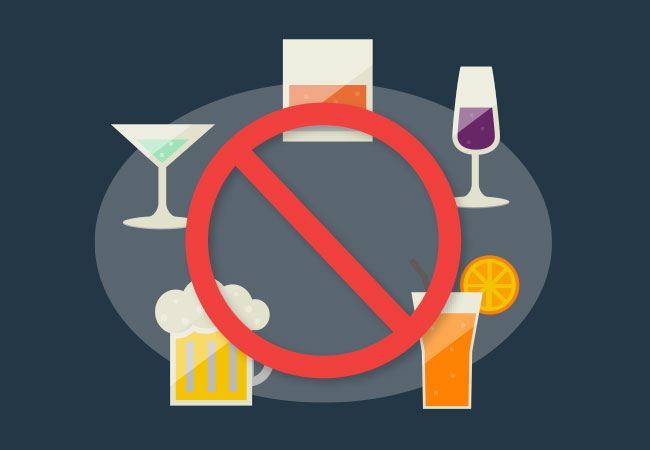
New Study: No Level of Alcohol — Even Casual Drinking — Is Entirely Safe
Leading cause of death of those age 15-49
Stopping for happy hour with colleagues after work. Cracking open a cold beer (or two) while watching the game. Meeting up with girlfriends for a glass of pinot noir. Having an alcoholic beverage of choice is a common way to unwind. But according to a recent study, even casual drinking can put your long-term health at risk.
Liver specialist Jamile Wakim-Fleming, MD, did not take part in the study, but says the research found that alcohol was a leading risk factor for both disease and premature death.
“They found that alcohol was the seventh leading cause of death worldwide,” she says. “But even more alarming, is that it was the first leading cause of death of people between the ages of 15-49.”
What the study examined
The study looked at global data from hundreds of previous studies and found that for all ages, alcohol was associated with 2.8 million deaths each year.
Researchers found that alcohol-related cancer and heart disease, infectious diseases, intentional injury, traffic accidents and accidental injury were some of the leading causes of alcohol-related deaths.
But isn’t alcohol good for your heart?
Dr. Wakim-Fleming says people often believe that a little bit of alcohol, wine in particular, may be good for their heart. But the study results didn’t show any health benefit to drinking any amount of alcohol.
She says this information, along with previous research that has shown more young people are dying from alcohol-related liver disease, indicates that excessive drinking among young adults is a growing problem.
The damage grows over time
And like any substance-abuse problem, Dr. Wakim-Fleming says the damage to the body from alcohol increases over your lifespan.
“It’s a cumulative effect,” she explains. “If you do it all at once, then you’re going to have the effect now. If you drink on a regular basis, over years it’s going to be cumulative and you will end up with a problem later on.”
Dr. Wakim-Fleming notes that anything we do in life involves risk, but it’s important to know what the risks are so that we can make the best decisions for our health.
Even casual drinking can put your long-term health at risk. Our liver specialist explains the findings of this study.
New Study: No Level of Alcohol — Even Casual Drinking — Is Entirely Safe
Leading cause of death of those age 15-49
Stopping for happy hour with colleagues after work. Cracking open a cold beer (or two) while watching the game. Meeting up with girlfriends for a glass of pinot noir. Having an alcoholic beverage of choice is a common way to unwind. But according to a recent study, even casual drinking can put your long-term health at risk.
Liver specialist Jamile Wakim-Fleming, MD, did not take part in the study, but says the research found that alcohol was a leading risk factor for both disease and premature death.
“They found that alcohol was the seventh leading cause of death worldwide,” she says. “But even more alarming, is that it was the first leading cause of death of people between the ages of 15-49.”
What the study examined
The study looked at global data from hundreds of previous studies and found that for all ages, alcohol was associated with 2.8 million deaths each year.
Researchers found that alcohol-related cancer and heart disease, infectious diseases, intentional injury, traffic accidents and accidental injury were some of the leading causes of alcohol-related deaths.
But isn’t alcohol good for your heart?
Dr. Wakim-Fleming says people often believe that a little bit of alcohol, wine in particular, may be good for their heart. But the study results didn’t show any health benefit to drinking any amount of alcohol.
She says this information, along with previous research that has shown more young people are dying from alcohol-related liver disease, indicates that excessive drinking among young adults is a growing problem.
The damage grows over time
And like any substance-abuse problem, Dr. Wakim-Fleming says the damage to the body from alcohol increases over your lifespan.
“It’s a cumulative effect,” she explains. “If you do it all at once, then you’re going to have the effect now. If you drink on a regular basis, over years it’s going to be cumulative and you will end up with a problem later on.”
Dr. Wakim-Fleming notes that anything we do in life involves risk, but it’s important to know what the risks are so that we can make the best decisions for our health.
When you wake up with a hangover, it’s a no-brainer that last night’s drinks didn’t do you much good. But research shows that the effects of heavy alcohol consumption may be doing much more to your body than just leaving you with one day of misery. Over time, as the drinks add up, alcohol can affect your biology, changing it in detrimental ways.
Excess alcohol consumption can:
1. Change Your DNA — and Make You Crave More Alcohol
Binge drinking, which the National Institute on Alcohol Abuse and Alcoholism (NIAAA) characterizes as more than four or five drinks in a two-hour sitting, and heavy drinking, defined as binge drinking on five or more days a month, can actually change your genetic makeup. A recent study, published in December 2018 in the journal Alcoholism: Clinical & Experimental Research, identified two genes that are subject to change — one affecting the body’s biological clock and one regulating the stress response system. The study’s authors, from Rutgers University, also found that the genetic changes in binge and heavy drinkers were associated with a higher desire for alcohol.
2. Increase the Risk of Cancer — Especially of the Head, Neck, Liver, and Breast
The National Cancer Institute (NCI) cites several studies, such as one published in August 2012 in the journal Annals of Oncology, that have shown consuming alcohol ups the risk of an array of cancers. In 2012, over 5 percent of all new cancer occurrences and nearly 6 percent of all cancer deaths worldwide were estimated to be attributed to alcohol, according to a study published in October 2015 in the International Journal of Cancer. In heavy drinkers, the risk skyrockets. For example, heavy drinkers are 5 times more likely than nondrinkers to contract esophageal cancer, according to the NCI. But even moderate drinking increases the odds of getting cancer of the mouth, throat, and breast. Kathy Jung, PhD, director of the NIAAA’s division of metabolism and health effects, cautions about breast cancer specifically, saying as little as one drink a day can increase risk.
3. Change the Composition of Organisms in the Gut
There are tens of trillions of microorganisms — mostly “good” bacteria — in the digestive tract that help the body do things like digest food and produce vitamins. But alcohol interferes with their composition and function, according to a study published in 2015 in the journal Alcohol Research: Current Reviews, which found that chronic alcohol consumption can cause bacterial overgrowth and imbalances in the intestine. This can result in a slew of digestive issues, including stomach pain, bloating, constipation, diarrhea, and rosacea.
4. Affect Long-Term Memory and Brain Structure
One night of binge or heavy drinking can lead to blackouts, spans of time from which the intoxicated person can’t remember key events and details — if they can remember anything at all. But alcohol consumption can also cause long-term problems with brain function. People who drink heavily, over a long period of time, are at risk of changing the brain’s “hard wiring,” which can lead to cognitive problems even after sobriety is attained, reports American Addiction Centers. Heavy alcohol consumption can also erode brain tissue and raise the risk of stroke, according to previous research.
5. Cause Hormonal Disturbances
Chronic heavy drinking can also wreak havoc on the body’s endocrine system. The hormone producing glands tap into several important functions of the body, including growth and development, metabolism, and mood. Research published in September 2013 in the journal Endocrine and Metabolism Clinics of North America found that drinking heavily, and often, can disrupt communication between the nervous, endocrine, and immune systems. The consequences can be serious and wide ranging. Stress abnormalities, reproductive deficits, body growth defects, and immune dysfunction are just a few of the possible outcomes topping the list.
How Much Alcohol Is Too Much?
Medical professionals advise moderation when it comes to alcohol consumption. More than one drink a day for women and two for men gets into heavy and binge drinking territory, according to dietary guidelines published by the federal government’s Office of Disease Prevention and Health Promotion.
“Having one drink every day of the week is not the same as having seven drinks on a Saturday,” Dr. Jung says. “Binge drinking is never safe.”
Probiotics are good bacteria that keep the gut healthy and help fight infections and #inflammation. Fermented foods like yogurt, pickles, sauerkraut, and sourdough bread are great sources: https://bit.ly/3zPQxl4#HarvardHealth
It’s uncommon in kids under 3, but providers may test under certain circumstances
We’ve all done it
Stared into the mirror, flashlight trained on our open mouths, searching for the telltale white patches that typically indicate strep throat. If we see them, we’re off to our primary care practitioner or nearest medical express center for a rapid strep test and, if needed, a course of antibiotics. No big deal.
But when it comes to your baby or toddler, any hint of illness does feel like a big deal.
The fact that untreated strep can cause complications makes the guessing game all the more stressful. That’s why we asked pediatrician Wadie Shabab, MD, FAAP, whether it’s possible for children under 3 to contract strep throat and what worried parents should do if they think their wee one has it.
What is strep throat?
Acute streptococcal pharyngitis (strep throat) is a highly contagious bacterial infection. It can spread through respiratory droplets or through direct contact, like sharing a cup or touching an infected surface. Strep has an incubation period — the time when you’re contagious but aren’t yet showing any symptoms — of two to five days, which makes it easy to spread, especially in crowded places like schools and daycare facilities.
Strep throat is most common in kids between the ages of 5 and 15. Certain strains of strep throat can cause a red rash known as scarlet fever or a skin infection called impetigo. Luckily, antibiotics can speed up the recovery process and reduce the amount of time a person’s contagious.
Left untreated, strep throat can cause rheumatic fever or a serious kidney problem called acute glomerulonephritis. But these complications are rare. Where we see do see rheumatic fever and glomerulonephritis, it’s usually in resource-poor countries with limited access to antibiotics.
Can babies get strep?
That’s the cloud. Here’s the silver lining: “In general, it’s uncommon for children younger than 3 to have strep throat,” Dr. Shabab says. It’s much more likely that a virus is causing your kiddo’s discomfort.
And there’s more good news: Strep infections also tend to be milder and cause fewer dangerous complications in infants and toddlers than they do in older kids.
Symptoms of strep in kids
While rare, it is possible for a very young child to contract strep throat. And the infection can cause different symptoms than the ones you see in older children and adults. Here are some things to look out for:
Red throat with white patches.
Fever.
Crankiness or irritability.
Loss of appetite or excessive drooling.
Difficulty sleeping.
Swollen lymph nodes.
Even if your baby ticks most of those boxes, Dr. Shabab says it’s possible a healthcare provider will decide not to test or treat for strep.
Why do doctors avoid strep tests for kids under age 3?
Why would your pediatrician opt out of strep testing your sick child? Dr. Shabab says that in addition to contracting strep being rare, the likelihood of complications is also rare.
“We treat strep to decrease the duration of the symptoms and prevent complications such as sinus infections, ear infections and abscesses in the throat area,” he explains. “But the most important reason we treat strep throat is to prevent acute rheumatic fever and acute glomerulonephritis.”
According to Dr. Shabab, it’s very rare for children under 3 to develop these complications, so providers frequently opt not to test and let whatever is happening resolve on its own.
But as with any rule, there are important exceptions to be aware of.
When DO doctors test children under 3 for strep?
More often than not, a child under 3 isn’t going to have strep throat. But that doesn’t mean there aren’t times when it’s important to be sure.
Your healthcare provider will likely perform a throat swab on your child if they’re ill and:
There’s been an outbreak at their daycare or pre-kindergarten class.
They’ve been in close contact with a person who’s tested positive.
They see something while examining your child that leads them to suspect a strep infection.
If your little one’s test comes back positive, their provider might prescribe antibiotics.
Preventing strep throat
The single best way to reduce your risk of strep throat is by practicing good hygiene. Unfortunately, children under 3 aren’t known for their cleanliness. Still, getting your children in the habit of washing their hands for 20 seconds with soap and warm water throughout the day, before eating and after sneezing or coughing is a great first step. And modeling the behavior will help you avoid getting sick, which improves your kiddo’s chances of staying healthy, too!
Here are a few other things you can do to minimize the chances of strep making its way into your home:
Carry hand sanitizer. Small children can make big messes and expose themselves to all sorts of germs in the process. If you aren’t able to get them to a sink to wash their hands, dipping into your hand sanitizer reserves is your next best option.
Keep tissues handy. Teaching kids to wipe their noses with tissues — not arms, hands, clothes or friends — is easier said than done. But having tissues available may make it easier.
Cough or sneeze into your elbow. If you happen to catch your little one coughing or sneezing into their hands, make sure they wash up (or at least use some hand sanitizer) as soon as possible.
Sharing isn’t always caring. If somebody in your house is sick — with strep throat or anything else — avoid sharing things like utensils, food and cups.
Stay home if you’re unwell. If you or your child test positive for strep throat, stay home from work or daycare (if possible) until you’ve been on antibiotics for 48 hours.
The bottom line
It’s rare for children under the age of 3 to get strep throat — and still more unusual for them to get seriously ill as a result. Again, healthcare providers rarely test for it as a result, unless your child is ill and:
Has been in close contact with a person who has a confirmed case.
There’s been a breakout reported in their daycare center, or anywhere they spend a lot of time.
They see convincing evidence of strep when examining your child.
Very young children tend not to have the same symptoms as older children with strep throat. If you’re concerned about their symptoms — especially if they have a fever — contact their pediatrician immediately.
It’s uncommon in kids under 3, but providers may test under certain circumstances
We’ve all done it
Stared into the mirror, flashlight trained on our open mouths, searching for the telltale white patches that typically indicate strep throat. If we see them, we’re off to our primary care practitioner or nearest medical express center for a rapid strep test and, if needed, a course of antibiotics. No big deal.
But when it comes to your baby or toddler, any hint of illness does feel like a big deal.
The fact that untreated strep can cause complications makes the guessing game all the more stressful. That’s why we asked pediatrician Wadie Shabab, MD, FAAP, whether it’s possible for children under 3 to contract strep throat and what worried parents should do if they think their wee one has it.
What is strep throat?
Acute streptococcal pharyngitis (strep throat) is a highly contagious bacterial infection. It can spread through respiratory droplets or through direct contact, like sharing a cup or touching an infected surface. Strep has an incubation period — the time when you’re contagious but aren’t yet showing any symptoms — of two to five days, which makes it easy to spread, especially in crowded places like schools and daycare facilities.
Strep throat is most common in kids between the ages of 5 and 15. Certain strains of strep throat can cause a red rash known as scarlet fever or a skin infection called impetigo. Luckily, antibiotics can speed up the recovery process and reduce the amount of time a person’s contagious.
Left untreated, strep throat can cause rheumatic fever or a serious kidney problem called acute glomerulonephritis. But these complications are rare. Where we see do see rheumatic fever and glomerulonephritis, it’s usually in resource-poor countries with limited access to antibiotics.
Can babies get strep?
That’s the cloud. Here’s the silver lining: “In general, it’s uncommon for children younger than 3 to have strep throat,” Dr. Shabab says. It’s much more likely that a virus is causing your kiddo’s discomfort.
And there’s more good news: Strep infections also tend to be milder and cause fewer dangerous complications in infants and toddlers than they do in older kids.
Symptoms of strep in kids
While rare, it is possible for a very young child to contract strep throat. And the infection can cause different symptoms than the ones you see in older children and adults. Here are some things to look out for:
Red throat with white patches.
Fever.
Crankiness or irritability.
Loss of appetite or excessive drooling.
Difficulty sleeping.
Swollen lymph nodes.
Even if your baby ticks most of those boxes, Dr. Shabab says it’s possible a healthcare provider will decide not to test or treat for strep.
Why do doctors avoid strep tests for kids under age 3?
Why would your pediatrician opt out of strep testing your sick child? Dr. Shabab says that in addition to contracting strep being rare, the likelihood of complications is also rare.
“We treat strep to decrease the duration of the symptoms and prevent complications such as sinus infections, ear infections and abscesses in the throat area,” he explains. “But the most important reason we treat strep throat is to prevent acute rheumatic fever and acute glomerulonephritis.”
According to Dr. Shabab, it’s very rare for children under 3 to develop these complications, so providers frequently opt not to test and let whatever is happening resolve on its own.
But as with any rule, there are important exceptions to be aware of.
When DO doctors test children under 3 for strep?
More often than not, a child under 3 isn’t going to have strep throat. But that doesn’t mean there aren’t times when it’s important to be sure.
Your healthcare provider will likely perform a throat swab on your child if they’re ill and:
There’s been an outbreak at their daycare or pre-kindergarten class.
They’ve been in close contact with a person who’s tested positive.
They see something while examining your child that leads them to suspect a strep infection.
If your little one’s test comes back positive, their provider might prescribe antibiotics.
Preventing strep throat
The single best way to reduce your risk of strep throat is by practicing good hygiene. Unfortunately, children under 3 aren’t known for their cleanliness. Still, getting your children in the habit of washing their hands for 20 seconds with soap and warm water throughout the day, before eating and after sneezing or coughing is a great first step. And modeling the behavior will help you avoid getting sick, which improves your kiddo’s chances of staying healthy, too!
Here are a few other things you can do to minimize the chances of strep making its way into your home:
Carry hand sanitizer. Small children can make big messes and expose themselves to all sorts of germs in the process. If you aren’t able to get them to a sink to wash their hands, dipping into your hand sanitizer reserves is your next best option.
Keep tissues handy. Teaching kids to wipe their noses with tissues — not arms, hands, clothes or friends — is easier said than done. But having tissues available may make it easier.
Cough or sneeze into your elbow. If you happen to catch your little one coughing or sneezing into their hands, make sure they wash up (or at least use some hand sanitizer) as soon as possible.
Sharing isn’t always caring. If somebody in your house is sick — with strep throat or anything else — avoid sharing things like utensils, food and cups.
Stay home if you’re unwell. If you or your child test positive for strep throat, stay home from work or daycare (if possible) until you’ve been on antibiotics for 48 hours.
The bottom line
It’s rare for children under the age of 3 to get strep throat — and still more unusual for them to get seriously ill as a result. Again, healthcare providers rarely test for it as a result, unless your child is ill and:
Has been in close contact with a person who has a confirmed case.
There’s been a breakout reported in their daycare center, or anywhere they spend a lot of time.
They see convincing evidence of strep when examining your child.
Very young children tend not to have the same symptoms as older children with strep throat. If you’re concerned about their symptoms — especially if they have a fever — contact their pediatrician immediately.
Even casual drinking can put your long-term health at risk. Our liver specialist explains the findings of this study.
New Study: No Level of Alcohol — Even Casual Drinking — Is Entirely Safe
Leading cause of death of those age 15-49
Stopping for happy hour with colleagues after work. Cracking open a cold beer (or two) while watching the game. Meeting up with girlfriends for a glass of pinot noir. Having an alcoholic beverage of choice is a common way to unwind. But according to a recent study, even casual drinking can put your long-term health at risk.
Liver specialist Jamile Wakim-Fleming, MD, did not take part in the study, but says the research found that alcohol was a leading risk factor for both disease and premature death.
“They found that alcohol was the seventh leading cause of death worldwide,” she says. “But even more alarming, is that it was the first leading cause of death of people between the ages of 15-49.”
What the study examined
The study looked at global data from hundreds of previous studies and found that for all ages, alcohol was associated with 2.8 million deaths each year.
Researchers found that alcohol-related cancer and heart disease, infectious diseases, intentional injury, traffic accidents and accidental injury were some of the leading causes of alcohol-related deaths.
But isn’t alcohol good for your heart?
Dr. Wakim-Fleming says people often believe that a little bit of alcohol, wine in particular, may be good for their heart. But the study results didn’t show any health benefit to drinking any amount of alcohol.
She says this information, along with previous research that has shown more young people are dying from alcohol-related liver disease, indicates that excessive drinking among young adults is a growing problem.
The damage grows over time
And like any substance-abuse problem, Dr. Wakim-Fleming says the damage to the body from alcohol increases over your lifespan.
“It’s a cumulative effect,” she explains. “If you do it all at once, then you’re going to have the effect now. If you drink on a regular basis, over years it’s going to be cumulative and you will end up with a problem later on.”
Dr. Wakim-Fleming notes that anything we do in life involves risk, but it’s important to know what the risks are so that we can make the best decisions for our health.
Even casual drinking can put your long-term health at risk. Our liver specialist explains the findings of this study.
New Study: No Level of Alcohol — Even Casual Drinking — Is Entirely Safe
Leading cause of death of those age 15-49
Stopping for happy hour with colleagues after work. Cracking open a cold beer (or two) while watching the game. Meeting up with girlfriends for a glass of pinot noir. Having an alcoholic beverage of choice is a common way to unwind. But according to a recent study, even casual drinking can put your long-term health at risk.
Liver specialist Jamile Wakim-Fleming, MD, did not take part in the study, but says the research found that alcohol was a leading risk factor for both disease and premature death.
“They found that alcohol was the seventh leading cause of death worldwide,” she says. “But even more alarming, is that it was the first leading cause of death of people between the ages of 15-49.”
What the study examined
The study looked at global data from hundreds of previous studies and found that for all ages, alcohol was associated with 2.8 million deaths each year.
Researchers found that alcohol-related cancer and heart disease, infectious diseases, intentional injury, traffic accidents and accidental injury were some of the leading causes of alcohol-related deaths.
But isn’t alcohol good for your heart?
Dr. Wakim-Fleming says people often believe that a little bit of alcohol, wine in particular, may be good for their heart. But the study results didn’t show any health benefit to drinking any amount of alcohol.
She says this information, along with previous research that has shown more young people are dying from alcohol-related liver disease, indicates that excessive drinking among young adults is a growing problem.
The damage grows over time
And like any substance-abuse problem, Dr. Wakim-Fleming says the damage to the body from alcohol increases over your lifespan.
“It’s a cumulative effect,” she explains. “If you do it all at once, then you’re going to have the effect now. If you drink on a regular basis, over years it’s going to be cumulative and you will end up with a problem later on.”
Dr. Wakim-Fleming notes that anything we do in life involves risk, but it’s important to know what the risks are so that we can make the best decisions for our health.





 Healthaware