You know exercise builds muscles, strengthens bones, keeps your heart healthy and your mind sharp. But it also does something that you might not think much about: It helps keep your immune system — your internal defenses against infection — in tip-top shape.
If you take time for some physical exertion each day, it helps get your body ready to attack bacteria, viruses and toxins that can sneak in and make you sick.
But how much exercise is effective? Do too little or too much, and it won’t have the best effect on your immune system.
Clinical immunologist Leonard Calabrese, DO, answers common questions about how exercise can impact your immunity and how to use your workouts to shut out a world of would-be invaders.
Q: How does breaking a sweat boost immunity?
A: If you exercise moderately on a regular basis, it tunes up the immune system in many ways. It enhances your broad-based defenses against viral infections, such as those causing upper respiratory infections.
Working out regularly also reduces the risk of many chronic diseases such as cardiovascular, respiratory illnesses and metabolic diseases, such as type 2 diabetes.
Q: How much exercise do you need?
A: Fortunately, you don’t have to push yourself to the limit to rev up your immune system. In fact, your immune system needs less of a workout than you get with your average cardio routine.
Focus on getting 20-30 minutes of moderate exercise, five days a week, and your immune system will thank you.
Q: What types of exercise are most helpful?
A: Moderate exercises, including biking or walking briskly in your neighborhood, are good ways to get your blood flowing. Swimming is also a good option for non-weight-bearing exercise for your joints.
Also try mind-body exercises such as Tai-Chi, Qi Gong and yoga, which are all options that help keep your joints flexible. These exercises also reduce chronic stress, which in itself is a powerful immune booster. These exercises can also help alleviate osteoarthritis and fibromyalgia symptoms.
Q: Can too much exercise set your immune system back?
A: Yes, though, the level to which it can slow your system down is still up for debate.
Research shows that exercising for more than 1.5 hours without refueling your body or giving it enough time to recover suppresses your immune responses for up to a few days. During that time, your cortisol levels rise, your white blood cell count drops and you’re more likely to develop a respiratory infection.
This problem usually affects elite athletes, such as marathon runners, most.
On the flip side, staying sedentary also increases your risk of infection, inflammation and chronic disease.
Q: Can exercise make an illness worse?
A: Yes, it can. This is a complex issue, but I like to tell my patients to do a “neck check.” If your symptoms are mostly of a mild cold without fever or lower respiratory symptoms, such as a productive cough, wheezing or shortness of breath, mild exercise can actually reduce congestion and may make you feel better.
If your symptoms are primarily in your lungs or you have a significant fever its better to rest until things settle down. Regardless, good hydration is important.
If you’re up for a breakfast change for your little one, try this no-fail Purple Porridge by cookbook author and child food expert @annabelkarmel. It’s an easy four step recipe. 👩🍳
Packed with nutritious oats for iron and zinc to strengthen the immune system, and sweet blueberries rich in vitamin C and antioxidants to support brain development. It’s a tasty and wholesome start to their day! 💜👶🏻🫐 #motherandbaby
Who doesn’t want a healthy immune system? (Raise your hand. No one?) But did you know the role your diet plays in keeping it in top shape to protect you from toxins and infections? Sadly, too many of us don’t eat enough of the fresh fruits, vegetables and other foods we need to keep ourselves healthy year-round. Healthy foods provide many substances including vitamins and minerals to keep us strong and healthy. You can’t just eat an orange or grapefruit or pop a vitamin pill and expect one quick burst of vitamin C to prevent a cold and to boost your immune system. “A truly healthy immune system depends on a balanced healthy diet over time,” says registered dietitian Maxine Smith. “It’s like training for a battle and preparing your body ahead of time so it can through a good punch when attacked by viruses, bacteria and toxins. Other lifestyle practices such as regular exercise and good sleep will better prepare you for the battle.” With some exceptions, it’s best to get your vitamins and minerals from your food rather than in pill form. Smith shares some tips for some of the top vitamins and minerals your immune system needs to perform:
1. Vitamin C Vitamin C may help prevent infections or shorten their stay. Citrus fruits are a standout, but did you know there are other good sources? It’s true! Smith recommends the following: Spinach. Kale. Bell peppers. Brussels sprouts. Strawberries. Papaya. Fun fact: vitamin C is in so many foods that most people may not need to take supplements unless a doctor advises it. Consult with your doctor before taking any vitamin C supplements
2. Vitamin E Like vitamin C, vitamin E can be a powerful antioxidant that helps your body fight off infection. This important vitamin — part of nearly 200 biochemical reactions in your body — is critical in how your immune system functions. To get your vitamin E, think high-fat plant foods such as: Almonds. Peanuts/peanut butter. Sunflower seeds. Oils such as sunflower, safflower, and soybean oil. Hazelnuts.
3. Vitamin A#
Vitamin A is an infection-fighter and comes in two forms: preformed such as in animal foods such as fish, meat and dairy or from plant carotenoids. Tuna is a great source of preformed vitamin A. When it comes to carotenoids, go colorful: Carrots. Sweet potatoes. Pumpkin. Butternut squash. Cantaloupe. Dark green leafy vegetables.
4. Vitamin D Known as the sunshine vitamin, it’s one of the most important and powerful nutrients for supporting the immune system. Food sources are limited but include: Salmon. Mackerel. Tuna. Sardines. Vitamin D fortified like milk, orange juice and cereals. In general, it’s best to get most of your vitamins from food, but vitamin D may be the exception to that rule. Talk with your doctor to find out if you need a supplement.
5. Folate/folic acid Folate is the natural form and folic acid is the synthetic form, often added to foods because of its health benefits. To get more folate, add more beans and lentils to your plate on a regular basis, as well as leafy green vegetables. Avocado is another tasty source. You can also get folic acid in fortified foods (check the label first). Enriched pasta. Enriched bread. Enriched rice.
6. Iron Iron, which helps your body carry oxygen to cells, plays a part in many of the immune system processes. It comes in different forms. Your body can more easily absorb heme iron (aka iron from animal products), which is abundant in: Red meat (limit to smaller amounts and less often). Chicken. Turkey. Canned sardines. Oysters. Clams. Mussels. Canned light tuna. If you’re a vegetarian, have no fear. You can still find iron in: Beans. Broccoli. Kale. Iron-fortified cereals.
7. Selenium Selenium seems to have a powerful effect on the immune system being important for preventing infections. Animal foods are the best sources, with the exception of Brazil nuts, that offer a whopping greater than 100% daily value in one nut. However, too much can be a problem, so keep to no more than one to two of these in a day. Look for selenium in: Seafood (tuna, halibut, sardines). Meat and liver. Poultry. Cottage cheese.
8. Zinc Zinc is needed for the production of new immune system cells. It’s found primarily in animal foods but can be also found in some vegetarian food like. Oysters. Crab. Lean meats and poultry. Baked beans. Yogurt. Chickpeas. Choose frozen when you can’t get fresh Depending on where you live and what time of year it is, you can’t always get your hands on high-quality fresh produce. Keep in mind that buying frozen is a good option and can be quite convenient in our time-crunched world. Frozen food can still boost your immune system. “Manufacturers freeze frozen fruits and veggies at ‘peak’ ripeness, which means they’ll pack a similar nutritional value as their fresh counterparts,” she says. “Just choose plain frozen foods rather than those with added sugars or sodium.” Facebook Twitter
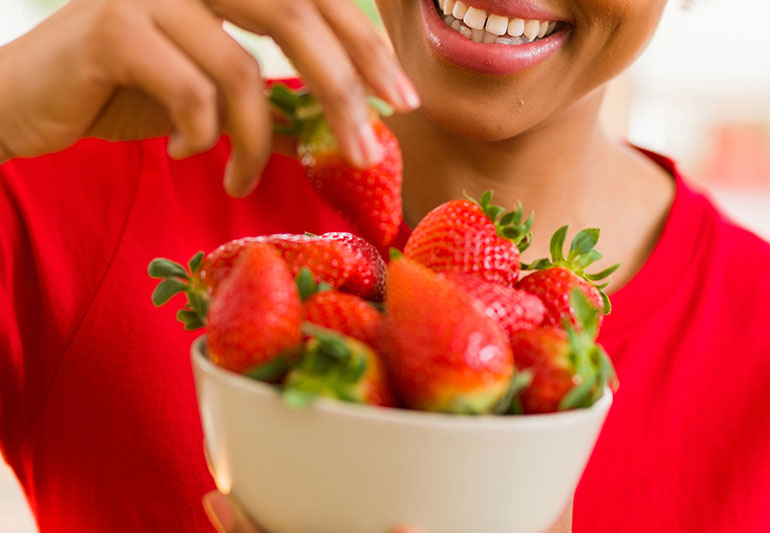
Strawberries are an iconic summer fruit — delicious in lemonade, on shortcakes or just straight out of the basket. And it turns out they may be the sweetest way to stay healthy, too. Registered dietitian Bailey Flora, MS, RDN, LD, explains the benefits of strawberries and what nutrients they contain that make strawberries so good for you.
Why are strawberries good for you?
“Strawberries give you a lot of nutritional value for very few calories,” says Flora. “They’re tasty but naturally low in sugar. That’s a combination that’s hard to beat.”
For starters, strawberries are loaded with vitamin C. Eight medium strawberries contain 160% of your daily recommended amount — the amount that the U.S. Food and Drug Administration (FDA) recommends you eat every day. That’s more vitamin C than you get from an orange, the fruit famous for its vitamin C.
Strawberries are also packed with antioxidants, which protect cells from damage. The primary antioxidant in strawberries is anthocyanin, which gives the fruit its color. The amount of anthocyanin in strawberries increases as the fruit ripens. So, the redder the berry, the more antioxidants it contains.
Strawberries also have fiber and several other important vitamins and minerals, including manganese, potassium and folic acid. And strawberries have less natural sugar than other popular fruits such as apples and bananas.
Health benefits of strawberries
Strawberries are a nutrient-rich snack that can:
1. Boosts brain power
As your brain ages, it can lose some of its mental sharpness. But according to research, eating strawberries protects your brain’s processing powers as you get older.
The Nurses’ Health Study measured brain function in more than 16,000 participants over six years. It found that people who ate the most blueberries and strawberries had less cognitive decline — their thinking and processing abilities didn’t weaken as much. They had the brain power of someone up to two and a half years younger.
Researchers believe the protective effects are due to the antioxidants that safeguard cells. Some of the antioxidants in strawberries also reduce systemic inflammation, when your body is in a state of constant inflammation (swelling and irritation). Systemic inflammation is a key factor in the development of Alzheimer’s disease.
2. Strengthens your immune system
Strawberries are a great source of vitamin C (ascorbic acid), which you need to get from food, as your body can’t produce it. In rare cases, people who don’t get enough of this crucial vitamin develop scurvy, a disease that causes bleeding, bruising and anemia.
Vitamin C plays an important role in wound healing. And it may prevent and treat respiratory and systemic infections too. Research shows that vitamin C increases the production of:
T-cells, which remove infected and cancerous cells.
B-cells, which create antibodies so your body can better defend against germs in the future.
Vitamin C is also anti-inflammatory, lowering your stress response triggered by illness or just your busy life. To ward off germs, researchers suggest getting 100 to 200 milligrams (mg) of vitamin C a day — and more when you’re sick. As eating eight medium strawberries gives you 160 mg, it takes just a handful of berries to help keep your immune system in good shape.
“There isn’t enough evidence to say whether vitamin C can prevent colds and the flu,” says Flora. “And it can be more beneficial to choose vitamin-C-rich foods like strawberries over vitamin C supplements, as you get additional health benefits. With strawberries, that includes fiber and other phytonutrients and vitamins that cannot be replicated in a vitamin supplement.”
3. Protects heart health
Flora says that popping a few strawberries in your mouth isn’t just a way to stave off hunger — it’s also a heart-healthy food choice. Research shows that strawberries can help prevent several conditions that can lead to heart disease and stroke, as well as diabetes, which increases the likelihood of heart disease. Eating more strawberries can help you:
Lower cholesterol
In one small study, participants consumed two drinks a day, each made with 25 milligrams of freeze-dried strawberry powder blended with water. That’s about the same as eating 3.5 cups of fresh strawberries a day. After a month, the participants’ total cholesterol was 5% lower.
The cholesterol-lowering results of that study were echoed in another study that gave participants the same amount of freeze-dried strawberry powder. But this time, they consumed the drink for two months. Researchers compared the results to a group that just drank more water. Those who sipped the strawberry drink saw their cholesterol decrease by 10%.
Decrease triglycerides
Triglycerides are fats found in your blood. Having high triglycerides increases your risk of heart disease. And when triglycerides break down, they leave byproducts that trigger inflammation, attracting sticky deposits to blood-vessel walls. That material can clog your arteries (atherosclerosis), explains Flora.
But eating a pound of strawberries a day may reduce triglycerides by 20%. That’s the result of one study, which also found that strawberries reduced total cholesterol by 8%.
4. Reduces inflammation
Widespread internal inflammation contributes to multiple diseases, including heart disease. Lifestyle factors like a poor diet, low physical activity and smoking can lead to inflammation.
Eating more strawberries is a step in the right direction to boost your heart health, says Flora. That’s because the most prevalent antioxidants in strawberries are anthocyanins, known for their anti-inflammatory effects.
5. Helps manage blood sugar
Too much glucose (sugar in your blood) is a risk factor for Type 2 diabetes, making you more likely to develop heart disease, too. If you’re watching your blood sugar levels, strawberries are a good way to satisfy your sweet tooth.
In a Finnish study, people who ate strawberries with a piece of white bread released 26% less insulin compared with eating bread with a cucumber. Participants also ate the bread with other berries, including raspberries and cranberries. Only strawberries weakened the post-meal blood sugar spike.
Strawberries are a great addition to a healthy diet, especially when you eat them on their own — Flora advises laying off the calorie-laden whipped cream, cake or ice cream. (Sorry!) They’re delicious, full of good-for-you nutrients and low in sugar. Try this strawberry smoothie. (Surprise — it’s green!) And for a strawberry treat that’s not too sweet, make these strawberry pretzel squares at your next get-together.FACEBOOKTWITTER
Strawberries are an iconic summer fruit — delicious in lemonade, on shortcakes or just straight out of the basket. And it turns out they may be the sweetest way to stay healthy, too. Registered dietitian Bailey Flora, MS, RDN, LD, explains the benefits of strawberries and what nutrients they contain that make strawberries so good for you.
Why are strawberries good for you?
“Strawberries give you a lot of nutritional value for very few calories,” says Flora. “They’re tasty but naturally low in sugar. That’s a combination that’s hard to beat.”
For starters, strawberries are loaded with vitamin C. Eight medium strawberries contain 160% of your daily recommended amount — the amount that the U.S. Food and Drug Administration (FDA) recommends you eat every day. That’s more vitamin C than you get from an orange, the fruit famous for its vitamin C.
Strawberries are also packed with antioxidants, which protect cells from damage. The primary antioxidant in strawberries is anthocyanin, which gives the fruit its color. The amount of anthocyanin in strawberries increases as the fruit ripens. So, the redder the berry, the more antioxidants it contains.
Strawberries also have fiber and several other important vitamins and minerals, including manganese, potassium and folic acid. And strawberries have less natural sugar than other popular fruits such as apples and bananas.
Health benefits of strawberries
Strawberries are a nutrient-rich snack that can:
1. Boosts brain power
As your brain ages, it can lose some of its mental sharpness. But according to research, eating strawberries protects your brain’s processing powers as you get older.
The Nurses’ Health Study measured brain function in more than 16,000 participants over six years. It found that people who ate the most blueberries and strawberries had less cognitive decline — their thinking and processing abilities didn’t weaken as much. They had the brain power of someone up to two and a half years younger.
Researchers believe the protective effects are due to the antioxidants that safeguard cells. Some of the antioxidants in strawberries also reduce systemic inflammation, when your body is in a state of constant inflammation (swelling and irritation). Systemic inflammation is a key factor in the development of Alzheimer’s disease.
2. Strengthens your immune system
Strawberries are a great source of vitamin C (ascorbic acid), which you need to get from food, as your body can’t produce it. In rare cases, people who don’t get enough of this crucial vitamin develop scurvy, a disease that causes bleeding, bruising and anemia.
Vitamin C plays an important role in wound healing. And it may prevent and treat respiratory and systemic infections too. Research shows that vitamin C increases the production of:
T-cells, which remove infected and cancerous cells.
B-cells, which create antibodies so your body can better defend against germs in the future.
Vitamin C is also anti-inflammatory, lowering your stress response triggered by illness or just your busy life. To ward off germs, researchers suggest getting 100 to 200 milligrams (mg) of vitamin C a day — and more when you’re sick. As eating eight medium strawberries gives you 160 mg, it takes just a handful of berries to help keep your immune system in good shape.
“There isn’t enough evidence to say whether vitamin C can prevent colds and the flu,” says Flora. “And it can be more beneficial to choose vitamin-C-rich foods like strawberries over vitamin C supplements, as you get additional health benefits. With strawberries, that includes fiber and other phytonutrients and vitamins that cannot be replicated in a vitamin supplement.”
3. Protects heart health
Flora says that popping a few strawberries in your mouth isn’t just a way to stave off hunger — it’s also a heart-healthy food choice. Research shows that strawberries can help prevent several conditions that can lead to heart disease and stroke, as well as diabetes, which increases the likelihood of heart disease. Eating more strawberries can help you:
Lower cholesterol
In one small study, participants consumed two drinks a day, each made with 25 milligrams of freeze-dried strawberry powder blended with water. That’s about the same as eating 3.5 cups of fresh strawberries a day. After a month, the participants’ total cholesterol was 5% lower.
The cholesterol-lowering results of that study were echoed in another study that gave participants the same amount of freeze-dried strawberry powder. But this time, they consumed the drink for two months. Researchers compared the results to a group that just drank more water. Those who sipped the strawberry drink saw their cholesterol decrease by 10%.
Decrease triglycerides
Triglycerides are fats found in your blood. Having high triglycerides increases your risk of heart disease. And when triglycerides break down, they leave byproducts that trigger inflammation, attracting sticky deposits to blood-vessel walls. That material can clog your arteries (atherosclerosis), explains Flora.
But eating a pound of strawberries a day may reduce triglycerides by 20%. That’s the result of one study, which also found that strawberries reduced total cholesterol by 8%.
4. Reduces inflammation
Widespread internal inflammation contributes to multiple diseases, including heart disease. Lifestyle factors like a poor diet, low physical activity and smoking can lead to inflammation.
Eating more strawberries is a step in the right direction to boost your heart health, says Flora. That’s because the most prevalent antioxidants in strawberries are anthocyanins, known for their anti-inflammatory effects.
5. Helps manage blood sugar
Too much glucose (sugar in your blood) is a risk factor for Type 2 diabetes, making you more likely to develop heart disease, too. If you’re watching your blood sugar levels, strawberries are a good way to satisfy your sweet tooth.
In a Finnish study, people who ate strawberries with a piece of white bread released 26% less insulin compared with eating bread with a cucumber. Participants also ate the bread with other berries, including raspberries and cranberries. Only strawberries weakened the post-meal blood sugar spike.
Strawberries are a great addition to a healthy diet, especially when you eat them on their own — Flora advises laying off the calorie-laden whipped cream, cake or ice cream. (Sorry!) They’re delicious, full of good-for-you nutrients and low in sugar. Try this strawberry smoothie. (Surprise — it’s green!) And for a strawberry treat that’s not too sweet, make these strawberry pretzel squares at your next get-together.FACEBOOKTWITTER
When you wake up with a hangover, it’s a no-brainer that last night’s drinks didn’t do you much good. But research shows that the effects of heavy alcohol consumption may be doing much more to your body than just leaving you with one day of misery. Over time, as the drinks add up, alcohol can affect your biology, changing it in detrimental ways.
Excess alcohol consumption can:
1. Change Your DNA — and Make You Crave More Alcohol
Binge drinking, which the National Institute on Alcohol Abuse and Alcoholism (NIAAA) characterizes as more than four or five drinks in a two-hour sitting, and heavy drinking, defined as binge drinking on five or more days a month, can actually change your genetic makeup. A recent study, published in December 2018 in the journal Alcoholism: Clinical & Experimental Research, identified two genes that are subject to change — one affecting the body’s biological clock and one regulating the stress response system. The study’s authors, from Rutgers University, also found that the genetic changes in binge and heavy drinkers were associated with a higher desire for alcohol.
2. Increase the Risk of Cancer — Especially of the Head, Neck, Liver, and Breast
The National Cancer Institute (NCI) cites several studies, such as one published in August 2012 in the journal Annals of Oncology, that have shown consuming alcohol ups the risk of an array of cancers. In 2012, over 5 percent of all new cancer occurrences and nearly 6 percent of all cancer deaths worldwide were estimated to be attributed to alcohol, according to a study published in October 2015 in the International Journal of Cancer. In heavy drinkers, the risk skyrockets. For example, heavy drinkers are 5 times more likely than nondrinkers to contract esophageal cancer, according to the NCI. But even moderate drinking increases the odds of getting cancer of the mouth, throat, and breast. Kathy Jung, PhD, director of the NIAAA’s division of metabolism and health effects, cautions about breast cancer specifically, saying as little as one drink a day can increase risk.
3. Change the Composition of Organisms in the Gut
There are tens of trillions of microorganisms — mostly “good” bacteria — in the digestive tract that help the body do things like digest food and produce vitamins. But alcohol interferes with their composition and function, according to a study published in 2015 in the journal Alcohol Research: Current Reviews, which found that chronic alcohol consumption can cause bacterial overgrowth and imbalances in the intestine. This can result in a slew of digestive issues, including stomach pain, bloating, constipation, diarrhea, and rosacea.
4. Affect Long-Term Memory and Brain Structure
One night of binge or heavy drinking can lead to blackouts, spans of time from which the intoxicated person can’t remember key events and details — if they can remember anything at all. But alcohol consumption can also cause long-term problems with brain function. People who drink heavily, over a long period of time, are at risk of changing the brain’s “hard wiring,” which can lead to cognitive problems even after sobriety is attained, reports American Addiction Centers. Heavy alcohol consumption can also erode brain tissue and raise the risk of stroke, according to previous research.
5. Cause Hormonal Disturbances
Chronic heavy drinking can also wreak havoc on the body’s endocrine system. The hormone producing glands tap into several important functions of the body, including growth and development, metabolism, and mood. Research published in September 2013 in the journal Endocrine and Metabolism Clinics of North America found that drinking heavily, and often, can disrupt communication between the nervous, endocrine, and immune systems. The consequences can be serious and wide ranging. Stress abnormalities, reproductive deficits, body growth defects, and immune dysfunction are just a few of the possible outcomes topping the list.
How Much Alcohol Is Too Much?
Medical professionals advise moderation when it comes to alcohol consumption. More than one drink a day for women and two for men gets into heavy and binge drinking territory, according to dietary guidelines published by the federal government’s Office of Disease Prevention and Health Promotion.
“Having one drink every day of the week is not the same as having seven drinks on a Saturday,” Dr. Jung says. “Binge drinking is never safe.”
If you’re up for a breakfast change for your little one, try this no-fail Purple Porridge by cookbook author and child food expert @annabelkarmel. It’s an easy four step recipe. 👩🍳
Packed with nutritious oats for iron and zinc to strengthen the immune system, and sweet blueberries rich in vitamin C and antioxidants to support brain development. It’s a tasty and wholesome start to their day! 💜👶🏻🫐 #motherandbaby









 Healthaware