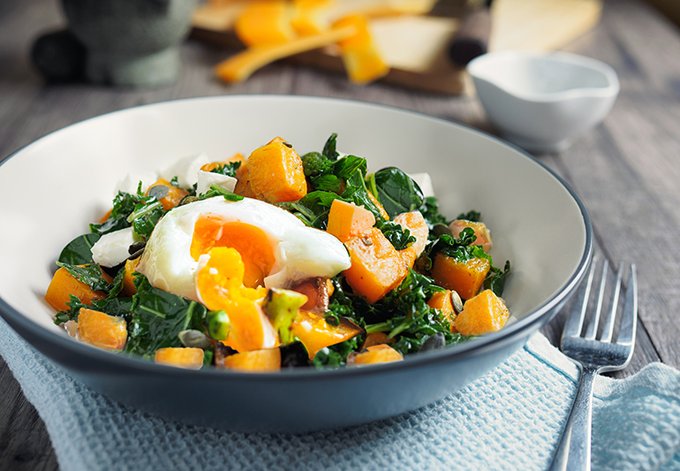

Fuel up with protein and healthy fats for breakfast!
A meal that’s heavy in sugar and starch is no way to start your day – especially if you’re following the ketogenic diet.
These recipes from functional medicine specialist Mark Hyman, MD, are a great way for anyone — keto or not — to bring real, whole, fresh foods (including non-starchy vegetables) to your plate first thing in the morning.
This savory Greek appetizer is usually made with a lot of butter and a lot of feta cheese, which is delicious, but not really heart-healthy. Our just-as-delicious recipe offers a lighter, heart-healthier alternative!
Ingredients
Olive oil cooking spray
1 small onion, minced
One 10-ounce package frozen, chopped spinach
1/3 cup crumbled reduced-fat feta cheese
1/4 cup 1% cottage cheese
1/8 teaspoon ground nutmeg
1 1/2 tablespoons chopped fresh dill
Freshly ground pepper
1 tablespoon egg substitute
5 sheets frozen phyllo dough, thawed
Refrigerated butter-flavored cooking spray
Directions
Preheat the oven to 350 F. Coat a baking sheet with olive oil cooking spray.
Coat a large nonstick skillet with olive oil cooking spray. Add the onion and spinach; saute over medium-high heat until the spinach is thawed and the onion begins to wilt, 8 to 10 minutes. Stir frequently to break up clumps of spinach. Add the feta and cottage cheese along with the nutmeg, dill, pepper and egg substitute; mix well. Remove from heat and cool for 5 minutes.
Cut the phyllo dough into four lengthwise strips, covering the dough you’re not using with a damp tea towel so it doesn’t dry out. Coat each strip with the butter-flavored spray. Place a tablespoon of spinach mix on top of a strip of dough and fold over to make a triangle; continue folding over as if folding a flag. Place on the prepared baking sheet. Repeat, using all the remaining phyllo and filling. Coat each triangle with the butter-flavored spray. Bake for about 20 minutes, until browned. Serve warm.
Nutrition information (per serving)
Makes 20 pieces (10 servings/2 pieces serving)
Calories: 50 Total fat: 1.5 g Protein: 3 g Carbohydrate: 7 g Dietary fiber: 0 g Cholesterol: 0 mg Sodium: 180 mg Potassium: 60 mg
This recipe switches up chicken marsala by swapping in salmon. It’s a great way to get delicious and healthy fish on the menu. You should be able to find Marsala wine in the cooking wines or condiments section of your local grocery store.
Ingredients
1 tablespoon olive oil
1 onion, cut into wedges
1 teaspoon minced garlic
10 fresh mushrooms, sliced (or one 7-ounce can of sliced mushrooms, drained)
4 (4 ounces each) skinless salmon filets
1/3 cup Marsala wine
2/3 cup chicken broth (1/3 less sodium)
1/4 teaspoon salt (optional)
4 teaspoons cornstarch
4 grinds of fresh ground pepper
Directions
Prep the onions and mushrooms.
Heat oil in nonstick skillet over medium-high heat; add onion, garlic and mushrooms to the skillet and begin sautéing.
Add the salmon filets to the skillet, cooking for 10 minutes per inch of thickness (turn them over midway in the cooking time).
Mix together the wine, broth, cornstarch and fresh ground pepper; when the fish is nearly done (you can tell by twisting the center of the thickest part — if it flakes easily, it’s done), add the wine/broth mixture to the salmon.
Stir gently, as the liquid turns into a thick gravy within one minute. Serve over whole-grain pasta or brown rice, with steamed asparagus or vegetable of your choice.
Ingredient health benefits
Olive oil: Olive oil is one of those ingredients that’s actually worth the hoopla. It has fat-soluble vitamins like vitamins D and K, which support your bones and blood cells. It’s also home to unsaturated fats that help decrease your LDL (“bad”) cholesterol and increase your HDL (“good”) cholesterol, helping your heart stay happy. And if you need another reason to use olive oil beyond this recipe, it has polyphenols and other antioxidants to fight inflammation and free radicals, keeping your cells in peak condition and helping to prevent diseases down the road.
Onions: They may not be the most “a-peel-ing” ingredient in the produce aisle, but looks can be deceiving. Onions have prebiotics and fiber to feed your “good” gut bacteria and support healthy digestion. And that’s not all those layers have to offer! There are also vitamin C and flavonoids that help lower inflammation while boosting your immunity.
Garlic: Like onions, these alliums aren’t the most exciting of foods. But “unremarkable” doesn’t mean “devoid of nutrition.” On the contrary, garlic is considered a superfood! Aside from keeping vampires away, eating garlic may strengthen your immunity as part of a well-balanced eating plan. It might also help regulate your blood pressure, and certain natural compounds in garlic can lower inflammation and protect your cells from damage.
Mushrooms: They may not be plants or animals, but mushrooms are just as nutritious! They’re packed with antioxidants like selenium and zinc that promote healing and may enhance your immune cells’ ability to fight diseases like cancer. Mushrooms are also a surprising source of B vitamins — like vitamins B3,B5 and B6 — which are crucial for creating and fixing DNA, as well as helping your body turn the food you eat into usable energy. Even your heart can benefit from the potassium found in these fantastic fungi, which helps regulate your blood pressure and keep the beat.
Salmon: Not just for the bears! This hearty fish is a complete protein that’s pescatarian-friendly, meaning it has all the amino acids your body needs to keep moving. Salmon is also low in mercury content and high in omega-3s, heart-helpful fats that are essential for your head-to-toe health. And that’s not all for omega-3s! They also double as an anti-inflammatory that promotes your immune system.
Nutrition information (per serving)
Makes 4 servings
Calories: 450 Fat: 12 g Fiber: 9 g Sodium: 147 mg (doesn’t include the optional salt) Carbohydrates: 44 g Protein: 37 g
This is a last-minute dessert that can be made post-dinner, while you brew the coffee and finish clearing the table
This is a last-minute dessert that can be made post-dinner, while you brew the coffee and finish clearing the table. Have ingredients and equipment ready beforehand — just be sure to turn the pineapple once and give the skillet a couple of shakes and voila! You’ll have a delightfully sweet dessert ready at your fingertips.
Ingredients
1/4 cup sugar 1/4 cup sugar substitute 1 pineapple, peeled, cored and sliced into six wedges lengthwise Butter-flavored cooking spray, refrigerated 1 tablespoon trans-fat free margarine 2 tablespoons Cognac or fresh orange juice 1 cup fresh raspberries
Directions
Combine the sugar and sugar substitute. Sprinkle half of the mixture over one side of the pineapple. Turn and sprinkle the rest on the other side.
Lightly coat a large non-stick skillet with cooking spray. Add the margarine and melt over high heat. Place the pineapple in the skillet and cook, turning once and shaking the pan often, until it turns golden brown, 10 to 15 minutes. (The pineapple can be prepared to this point and held for one hour.)
Transfer the pineapple wedges to six dessert dishes, leaving the sauce that has formed in the pan.
Stir the cognac into the pan to thin the sauce. Heat briefly. Drizzle the sauce over the pineapple and sprinkle with equal portions of the raspberries. Serve warm.
Nutritional information (per serving)
Makes 6 servings
Calories: 118 Total fat: 3 g Protein: 0.1 g Carbohydrate: 22 g Dietary fiber: 2 g Cholesterol: 0 mg Sodium: 0 mg Potassium: 122 mg
Cabbage often—and unfairly—gets overlooked, with flashier veggies and protein-dense superfoods getting all the attention. But as far as nutritional food options go, the leafy green is pretty hard to beat. A staple in different cuisines (American coleslaw! Middle Eastern malfouf! Chinese suan la bai cai!), cabbage has been a longtime favorite amongst global chefs.
“Much of this stems from its versatility,” Woldy Reyes, chef and author of the cookbook In the Kusina: My Seasonal Filipino Cooking, tells Vogue. “We are seeing a growing trend of chefs utilizing it as a centerpiece, such as cabbage steaks, rather than as a side dish. The culinary appeal has never been stronger.”
“Its popularity stems from its ability to transform,” adds Tatiana Mora, chef of plant-based Michelin star restaurant Mita. “It can be eaten raw, fermented, steamed, roasted, or sautéed, consistently providing flavor, texture, and nutrition. I love it because it is a noble vegetable that grows easily, keeps well, and can be used almost entirely, making it perfect for a conscious and respectful approach to cooking.”
It’s accessible, easy to cook, and delicious. Here are all the reasons cabbage deserves a seat at your table (get it?) in 2026.
What is cabbage?
Cabbage is a leafy green that is part of the brassica plant family (which also includes broccoli, cauliflower, brussels sprouts, and kale), says Amy Shapiro, RD, registered dietitian and founder of Real Nutrition. It comes in several varieties, but the most common ones you’ll see are green, red (or purple), and savoy. What makes cabbage different from other leafy greens is its density and durability. “It’s heartier, stores longer, and holds up well to cooking, fermenting, and shredding,” Shapiro says. “Nutritionally, it shares many benefits with other cruciferous vegetables, but it’s often milder in flavor and more versatile across cuisines.”
The Benefits
Besides its versatility, one of the main benefits of cabbage is its many nutrients. Shapiro lists other main benefits of the leafy green:
Supports Gut Health
Shapiro says that, because cabbage contains fiber and other compounds that support digestion, eating this leafy green can benefit the gut bacteria and boost gut health.
Anti-Inflammatory Properties
Cabbage is also rich in antioxidants and phytonutrients that studies have shown can reduce inflammation, she says.
Boosts Heart Health
Along with fiber, cabbage has potassium, which supports healthy cholesterol levels and blood pressure. Cabbage also has vitamin K, which is essential for blood clotting (and bone health). Shapiro points to red cabbage in particular, which she says contains antioxidants called anthocyanins that studies have shown can improve brain and heart health.
Regulates Blood Sugar
Cabbage is low in calories and carbs while being high in fiber, which can help stabilize glucose levels in the body.
Swap regular fries for these delicious, and nutritious, potato wedges
These crispy sweet potato wedges come out Cajun spicy and sweet. Don’t tell anyone but they’re also really healthy. They’re loaded with antioxidants and phytonutrients and are a great source of beta-carotene. Another plus? As complex carbs, they digest slowly and raise blood sugars gradually — keeping you from a spike and drop-off.
Ingredients
2 sweet potatoes, cut into wedges (about 8 wedges per potato)
1 tablespoon olive oil
2 tablespoons Cajun seasoning
Directions
Preheat oven to 425 F.
In a large mixing bowl, combine the sweet potatoes, oil and Cajun seasoning. Mix well to evenly coat wedges.
Spread the wedges in a single layer on one (or two, if needed) ungreased baking sheets.
Bake for 30 minutes or until crispy and brown on one side.
Flip fries over and bake for another 30 minutes or until the wedges are crispy on the outside and tender inside.
Ingredient health benefits
Sweet potatoes: These root veggies are beloved the world over for their flavor and versatility. But did you know there’s more to sweet potatoes than … well, just being sweet? They’re also packed with essential vitamins and minerals like vitamin B6, vitamin C, vitamin A and potassium. These nutrients help support many aspects of your overall health, including your immune system, metabolism, blood pressure and vision. Sweet potatoes also have carbohydrates and fiber to fuel your cells and promote healthy digestion.
Olive oil: This cooking oil is one of those ingredients that’s actually worth the hype. Olive oil is full of unsaturated fats and polyphenols. These compounds support your heart and fight inflammation that can harm your cells. Vitamin E and vitamin K, also known as fat-soluble vitamins, maintain radiant skin and strong bones. Olive oil also elevates your good “HDL” cholesterol while lowering your “bad” (LDL) cholesterol. And powerful antioxidants suppress free radicals, damaging little particles that harm your cells in ways that can lead to cancer. While all olive oil has these benefits, extra virgin olive oil (EVOO) is the highest quality, so don’t hesitate to pick some up if it fits within your budget!