
Harvard HealthVerified account @HarvardHealth 9 hours ago
Women who spend more time in green spaces live longer, according to recent analysis: http://bit.ly/2JLbqUa #HarvardHealth #outdoors

Health is Wealth
Harvard HealthVerified account @HarvardHealth 9 hours ago
Women who spend more time in green spaces live longer, according to recent analysis: http://bit.ly/2JLbqUa #HarvardHealth #outdoors
Harvard HealthVerified account @HarvardHealth 9 hours ago
Women who spend more time in green spaces live longer, according to recent analysis: http://bit.ly/2JLbqUa #HarvardHealth #outdoors


Walking is key to reducing the risk of death, according to a new study
By Annabel Rackham
BBC News
It has long been touted that 10,000 steps a day is the magic number you need to stay fit and healthy – but a new study shows fewer than 5,000 may be enough to see a benefit.
The analysis of more than 226,000 people around the world showed 4,000 was enough to start reducing the risk of dying prematurely of any cause.
Just over 2,300 is enough to benefit the heart and blood vessels.
The more you do, the more health benefits are seen, researchers said.
Every extra 1,000 steps beyond the 4,000 reduced the risk of dying early by 15% up to 20,000 steps.
The team from the Medical University of Lodz in Poland and Johns Hopkins University School of Medicine in the US found the walking benefits applied to all genders and ages, regardless of where they lived.
However, the biggest benefits were seen among the under-60s.
Prof Maciej Banach, from the Lodz university, said that while the number of advanced drugs for treatment was growing, they were not the only answer.
“I believe we should always emphasise that lifestyle changes, including diet and exercise, which was a main hero of our analysis, might be at least as, or even more, effective in reducing cardiovascular risk and prolonging lives,” he said.
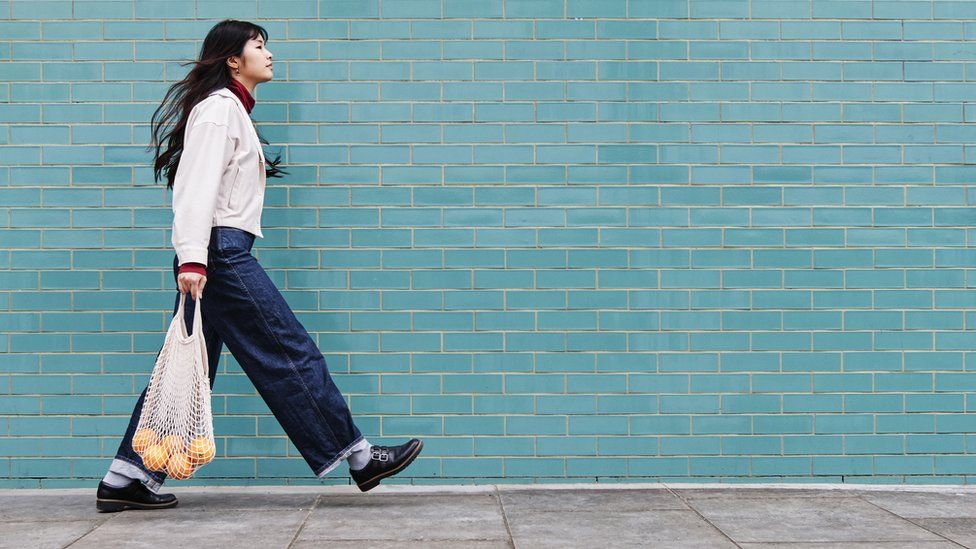
According to World Health Organization data, insufficient physical activity is responsible for 3.2 million deaths each year – the fourth most frequent cause worldwide.
Honey Fine, a personal trainer and instructor for global fitness company Barry’s, emphasises the problems that come from sitting down too much.
“It can slow your metabolism and affect muscle growth and strength, which can cause aches and pains,” she tells the BBC.
“Sitting down for too long can also cause all sorts of back problems, we find this a lot with people with office jobs, that their backs are constantly put in a stressed compressed position which causes a lot more problems later on in life.”
She explains the importance of non-exercise activity thermogenesis – also known as Neat, “which in simple terms is everything we do that uses energy and burns calories”.
“Tasks like standing, carrying shopping, washing the floors, hoovering, pacing whilst walking on the phone – it’s all the little things that make us more active that help us to burn calories more efficiently,” she said.

•
Follow
Liked by kannu_18v


·
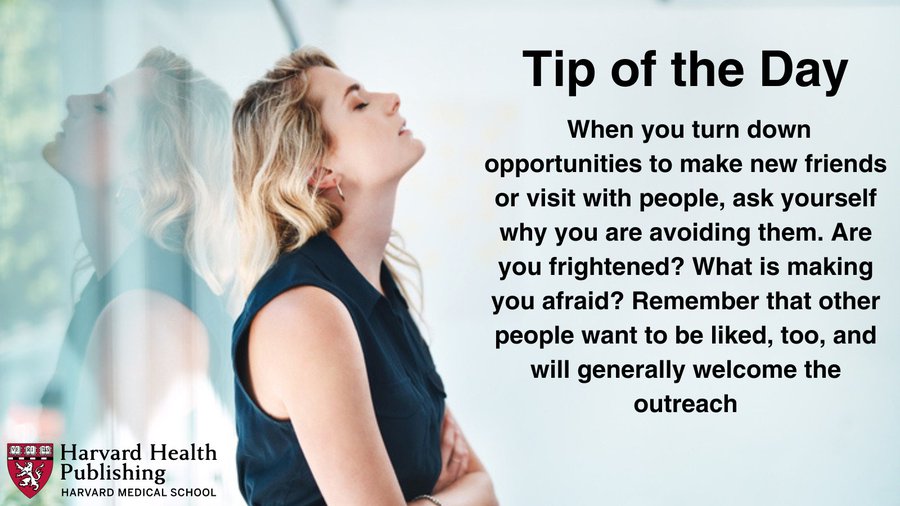
Overcome social apprehensions: When you turn down opportunities to make new friends or visit people, ask yourself why you are avoiding them. Remember that other people want to be liked, too, and will generally welcome the outreach. — #HarvardHealthTipoftheDay #HarvardHealth
·
Overcome social apprehensions: When you turn down opportunities to make new friends or visit people, ask yourself why you are avoiding them. Remember that other people want to be liked, too, and will generally welcome the outreach. — #HarvardHealthTipoftheDay #HarvardHealth


“I’m scared,” said Piglet. “A story will help,” said Pooh. “How?” “Don’t you know? Stories make your heart grow.” #BookLoversDay


 Healthaware