
·
What makes a food healthy? For the first time in 30 years, the Food and Drug Administration (FDA) is updating its claim on what food products can use the word “healthy” on their labels. Learn more: https://mayocl.in/3CjUUuF


Health is Wealth
·
What makes a food healthy? For the first time in 30 years, the Food and Drug Administration (FDA) is updating its claim on what food products can use the word “healthy” on their labels. Learn more: https://mayocl.in/3CjUUuF
·
What makes a food healthy? For the first time in 30 years, the Food and Drug Administration (FDA) is updating its claim on what food products can use the word “healthy” on their labels. Learn more: https://mayocl.in/3CjUUuF
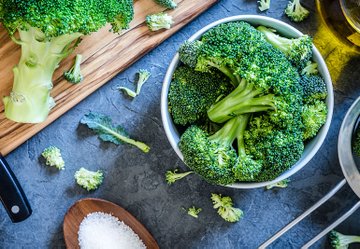
“Eat your broccoli,” may be a familiar refrain from your childhood. Maybe you didn’t love broccoli as a kid, but your parents were onto something. The “little trees” are full of fiber, folate, vitamins and more.
Broccoli is a member of the Brassica genus of plants, also known as the cabbage family. Broccoli’s relatives include Brussels sprouts, cabbage, cauliflower, chard and watercress. Many Brassicas have strong flavors and mix well with meats and other vegetables.
“A pile of steamed broccoli doesn’t appeal to everyone,” recognizes registered dietitian Beth Czerwony, RD, LD. “But broccoli is incredibly versatile and can be used in so many different dishes. Toss it in with your stir fry, chop it fresh in a salad or roast it with your baby potatoes. And with an abundance of nutrients, there are many benefits of eating broccoli.”
A cup of chopped raw broccoli has approximately:
In addition, a cup of raw broccoli offers:
Source: U.S. Department of Agriculture
It’s worth finding ways to add broccoli to your diet because it’s a health-boosting dynamo. Here’s some motivation for you to get your green on: Some of the beneficial substances in broccoli are somewhat unique to the Brassica family of vegetables. Broccoli provides nutrients that may:
As a superfood status, broccoli can improve your health with these five components:
“Broccoli offers some powerful molecules that protect your cells from damage,” says Czerwony. “Some of them even destroy cancer cells.”
Cancer-fighting molecules in broccoli include DIM, indole-3-carbinol and sulforaphane. According to studies, they may help:
These anticancer molecules are in several of broccoli’s cruciferous veggie relatives, too. These nutrients don’t survive cooking or freezing. So, to get the benefits, raw broccoli is best.
“Some of these compounds are even more concentrated in broccoli sprouts,” notes Czerwony. “You can find broccoli sprouts in health food stores and many grocery stores. Sprouts are also easy to grow at home using a sprouting kit.”
Both human and lab studies suggest compounds in broccoli may help lower blood sugar in people with Type 2 diabetes. This effect may be due to the antioxidants in broccoli, like vitamin C.
Research shows that fiber can also help with blood sugar management. At 2.5 grams of fiber per cup, broccoli is a good source of this nutrient.
In a nonhuman study, researchers found that broccoli can help protect the lining of your small intestine. Compounds found in broccoli, called aryl hydrocarbon receptor ligands, help keep small intestine cells working well.
Why do those cells matter so much? When your small intestine lining is healthy, it only allows water and nutrients to pass through it into your bloodstream.
But when the cells of the lining are damaged, undigested food particles, bacteria and other disease-causing particles may pass through. A damaged small intestine lining can lead to infections and inflammation. It can also prevent you from absorbing the nutrients you need.
Vitamin C is well-studied as an immune-boosting nutrient. When you don’t have enough vitamin C, you’re more likely to get infections.
The antioxidant effects of vitamin C also help your body keep free radicals under control. “Free radical damage is linked to all kinds of problems, including Alzheimer’s disease, autoimmune diseases, cancer, heart disease and Parkinson’s disease,” says Czerwony. When you don’t have enough antioxidants to neutralize free radicals, they damage your cells.
Surprising but true: Broccoli has more vitamin C than oranges. In 1 cup of the green cruciferous veggie, you get a whopping 81 milligrams of vitamin C. That’s 90% of the daily U.S. recommended dietary allowance (RDA) for adults. (An orange has about 70 milligrams.)
Research suggests certain bioactive compounds in broccoli may boost your heart health in a variety of ways. It may:
“If you want those anticancer compounds like sulforaphane, choose fresh broccoli,” advises Czerwony. Freezing inactivates sulforaphane.
“Frozen broccoli also loses a bit of its vitamin content. But overall, frozen broccoli is still very healthy. It’s better than not eating any broccoli because you still get a lot of the health benefits,” she continues.
Need some broccoli-inspired meals? Try these easy recipes:
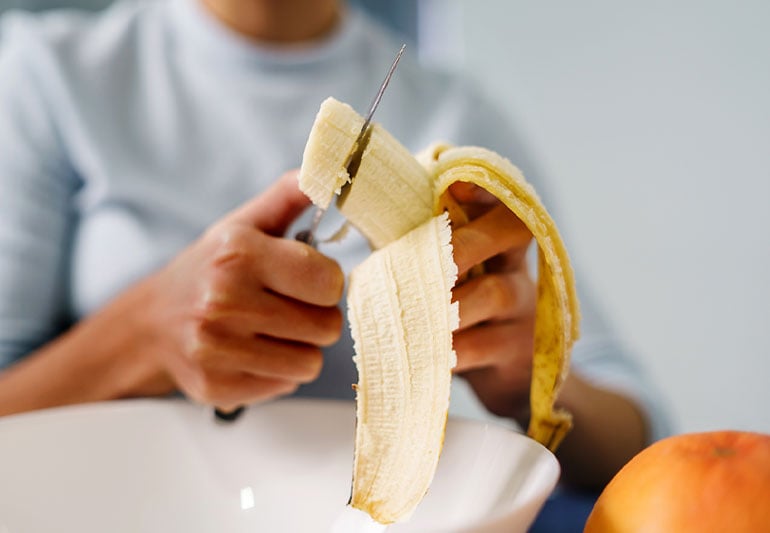
Some have called bananas “nature’s perfect snack,” and it’s easy to see why. The curvy yellow fruits come conveniently packaged, travel well in a lunch bag or purse and are incredibly versatile. They make a great smoothie mixer or a tasty topper on cereal or oatmeal and even have their very own category of (delicious!) muffins and bread.
“Absolutely,” says registered dietitian Elyse Homan, RD, LD. “They’re full of nutrients and easy on the gut. Very few people have problems digesting bananas.”
So, what are you eating when you peel and enjoy? A medium-sized ripe banana contains:
From vitamins to minerals to fiber, bananas are good for you, with lots of nutrition to offer. Plus, they’re easy to digest, reiterates Homan. Here’s a breakdown of banana’s most notable nutritional benefits:
With 3 grams (g) of fiber, a banana supplies nearly 10% of what you need in a day, based on a 2,000-calorie daily diet, according to the U.S. Department of Agriculture (USDA) dietary guidelines.
You hear “fiber” and probably automatically think of digestion. It’s true — fiber is great for your gut. It helps keep things moving in your intestines, and most of us probably need to eat more.
But fiber also impacts your health in other ways. Researchers who looked at data from nearly 200 studies found that people who ate 25 to 29 g of fiber a day had up to a 30% decreased risk of:
Vitamin C (ascorbic acid) is a nutrient that helps your body absorb iron and boosts your immune system’s ability to fight illness. Adults need 75 to 90 milligrams (mg) per day. A banana delivers about 10 mg of vitamin C.
Vitamin C is one of many antioxidants you can get from food. Antioxidants are important because they cancel out free radicals in your body. Free radicals can build up and damage your cells, leading to disease. But antioxidants like vitamin C keep free radicals in check.
Your body needs vitamin B6 for:
“One banana will give you one-quarter to one-third of the vitamin B6 you need in a day,” says Homan.
The USDA recommended daily intake of potassium for adults is 4,700 to 5,000 mg. A banana supplies you with about 422 mg, or a little less than 10% of what you need per day.
Potassium, a mineral, does a lot for your body. It’s essential for the proper function of your:
Getting enough potassium also keeps your blood pressure in a healthy range. Potassium, which lowers blood pressure, balances out sodium, which raises blood pressure.
Homan says potassium also benefits your vascular system — the network of blood vessels and lymph vessels that run through your body’s tissues and organs — and reduces your risk of:
A single medium-sized banana offers about 32 mg of the mineral magnesium, which fulfills around 8% to 10% of your daily magnesium requirement.
Magnesium is involved in many processes in your body, including:
Green, or unripe, bananas are high in resistant starch. “Your body can’t digest resistant starch,” notes Homan. “Instead, it’s a prebiotic that promotes the growth of good bacteria in your colon.” Prebiotics improve digestive health and can be helpful if you’re experiencing diarrhea.
“I often hear patients say they avoid bananas since they’ve heard the fruit is too high in sugar,” says Homan. As bananas ripen, much of the resistant starch changes to sugar. But the health benefits of antioxidants and fiber outweigh the naturally occurring sugar. For those worried about blood sugar levels, pair bananas with a protein source such as peanut butter or a cheese stick for better control.
A small word of warning about unripe bananas: “If you’re not used to eating resistant starch, start slowly to let your body get used to it. Some people can experience constipation, gas and bloating at first,” adds Homan.
Another plus of this fruit? In addition to all the health benefits of bananas, they’re less expensive than many other fruits.

tospndeoSrmrtcy89u1hn08m6a:3h390u9210J10t a a0730m9fl 2aa86u ·
Kickstart your New Year’s health resolutions this month with these top nutrition tips from our Senior Dietitians at Blackrock Health Hermitage Clinic. Prioritise your health this year by following some simple guidelines:
– Prioritise whole foods: Swap processed snacks for nourishing, nutrient-dense snacks such as nuts and dried fruits, fruit and yogurt, cheese and crackers, nutty flapjacks, oat snacks. When opting for convenience snacks be aware of the ingredient list, some snacks which may label themselves as ‘healthy’ alternatives may have a long list of ingredients, generally the more whole ingredients and the shorter the list the better!
– Stay hydrated: Start each day with a glass of water and aim for 8 glasses throughout the day. Proper hydration is key for energy and overall well-being.
– Limit alcohol: Alcohol dehydrates and can cause fatigue which leads to poorer food choices as well as negatively impacting overall health. Swap alcoholic drinks for non-alcoholic alternatives where possible and aiming for at least three alcohol free days per week.
– Stay active: Incorporating some daily movement (outside if possible) will support overall mood, energy levels and health.
– Plan ahead: Try not let busy schedules derail your healthy eating goals. Meal prepping, batch cooking and planning snacks will help you stay on track.
At Blackrock Health, our Dietetics and Clinical Nutrition department is made up of Registered Dietitians who help manage and support a variety of nutritional and medical concerns to patients across our clinics.
If you are interested in outpatient dietetic support please visit our Dietetics & Nutrition pages (https://www.blackrockhealth.com/treat…/dietetics-nutrition) where you will find the many options available.

tospndeoSrmrtcy89u1hn08m6a:3h390u9210J10t a a0730m9fl 2aa86u ·
Kickstart your New Year’s health resolutions this month with these top nutrition tips from our Senior Dietitians at Blackrock Health Hermitage Clinic. Prioritise your health this year by following some simple guidelines:
– Prioritise whole foods: Swap processed snacks for nourishing, nutrient-dense snacks such as nuts and dried fruits, fruit and yogurt, cheese and crackers, nutty flapjacks, oat snacks. When opting for convenience snacks be aware of the ingredient list, some snacks which may label themselves as ‘healthy’ alternatives may have a long list of ingredients, generally the more whole ingredients and the shorter the list the better!
– Stay hydrated: Start each day with a glass of water and aim for 8 glasses throughout the day. Proper hydration is key for energy and overall well-being.
– Limit alcohol: Alcohol dehydrates and can cause fatigue which leads to poorer food choices as well as negatively impacting overall health. Swap alcoholic drinks for non-alcoholic alternatives where possible and aiming for at least three alcohol free days per week.
– Stay active: Incorporating some daily movement (outside if possible) will support overall mood, energy levels and health.
– Plan ahead: Try not let busy schedules derail your healthy eating goals. Meal prepping, batch cooking and planning snacks will help you stay on track.
At Blackrock Health, our Dietetics and Clinical Nutrition department is made up of Registered Dietitians who help manage and support a variety of nutritional and medical concerns to patients across our clinics.
If you are interested in outpatient dietetic support please visit our Dietetics & Nutrition pages (https://www.blackrockhealth.com/treat…/dietetics-nutrition) where you will find the many options available.

A meal that’s heavy in sugar and starch is no way to start your day – especially if you’re following the ketogenic diet.
These recipes from functional medicine specialist Mark Hyman, MD, are a great way for anyone — keto or not — to bring real, whole, fresh foods (including non-starchy vegetables) to your plate first thing in the morning.
The jicama serves as a lighter alternative to traditional potato, while turkey bacon is a stand-in for pork.
This versatile, protein-packed meal is easy on your digestive system and always a hit with the kids, too.
A creamy, low-carb smoothie is a great way to start your day and get into fat-burning mode. And ginger is great for digestions.
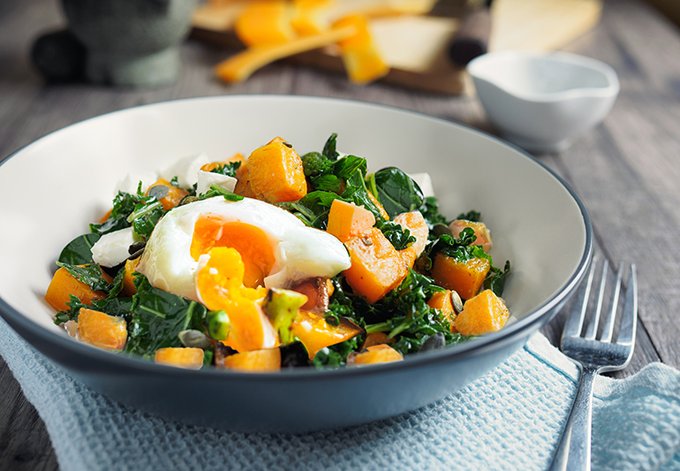
What’s the easiest way to upgrade a plate of greens? Put an egg on top! This tasty and comforting dish is good for breakfast – or lunch or dinner.
For those who don’t want coffee, this latte is a great morning drink that provides healthy fat without caffeine.
With a few veggies and precooked sausage, you can have this satisfying, savory frittata on the table in under 45 minutes.


Add more exercise into your day: While you watch a show, use the commercial breaks to do a plank, march in place, or stretch. #HarvardHealth #TipoftheDay https://bit.ly/41Xbvis

