Pause for a moment before uncorking a red wine in the name of a healthier heart. 🍷 https://t.co/wMpenORdVL#LoveYourHeart pic.twitter.com/aHbL3X4soY
— Cleveland Clinic (@ClevelandClinic) February 20, 2024


Health is Wealth

February 15, 2024
Alcohol affects your whole body, from your liver and immune system to your brain and mental health
You probably already know that excessive drinking can affect you in more ways than one.
There are the empty calories that can lead to weight gain. There’s the potential for injury and regrettable choices. And don’t forget about the hangovers of course.
Heavy drinking can also lead to a host of health concerns, like brain damage, heart disease, cirrhosis of the liver and even certain kinds of cancer.
And that’s on top of the toll that alcohol use can take on relationships, not to mention the potential for financial strain and legal troubles.
But even moderate alcohol use changes the way your body functions.
We talked with hepatologist Shreya Sengupta, MD, about how alcohol use affects your body and your emotional health.
“Some people think of the effects of alcohol as only something to be worried about if you’re living with alcohol use disorder, which was formerly called alcoholism,” Dr. Sengupta says.
“But when you consider how alcohol is metabolized and used by your body, we can start to see that even moderate and social drinking affects our health to some degree.”
Dr. Sengupta shares some of the not-so-obvious effects that alcohol has on your body.
Your liver detoxifies and removes alcohol from your blood through a process known as oxidation. When your liver finishes that process, alcohol gets turned into water and carbon dioxide.
But when you ingest too much alcohol for your liver to process in a timely manner, a buildup of toxic substances begins to take a toll on your liver.
If alcohol continues to accumulate in your system, it can destroy cells and, eventually, damage your organs.
“When your liver is overwhelmed by oxidizing alcohol, it generates molecules that inhibit fat oxidation,” Dr. Sengupta explains. “The fats build up. Over time, it can lead to a condition known as steatotic liver disease.”
Steatotic liver disease used to go by the name fatty liver disease.
Steatotic liver disease develops in about 90% of people who drink more than 1.5 to 2 ounces of alcohol per day. That’s about one shot glass worth.
With continued alcohol use, steatotic liver disease can lead to liver fibrosis. Eventually, you can develop permanent and irreversible scarring in your liver, which is called cirrhosis.
“The good news is that earlier stages of steatotic liver disease are usually completely reversible in about four to six weeks if you abstain from drinking alcohol,” Dr. Sengupta assures.
Cirrhosis, on the other hand, is irreversible and can lead to liver failure and liver cancer, even if you abstain from alcohol.
You probably are keenly aware of the so-called “beer belly.” That’s shorthand for a round midsection that some people associate with drinking too much beer.
In reality, there’s no evidence that drinking beer (or your alcoholic beverages of choice) actually contributes to belly fat.
But there’s plenty of research to back up the notion that alcohol does lead to weight gain in general. Even for people who aren’t particularly heavy drinkers.
“Drinking gives your body work to do that keeps it from going about its other processes,” Dr. Sengupta notes. “Alcohol distracts your system from its regularly scheduled duties, including things like metabolizing carbohydrates and fats.”
Once you take a drink, your body makes metabolizing alcohol a priority — above processing anything else.
That’s because your body already has processes in place that allow it to store excess proteins, carbohydrates and fats. But there isn’t a storage tank for alcohol. So, your system prioritizes getting rid of alcohol before it can turn its attention to its other work.
That allows excess calories from the foods you eat to sit around, leading to weight gain.
Your gut microbiome is a hotbed of bacteria that help keep your digestive system happy and healthy. The trillions of microbes in your colon and large and small intestines are critical to proper digestion. They also help fend off inflammation and support healthy metabolism.
When you drink too much alcohol, it can throw off the balance of good and bad bacteria in your gut.
“Alcohol can kill the good bacteria that live in your gut, allowing bad bacteria to grow unchecked,” Dr. Sengupta explains. “That can lead to problems with digestion, inflammation and even organ damage.”
Having a glass of wine with dinner or a beer at a party here and there isn’t going to destroy your gut. But even low amounts of daily drinking and prolonged and heavy use of alcohol can lead to significant problems for your digestive system.
Too much alcohol is bad for your heart. Alcohol can cause:
Warnings from the World Heart Federation go so far as to state that no amount of alcohol is safe for your ticker.
But wait, you may be thinking, what about those headlines that claim red wine is supposed to be good for my heart?
There are a few studies that associate red wine with improved heart health in lab tests. But no research proves that red wine causes any improvements in heart health in people.
“The reality is that alcohol causes more health troubles than it could ever help,” Dr. Sengupta reinforces. “And that goes for your heart, as well as the rest of your body.”
Your pancreas helps your body digest food and manage your blood sugar. Drinking alcohol changes how your pancreas works.
“Your pancreas secretes fluids. Alcohol use can thicken those fluids, which can clog the ducts that those fluids flow out of,” Dr. Sengupta explains.
Like a clog in a drain, those thickened fluids can jam up your ducts. That can lead to pancreatitis, which is inflammation of the pancreas.
Pancreatitis can be a short-term (acute) condition that clears up in a few days. But prolonged alcohol abuse can lead to chronic (long-term) pancreatitis, which can be severe.
The U.S. Centers for Disease Control and Prevention (CDC) has a clear warning regarding the connection between drinking and cancer: “The less alcohol you drink, the lower your risk for cancer.”
Why?
Your body breaks alcohol down into a chemical called acetaldehyde, which damages your DNA. Damaged DNA can cause a cell to grow out of control, which results in cancerous tumors.
Alcohol use has been shown to raise your risk for several kinds of cancer. That includes cancers of the:
If you drink every day, or almost every day, you might notice that you catch colds, flu or other illnesses more frequently than people who don’t drink. That’s because alcohol can weaken your immune system and make your body more susceptible to infection.
“We see lower levels of a specific kind of white blood cells called lymphocytes in people who drink heavily for long periods of time,” Dr. Sengupta reports. “That can leave them more vulnerable to infectious diseases.”
The morning after a night of over-imbibing can cause some temporary effects on your brain. Things like trouble concentration, slow reflexes and sensitivity to bright lights and loud sounds are standard signs of a hangover, and evidence of alcohol’s effects on your brain.
Long-term alcohol use can change your brain’s wiring in much more significant ways. Ways that your standard hangover cures won’t even begin to touch.
“Excessive alcohol consumption can cause nerve damage and irreversible forms of dementia,” Dr. Sengupta warns.
Alcohol is a depressant. And prolonged alcohol use can lead to mental health conditions like anxiety and depression. Chronic misuse can also lead to paranoia and hallucinations.
Even drinking a little too much (binge drinking) on occasion can set off a chain reaction that affects your well-being. Lowered inhibitions can lead to poor choices with lasting repercussions — like the end of a relationship, an accident or legal woes. Each of those consequences can cause turmoil that can negatively affect your long-term emotional health.
“Alcohol tends to cause more problems than it solves for a lot of people,” Dr. Sengupta emphasizes. “If drinking is affecting your health, your relationships, your work, your finances, it’s time to make some serious changes.”
Ready to stop drinking and improve your health? These tips may help.
If you need more guidance to quit drinking, the Substance Abuse and Mental Health Services Administration (SAMHSA) offers a hotline, 24/7, 365 days a year. Call 1.800.662.HELP (4357).
Alcoholics Anonymous is available almost everywhere and provides a place to openly and nonjudgmentally discuss alcohol issues with others who have alcohol use disorder.

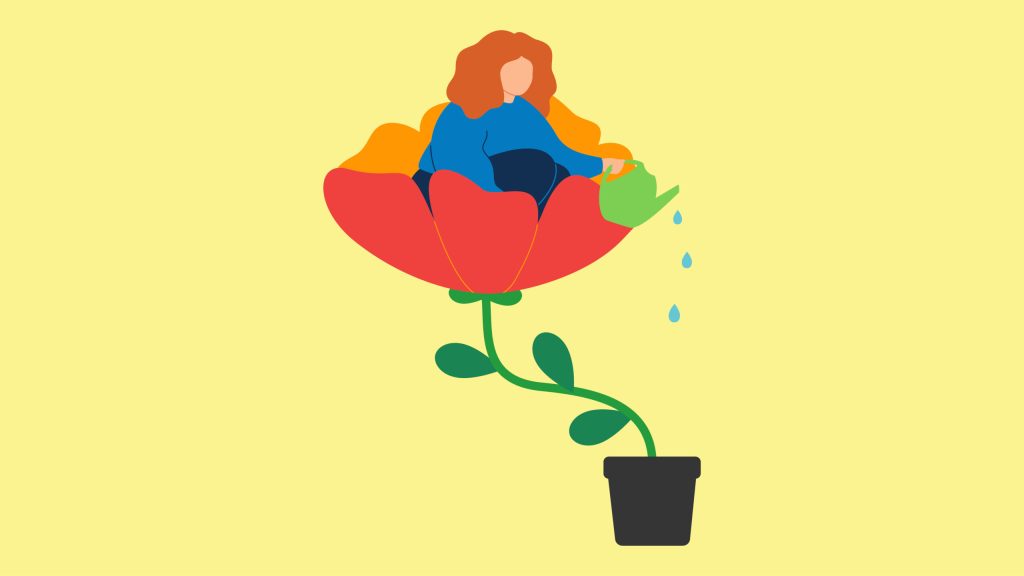
There is perhaps no greater feeling than love. When you feel appreciated, respected and supported, it can do wonders for your physical, mental and emotional health — and that’s true whether you’re long past the honeymoon phase or you’re holding on for dear life in an otherwise exciting situationship. And even the greatest, most supportive friendships can empower you to take on exciting new adventures and embrace the good things happening all around you. But how often do we stop and think about all the ways we should and can show up for ourselves?
Registered psychotherapist Natacha Duke, MA, RP, explains how self-love can change your life for the better, along with small ways you can practice self-love every single day.
“Self-love” might take on different meanings for different people depending on the circumstances of their situation and what they need most at the time. Duke says that when we talk about self-love, we often refer to embracing and upholding psychological concepts like self-respect, self-value, self-esteem and self-worth. But ultimately, self-love revolves most around self-compassion: It’s the intentional choice to show up for yourself, support your needs and wants, and honor your limitations.
“I think there’s a real shift in psychology toward self-compassion and really being able to look at loving yourself and treating yourself the way you would your own best friend, and being able to really show up for yourself when you’re struggling or when things are not going your way,” she adds.
When you practice self-love, rather than imposing self-criticism, regret, shame or guilt or avoiding uncomfortable emotions, you’re choosing instead to focus on the opposite. You’re honoring the emotions you feel, even the ones that are uncomfortable. You’re participating in self-soothing activities, embracing helpful coping mechanisms and supporting yourself with a growing awareness that this difficult time, too, shall pass. As a result, you come to discover that you are not your own worst enemy, but your own best friend.
“Self-love is about replacing that harsh inner critic with a really kind and compassionate voice,” reaffirms Duke. “The ability to practice self-compassion is a really good way to define self-love.”
“Self-compassion is something you can learn, and the more you practice the act of self-compassion, the more prominent these activities will become in your day-to-day life,” says Duke.
Here are some helpful tips for making self-compassion and self-love a part of your daily routine.
You can love yourself and, at the same time, want to make improvements. Upholding the balance between those good and “bad” feelings is where the magic happens.
“With other people, we tend to be much more forgiving than with ourselves,” notes Duke. “What you want to try to do is be able to hold the things you love about yourself and things that you don’t like about yourself simultaneously.”
That means if you feel lonely, it’s OK to acknowledge your loneliness. If you’re grieving, it’s OK to sit with that until you’re ready to move forward. If you’re angry about not making the changes you want to make, your anger is valid, too. Feel what you feel, and then act when you’re ready to act. But try not to take your feelings out on yourself.
“You don’t have to abandon yourself or turn on yourself or criticize yourself,” says Duke. “But you can appreciate that everyone has difficulties, and being there for yourself is one way you can cultivate self-love and self-compassion.”
“Even just checking in with yourself on a regular basis can be helpful,” says Duke.
As part of a daily process, self-love can look different on any given day. Some days, you may want to surround yourself with other people who make you feel good about socializing. Other days, you may want to shutter the doors, turn out the lights and snuggle up with a good book until you feel ready to come out of your cave.
Self-love could be taking the extra time to sleep in when you’re exhausted. Or it could look like ordering take-out instead of cooking dinner because it’s convenient and less time-consuming on a busy day. Whatever it is, self-love is an action you intentionally take that’s meant to be guilt-free without an ounce of judgment.
“It’s really important to be able to check in with yourself and ask, ‘How am I doing today? What is it that I might need today? What does self-love look like on this particular day?’” explains Duke.
“Some days, it might be going for a walk or it might be talking to someone you trust and unloading. But whatever it is, it’s really important to do that self-assessment, even for five minutes, to ask yourself what you need to feel like you’re supporting yourself.”
If you’re not sure where to start, try setting your intentions at the beginning of your day or try journaling to find out what you’re missing.
“One question that can be really helpful is, ‘What do I need more of?’” suggests Duke. “Normally, I find that people can answer that question. If you can’t, that’s OK. It might come out through further reflection by talking to a friend or talking to a therapist. But that’s usually a question that people can answer, and that can be a really nice place to start when you’re doing an inventory.”
Duke also recommends creating a list of everything you’re grateful for when you’re trying to determine which areas you’d like to ramp up your self-love and self-compassion.
“When we look at what we’re grateful for, we’re also in a better place mentally to then think about what we want to work on and really try to set some goals,” she adds.
On your darkest days, try your best to show up for yourself even in the smallest ways.
“Acknowledge that this is a hard day, a hard moment, a hard week or a hard time, give it that space, and then be there for yourself the way you would be there for your best friend,” says Duke.
“It might involve taking things a little bit slower that day. It might involve making yourself a nice breakfast, doing something small for yourself or scheduling something you look forward to. That’s a big one that people often miss: Having that something to look forward to.”
The holidays can be triggering for people — and yes, Valentine’s Day, too.
“Holidays in general tend to exacerbate what we already feel,” explains Duke. “If you are feeling lonely or if you are feeling depressed, this is going to bring it out more. So, doing a little bit of planning ahead of time can help if you know this will be triggering for you.”
Again, self-love looks different for everyone, but it’s worth asking yourself what you need in the days and weeks leading up to an event — a holiday, birthday or anniversary — that will serve you well when the event arrives.
If you’re single and you don’t want to be alone, maybe schedule a night out with your friends. If you’re grieving the loss of a loved one, maybe take the time to memorialize them by doing something they loved or setting aside some time to reflect and reconnect with their memory.
Whatever you decide to do, the key is doing something that makes you feel good and honors your intentions as you go into the day that you’re anxious about.
When the day of worry has passed, it’s good to return and re-assess how your act of self-love paid off. Was it better or worse than you thought? Did you feel your mood improve or worsen? How would you have done things differently given another go?
These are all good questions to ask as you continue to revisit the idea of self-love, particularly as it relates to holidays and important events. Having more information and building your self-awareness allows you to be better prepared next time similar circumstances arise, and it helps you get closer to your goal of supporting yourself through both good and difficult times.
Asking for what you want and expecting others to respect and honor your limitations is an act of self-love. Setting healthy boundaries can be difficult at times, but it does get easier the more you do it.
“Having self-respect and being able to be assertive when the situation calls for it and ask for what you want is a demonstration that how you feel and what you think about matters,” reinforces Duke.
“That relational piece can be a real expression of self-love, and so can boundaries when someone is not treating you in accordance with your values.”
Knowing when to walk away and let one-sided relationships end is also an act of self-love — one that pays dividends in the long run. When you start to surround yourself with people who love and support you for who you are, you’ll be amazed by how far healthy relationships can carry you.
Self-love can be a helpful practice for everyone, even for those who think everything is going right and those in the longest long-term relationships.
“It’s really hard to show up for the people that you love if you’re not engaging in a reasonable degree of self-love,” says Duke. “Whether it’s because of low self-esteem or it’s because you’re so busy that you consider self-love a luxury, if you’re not making time to take care of yourself, it’s really hard to show up in relationships as your best self and to just show up for the world.”
In fact, research suggests self-compassion can have a direct positive effect on your overall physical health and well-being. A 2021 meta-analysis found that self-compassion, particularly among younger adults, can promote better physical health.
And a 2023 study found that higher levels of self-compassion were associated with lower levels of psychological distress. When combined with higher levels of compassion for others, higher levels of self-compassion resulted in better overall mental health.
“If you have good mental well-being, you’re going to have less stress hormones, less risk for depression, cancer, heart disease — all these other illnesses,” says Duke. “The more we practice self-love and self-compassion, the more improved our lives can be in the long term.”

Cucumbers are abundant in silica, too, a trace mineral that may actually increase skin elasticity and help keep you looking young.
1 tablespoon rice wine vinegar
1 teaspoon olive oil
1/2 teaspoon toasted sesame oil
1/2 teaspoon soy sauce
Dash cayenne pepper
2 cucumbers, cut into 1/4-inch-thick slices
1/2 bunch chives, minced
1 teaspoon sesame seeds
Makes 2 servings
Calories: 100
Total fat: 4.5 g
Saturated fat: .5 g
Cholesterol: 0 mg
Sodium: 105 mg
Fiber: 3 g
Carbohydrate: 12 g
Sugar: 8 g
Protein: 4 g

Chartered Society of Physiotherapy
·
‘We can see the impact untreated back pain is having on patients, the NHS and the wider economy with so many now out of work. ‘We urgently need more physiotherapy staff’.
in
on how back pain is driving a UK health ‘crisis’.
 Healthaware