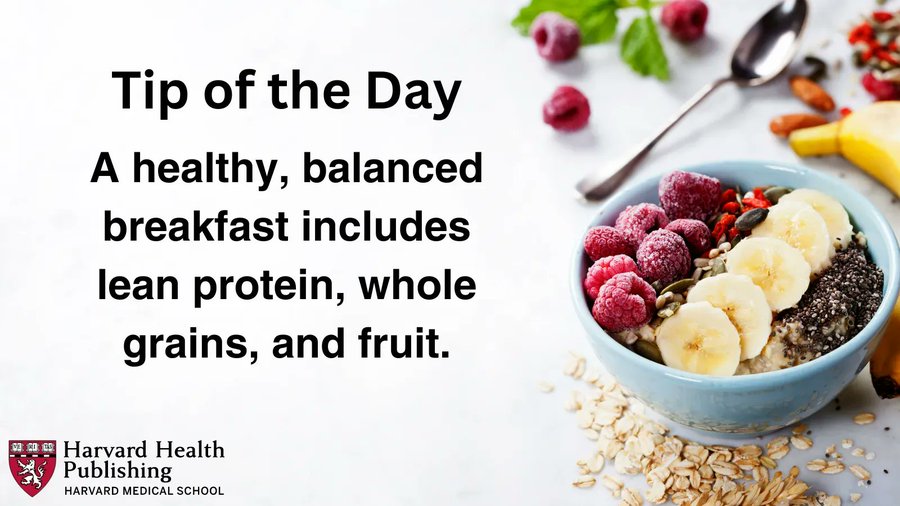
A creamy smoothie with crunchy toppings — in a bowl!
Ingredients
Smoothie base
1 1/2 cups plain yogurt
1 banana, frozen
1/2 cup orange juice
1 cup berries of your choice
1 tablespoon flaxseeds
1 scoop vanilla plant-based protein powder, optional
Toppings
1 tablespoon slivered almonds
1 teaspoon chia seeds
1 tablespoon pomegranate seeds
Directions
Blend all base ingredients together until smooth, adjusting for sweetness and thickness.
Serve immediately in a large bowl with toppings.
Ingredient health benefits
Yogurt: With probiotics and prebiotics to go around, yogurt is a great way to show your stomach some love. Yogurt is also a complete protein, which means it has all nine essential amino acids that your body needs to function properly (but can’t make on its own). And, most famously, it has calcium to keep your bones happy and healthy.
Bananas: Most everyone knows that bananas are a great source of potassium, but there’s so much more to this zany-looking fruit than popular knowledge conveys. Bananas also have magnesium and vitamin B6, which help regulate blood pressure and metabolism. And they have fiber to keep your gut working properly.
Flaxseed: This little seed really is worth the hype. Flaxseed is a source of omega-3 fatty acids (omega-3s, for short), which are vital for your body to function as it should. Flaxseed also has fiber and antioxidants that fight damaging free radicals and chronic inflammation.
Chia seeds: Another tiny seed with plenty of perks, chia seeds improve your digestion and promote the growth of good bacteria that keep your gut healthy. Their quirky ability to expand in fluid can help you stay fuller for longer when they’re in your stomach juices, which can be helpful if you’re trying to lose weight.
Pomegranate seeds: These little gems are as good for you as they taste. The squishy packets around the seeds contain juice that’s high in antioxidants, which might support the health of your heart. Pomegranate juice may also have cancer-fighting abilities, but research is ongoing. Still, incorporating pomegranates into a hearty, nutritious diet wouldn’t hurt!
Nutrition information (per serving)
Makes 4 servings Serving = 3/4 cup
Calories: 160 Carbohydrate: 27 g Sugars: 17 g Fiber: 4 g Saturated fat: 0.5 g Cholesterol: 5 mg Protein: 9 g Sodium: 70 mg
Protect and build muscle while getting essential amino acids and calcium with this protein
Milk really does do a body good. It’s high in calcium, vitamin D and potassium. And it’s also rich in a beneficial protein called casein (pronounced ”KAY-seen“).
If you’re a regular dairy milk drinker, you’re already getting some benefits of casein. But you may want to consider adding more casein to your diet. Athletes and bodybuilders have been using casein protein powder for years. But the benefits of casein aren’t just for pro sports players.
“Protein is a vital part of any balanced diet,” says registered dietitian Elyse Homan, RD, LD. “But different proteins have different effects. Understanding how each protein works is beneficial, especially if you’re supplementing with it.”
What is casein?
Casein is the main protein found in dairy milk, which includes the milk from:
Cows.
Goats.
Sheep.
Casein makes up about 80% of the protein found in milk. The other 20% comes from whey protein.
“When you think of curds and whey,” Homan says, “the solid part is casein protein, and the liquid part is whey protein.”
Help your tissues and organs change and grow as needed.
Protect your body from viruses and bacteria.
Support your body’s movement by providing cell structure.
Casein vs. whey
Casein and whey have a lot in common. They’re both:
Animal-based proteins.
Complete proteins — they contain all the amino acids your body needs.
Excellent sources of calcium.
Found in dairy milk.
The main difference is that casein is a slower-digesting protein than whey. “Casein forms a gel-like substance in your stomach,” Homan explains. “It releases more slowly than other proteins and takes longer for your body to absorb.”
Casein protein benefits
Getting the recommended daily amount of protein helps you stay healthy. But casein’s slow absorption also gives it some added advantages. The health benefits of casein include:
1. Gives you all the essential amino acids
Amino acids combine to form proteins. There are 20 amino acids that your body needs to work correctly, and they join in various ways to create different proteins.
Your body makes some of the amino acids it needs, but there are nine essential amino acids that your body can’t produce — you must get them from food. Casein is a complete protein and has all nine essential amino acids.
2. Reduces muscle breakdown
Your cells rely on regular “feedings” of amino acids to continually make proteins. When you go without eating overnight or during an extended fast, your cells may not get the needed amino acids. As a result, they look for those amino acids elsewhere and break down your body’s muscles to get them.
As a slow-release protein, casein provides your cells with the amino acids they need over a long period. The slow absorption consistently feeds your cells with amino acids, allowing muscles to recover instead of breaking down.
3. Promotes muscle growth
Casein contains a high amount of leucine, an amino acid that regulates metabolism (how your body changes food into energy) and helps build and repair muscles. If you don’t typically consume a lot of protein, adding more leucine-heavy protein to your diet (like casein) can help your muscles grow when also engaging in regular exercise.
4. Provides a good source of calcium
The casein in milk is a good source of calcium, which is essential for teeth and bone health. Not getting enough calcium can lead to a loss of bone mass and increase your risk of osteoporosis (a disease that weakens your bones).
Casein protein powder may contain up to 50% of your recommended calcium intake — but always check the label to make sure that the protein powder is a good source of calcium.
How casein protein powder can help
Casein protein’s general health benefits are good for everyone. But using casein protein powder ensures you’ll get a more significant amount of casein each day. Talk to your healthcare provider about taking casein protein powder for:
Different types of proteins affect you differently after you eat them:
Whey protein, which you absorb quickly, makes you feel full immediately after ingesting it.
Casein’s slow rate of release helps you feel fuller longer.
One study found that participants who consumed casein protein powder before a meal ate less at that meal than people who had whey protein, egg albumin (made from egg whites) or water alone.
“Our bodies only absorb so much protein at one time,” Homan clarifies. “About 30 grams of protein per meal is a good amount to consume. If you plan to have more than one serving of casein powder daily, space it out.” It may help you stave off cravings and decrease snacking between meals, too.
Overnight muscle growth and recovery
Bodybuilders and athletes know that protein is key for building muscle. But keeping your body’s protein levels up overnight can be challenging. That is, unless you ingest casein immediately before going to sleep.
Research shows that consuming casein protein before bed balances your body’s protein level throughout the night. When your protein level stays consistent, muscles can continue to grow and recover — even though you’re not eating.
What to consider before taking casein
For most people, casein doesn’t cause any side effects. But Homan says certain people may need to avoid or limit casein if they have a condition such as:
Casein allergy
If you have a milk allergy, the proteins in milk trigger your immune system and cause it to overreact. People with a milk allergy are allergic to casein, whey or both.
A severe allergy can cause anaphylaxis. More mild symptoms of a milk allergy include:
“Casein allergies are not as common in adults as in children, but they do exist,” notes Homan. If you suspect you have a milk allergy, an allergist can do a test to figure out what you’re allergic to.
Lactose intolerance
Like all dairy products, casein contains the sugar lactose. If you have lactose intolerance, your small intestine can’t digest milk sugar. When you have dairy products, you may develop symptoms including:
“Casein supplements do have lower amounts of lactose,” Homan states. “If you’d like to include casein in your diet but have a lactose sensitivity, the supplement might not trigger it. Talk to your healthcare provider if you’re interested in taking a supplement.”
Protein restrictions
People with kidney disease often need to limit their protein. Too much protein can cause too much waste in your blood. If your kidneys can’t remove the waste, the buildup of toxins can lead to serious health complications.
“People with a protein restriction, such as those with kidney disease, don’t have to avoid casein,” Homan says. “But they do need to watch how much total protein they eat. Your healthcare provider can help you figure out the right amount.”
Sources of casein protein
There are two ways you can add casein to your diet:
Casein supplements
A powdered casein supplement can help you get high amounts of it, according to Homan. The most common form of casein powder is micellar casein, or you can get a rapidly absorbing type (casein hydrolysate). One serving typically contains 24 to 27 grams of protein. Mix with water to create a protein shake, or add it to smoothies, yogurt or baked goods.
“People looking to build muscle or get more protein in their diet should talk to their healthcare provider about adding casein,” she adds. “Supplementing with casein isn’t necessary if you have a healthy, balanced diet, but it can be helpful for some people.”
The U.S. Food and Drug Administration doesn’t regulate supplements. So, it’s a good idea to look for a casein supplement that underwent third-party testing. It’s usually a sign of a higher quality product.
Casein food sources
Anyone can benefit from casein, and you and your family probably already get it from the dairy products you consume, such as:
“Adding a dairy product to your breakfast is an easy way to get some casein every day,” Homan encourages. One glass of milk has 8 grams of protein — 6.4 grams (80%) of that protein is casein. “It’s great to start your day with a good protein source.”FACEBOOK
If you hear the term “longevity” and think only about living longer, you’re missing half the point.
“What we actually want is both more years and more of those years lived in good health,” says Dr. David Barzilai, a longevity physician and the medical editor of Harvard Health Publishing’s Special Health Report Pathways to Longevity. “Almost no one wants additional years of frailty and dependence; they want more years of feeling well, moving freely, thinking clearly, and staying engaged with the people and work they love.”
To that end, recent years have seen an explosion in interest in longevity and healthy aging, largely driven by “science that’s genuinely more exciting than it was a decade ago,” says Dr. Barzilai, also a lecturer at Harvard Medical School.
Lifestyle integral to longevity
While it’s clear that genetics play a role in living longer and staying healthy, lifestyle appears to be just as important. Five lifestyle patterns consistently show up in longevity research: movement, nutrition, sleep, stress management, and social connection.
“Good health is surprisingly unglamorous,” Dr. Barzilai says. “What matters most are the basics people already know about but rarely execute consistently over decades. There is no magic to it.”
Here, Dr. Barzilai expands on each of the five pillars of longevity.
Movement
Movement is the closest thing people have to a “master signal,” he says. “It improves nearly every system at once, from insulin sensitivity to brain health to bone density. And cardiorespiratory fitness is one of the strongest predictors of mortality we have ever measured.”
Dr. Barzilai recommends combining various forms of movement to maximize health, including twice-weekly resistance training and 150 minutes of moderate or 75 minutes of vigorous aerobic activity each week. “And everyday movement counts on its own,” he says. “Breaking up long stretches of sitting with two to three minutes of light activity measurably improves glucose and blood-pressure responses.”
Nutrition
Nutrition shapes the metabolic environment our cells live in day to day, governing blood glucose, inflammation, and the raw materials for muscle and repair, Dr. Barzilai says.
Healthspan vs. Lifespan
We’re living longer than ever—but are we living well?
Harvard Medical School’s Special Health Report, Pathways to Longevity, looks beyond “anti aging” hype to share what science really says about extending your healthspan—the years you stay strong, independent, and mentally sharp.
From nutrition and movement to sleep, stress, social connection, and the latest longevity drugs, this report turns complex research into clear, practical steps you can start now.
“The principles that have held up across decades of research are unglamorous and durable: build meals around whole foods,” he explains. “Get enough protein, which becomes more important, not less, as you age. And avoid the large blood glucose spikes you get from refined carbohydrate eaten on its own, which in practice means anchoring meals with protein, healthy fats, and fiber.”
Sleep
Sleep is fundamental to longevity because that’s when the body takes care of essential maintenance — clearing metabolic waste from the brain, consolidating memory, and resetting the hormones that govern appetite and stress, Dr. Barzilai says.
Experts recommend adults get seven to eight hours each night. Research also shows that consistency matters more than quantity. “That is encouraging,” he says, “because a steady wake time, weekends included, is something most people can actually manage.”
Stress reduction
Stress itself isn’t a problem, since our body’s acute stress response — which sharpens focus and fuels energy levels — can protect us from genuine threats.
“The trouble comes when it never switches off,” Dr. Barzilai says. “Chronic stress holds the body in a low-grade alarm state that, over years, wears on the cardiovascular and immune systems, disrupts sleep and metabolism, and appears to accelerate several of the underlying processes of aging.”
The most dependable ways to regulate stress are physical and social rather than purely mental, he says. “People reach for a relaxation app and overlook that movement, sufficient sleep, exposure to daylight, and time with people they trust are often the more powerful levers. Regular exercise in particular is one of the best-validated stress and mood interventions we have.”
Social connection
Social connection is probably the longevity pillar people neglect most, Dr. Barzilai says. “People will track their macros and their step count to the decimal and never think to protect their friendships with the same intentionality, even though the survival data on relationships rival the data on much of what they are measuring,” he says.
If you’re feeling isolated, try to make connecting with others a regular commitment rather than a grand gesture, he says. “Begin with one recurring, low-pressure point of contact: a standing weekly call with one person, a class or volunteer commitment that puts you in the same room with the same faces again and again, a daily walk somewhere you will see neighbors. Pick one recurring contact and protect it like an appointment, and treat a few real relationships with the same seriousness you would give your blood pressure or your exercise.”
Which pillar of longevity is most important?The habits most strongly linked to living a longer, healthier life are also some of the simplest: move regularly, eat well, sleep sufficiently, manage stress, and stay connected to others. But which one counts most? It’s impossible to gauge, says Dr. David Barzilai, a longevity physician and lecturer at Harvard Medical School.“How much each pillar matters depends heavily on where a given person is starting from,” he says. “For someone sedentary, adding movement is transformative. For someone running on five ragged hours of sleep, fixing sleep will do more than another workout. For someone isolated, rebuilding connection may be the highest-yield change of all.”“What I can say with confidence is that the most underrated pillar is social connection, and the most foundational day to day are sleep, physical activity, and nutrition, since they are the ground the others stand on,” Dr. Barzilai adds. “But the useful question is not which pillar wins in the abstract. It is which one you are personally weakest in right now, because that is where your next improvement will pay off most.”
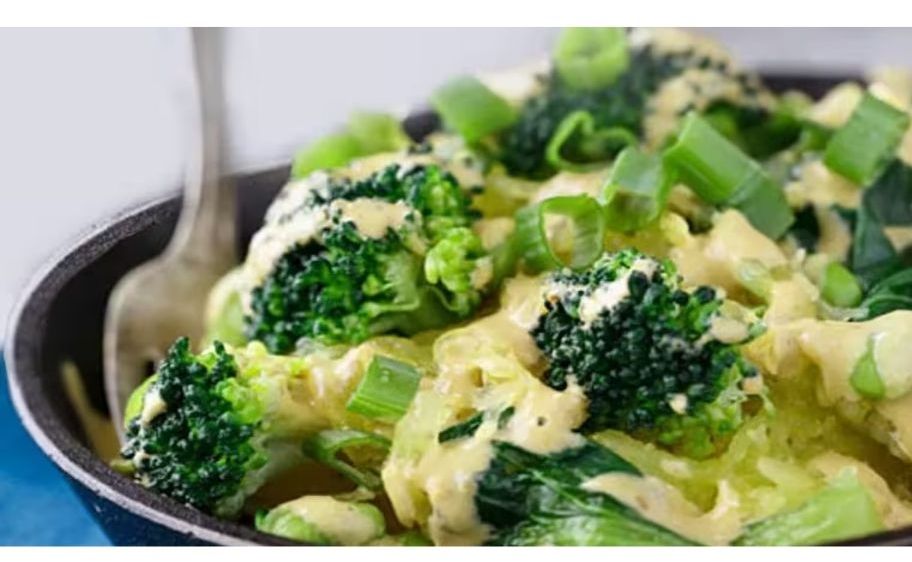
A healthy, Asian spin on your usual weeknight pasta dish
Luxurious coconut milk and peanut butter make a silky sauce — and a savory sweet topping for squash, edamame and broccoli.
Ingredients
1 large spaghetti squash 1 tablespoon olive oil Sea salt and freshly ground black pepper 1/2 cup no-added-sugar peanut butter 1 cup canned light coconut milk, plus more if needed 2 garlic cloves 1 1/2 teaspoons ground ginger 1 tablespoon soy sauce 1 1/2 teaspoons rice vinegar 1 large head broccoli, cut into bite-sized florets and steamed 2 bunches Swiss chard, roughly chopped and steamed 1 cup cooked edamame 1 bunch green onions or scallions, chopped, for garnish 1/2 cup chopped peanuts, for garnish
Directions
Preheat the oven to 400° F.
Line a baking sheet with foil and set aside.
Carefully cut the spaghetti squash in half lengthwise, using a large, sharp knife. Remove the seeds and stringy guts and discard or compost.
Brush the cut insides of the squash with 1 tablespoon of the olive oil. Season with salt and pepper.
Place the spaghetti squash, cut side down, on the prepared baking sheet and roast until tender, 45 to 60 minutes. When it’s done, the strands of the squash should fall off easily when scraped with a fork.
Remove from the oven and let the cooked spaghetti squash cool for about 5 minutes, then scrape all the flesh into a pile of strands in a large bowl.
Taste and season with more salt and pepper, if needed.
Place the peanut butter, coconut milk, garlic, ginger, soy sauce and rice vinegar in a blender, and blend on high speed until completely smooth; add a little more coconut milk if a thinner consistency is desired.
Mix the squash with the cooked broccoli, Swiss chard and edamame.
Divide equally among four bowls. Drizzle with the peanut sauce and sprinkle with the green onions and peanuts.
Nutrition information (per serving)
Makes 4 servings
Calories: 591 Total fat: 40.5 g Saturated fat: 7.9 g Trans fat: 0 g Cholesterol: 0 mg Sodium: 1121.1 mg Total Carbohydrate: 40.5 g Fiber: 14.1 g Sugar: 11.2 g Protein: 27.3 g
As you get older, a protein-rich diet becomes more and more important. Protein helps prevent the loss of muscle mass that happens with aging. Foods high in protein also can support energy levels and promote overall health.
But not all proteins are the same. Here’s why it’s important to vary the protein you eat — and how to make the change in your diet.
Most older adults eat more than enough red meat, poultry and eggs. But they don’t eat enough of other types of healthy protein, like fish, nuts and seeds, beans, and legumes.
Many people believe they need more red meat to meet their protein needs. While red meat is a source of protein, eating too much of it can be unhealthy.
Studies suggest that diets high in red meat and processed meats, like bacon or lunch meat, can increase the risk of heart disease, high cholesterol and certain cancers.
Best protein sources for healthy aging
Choosing the right sources of protein can have major health benefits.
Fish rich in omega-3s
Salmon, trout and sardines are rich in omega-3 fatty acids. These fats support heart health, lower inflammation and support brain health. Try to eat fish twice a week.
Protein-rich nuts and seeds
Almonds, walnuts, peanuts, chia seeds and flaxseed are not only rich in protein but also provide healthy fats and fiber. Make sure to buy nuts that aren’t salted for the best heart benefits.
Plant-based beans and legumes
Beans, lentils, chickpeas and peas are excellent plant-based sources of protein and fiber. They can help with digestion and improve gut health. Add them to soups, stews and salads for a filling and healthy meal.
Lean chicken and turkey
If you eat meat, choose lean meats like chicken or turkey breast with no skins. You can still eat red meat, but make it a treat once in a while rather than a regular dish.
Low-fat, protein-rich dairy
Low-fat dairy products like Greek yogurt and cheese are easy sources of protein. They also provide calcium and vitamin D, which are important for bone health.
How to eat more healthy protein
Making small changes to your diet can have a big impact on your health:
Find your favorite substitute for red meat
Experiment with bean burgers and fish tacos to enjoy variety and protect your heart.
Add nuts and seeds to your meals
Sprinkle them on salads, yogurt or oatmeal for a delicious and nutritious boost of protein, healthy fats and fiber.
Include beans and lentils in your cooking
Use them in soups, stews and casseroles to add plant-based protein and fiber to your diet.
Choose lean dairy options
Eat Greek yogurt or low-fat cheese to reduce saturated fat intake while still benefiting from protein and essential nutrients.
Include protein with each meal or snack
Aim for 35 grams at a time.
Combine protein and exercise for stronger muscles
To increase the benefit of a protein-rich diet, add resistance training to your day. You can use light dumbbells or resistance bands or do free-weight exercises like sit to stand, squats and pushups. These exercises help replace the muscle mass you lose with age.
Studies show that these exercises, when combined with protein intake, also can improve balance and walking speed. Researchers say that you’ll see the best results if you eat protein after exercise. So follow up your workout with a yogurt smoothie or a handful of nuts.
Do older adults need protein supplements?
Most people can get enough protein through a healthy diet with a variety of fish, nuts, beans, lean meats and low-fat dairy. But if you’re having trouble gaining weight or if you show signs of muscle loss, your healthcare team may recommend adding a protein supplement to your food.
Milk powders, whey protein and egg whites are examples of ingredients that sneak more protein into your food. Many people enjoy protein supplement shakes as well. They can be especially helpful if you need to gain weight but have a smaller appetite.
The risks and harms associated with drinking alcohol have been systematically evaluated over the years and are well documented. The World Health Organization has now published a statement in The Lancet Public Health: when it comes to alcohol consumption, there is no safe amount that does not affect health.
It is the alcohol that causes harm, not the beverage
Alcohol is a toxic, psychoactive, and dependence-producing substance and has been classified as a Group 1 carcinogen by the International Agency for Research on Cancer decades ago – this is the highest risk group, which also includes asbestos, radiation and tobacco. Alcohol causes at least seven types of cancer, including the most common cancer types, such as bowel cancer and female breast cancer. Ethanol (alcohol) causes cancer through biological mechanisms as the compound breaks down in the body, which means that any beverage containing alcohol, regardless of its price and quality, poses a risk of developing cancer.
The risk of developing cancer increases substantially the more alcohol is consumed. However, latest available data indicate that half of all alcohol-attributable cancers in the WHO European Region are caused by “light” and “moderate” alcohol consumption – less than 1.5 litres of wine or less than 3.5 litres of beer or less than 450 millilitres of spirits per week. This drinking pattern is responsible for the majority of alcohol-attributable breast cancers in women, with the highest burden observed in countries of the European Union (EU). In the EU, cancer is the leading cause of death – with a steadily increasing incidence rate – and the majority of all alcohol-attributable deaths are due to different types of cancers.
Risks start from the first drop
To identify a “safe” level of alcohol consumption, valid scientific evidence would need to demonstrate that at and below a certain level, there is no risk of illness or injury associated with alcohol consumption. The new WHO statement clarifies: currently available evidence cannot indicate the existence of a threshold at which the carcinogenic effects of alcohol “switch on” and start to manifest in the human body.
Moreover, there are no studies that would demonstrate that the potential beneficial effects of light and moderate drinking on cardiovascular diseases and type 2 diabetes outweigh the cancer risk associated with these same levels of alcohol consumption for individual consumers.
“We cannot talk about a so-called safe level of alcohol use. It doesn’t matter how much you drink – the risk to the drinker’s health starts from the first drop of any alcoholic beverage. The only thing that we can say for sure is that the more you drink, the more harmful it is – or, in other words, the less you drink, the safer it is,” explains Dr Carina Ferreira-Borges, acting Unit Lead for Noncommunicable Disease Management and Regional Advisor for Alcohol and Illicit Drugs in the WHO Regional Office for Europe.
Despite this, the question of beneficial effects of alcohol has been a contentious issue in research for years.
“Potential protective effects of alcohol consumption, suggested by some studies, are tightly connected with the comparison groups chosen and the statistical methods used, and may not consider other relevant factors”, clarifies Dr Jürgen Rehm, member of the WHO Regional Director for Europe’s Advisory Council for Noncommunicable Diseases and Senior Scientist at the Institute for Mental Health Policy Research and the Campbell Family Mental Health Research Institute at the Centre for Addiction and Mental Health, Toronto, Canada.
We are missing the bigger picture
Globally, the WHO European Region has the highest alcohol consumption level and the highest proportion of drinkers in the population. Here, over 200 million people in the Region are at risk of developing alcohol-attributable cancer.
Disadvantaged and vulnerable populations have higher rates of alcohol-related death and hospitalization, as harms from a given amount and pattern of drinking are higher for poorer drinkers and their families than for richer drinkers in any given society.
“So, when we talk about possible so-called safer levels of alcohol consumption or about its protective effects, we are ignoring the bigger picture of alcohol harm in our Region and the world. Although it is well established that alcohol can cause cancer, this fact is still not widely known to the public in most countries. We need cancer-related health information messages on labels of alcoholic beverages, following the example of tobacco products; we need empowered and trained health professionals who would feel comfortable to inform their patients about alcohol and cancer risk; and we need overall wide awareness of this topic in countries and communities,” adds Dr Ferreira-Borges.
A healthy, Asian spin on your usual weeknight pasta dish
Luxurious coconut milk and peanut butter make a silky sauce — and a savory sweet topping for squash, edamame and broccoli.
Ingredients
1 large spaghetti squash 1 tablespoon olive oil Sea salt and freshly ground black pepper 1/2 cup no-added-sugar peanut butter 1 cup canned light coconut milk, plus more if needed 2 garlic cloves 1 1/2 teaspoons ground ginger 1 tablespoon soy sauce 1 1/2 teaspoons rice vinegar 1 large head broccoli, cut into bite-sized florets and steamed 2 bunches Swiss chard, roughly chopped and steamed 1 cup cooked edamame 1 bunch green onions or scallions, chopped, for garnish 1/2 cup chopped peanuts, for garnish
Directions
Preheat the oven to 400° F.
Line a baking sheet with foil and set aside.
Carefully cut the spaghetti squash in half lengthwise, using a large, sharp knife. Remove the seeds and stringy guts and discard or compost.
Brush the cut insides of the squash with 1 tablespoon of the olive oil. Season with salt and pepper.
Place the spaghetti squash, cut side down, on the prepared baking sheet and roast until tender, 45 to 60 minutes. When it’s done, the strands of the squash should fall off easily when scraped with a fork.
Remove from the oven and let the cooked spaghetti squash cool for about 5 minutes, then scrape all the flesh into a pile of strands in a large bowl.
Taste and season with more salt and pepper, if needed.
Place the peanut butter, coconut milk, garlic, ginger, soy sauce and rice vinegar in a blender, and blend on high speed until completely smooth; add a little more coconut milk if a thinner consistency is desired.
Mix the squash with the cooked broccoli, Swiss chard and edamame.
Divide equally among four bowls. Drizzle with the peanut sauce and sprinkle with the green onions and peanuts.
Nutrition information (per serving)
Makes 4 servings
Calories: 591 Total fat: 40.5 g Saturated fat: 7.9 g Trans fat: 0 g Cholesterol: 0 mg Sodium: 1121.1 mg Total Carbohydrate: 40.5 g Fiber: 14.1 g Sugar: 11.2 g Protein: 27.3 g
Any extra calorie burn from exercising in cold or hot temps is minimal
Everyone has their preferences for how they want to exercise. Some like to wear layers and turn up the heat when pumping iron. Others like to run for miles, no matter how cold it is outside. But have you ever given any thought to how many calories you’re burning when it’s cold or hot — and if one burns more calories than the other?
Sports medicine physician Matthew Kampert, DO, shares how temperature can affect physical fitness and which temps are best for your workouts.
Is cold or hot weather better for burning calories?
It takes a lot of energy — in the form of calories — to keep you alive. Even when you’re at rest, your body is constantly burning calories to do vital things like keep your heart beating.
It also takes calories to keep your core body temperature at about 98.6 degrees Fahrenheit (37 degrees Celsius). If your body gets too hot or too cold, it burns extra calories to get your core body temperature back to a healthy range. This process is called thermoregulation.
“The harder your muscles work, the more calories you burn,” says Dr. Kampert. “So, if you’re exercising in hotter or colder weather, your body has to work harder to regulate its temperature while you’re exercising.”
Both cold and hot weather can slightly increase the number of calories your body burns. But for most people, the difference is so small that it won’t have much impact on weight loss. It’s the workout itself that’s responsible for burning most of your calories.
Dr. Kampert explains how calorie burn changes in both cold and hot environments.
Burning calories in the cold
In colder environments, your body works to keep your core temperature from dropping. To do that, it first tries to conserve heat. If that’s not enough, it starts generating more heat. This process involves several different mechanisms, such as:
Vasoconstriction: Your blood vessels narrow and send less warm blood to the surface of your skin to help reduce heat loss.
Shivering: When you’ve got the chills, your muscles automatically burn calories and generate heat by rapidly contracting and relaxing.
“Your muscles require energy every time they move, even when it’s an involuntary action like shivering,” explains Dr. Kampert. “You may burn a few extra calories when you’re cold, but the increase is small and isn’t enough to make exercising in cold weather a weight-loss strategy.”
Plus, without proper protection and enough layering, long-term exposure to cold weather could lead to injury and impact dexterity, flexibility and muscle strength.
Burning calories in the heat
Some people intentionally exercise in the heat or wear extra layers to make themselves sweat more, thinking it will help them burn more calories. But sweating doesn’t always equal an increase in calorie burn. It’s simply your body’s way of cooling itself down through thermoregulation.
When your body overheats, it works to lower your core temperature to healthy levels. It does this primarily through:
Vasodilation: Your blood vessels widen to send more warm blood to the surface of your skin, allowing heat to escape.
Sweating: Sweat evaporates from your skin, carrying heat away from your body and helping prevent overheating.
“Sweat evaporates more easily in hot, dry environments,” says Dr. Kampert. “In humid environments, the air is already saturated with water vapor, so it becomes harder for your body to cool itself down and harder to exercise.”
Trying to make yourself sweat more by exercising in extreme heat or wearing heavy clothing isn’t an effective weight-loss strategy. Instead, it can increase your risk of:
Dehydration
Heat cramps
Heat exhaustion
Heatstroke
A better approach to working out in any temp
Working out in extreme temperatures poses significant risk for older adults, young children and others with a reduced ability to regulate body temperature.
Check in with your healthcare provider before exercising in cold or hot temps if you:
Have cardiovascular disease
Have diabetes
Have obesity
Take certain medications, like blood thinners
“If your goal is to burn more calories, the intensity, duration and consistency of your workout matter far more than the temperature of your surroundings,” stresses Dr. Kampert. “When exercising, focus on training safely and be prepared for inclement weather.”
Avoid wearing too many layers or accessories on your next cold run. Excess sweat can cool your body too quickly after exercising, making you feel colder. Instead, Dr. Kampert suggests wearing:
A synthetic moisture-wicking base layer, like nylon or polyester
An insulating middle layer, like fleece or wool
A windproof or weatherproof outer layer
When it comes to the heat, stick to clothing that’s:
Lightweight
Light-colored
Loose fitting
In either case, you want to stay hydrated and take things slow. If you feel dizzy or distressed, or if something doesn’t feel right, stop what you’re doing and head inside for recovery.
“Exercising in extreme temperatures increases the intensity of a workout, but it comes with its own set of risks and won’t increase how many calories you’re burning in any significant way,” reiterates Dr. Kampert. “If you’re looking to burn more calories, try progressing your workouts by increasing the amount of sets, reps or weight you’re lifting.”