Skip to content
Healthaware

Healthaware

Health is Wealth

  • Home

Tag: heart health

Posted on January 4, 2026

Tired of plain fruit? Add some tang with this yogurt dressing. This dish is not only colorful, bright and fun, but also high in potassium, an important nutrient! @ClevelandClinic

Recipe: Pineapple Yogurt Fruit Salad

Make fruit more fun for kids — and adults!

Ingredients

  • 1 tablespoon sugar free lemonade drink powder mix
  • 1 cup fat-free plain Greek yogurt
  • 15-ounce can of pineapple tidbits, in juice, drained
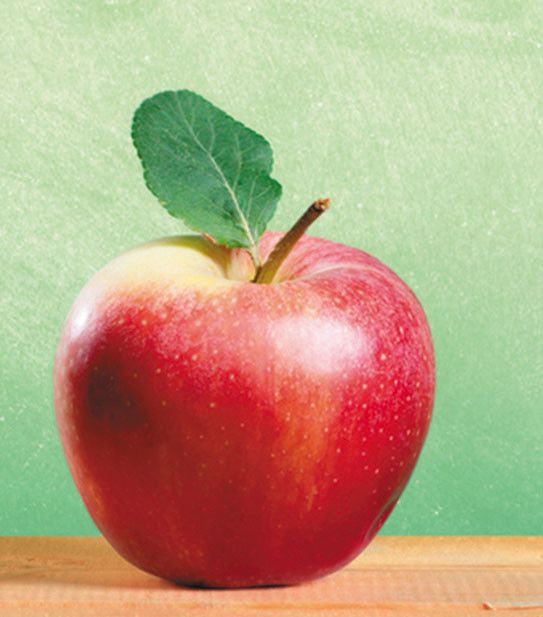
  • 1 medium granny smith or other green apple, cut into small chunks
  • 1 cup red grapes, each cut in half
  • 2 medium bananas, sliced into coin shapes
  • 1/4 teaspoon cinnamon

Directions

  1. Combine lemonade powder mix and yogurt in medium bowl.
  2. Add all fruit and stir until well-combined.
  3. Sprinkle cinnamon on top.
  4. Refrigerate. Serve chilled.

Nutrition information (per serving)

Makes 6 servings

Calories: 140
Fat: 0 g
Saturated fat: 0 g
Sodium: 15 mg
Protein: 4 g
Carbohydrates: 32 g
Sugars: 24 g
Dietary fiber: 3 g

Posted on January 4, 2026

Recipe: Caramelized Pineapple With Raspberries @ClevelandClinic


Cleveland Clinic

@ClevelandClinic
·
28m

This is a last-minute dessert that can be made post-dinner, while you brew the coffee and finish clearing the table

health.clevelandclinic.org
Recipe: Caramelized Pineapple With Raspberries
A refined, refreshing and quick dessert that will impress your guests

This is a last-minute dessert that can be made post-dinner, while you brew the coffee and finish clearing the table. Have ingredients and equipment ready beforehand — just be sure to turn the pineapple once and give the skillet a couple of shakes and voila! You’ll have a delightfully sweet dessert ready at your fingertips.

Ingredients

1/4 cup sugar
1/4 cup sugar substitute
1 pineapple, peeled, cored and sliced into six wedges lengthwise
Butter-flavored cooking spray, refrigerated
1 tablespoon trans-fat free margarine
2 tablespoons Cognac or fresh orange juice
1 cup fresh raspberries

Directions

  1. Combine the sugar and sugar substitute. Sprinkle half of the mixture over one side of the pineapple. Turn and sprinkle the rest on the other side.
  2. Lightly coat a large non-stick skillet with cooking spray. Add the margarine and melt over high heat. Place the pineapple in the skillet and cook, turning once and shaking the pan often, until it turns golden brown, 10 to 15 minutes. (The pineapple can be prepared to this point and held for one hour.)
  3. Transfer the pineapple wedges to six dessert dishes, leaving the sauce that has formed in the pan.
  4. Stir the cognac into the pan to thin the sauce. Heat briefly. Drizzle the sauce over the pineapple and sprinkle with equal portions of the raspberries. Serve warm.

Nutritional information (per serving)

Makes 6 servings

Calories: 118
Total fat: 3 g
Protein: 0.1 g
Carbohydrate: 22 g
Dietary fiber: 2 g
Cholesterol: 0 mg
Sodium: 0 mg
Potassium: 122 mg

— Cleveland Clinic Healthy Heart Lifestyle Guide and Cookbook (© 2007 Broadway Books).

Posted on December 31, 2025

Measuring how well a person is aging can be as simple as standing on one leg @MayoClinic #neuromuscular

Measuring how well a person is aging can be as simple as standing on one leg. It may not be easy for everyone to maintain balance on one leg, but according to Mayo Clinic research, it can be a reliable measure of neuromuscular aging.⁠
⁠
Learn more: https://t.co/3qnOtIyrQr pic.twitter.com/LhHwd70LJL

— Mayo Clinic (@MayoClinic) December 4, 2024
Posted on December 31, 2025

“When you create a meal centered around vegetables, you’re taking steps to improve and maximize your health,” says Liz Moore @HarvardHealth #nutrition

Harvard Health

@HarvardHealth

·

25m

“When you create a meal centered around vegetables, you’re taking steps to improve and maximize your health,” says Liz Moore, registered dietitian at Beth Israel Deaconess Medical Center. Try these three meals today. — #HarvardHealth #Diet #Nutrition

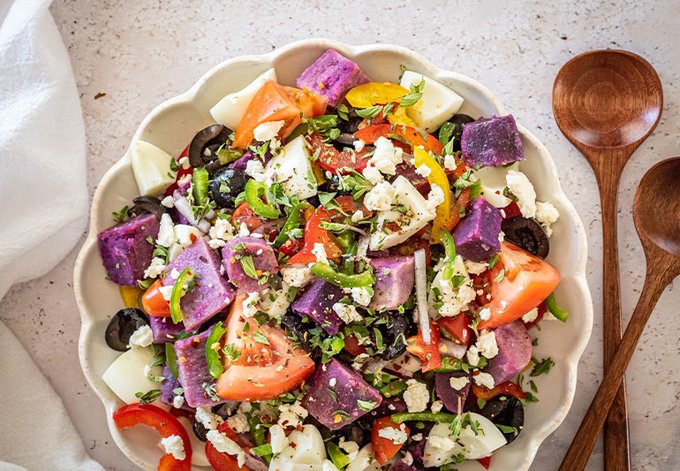
Meatless Mondays, meet summer’s bounty: a wide variety of colorful, fresh summer vegetables now available in grocery stores, backyard gardens, and farmer’s markets. We’re talking sunshiny golden corn on the cob, deep purple eggplant, red beets, peppers of all hues, not to mention tomatoes, zucchini, green beans, cucumbers, and more. With a bit of simple prep, they’re ready to take center stage on your plate, reinforcing the joy of summer.

“Vegetables in our diet provide many benefits. And when you create a meal centered around them, you’re taking steps to improve and maximize your health,” says Liz Moore, the author of a heart-healthy cookbook and a registered dietitian at Harvard-affiliated Beth Israel Deaconess Medical Center.

Centering healthy vegetables on your plate

Making vegetables the stars of a meal is part of the “veg-centric” movement, which teaches people how to elevate even average vegetables to creative entrées and side dishes. The trend gives vegetables bold flavors by grilling, layering, caramelizing, or roasting them — steps you can take with a backyard grill or stovetop skillet.

Summer veggie meals have lots of important health perks. “Vegetables such as eggplant and beets of all colors are rich in fiber, Moore says. “Eating a high-fiber diet helps lower cholesterol and is linked to heart health, digestive health, and helping to maintain stable blood sugar levels. For those trying to lose weight, vegetables are low in calories and provide volume, which helps keep you full.”

Summer vegetables also have a wide variety of essential vitamins, minerals, and phytochemicals (beneficial plant chemicals) like flavonoids. “For example, carotenoids in cooked tomatoes are rich in lycopene, which is associated with inhibiting cancer growth and boosting the immune system. And beets are a good source of folate and potassium,” Moore says.

Three easy summer vegetable meals

Wondering what to do with the colorful harvest available to you? Moore suggests keeping it simple by making a meal of vegetables paired with whole grains or legumes (beans or lentils). Here are three meals that fill the bill.

Grilled eggplant steak with cucumber, tomato, onion, chickpea, and feta salad

  1. Slice an eggplant (from root to stem) into three-inch thick “steaks.” On each side, drizzle olive oil and a little black pepper. Grill on both sides until tender.
  2. Dice two tomatoes, one cucumber, and half a red onion. Add a can of rinsed, drained chickpeas. Toss with a dressing of olive oil, a little red wine vinegar, and oregano to taste.
  3. Serve the salad over the eggplant steak. Top with some diced feta cheese, if you like.

Veggie pita pocket with gazpacho

  1. Put a couple of tomatoes, a cucumber, a green pepper, half a red onion, some bread crusts, and a little olive oil into a blender. Blend until chunky or finer, as you prefer. Add salt, pepper, and cumin to taste, blending for a few more seconds. Chill for 30 minutes.
  2. Open a whole-wheat pita and spread a tablespoon of hummus inside. Add slices of zucchini and carrots, and some arugula, salad greens, or other vegetables that appeal to you.
  3. Serve the pita with half a cup of the gazpacho.

Quinoa-stuffed red peppers

Based on a recipe from BIDMC’s CardioVascular Institute’s Hungry Heart Cookbook by Liz Moore, RD, LDN

  1. Cut peppers in half, remove seeds, and lay them open side up on a dish.
  2. Mix cooked quinoa, diced tomatoes, and corn off the cob (you can grill the corn first and cut off the kernels for a special summer flair). Add low-fat grated cheddar cheese, canned (rinsed) black beans, one egg, and some spices to taste, such as a bit of cumin, chili powder, salt, and pepper.
  3. Use the mixture to stuff the peppers evenly, and then cook them on the grill in a grilling basket for about 30 minutes. You can also cook them in the oven at 350° F on a cookie sheet or in a roasting pan, checking at 30 minutes to see if they are done.

Other ideas include

  • grilled veggie kebabs with chunks of eggplant, zucchini, cherry tomatoes, and mushrooms. Serve on a bed of lettuce and add a little goat cheese.
  • whole-wheat pasta with a mix of sautéed vegetables that appeal to you.
  • salad with green leaf lettuce, raw green beans, cherry tomatoes, Kalamata or black olives, and half a hard-boiled egg. Top with a dressing you enjoy.

Which combinations of summer vegetables you choose can depend on cost, taste preferences, and how much time you want to spend cooking. If you’re in a hurry, go with a salad. If you have more time, try grilling or sautéing vegetables.

Finally, be open to inspiration from the bounty you see at the market. “Focus on getting a variety of colors in the vegetables you choose. The more colors there are on the plate, the more nutrients you’ll be consuming,” Moore says. “And try something new. Explore vegetables you’ve never tried before or new methods of cooking. Think of it as one of summer’s glorious adventures.”

About the Author

photo of Heidi Godman

Heidi Godman, Executive Editor, Harvard Health Letter

Heidi Godman is the executive editor of the Harvard Health Letter. Before coming to the Health Letter, she was an award-winning television news anchor and medical reporter for 25 years. Heidi was named a journalism fellow … See Full Bio

View all posts by Heidi Godman

Posted on December 28, 2025

How Alcohol Affects Your Heart @ClevelandClinic #heartaware

You likely know that drinking alcohol too often or to excess isn’t a good idea, health-wise. But when it comes to alcohol and heart health, you may have heard different sides. Is drinking all that bad for your heart? Can a glass of wine help reduce your risk of heart disease — or make it worse? 

First things first: If you drink alcohol, you should do so in moderation to avoid alcohol-related heart issues. And you should never intentionally use alcohol to try to reduce your risk of heart disease. 

To further explore the relationship between your ticker and your favorite glass of merlot or IPA, we chatted with cardiologist Leslie Cho, MD.

Ways alcohol can impact heart health

Here are some of the effects of alcohol on your heart:

Increased heart rate

One of the most important things your heart does is keep a rhythm. On average, a regular heart rate is about 60 to 100 beats per minute when your body is at rest. But alcohol can lead to your heart rate temporarily jumping up in speed, and if it goes over 100 beats per minute, it can cause a condition called tachycardia. Too many episodes of tachycardia could lead to more serious issues like heart failure or going into irregular rhythms, which can cause heart attack and stroke.

Raises blood pressure

That fourth drink at the bar may feel like it’s relaxing you, but it’s actually affecting your body differently than you might think. Alcohol can affect your blood pressure, causing it to go up temporarily. This is especially true when you engage in binge drinking (that’s defined as four or more drinks within two hours for women and people assigned female at birth, and five or more drinks within two hours for men and people assigned male at birth).

And sure, we’ve all had a night here or there where we’ve had one too many and we know it. But it’s important to make sure those nights of overindulgence are the exception and not the rule. If you’re not sure, make a note to tune into how much you’re having over the course of the next month or so. If it’s more than recommended, try to consciously pace your drinking to help reduce the spike in your blood pressure that excessive alcohol causes. 

And if you have a history of high blood pressure, it’s best to avoid alcohol completely or drink only occasionally, and in moderation. 

Irregular heartbeat

Whether it’s a glass of red wine with your turkey or toasting champagne for the new year, alcohol definitely becomes more present during the holiday season. And while enjoying celebratory spirits in moderation is alright for most people, it’s important to be aware you can fall victim to holiday heart syndrome if you overdo it. This is when overeating and overindulging in alcohol lead to an irregular heartbeat.

Holiday heart syndrome can happen if you don’t typically drink alcohol, but then have a few at a holiday party or if you binge drink. This can cause you to develop an irregular heartbeat, called atrial fibrillation, which can increase your risk of stroke, heart attack and heart failure.

Prolonged drinking can cause alcoholic cardiomyopathy

The short-term effects of alcohol (headache, nausea, you know the rest) are easy to pinpoint. But there are ways that alcohol affects your body over time that are important to understand. One of the long-term effects of alcohol on your heart is alcoholic cardiomyopathy. This is when your heart-pumping function gets weaker and your heart gets larger due to changes from heavy alcohol use over a long period of time.

OK, don’t panic. If you’re an occasional drinker, there’s no cause for worry. But it may be worthwhile learning about what counts as binge drinking and whether or not you may be drinking too much and don’t even know it.

Is some level of alcohol safe or beneficial?

It’s true, red wine is a better choice than hard liquor. But can a trip to the wine bar boost your heart health?

You should never consider wine or any other alcohol as a way to lower your heart disease risk. And, in fact, the study also showed that drinking one or fewer drinks per day was related to the lowest likelihood of dying from a stroke. However, Dr. Cho points out that more recent data shows that there may be no amount of alcohol that is truly safe. “The myth that wine is beneficial for heart health is no longer true,” she states.

“It’s not a good idea to start drinking alcohol in an effort to lower your risk of heart disease,” Dr. Cho continues. “It’s better not to drink any alcohol at all.” 

The American Heart Association recommends the same. 

Other factors to keep in mind

It’s also important to know that the ways in which alcohol affects your heart will vary from person to person, depending on your age and other conditions you may have.

Age

Let’s face it, a hangover in your mid-40s doesn’t feel the same as one in your early 20s. This is because your age plays a factor in how well you tolerate alcohol. While some people develop a tolerance to alcohol over time, this isn’t true for everyone — and this ability doesn’t last forever, Dr. Cho notes.

“As we get older, our ability to clear alcohol definitely decreases and our sensitivity to alcohol probably increases,” she explains. “Also as we get older, we end up having more diseases, so we could be on medicines that can interfere with the way our bodies metabolize alcohol.”

Other medical conditions

In many ways, your medical history (and present) can tell you a lot about your future with alcohol. That means, if you’re living with other medical conditions and/or taking certain medications, this will all have an impact on how alcohol affects you.

“Certain health conditions can make drinking alcohol more dangerous,” Dr. Cho says.

For example, some people who are on cholesterol-lowering medicines may experience muscle aches when they drink alcohol. Because alcohol and cholesterol medicine both are processed through your liver, they are, in a sense, competing for clearance. So, it’s important to think about your overall health and talk to a healthcare provider about your personal risk factors.

“Alcohol is made out of sugar,” Dr. Cho points out. “So, if you’re predisposed to diabetes or if high triglycerides are one of your issues, it’s not a good idea to drink alcohol.”

Dr. Cho also warns that if you have liver dysfunction or take other medicines that are processed through the liver, your risks might be different. Talk to your healthcare provider about how alcohol might interact with your prescription medicines.

The last thing you want is for that casual drink after work or glass of wine at dinner to negatively impact your heart health. There’s a way to have a healthy, balanced relationship with alcohol that lets you enjoy a drink occasionally and celebrate with friends and family. But your heart is an important organ that should also be cared for, so be sure to drink in moderation, learn about binge drinking and know what your body can (and can’t) tolerate before opening that tab.FACEBOOKTWITTERLINKEDINPINTERESTEmailalcoholalcohol and healthalcoholic beveragesbinge drinkingheart health

Posted on December 28, 2025

Recipe: Spanish Omelet With Veggies and Cheese @ClevelandClinic

Recipe: Spanish Omelet With Veggies and Cheese

Omelets are a great choice for a one-skillet meal, and our recipe delivers on nutrition and taste! This meatless dinner option provides 100% of your daily vitamin C and is a good source of calcium.

Ingredients

  • 5 small potatoes, sliced
  • Vegetable cooking spray
  • 1/2 medium onion, minced
  • 1 small zucchini, sliced
  • 1 1/2 cups green/red peppers, sliced thin
  • 5 medium mushrooms, sliced
  • 3 whole eggs, beaten
  • 5 egg whites, beaten
  • 1/4 teaspoon pepper
  • 1/2 teaspoon garlic powder
  • 1/4 teaspoon oregano
  • 3 ounces shredded part-skim low-fat mozzarella cheese
  • 1 tbsp grated Parmesan cheese

Directions

  1. Preheat oven to 375 F.
  2. Cook potatoes in boiling water until tender, about 12 minutes.
  3. In a nonstick pan, add vegetable spray and warm at medium heat.
  4. Add onion and sauté until brown. Add vegetables and sauté until tender but not brown.
  5. In a medium mixing bowl, slightly beat eggs and egg whites, pepper, garlic powder, oregano and low-fat mozzarella cheese. Stir egg-cheese mixture into the cooked vegetables.
  6. In a 10-inch pie pan or ovenproof skillet, add vegetable spray and transfer potatoes and egg mixture to pan. Sprinkle with low-fat parmesan cheese and bake until firm and brown on top, about 20 to 30 minutes.
  7. Remove omelet from oven, cool for 10 minutes, and cut into five pieces.

Ingredient health benefits

  • Potatoes: Don’t let their higher carb and caloric content scare you; in moderation, these starchy vegetables are delicious and nutritious. Potatoes are full of vitamins and minerals like vitamin C , which boosts your immune system, and vitamin B6, which suppresses inflammation and promotes brain health. To get the most out of your potatoes, cook them with the skin on.
  • Onions: This allium is more famous for its potent aroma than its health perks, but rest assured, there are plenty to go around. For instance, onions have chemicals called flavonoids that fight inflammation and help lower blood pressure. And in addition to being a good source of fiber, onions contain prebiotics, which feeds the good bacteria in your gut so they can keep your whole body healthy.
  • Zucchini: If you’re looking for foods with head-to-toe benefits, consider adding squashes like zucchini to your diet. Nutritional highlights include calcium, vitamin A and vitamin C — all of which support strong bones and healthy eyes. Squashes are also a good plant source of iron, which keeps your blood cells happy.
  • Red bell peppers: These members of the nightshade family are an excellent, nutrient-dense addition to any meal. Red bell peppers are chock full of vitamins like vitamin E and vitamin B9 (folate). They also contain anthocyanins, which are natural plant pigments that protect your heart, help lower your blood pressure and might support your brain function.
  • Mushrooms: Though these fungi may be small, they’re a mighty culinary ingredient. Mushrooms are full of antioxidants, which help protect your cells from damage by free radicals. And they have compounds that stimulate your immune system to fight invaders and, potentially, cancer. Other properties found in mushrooms also support the health of your heart, gut and brain!
  • Eggs: A perfect example of how good things come in small, oval-shaped packages. Eggs are rich in vitamins like vitamin B12, which is essential for your blood cells and nerve cells to work properly. Eggs also have lutein, a carotenoid that helps preserve your vision. Egg whites have about 60% of the protein found in an egg.

Nutrition information (per serving)

Makes 5 servings

Calories: 290
Total fat: 6 g
Saturated fat: 2.5 g
Trans fat: 0 g
Cholesterol: 120mg
Sodium: 250 mg
Total carbohydrate: 43 g
Fiber: 6 g
Sugars: 5 g
Protein: 18 g

— Recipe courtesy of Digestive Disease Health Team Dietitians.

Posted on December 26, 2025

Running is good for you  👍🙏  #BlackrockHealth

Posted on December 25, 2025

Movement is Life 🧬@HealthBlackrock 💜❤️

Blackrock Health

@HealthBlackrock

·

Feb 9

Blood pressure, cholesterol, alcohol, diabetes, smoking, overweight, stress and sleep all affect the risk of developing heart disease. Learn more about your modifiable risks and help protect your heart here.

https://croi.ie/heart/risk-factors/

Risk Factors • Croi Heart & Stroke Charity

Risk Factors For Heart Disease & Stroke A risk factor is anything that raises a person’s chance of developing heart disease and stroke. There are two types of risk factor, … Risk Factors Read More »

Posted on December 23, 2025

Intuitive eating is an approach to food that focuses on identifying and trusting your hunger cues @ClevelandClinic

Intuitive eating is an approach to food that focuses on identifying and trusting your hunger cues. Studies show that it’s associated with: – Positive body image and self-esteem – Lower rates of disordered eating – Higher general well-being Intuitive eating isn’t a free-for-all —… pic.twitter.com/I7IYddV90a

— Cleveland Clinic (@ClevelandClinic) July 18, 2025
Posted on December 20, 2025

Colorful fruits and vegetables are packed with phytonutrients that help calm inflammation — a natural process that, when chronic, can contribute to heart disease, arthritis and diabetes. by Tamara Soerense @MayoClinic

Can eating the rainbow help to reduce inflammation?

11/6/2025 by Tamara Soerense

nFruitRainbow

Inflammation is a natural process initiated by the immune system in response to illness, trauma, toxins, physical stress and chronic disease. While acute inflammation is protective and allows our bodies to heal, it can become harmful if it persists, leading to chronic inflammation. Chronic inflammation, in turn, can lead to conditions such as arthritis, heart disease, and diabetes.

Several foods can contribute to inflammation. These include highly processed foods, refined carbohydrates, or foods high in added sugars. Conversely, other foods can help calm the immune system, decreasing inflammation.

Let’s explore which foods help lower inflammation and how they can be incorporated into an anti-inflammatory diet.

  • Fruits and Vegetables: Colorful fruits and vegetables naturally contain various phytonutrients and bioactive compounds that help keep inflammation in check. These foods form the foundation of the anti-inflammatory diet and can be enjoyed in abundance. For an extra boost of protection, try drizzling antioxidant-rich olive oil on your veggies..
  • Protein: Choose primarily from plant-based sources such as legumes, soy, nuts, and seeds, with smaller amounts from lean cuts of animal protein and fatty fish. The fats in these proteins, mainly monounsaturated and omega-3, play a significant role in combating inflammation. The American Heart Association recommends 6 to 8 ounces of fatty fish and 5 ounces of legumes, nuts, and seeds per week.
  • Whole grains: Whole grains contain all parts of the grain, whereas refined grains remove the germ and bran, eliminating important inflammation-reducing compounds. Of these, fiber is a bit of a superstar, shown to help reduce blood sugar and cholesterol levels. Aim for at least 50% of your grains from whole grain sources, such as rolled oats and brown rice.
  • Herbs and Spices: Herbs and spices add flavor to your food and help reduce oxidative stress, which can trigger inflammation. Add ginger, turmeric, clove, cinnamon, oregano, and garlic to your next meal.

What change can you make today to shift your body into a less inflamed state?

Consider adding one colorful fruit or vegetable to your diet each day. Suggestions include tomatoes, oranges, yellow bell peppers, arugula, blueberries, pumpkin and broccoli.

Tamara Soerensen completed her bachelor’s degree in biology at the University of California, Santa Barbara and her master’s in nutrition at Bastyr University. She is currently a dietetic intern at Mayo Clinic in Rochester, Minnesota. Special interests include digestive health and the utilization of diet for disease prevention.

Posts pagination

Previous page Page 1 … Page 13 Page 14 Page 15 … Page 96 Next page

Tags

  • Alcohol
  • Cleveland Clinic
  • Depression
  • diet
  • exercise
  • Female health
  • fitness
  • Harvard Health
  • Healthaware
  • heartaware
  • heart health
  • nutrition
  • physical activity
  • physiotherapy
  • yoga

Recent Posts

  • Take care of yourself — Reduce stress, rest when possible, hydrate and eat a balanced diet with an extra 500 calories a day @ClevelandClinic
  • Where there’s alcohol – there’s abuse.
  • “Catherine’s Rose” @the_rhs – Chelsea Flower Show 2025…2026 opens tomorrow
  • Walk,jog or bike it.The @WaterfordGrnWay is an outdoor activity that’s healthy and safe
  • Any form of exercise, from running to yoga, can act as a stress reliever.
  • Kate Middleton at the first ever #RHSChelsea Children’s Picnic #healthaware #kidshealth
  • Alcohol heightens the risk of dehydration @ClevelandClinic #sugarysweeteners
  • Jacinda Ardern says coronavirus ‘eliminated’ and life can resume without restrictions
  • Are your kids interested in sports or just want to feel stronger? @MayoClinic #physicalactivity
  • Kate Middleton at the first ever #RHSChelsea Children’s Picnic #healthaware #kidshealth
  • 4 Pillars of Practice @thecsp #physiotherapy
  • Biking is a good way to get your blood flowing..😍😃@ClevelandClinic #hearthealth
  • Recipe: Berry Smoothie Bowl @ClevelandClinic
  • Caffeine is one of the key ingredients that give coffee its benefits for skin care @clevelandclinic
  • Does honey work to soothe a sore throat and cough? Yes, says family medicine physician Elizabeth Rainbolt, MD.@ClevelandClinic 🍯
  • High temperature,infections widespread at this time of year @ClevelandClinic #childtherapy
  • Too much refined sugar, too much social media can cause a cascade of medical problems @HarvardHealth
  • Oneday there will be a gym in my practice with physical therapists and I will be prescribing exercise. @DrBrianHiggins
  • We are all learning as we go, and that is okay! @motherandbaby
  • Honey for sore throat and cough, heavy cold  @ClevelandClinic 🍯 🤮
Blog at WordPress.com.
  • Subscribe Subscribed
    • Healthaware
    • Join 1,723 other subscribers
    • Already have a WordPress.com account? Log in now.
    • Healthaware
    • Subscribe Subscribed
    • Sign up
    • Log in
    • Report this content
    • View site in Reader
    • Manage subscriptions
    • Collapse this bar

Loading Comments...