Using virtual reality, the CAREN system creates an immersive environment to safely challenge patients with neurological conditions. With a wrap-around screen and split-belt treadmill, see how we’re using it as a physical therapy tool for those with Parkinson's and more. pic.twitter.com/smGIL1fFJE
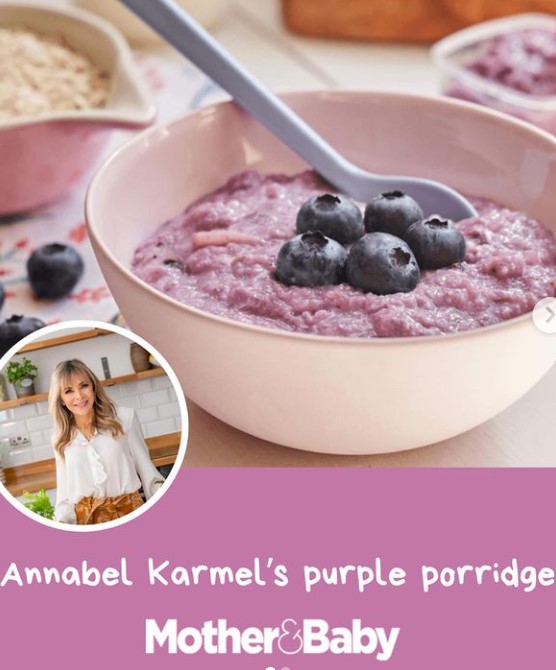
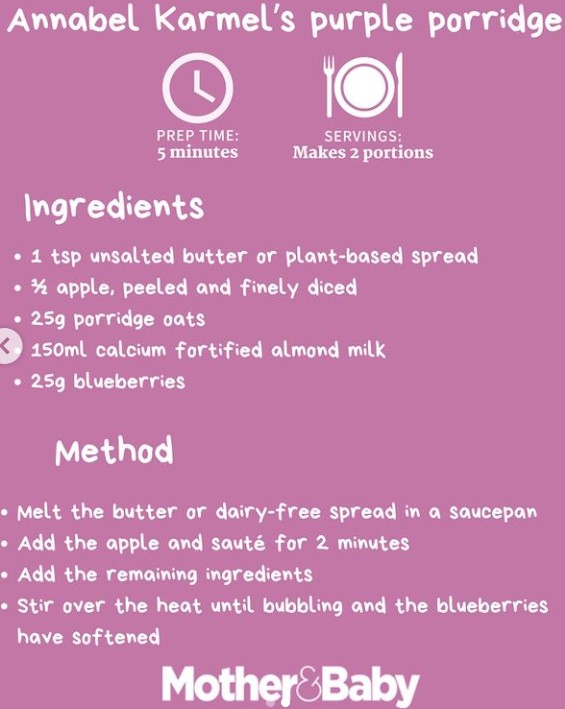
If you’re up for a breakfast change for your little one, try this no-fail Purple Porridge by cookbook author and child food expert @annabelkarmel. It’s an easy four step recipe. 👩🍳
Packed with nutritious oats for iron and zinc to strengthen the immune system, and sweet blueberries rich in vitamin C and antioxidants to support brain development. It’s a tasty and wholesome start to their day! 💜👶🏻🫐 #motherandbaby
On Friday’s #BBCMorningLive Dr Punam’s looking at the latest health news including how music could help people with dementia and that scientists may have found the cause of Multiple Sclerosis. If you have any health questions, email us morninglive@bbc.co.uk or reply below
Let’s start with some simple facts. Alcohol is a toxin. Alcohol is a factor in1: 30% of suicides 40% of fatal burn injuries 50% of fatal drownings 50% of homicides 65% of fatal falls 29% of fatal road traffic accidents Globally, alcohol is responsible for 3 million deaths per year; in the United States, it is the third leading cause of preventable death23. It is hard to see the upside when you see these figures. So let’s go a little deeper. First off, I drink alcohol. Not a lot. But I do drink. So any comments made here are not some puritanical position on alcohol but reflections on the data that exist in the literature. Multiple studies have demonstrated that excess alcohol consumption, usually defined as consuming greater than 2 to 4 drinks per day, is associated with worse outcomes and a greater likelihood of dying when compared to someone who drinks less than 2 to 4 drinks per day4. Alcohol Dosing and Total Mortality in Men and Women: An Updated Meta-analysis of 34 Prospective Studies. Arch Intern Med.2006
In the study shown above, females start to accrue an increased risk at greater than two drinks per day on average and males at greater than four drinks per day.
These findings shouldn’t come as a surprise to anyone.
Surprisingly, on average, individuals who consume less than two drinks per day appear to have better outcomes than those who do not drink at all. This is where things start to get a little counterintuitive, and the story of alcohol being beneficial for you starts to appear.
This relationship is known as a ‘U’ shaped curve where those in the middle have the best outcomes, and those on the edges have worse outcomes. A kind of ‘Goldilocks’ relationship; “Not too hot. Not too cold. Just right.”
How might we explain this?
Enter the darling of the 1990s, Resveratrol. This compound in red wine spawned the mantra that red wine was ‘good for your heart’. This was based on research that suggested that it might reduce cholesterol levels, among other things.
But to consume the levels of Resveratrol tested in some of the animal studies that demonstrated benefit, you would have to drink 40 litres of wine…… Per day.
Not exactly a feasible strategy. Even with the best will in the world.
Let’s look at a more plausible explanation.
Data on alcohol consumption and outcomes are almost always based on observational data, not randomised controlled trials. This means that other factors or ‘confounders’ may explain the difference between the groups, not the alcohol consumption alone.
When you look at the trials that suggest a benefit of modest alcohol consumption, you will often find that this group tend to exercise more, smoke less, be in a higher socioeconomic bracket etc. This is referred to as a ‘healthy user bias’ and is likely to explain the difference between the groups.
Most trials try to correct or adjust for these confounders, but in truth, it is very hard to do. A recent publication looked at this problem and attempted to (as much as possible) correct for these ‘healthy user’ bias factors and then compare outcomes between alcohol consumption groups. The results were a little more in line with what we might expect.
Those in the lowest alcohol consumption category had the best lifestyle factors overall. When these healthy factors were corrected for, any benefit seen with modest alcohol consumption disappeared. What remained was a linear relationship between alcohol consumption and coronary artery disease5. Much more what you might expect.
Association of Habitual Alcohol Intake With Risk of Cardiovascular Disease. JAMA Netw Open. 2022
Research like this and other studies is where the more recent media reports of ‘any’ alcohol being bad for you have come.
So, alcohol is a toxin. But, as Paracelsus notes:
“The dose makes the poison.”
Even water consumed to excess can be lethal.
We know that excess alcohol consumption is harmful. But I don’t think there was any great uncertainty around that point.
The key takeaway is that modest alcohol consumption is unlikely to be ‘beneficial’ to you. As much as you loved the idea that red wine was good for your heart, we can say with reasonable confidence that this is not the case.
The real question we need to answer is whether consuming modest amounts of alcohol is considerably worse for you when it comes to heart disease and death from any cause.
Based on the literature to date, it seems that the incremental risk for modest amounts of weekly alcohol consumption is likely to be small. But that doesn’t mean there are no downsides.
Sleep
One of the main reasons I significantly reduced my alcohol consumption was its effect on my sleep. If I drink more than one drink, I find that the quality of my sleep gets worse. I am much more likely to wake in the middle of the night and feel the effects the following day. But that’s just my personal experience.
Although alcohol is likely to make you fall asleep faster, it impacts your sleep quality6. Additionally, alcohol also reduces the percentage of REM sleep a person gets overnight7.
A workaround for me is to consume any alcohol during the daytime, so my sleep is unlikely to be affected, and if I am going to have a drink, I make sure it is worthwhile. I.e. I am with friends, or it is a high-quality drink. No more drinks on airplanes for me. Mainly because you lose about 30% of your sense of smell and taste in a pressurised cabin and therefore you are less likely to enjoy your drink8. Why do you think they serve you tomato juice and the fact that you think it’s tolerable?!
Humans have been consuming alcohol as far back as the ancient Egyptians, and some evidence suggests the Chinese were consuming alcohol as far back as 7000 B.C. So I don’t see alcohol disappearing any time soon.
The question we all need to ask is:
How much are we realistically drinking on a daily or weekly basis &
Is it likely to be doing us harm?
Only you can answer that question.
The only way to be certain you are doing no harm is to eliminate alcohol entirely. But life is full of risks, some of which we can control, some we cannot.
And some risks are worth taking.
Want to eliminate all road traffic accidents worldwide?
Simple.
Ban cars.
But at what cost?
The risks of driving are a risk most of us are willing to take.
Mokdad, A.H.; Marks, J.S.; Stroup, D.F.; and Gerberding, J.L. Actual causes of death in the United States, 2000. JAMA 291(10):1238–1245, 2004. Erratum in JAMA 293(3):298, 2005.
Centers for Disease Control and Prevention (CDC). Alcohol and Public Health: Alcohol-Related Disease Impact (ARDI). Annual Average for United States 2011–2015 Alcohol-Attributable Deaths Due to Excessive Alcohol Use, All Ages.
Alcohol Dosing and Total Mortality in Men and Women: An Updated Meta-analysis of 34 Prospective Studies. Arch Intern Med.2006;166(22):2437–2445. doi:10.1001/archinte.166.22.2437
Biddinger KJ, Emdin CA, Haas ME, et al. Association of Habitual Alcohol Intake With Risk of Cardiovascular Disease. JAMA Netw Open. 2022;5(3):e223849. doi:10.1001/jamanetworkopen.2022.3849
Britton, A., Fat, L.N. & Neligan, A. The association between alcohol consumption and sleep disorders among older people in the general population. Sci Rep10, 5275 (2020). https://doi.org/10.1038/s41598-020-62227-0
Ebrahim IO, Shapiro CM, Williams AJ, Fenwick PB. Alcohol and sleep I: effects on normal sleep. Alcohol Clin Exp Res. 2013 Apr;37(4):539-49. doi: 10.1111/acer.12006.
Burdack-Freitag, Andrea & Bullinger, Dino & Mayer, Florian & Breuer, Klaus. (2010). Odor and taste perception at normal and low atmospheric pressure in a simulated aircraft cabin. Journal für Verbraucherschutz und Lebensmittelsicherheit. 6. 95-109. 10.1007/s00003-010-0630-y.
Blackrock Health, Blackrock Clinic, through a partnership with healthcare technology company Medtronic and medical drone delivery partners Apian and Wing, will begin receiving medical supplies via drone delivery in the coming days.
The partnership has been designed to trial faster, more reliable, and sustainable medical logistics – supporting patients as they receive the care they need, sooner. Medical drone deliveries have the potential to create more efficient healthcare systems, with less wastage of medical supplies, and more space for patient-facing care facilities as providers receive what they need, when they need it. The program will run over the next several months.
“At Blackrock Health, innovation is at the core of what we do, and this partnership is a prime example of the opportunities that exist when integrating technology into healthcare industry, with an added benefit of supporting our commitment to sustainability,” shared Dr. Caroline Whelan, CEO of Blackrock Health “We are excited by the possibilities that come with this drone delivery service, and hope to expand this beyond receiving medical supplies, by extending use to other services in time between our hospitals.”
Currently, hospitals depend on road vehicles to transport medical supplies to hospitals or healthcare centres, but urban locations experience frequent delays due to congestion, as well as associated higher carbon emissions. Wing’s drones, which are being used in this programme, are lightweight and electric, and can make quicker, more reliable deliveries than traditional modes of transport, as seen in its more than 350,000 commercial deliveries across the globe. They will fly more direct routes and at speeds up to approximately 100 km per hour, avoiding the traffic congestion on Dublin’s roads.
To learn more about the partnership, visit Apian’s and Wing’s newsrooms
On Friday’s #BBCMorningLive Dr Punam’s looking at the latest health news including how music could help people with dementia and that scientists may have found the cause of Multiple Sclerosis. If you have any health questions, email us morninglive@bbc.co.uk or reply below
Stay hearty and healthy no matter how cold it gets
Skies are gray, clouds are lowering and the temperature is dropping. And with the changing weather usually comes a transition in food, from the lighter fare of summer to more hearty winter meals.
But what’s the best way to make the switch and stay healthy? Should you really switch up your diet that much? And what’s the best way to adapt your meal planning during the coronavirus pandemic so you don’t have to leave your house as much for grocery runs?
To figure out the best way to approach your winter meal planning, we talked to registered dietitian Lisa Burnett, RD, about some important tips and tricks to getting through the long, cold season with your nutrition intact.
The most important nutrients
You’ve probably heard a lot about the need to up your vitamin D intake, especially during the winter. That’s because vitamin D not only is essential to muscle and bone health, deficiency in vitamin D has also been linked to decreased immunity and fatigue. And it’s harder to keep your vitamin D up in winter.
“We’re supposed to get most of our vitamin D from sunlight but there’s less sunlight in winter, especially in certain regions,” says Burnett. Certain foods like fortified dairy products and cold-water fish (like salmon and tuna) are good sources of vitamin D.
The bottom line, she says, is getting plenty of fruits, vegetables, whole grains and lean proteins. And it’s important to remember that even if the seasons change, your body still needs the same maintenance.
“While your tastes may change, your needs don’t change a lot in terms of the vitamins and nutrients you need,” she notes. “It’s always important to eat well and keep eating fruits and vegetables to get those vitamins and minerals.”
Packing in those nutrients
Other nutrients Burnett suggests getting in your regular cold season diet as it’s better for your body to absorb these through digestion than through supplements.
“Vitamin C can boost your immunity so it’s a great thing to include however if you’re getting two-to-three servings of fruit and three-plus servings of vegetables each day, you should be able to get adequate amount of vitamin C,” she says.
And getting those vegetables doesn’t mean you have to eat a huge serving, either. Generally, a half-cup is good.
Bell peppers are a good veggie source for vitamin C, Burnett says. And for fruits, the reliable citrus fruits are good sources as are cranberries, which are more in-season, especially during the holidays.
When the season gets colder and drier, many people complain of dry, itchy and flakey skin. vitamin E can reduce inflammation and can help skin health and if you’re keeping that fruit-and-veggie intake up, you should get plenty of that, too.
B vitamins are also important, she says, as they’re antioxidants and influence your energy and brain functions. “Your dark, leafy greens are good sources for those vitamins as are legumes, like beans and lentils,” she adds.
Speaking of tastes changing with the seasons, colder weather often brings on a wave of heartier, heavier foods. But, while these meals may be beloved cold-weather traditions, Burnett says to beware of starches.
Hearty versus healthy
“Winter squashes are considered vegetables, but, nutritionally, they look a lot more like starches,” she points out. “They do have vitamins and minerals but they also have a lot of carbohydrates.”
One way to moderate that intake, she says, is to make sure you include another vegetable into your meal plan instead of another starch. “For instance, if you’re eating chicken with butternut squash, have a salad on the side instead of bread or potatoes. That helps keeps down the starch portion of your plate.
Soups
Soups are very popular in winter for a variety of reasons: they’re easy to make, they warm you up in the cold, they can keep in your freezer or fridge and they offer a wide range of flavors and combinations.
But one thing you should be wary of, Burnett says, is sodium. “That high sodium content is always a fear with soups. If you check the labels of a lot of popular store-bought soups or soups you can buy at restaurants, they have those high sodium levels.”
Instead, she says, consider making your own soups. Not only can you make your own flavor combinations but you can ensure they’re healthier options. And when it comes to bases, she also suggests choosing broth over cream.
“In cream-based soups, you’ll have those saturated fats from whatever dairy was used to make that cream base,” she says. “A great idea is to use low-sodium broth and use real, fresh ingredients.”
One more advantage of soup? A welcomed versatility in a time of social isolation.
Long-term meals
Because of the ongoing pandemic, it’s best to minimize trips to the grocery store (to protect yourself) and minimize those grocery delivery orders (to protect workers). That makes long-term meal planning and meal freezing an overlooked yet key step to staying safe and nutritious this winter.
And that’s where soups can be a big help. Says Burnett, “Soups are great to freeze so they last a long period of time. You can always pair it with a salad or, if it’s a lean protein-based soup, it could be a whole meal by itself. That’s also true of stews, too, as long as you stick healthy, fresh ingredients.”
Burnett says that batch-cooking – cooking many meals in one batch – is a big plus for the winter. “You can make several plates of three or four meals, free them and then work through them over the course of a few weeks,” she says.
She adds that crockpots are a good way to prepare those batch-cooked meals. “With a crockpot, you not only can cook large portions to break up over time but you can also get in everything you need, from proteins to your vegetables with necessary nutrients and minerals.”
The one thing to keep an eye on, besides ingredients, is portion size, she adds. “Certain comfort foods, like lasagna, do well with freezing and keeping for a while. You just need to be aware of portion size and what other vegetables and food options you’re cycling in to go with it.”
Fruits and veggies: fresh, canned or frozen?
Fresh fruits and veggies are always the best options if you can swing it. But certain items may be out of season depending on the time of year. Or maybe you’re looking to minimize trips to the grocery store or get certain produce in bulk.
In that case, you’re faced with a decision: canned or frozen?
According to Burnett, go with frozen. “Frozen vegetables and fruit have come a long way. Steamer bags make it much easier and have helped improve the quality. And nutrient-wise, those frozen options are fairly comparable to the fresh options.”
With the canned options, you run into issues like higher sodium in canned vegetables and higher sugars in the syrup with canned fruits. “There are some options that are healthier, like low sodium canned vegetables,” she says, “but you’ll just need to keep an eye on the nutrition labels and looked for those added sugars and salt.”FACEBOOKTWITTERLINKEDINPINTERESTEmailmeal plannutrientsvitamin cvitamin D
Cleveland Clinic is a non-profit academic medical center. Advertising on our site helps support our mission. We do not endorse non-Cleveland Clinic products or services. Policy
You’re taking cough syrup and lozenges in an attempt to get some relief. But what about using honey for sore throat symptoms? Does this natural home remedy actually work to soothe a sore throat and cough?
In addition to having other symptoms like nasal congestion, fatigue and fever, you may develop a cough.
Honey has a long history of being used as a natural remedy. And one remedy is to soothe sore throats and help alleviate a cough.
“Research shows that honey has some antimicrobial and anti-inflammation properties. Honey can help by decreasing inflammation and irritation in your throat,” explains Dr. Rainbolt. “Another study shows that honey may reduce mucus secretion. So, you can use honey for cough symptoms as well, whether it’s a wet or dry cough.”
Is it safe for children?
Giving honey to a child under 1-year-old isn’t recommended, warns Dr. Rainbolt.
“There’s concern for an infant botulism, a serious illness that’s caused by Clostridium botulinum,” she continues. “While it’s a rare occurrence, honey can contain spores that cause botulism. It attacks the body’s nervous system and children under one are more vulnerable.”
How to use for a sore throat
Most sore throats tend to get better within a week, but during that time, adults can take a spoonful (about 1 teaspoon) of honey for a cough and sore throat.
You can also dilute half a teaspoon to 1 teaspoon of honey in warm water or tea. This method is also recommended for children older than 1.
“You can use it with any kind of herbal tea or warm water with lemon juice, which can be soothing as well,” says Dr. Rainbolt.
So, how often can you use this home remedy? Dr. Rainbolt recommends using honey no more than four or five times a day.
And part of that reasoning is that honey does contain sugar.
“If you’re concerned about your sugar intake, then I recommend using honey more sparingly,” she says. “I would just use it at night to give you some relief before you go to bed.”
And can you use both honey and traditional cold medicine?
Yes, says Dr. Rainbolt.
“If it seems like the honey isn’t helping on its own, then you can certainly do both honey and medication, if medicine is something that you are able to take,” she notes.
Is honey safe to use?
Honey can be a helpful tool for those who can’t take traditional cold medications — for example, children under 6 years old or individuals with health conditions like high blood pressure or cardiovascular disease.
Overall, honey can be a good way to help soothe your sore throat and cough. It doesn’t come with some of the side effects that over-the-counter medications have like drowsiness.
So, can you just buy any honey you see on the grocery store shelf?
Yes, but you might want to make sure it’s been pasteurized. The pasteurization process removes any crystallization and unwanted yeast. It also improves honey’s texture and color, while extending its shelf life.
Dr. Rainbolt also mentions that some people think using local honey, which tends to be unpasteurized or raw, can come with extra benefits.
“There’s a thought that if you use local honey, you are exposed to some of the area’s natural allergens in a positive way,” she explains. “The idea is that it will help with allergies you have.”
The next time your throat starts to tickle, reach for honey and see if it helps.
“Think of honey as a first line of defense for those over 1 year old,” says Dr. Rainbolt. “Honey is something that pretty much everyone can try. And it’s been shown to work as well as some cough suppressant medications. It’s a nice alternative.”











 Healthaware