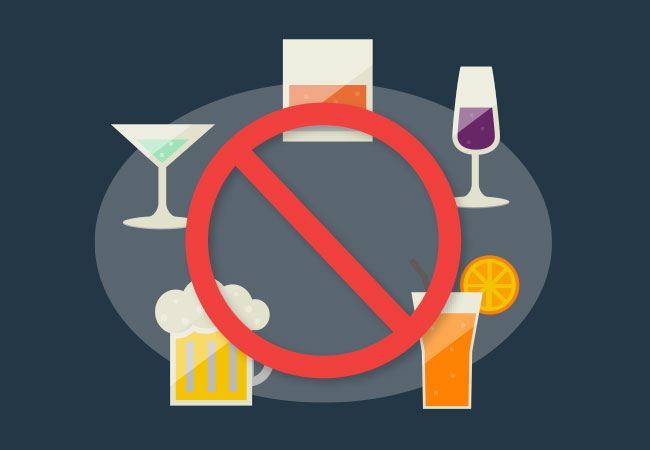
No level of alcohol consumption is safe for our health. The WHO

4 January 2023 

News release

Reading time: 3 min (759 words)

Français

Русский

Deutsch

The risks and harms associated with drinking alcohol have been systematically evaluated over the years and are well documented. The World Health Organization has now published a statement in The Lancet Public Health: when it comes to alcohol consumption, there is no safe amount that does not affect health.

It is the alcohol that causes harm, not the beverage

Alcohol is a toxic, psychoactive, and dependence-producing substance and has been classified as a Group 1 carcinogen by the International Agency for Research on Cancer decades ago – this is the highest risk group, which also includes asbestos, radiation and tobacco. Alcohol causes at least seven types of cancer, including the most common cancer types, such as bowel cancer and female breast cancer. Ethanol (alcohol) causes cancer through biological mechanisms as the compound breaks down in the body, which means that any beverage containing alcohol, regardless of its price and quality, poses a risk of developing cancer.

The risk of developing cancer increases substantially the more alcohol is consumed. However, latest available data indicate that half of all alcohol-attributable cancers in the WHO European Region are caused by “light” and “moderate” alcohol consumption – less than 1.5 litres of wine or less than 3.5 litres of beer or less than 450 millilitres of spirits per week. This drinking pattern is responsible for the majority of alcohol-attributable breast cancers in women, with the highest burden observed in countries of the European Union (EU). In the EU, cancer is the leading cause of death – with a steadily increasing incidence rate – and the majority of all alcohol-attributable deaths are due to different types of cancers.

Risks start from the first drop

To identify a “safe” level of alcohol consumption, valid scientific evidence would need to demonstrate that at and below a certain level, there is no risk of illness or injury associated with alcohol consumption. The new WHO statement clarifies: currently available evidence cannot indicate the existence of a threshold at which the carcinogenic effects of alcohol “switch on” and start to manifest in the human body.

Moreover, there are no studies that would demonstrate that the potential beneficial effects of light and moderate drinking on cardiovascular diseases and type 2 diabetes outweigh the cancer risk associated with these same levels of alcohol consumption for individual consumers.

“We cannot talk about a so-called safe level of alcohol use. It doesn’t matter how much you drink – the risk to the drinker’s health starts from the first drop of any alcoholic beverage. The only thing that we can say for sure is that the more you drink, the more harmful it is – or, in other words, the less you drink, the safer it is,” explains Dr Carina Ferreira-Borges, acting Unit Lead for Noncommunicable Disease Management and Regional Advisor for Alcohol and Illicit Drugs in the WHO Regional Office for Europe. 

Despite this, the question of beneficial effects of alcohol has been a contentious issue in research for years.

“Potential protective effects of alcohol consumption, suggested by some studies, are tightly connected with the comparison groups chosen and the statistical methods used, and may not consider other relevant factors”, clarifies Dr Jürgen Rehm, member of the WHO Regional Director for Europe’s Advisory Council for Noncommunicable Diseases and Senior Scientist at the Institute for Mental Health Policy Research and the Campbell Family Mental Health Research Institute at the Centre for Addiction and Mental Health, Toronto, Canada.

We are missing the bigger picture

Globally, the WHO European Region has the highest alcohol consumption level and the highest proportion of drinkers in the population. Here, over 200 million people in the Region are at risk of developing alcohol-attributable cancer.

Disadvantaged and vulnerable populations have higher rates of alcohol-related death and hospitalization, as harms from a given amount and pattern of drinking are higher for poorer drinkers and their families than for richer drinkers in any given society.

“So, when we talk about possible so-called safer levels of alcohol consumption or about its protective effects, we are ignoring the bigger picture of alcohol harm in our Region and the world. Although it is well established that alcohol can cause cancer, this fact is still not widely known to the public in most countries. We need cancer-related health information messages on labels of alcoholic beverages, following the example of tobacco products; we need empowered and trained health professionals who would feel comfortable to inform their patients about alcohol and cancer risk; and we need overall wide awareness of this topic in countries and communities,” adds Dr Ferreira-Borges.

Kickstart your health resolutions with these top nutrition tips from our Senior Dietitians at Blackrock Health Hermitage Clinic.

Blackrock Health

tospndeoSrmrtcy89u1hn08m6a:3h390u9210J10t a a0730m9fl 2aa86u  · 

Kickstart your New Year’s health resolutions this month with these top nutrition tips from our Senior Dietitians at Blackrock Health Hermitage Clinic. Prioritise your health this year by following some simple guidelines:

– Prioritise whole foods: Swap processed snacks for nourishing, nutrient-dense snacks such as nuts and dried fruits, fruit and yogurt, cheese and crackers, nutty flapjacks, oat snacks. When opting for convenience snacks be aware of the ingredient list, some snacks which may label themselves as ‘healthy’ alternatives may have a long list of ingredients, generally the more whole ingredients and the shorter the list the better!

– Stay hydrated: Start each day with a glass of water and aim for 8 glasses throughout the day. Proper hydration is key for energy and overall well-being.

– Limit alcohol: Alcohol dehydrates and can cause fatigue which leads to poorer food choices as well as negatively impacting overall health. Swap alcoholic drinks for non-alcoholic alternatives where possible and aiming for at least three alcohol free days per week.

– Stay active: Incorporating some daily movement (outside if possible) will support overall mood, energy levels and health.

– Plan ahead: Try not let busy schedules derail your healthy eating goals. Meal prepping, batch cooking and planning snacks will help you stay on track.

At Blackrock Health, our Dietetics and Clinical Nutrition department is made up of Registered Dietitians who help manage and support a variety of nutritional and medical concerns to patients across our clinics.

If you are interested in outpatient dietetic support please visit our Dietetics & Nutrition pages (https://www.blackrockhealth.com/treat…/dietetics-nutrition) where you will find the many options available.

How To Exercise Safely When You Have Advanced Prostate Cancer. @ClevelandClinic

Check-in with your care team, and focus on low-impact exercises and walking for good gains

If you’re living with advanced prostate cancer, you might be wondering exactly how far you should push yourself when it comes to physical activity and exercise. Should you take it easy and hold back? Or should you try to maintain your exercise routine?

And if you’ve had your prostate surgery or your prostate removed (prostatectomy) you may be concerned about any sort of limitations or restrictions on specific exercises to avoid further pain or injury.

Occupational therapist Maria Pickston, OTR/L, CLT, reminds us that each person’s medical history and cancer treatment is unique. So, before beginning any exercise program during recovery, it’s essential to obtain clearance from your oncologist or healthcare team.

Pickston shares some additional insight on how exercise can help with the process of recovery and why exercise is so important overall.

Importance of exercise for prostate health

Your prostate is part of your pelvic floor, an area densely populated with a group of muscles and connective tissues that support the functions of your bowel, bladder and reproductive organs. Your pelvic floor muscles also aid your abdominals (core muscles) and back muscles in providing structural stability to your spine.

When we talk about prostate health, we’re most often talking about modifiable risk factors, which are the things you can do to reduce the likelihood of developing prostate cancer. But if you’re living with prostate cancer, focusing on your overall health is key and exercise is a big part of that.

“When you put the words ‘cancer’ and ‘exercise” together, it can feel like such a road block because it sounds counterintuitive to be exercising when you’re going through cancer treatment,” says Pickston.

“Years ago, people were told not to exert themselves and to take it easy. But in the last 20-plus years, we’ve had an explosion of research supporting the benefits of physical activity for cancer survivors and how exercise can improve the symptoms and side effects of chemotherapy and radiation therapy.”

Exercise can have a huge impact on your physical, mental and emotional health and increase your energy levels — all things that tend to be affected when you have surgery or are going through cancer treatments.

Prostate cancer treatment can lead to several side effects like loss of muscle mass and physical strength, sexual dysfunction, reduced bone density, increased fatigue, and a higher risk of heart disease and diabetes,” explains Pickston.

Exercise plays a vital role in tackling these challenges and enhancing the physical outcomes of treatment.

“Current research demonstrates that exercise is safe and beneficial before, during and after cancer treatment as it improves energy levels and the overall quality of life, enabling individuals to continue enjoying the activities they love,” notes Pickston. “A physically active lifestyle not only helps in lowering the risk of various cancers, but also reduces the risk of recurrence in some cancers, including prostate cancer.”

Translation: Once you check in with your care team, don’t let your cancer diagnosis stop you from working out.

How often should you exercise to promote prostate health?

If you’re living with prostate cancer, are going through cancer treatment or have had a prostatectomy, you want to talk to your healthcare provider first to before you begin any exercise program as you may need to adhere to certain precautions during those first few weeks of recovery.

There’s no one set exercise that specifically focuses on prostate health — but if you focus on improving your overall health, increasing your heart rate, improving your blood flow and getting those endorphins going, you’ll find that those things will have significant positive impact on how you’re feeling overall and your ability to recover from your condition and treatment.

“Individuals who are physically fit or active before their cancer diagnosis are more likely to regain their previous level of functioning compared to those who lead a more sedentary lifestyle,” says Pickston.

“In oncology rehabilitation, personalized programs are designed to cater to each individual’s unique circumstances. Special considerations are taken into account, including your medical history, current fitness level, the type and stage of your cancer, and the specific cancer treatment you are having to ensure that the rehab process is both safe and effective.”

Everyone responds to cancer and cancer treatments differently. What works for someone else might not come as easily for you — and that’s OK.

“Each individual’s journey is different, and your focus should be on finding an approach that suits your specific needs and abilities, fostering progress and overall well-being,” encourages Pickston.

And don’t feel like you have to push yourself too hard — you can, and should, rest when you need it the most. Exercise doesn’t always have to be a one-hour routine, either. It can be as simple as standing up and stretching during commercial breaks, walking to the end of your driveway and back, or making sure you keep up with your daily living activities around the house like laundry, cleaning and showering.

“Just the act of walking or going up and down the stairs is something you can immediately do when you get home after prostate surgery,” says Pickston. “Be patient with yourself and avoid pushing to the point of pain or excessive discomfort or fatigue. If it’s been a while since you’ve been active or your overall fitness level is low, start slowly and gradually build. The key is to be as physically active as your current condition and abilities allow.”

Aerobic exercise for prostate and sexual health

Specifically, aerobic exercise (also known as cardiovascular exercise) has wide-ranging full-body benefits that can impact your heart, brain, joints, skin and muscles. It not only extends your life expectancy, but it can also decrease your blood pressure and heart rate, and increase your blood flow, which has a direct impact on your sexual function, mood, digestion and more.

The American Cancer Society recommends engaging in moderate-intensity aerobic exercise such as brisk walking, jogging, swimming, cycling for 150 to 300 minutes per week. Additionally, you’ll want to perform strength training exercises two days per week using body weight, resistance bands, dumbbells or fitness machines.

Again, if you can’t hit the ground running that fast, you can do small things to work your way back up to that routine.

“Think about all the physical activity you can do like playing with your grandkids, dancing, gardening, carrying groceries or doing chores around the house. But it’s even better if you begin to incorporate intentional exercises like brisk walking, swimming and weightlifting,” says Pickston.

“It’s crucial for those undergoing treatment to understand that exercise is the best way to treat cancer-related fatigue. As your strength and fitness improves, you can engage in meaningful activities more easily.”

One specific side effect mentioned earlier is loss of bone density, which can lead to osteoporosis, a condition where the bones become weak, less dense and more likely to increase your risk of fractures. Weight bearing exercises such as weight training, yoga, Pilates and climbing stairs are ideal for preventing bone density loss.

“Starting slowly with light weights and gradually increasing the load is key to avoid pushing too hard and experiencing pain or exhaustion,” advises Pickston. “With time and consistency, you will notice improvements in your fatigue, strength and overall health, fitness and endurance.”

Caution for cycling as exercise

Cycling is an excellent aerobic exercise, but it’s one you might want to hold off from doing at least in the early weeks after having prostate surgery. The reason is because you tend to put a lot of pressure on your sit bones and your pelvic area while cycling, and this can cause discomfort, pain and swelling if you’re not fully healed.

“You need to be sure you are cleared by your physician before initiating cycling for any amount of time first,” says Pickston. “Once you receive clearance, there are various bike seats and bike shorts available to help cushion or accommodate the perineal area, alleviating some of that pressure.”

Kegel exercises

After having prostate surgery, it’s common to experience side effects like urinary leakage and erectile dysfunction. Kegel exercises specifically are designed to help strengthen your pelvic floor muscles and reduce the likelihood of those side effects from happening as well as help quicken recovery from those side effects. These exercises are also often recommended for some people before even having surgery so their pelvic floor muscles start off having a strong foundation before going into surgery.

“Your pelvic floor is often compromised after prostate cancer treatment because surgical or radiation treatment can damage the surrounding tissues, including the muscles of the pelvic floor,” explains Pickston. “When the pelvic floor muscles are compromised, it can lead to weakness, pain and dysfunction. Seeking help from a pelvic floor physical therapist can address these issues.”

It’s also common to experience muscle tightness in your pelvic floor and surrounding muscles after treatment, and doing Kegels without proper guidance can worsen this tightness.

“A pelvic floor therapist will help to make sure you are performing your Kegels correctly and help guide you in managing areas of muscle tightness in your pelvic floor,” says Pickston. “Learning how to engage the pelvic floor muscles correctly during daily activities can significantly reduce leakage. Sometimes, just a few simple adjustments in movement can lead to dramatic improvement.”

Healthy weight and prostate health

Having overweight or obesity increases your risk for prostate cancer — but it can also provide additional complications during the recovery process in some cases.

“If you’ve had a prostatectomy, it’s normal to experience emotional ups and downs, but the important thing is that you focus on what small things you can do each day, to feel better every day,” says Pickston. “Physical activity improves both your physical and emotional health. It’s important for managing weight, maintaining or building muscle, reducing your risk of heart disease and keeping your bones strong.”

Mindfulness and meditation can improve your mood and motivation, while flexibility-focused exercises like yoga can provide additional benefits for stretching and getting your muscles moving and activated. By focusing on these low-impact exercises along with daily walking habits, you can develop an increased focus on your overall health while slowly ramping up your physical activity all in an effort to speed up your recovery from cancer.

“You want to get up, go outside and see what’s going on in your neighborhood,” encourages Pickston. “When you start exercising, your sleep improves. When your sleep improves, you’re able to heal better. And the more you can do early on, the more long-term effects you’ll experience along the way.”

Learn m

Why a strong core is important + exercises to try. @ClevelandClinic

cleveland evrything starts wit your core

If you’re planning to start an exercise program and wondering where to begin, start with your core first, says physical therapist Brittany Smith, DPT. People often think of the core muscles as being the abdominal muscles, but the core includes the muscles in the abdomen, back and hips, all working together as a group.

“The core muscles provide stability for the entire body as it moves,” says Smith. “These muscles are activated when you stand up, turn, bend, reach, twist, stoop and move in most other ways. Everything starts with your core.”

Strong core muscles help you maintain good posture, while weak ones can lead to slouching and slumping. Poor posture can be a cause of aches and pain, especially in the back.

Getting started with your core

To get your core muscles in shape, you need to exercise.

“Our bodies were made to move, so any physical activity is really important,” says Smith.

She recommends these specific core-strengthening exercises below.

The first one engages the deep muscles in the abdomen, called the transverse abdominis. “These muscles help hold us in a better position to stabilize our core, thereby stabilizing our arms and legs,” says Smith.

“The more you work on these muscles, the more it will become second nature to hold these muscles tight when you’re lifting grocery bags, doing yard work or any other kind of physical activity,” says Smith. This will help support your body.

Other muscles that tend to be weak are the gluteus maximus in the buttocks, and the gluteus medius and gluteus minimus on the side of the hip. The bridge and clamshell exercises can help strengthen these muscles.

Smith emphasizes that getting the proper position of these exercises correct is more important than the number of repetitions you do. “It’s better to take your time, maybe do fewer reps, but with better quality,” she says. For that reason, it can be helpful to have the guidance of a physical therapist to get started.

Move on from the core

Core exercises are the starting point of overall fitness because you need to hold those muscles engaged while you strengthen other muscles, such as the biceps in the arms or the quadriceps in the legs.

Smith suggests setting short-term goals (for about a month) and then more long-term goals. Once you have achieved short-term goals, such as getting around more easily, add other types of weight-training or resistance exercises to build muscle elsewhere.

With any exercise you do, always listen to your body, warns Smith. If you have pain other than muscle burn, take it easy. Reduce the number of repetitions, the weight or the duration of the exercises. Then build up gradually. “You don’t have to be in pain to make gains,” she says.

Beginner exercises for core strength

For each of the following, work up to one to two sets of 10 to 15 repetitions once a day.

Abdominal bracing

Lie on your back with your knees bent and feet flat on the floor. Contract your abdominal muscles, and press the arch of your back down toward the floor, pulling your belly button toward your spine. Hold for 5 to 10 seconds. Make sure your lower back stays flat on the floor. Relax and repeat.

Bridge

Lie on your back with your knees bent and feet flat on the floor with your arms at your sides. Squeeze your abdominal and buttocks muscles, push your heels into the floor and slowly lift your buttocks and hips off the floor. Keep your back straight. Hold for 5 to 10 seconds.

Clamshell

Lie on your side with knees bent in line with your hips and back, draw up the top knee while keeping contact of your feet together as shown. Don’t let your pelvis roll back during the lifting movement. Hold for 5 seconds.

https://health.clevelandclinic.org/planning-to-start-exercising-start-with-your-core-first/?utm_medium=social&utm_source=twitter&utm_campaign=cc+tweets

Recipe: Spanish Omelet With Veggies and Cheese #nutrition

Recipe: Spanish Omelet With Veggies and Cheese

Omelets are a great choice for a one-skillet meal, and our recipe delivers on nutrition and taste! This meatless dinner option provides 100% of your daily vitamin C and is a good source of calcium.

Ingredients

  • 5 small potatoes, sliced
  • Vegetable cooking spray
  • 1/2 medium onion, minced
  • 1 small zucchini, sliced
  • 1 1/2 cups green/red peppers, sliced thin
  • 5 medium mushrooms, sliced
  • 3 whole eggs, beaten
  • 5 egg whites, beaten
  • 1/4 teaspoon pepper
  • 1/2 teaspoon garlic powder
  • 1/4 teaspoon oregano
  • 3 ounces shredded part-skim low-fat mozzarella cheese
  • 1 tbsp grated Parmesan cheese

Directions

  1. Preheat oven to 375 F.
  2. Cook potatoes in boiling water until tender, about 12 minutes.
  3. In a nonstick pan, add vegetable spray and warm at medium heat.
  4. Add onion and sauté until brown. Add vegetables and sauté until tender but not brown.
  5. In a medium mixing bowl, slightly beat eggs and egg whites, pepper, garlic powder, oregano and low-fat mozzarella cheese. Stir egg-cheese mixture into the cooked vegetables.
  6. In a 10-inch pie pan or ovenproof skillet, add vegetable spray and transfer potatoes and egg mixture to pan. Sprinkle with low-fat parmesan cheese and bake until firm and brown on top, about 20 to 30 minutes.
  7. Remove omelet from oven, cool for 10 minutes, and cut into five pieces.

Ingredient health benefits

  • Potatoes: Don’t let their higher carb and caloric content scare you; in moderation, these starchy vegetables are delicious and nutritious. Potatoes are full of vitamins and minerals like vitamin C , which boosts your immune system, and vitamin B6, which suppresses inflammation and promotes brain health. To get the most out of your potatoes, cook them with the skin on.
  • Onions: This allium is more famous for its potent aroma than its health perks, but rest assured, there are plenty to go around. For instance, onions have chemicals called flavonoids that fight inflammation and help lower blood pressure. And in addition to being a good source of fiber, onions contain prebiotics, which feeds the good bacteria in your gut so they can keep your whole body healthy.
  • Zucchini: If you’re looking for foods with head-to-toe benefits, consider adding squashes like zucchini to your diet. Nutritional highlights include calciumvitamin A and vitamin C — all of which support strong bones and healthy eyes. Squashes are also a good plant source of iron, which keeps your blood cells happy.
  • Red bell peppers: These members of the nightshade family are an excellent, nutrient-dense addition to any meal. Red bell peppers are chock full of vitamins like vitamin E and vitamin B9 (folate). They also contain anthocyanins, which are natural plant pigments that protect your heart, help lower your blood pressure and might support your brain function.
  • Mushrooms: Though these fungi may be small, they’re a mighty culinary ingredient. Mushrooms are full of antioxidants, which help protect your cells from damage by free radicals. And they have compounds that stimulate your immune system to fight invaders and, potentially, cancer. Other properties found in mushrooms also support the health of your heart, gut and brain!
  • Eggs: A perfect example of how good things come in small, oval-shaped packages. Eggs are rich in vitamins like vitamin B12, which is essential for your blood cells and nerve cells to work properly. Eggs also have lutein, a carotenoid that helps preserve your vision. Egg whites have about 60% of the protein found in an egg.

Nutrition information (per serving)

Makes 5 servings

Calories: 290
Total fat: 6 g
Saturated fat: 2.5 g
Trans fat: 0 g
Cholesterol: 120mg
Sodium: 250 mg
Total carbohydrate: 43 g
Fiber: 6 g
Sugars: 5 g
Protein: 18 g

— Recipe courtesy of Digestive Disease Health Team Dietitians.

Biking is a good way to get your blood flowing..😍😃@ClevelandClinic #physicalactivity

Screenshot_2020-07-27 #biking hashtag on Instagram • Photos and Videos

Cleveland Clinic
@ClevelandClinic


You know exercise builds muscles, strengthens bones, keeps your heart healthy and your mind sharp. But it also does something that you might not think much about: It helps keep your immune system — your internal defenses against infection — in tip-top shape.

If you take time for some physical exertion each day, it helps get your body ready to attack bacteria, viruses and toxins that can sneak in and make you sick.

But how much exercise is effective? Do too little or too much, and it won’t have the best effect on your immune system.

Clinical immunologist  Leonard Calabrese, DO, answers common questions about how exercise can impact your immunity and how to use your workouts to shut out a world of would-be invaders.

Q: How does breaking a sweat boost immunity?

A: If you exercise moderately on a regular basis, it tunes up the immune system in many ways. It enhances your broad-based defenses against viral infections, such as those causing upper respiratory infections.

Working out regularly also reduces the risk of many chronic diseases such as cardiovascular, respiratory illnesses and metabolic diseases, such as type 2 diabetes.

Q: How much exercise do you need?

A: Fortunately, you don’t have to push yourself to the limit to rev up your immune system. In fact, your immune system needs less of a workout than you get with your average cardio routine.

Focus on getting 20-30 minutes of moderate exercise, five days a week, and your immune system will thank you.

Q: What types of exercise are most helpful?

A: Moderate exercises, including biking or walking briskly in your neighborhood, are good ways to get your blood flowing. Swimming is also a good option for non-weight-bearing exercise for your joints.

Also try mind-body exercises such as Tai-Chi, Qi Gong and yoga, which are all options that help keep your joints flexible. These exercises also reduce chronic stress, which in itself is a powerful immune booster. These exercises can also help alleviate osteoarthritis and fibromyalgia symptoms.

Q: Can too much exercise set your immune system back?

A: Yes, though, the level to which it can slow your system down is still up for debate.

Research shows that exercising for more than 1.5 hours without refueling your body or giving it enough time to recover suppresses your immune responses for up to a few days. During that time, your cortisol levels rise, your white blood cell count drops and you’re more likely to develop a respiratory infection.

This problem usually affects elite athletes, such as marathon runners, most.

On the flip side, staying sedentary also increases your risk of infection, inflammation and chronic disease.

Q: Can exercise make an illness worse?

A: Yes, it can. This is a complex issue, but I like to tell my patients to do a “neck check.” If your symptoms are mostly of a mild cold without fever or lower respiratory symptoms, such as a productive cough, wheezing or shortness of breath, mild exercise can actually reduce congestion and may make you feel better.

If your symptoms are primarily in your lungs or you have a significant fever its better to rest until things settle down. Regardless, good hydration is important.

Running is great exercise. A dietitian talks about what runners should eat ― and when ― for optimal nutrition and performance. @HopkinsMedicine

If you run regularly, whether it’s an easy jog around the block to stay fit or an intense training regimen to prepare for a marathon, you need proper nutrition.

Here are some tips to help keep runners well-nourished and ready to win.

Foods for Runners and Joggers

A good diet can boost your physical health and help you meet your fitness goals. Make sure your meals emphasize the following basic components:

  • Fruit and vegetables for vitamins, minerals and antioxidants
  • Lean protein such as fish, poultry, beans, lentils and tofu
  • Healthy fats such as olive oil, avocado and nuts
  • Healthy carbohydrates such as rice, whole grain breads/pastas and oatmeal

Individuals may have different optimal balances, but in general, people who include running or jogging as part of their fitness regimen should get 60% to 70% of their calories from carbohydrates, with lean protein and healthy fats each accounting for 15% to 20% of their remaining calories.

Don’t skimp on carbohydrates

Although low carbohydrate diets are popular go-to’s for people wanting to lose weight, they’re not ideal for distance runners, who thrive on carbohydrates for endurance.

That is why very low carbohydrate diets, such as the ketogenic diet, plus running is not a good idea. Experts do not recommend keto to runners unless they have been told by their doctor that this a medically safe option for them and they are being monitored while in ketosis.

Distance runners need more carbs than people who aren’t training. Undereating carbohydrates can be hard on your body and affect your recovery after your run.

Here’s why: Running uses both glucose in the blood and your stores of glycogen. Glucose is the form of sugar that circulates in the bloodstream, and glycogen is the sugar stored in your liver and muscles that acts as the primary fuel for endurance exercise.

Eating plenty of carbs helps ensure that these energy stores are ready to support your training. When those stores get too low, runners are more likely to run out of energy and “burn out” or “hit a wall” while training.

Running Diet — Vitamins and Minerals

Running changes your body and your nutritional needs. Often when people start a running regimen, they are trying to lose weight or get in shape quickly, and they don’t realize they need to adjust their diet.

Especially in women runners, dietitians report seeing a tendency to overdo the running while not eating enough, and this can have an effect on health if they do not adequately replenish lost vitamins and minerals in their diet.

For women in particular, calcium and vitamin D are essential for bone health to avoid loss of bone mineral density and the risk of stress fractures.

For more vitamin D, include these foods in your meals:

  • Vitamin D-fortified dairy and almond, soy or rice based beverages
  • Eggs
  • Cereal fortified with vitamin D
  • Tuna
  • Salmon

For more calcium, try:

  • Yogurt and cheese
  • Tofu
  • Edamame
  • Almonds
  • Canned fish with bones (such as sardines)

Iron deficiency can affect women and even have an impact on their running performance. Menstruation puts people at higher risk of iron deficiency, and if iron isn’t replenished in the diet, decreases in hemoglobin can occur and bring on anemia. Hemoglobin is what carries oxygen throughout the body, including the muscles, so if there is a deficit, the muscles may feel the effect of insufficient oxygen during exercise.

Iron-rich foods include:

  • Poultry and other meat
  • Legumes, such as peas and beans
  • Dark, leafy green vegetables such as kale
  • Dried fruits and raisins
  • Iron-fortified breads and cereals

Dietitians recommend eating eating iron rich foods in combination with foods high in vitamin C, such as citrus, bell peppers or berries, since vitamin C helps increase the body’s absorption of iron.

What to Eat Before Running ― and When

The best time to eat a full meal is about two to three hours before you hit the road, track or trail. Have a good source of carbs paired with protein, making sure the meal focuses on a healthy carb source.

If it’s been more than three to four hours since you’ve eaten, a carbohydrate-rich snack a half-hour before running can ensure you have adequate glucose available before you head out. Directly before a run, it’s best to stick with easy-to-digest carbohydrates to avoid gastrointestinal [GI] distress such as cramping or diarrhea.

Try these:

  • Bananas
  • Applesauce
  • Crackers, pretzels or cereal
  • White bread
  • Potatoes

Glucose Boosters for Long Distance Runners

If you are training for a marathon or distance event and are going to be out for over an hour, you will want to bring some fuel with you. Energy drinks, gel tubes and other sources of quick blood-glucose boosters are available, but you can also use something as simple as fruit snacks.

Try practicing with these items as you train so you can pick the formulas that are best for you, and you can work on accessing and ingesting them smoothly without breaking stride.

What foods should runners avoid?

Before a run or the night before a big race, Eidel recommends going easy on:

  • Spicy foods or foods overly high in fat, which can cause GI upset
  • Foods that are very high in fiber, which can cause gas and cramping
  • Caffeine ― Although it is tempting to grab a caffeine boost right before a run, runners should remember that for some people, caffeine can stimulate the GI tract, which can result in diarrhea or the need for an emergency bathroom break

Does carb-loading work?

It might. Carb loading is the practice of eating a lot of carbohydrates ― particularly those that are easily absorbed, such as white bread, pasta and rice ― for 24 to 48 hours before a big race or distance run, to shore up your body’s stores of glycogen and lessen the risk of burnout before finishing the event.

Some studies show carb loading is beneficial for people preparing for a race, but it’s important to make sure during that time you’re also allowing your body to rest and giving it time to store what you are ingesting. The number of carbohydrate grams will be differ from person to person, but in general, evidence shows carb loading can be beneficial prior to a distance event.

In contrast, casual runners likely do not need to carb load. Ensuring that their day-to-day diets include extra carbohydrates can be sufficient.

What to Eat After a Run

It’s common for people not to feel hungry after a run, but a snack or light meal of complex carbohydrates and protein within the first hour after running can help replenish glycogen stores and to support recovery and rebuild stressed muscles. For example:

  • Peanut butter and banana
  • Egg on toast
  • Sandwich with deli meat
  • Pasta with meat or plant-based protein
  • Veggie burger on a bun
  • Protein shake or smoothie

Running to Lose Weight

If you’re interested in running as part of a weight loss plan, getting adequate nutrition is a must. Even casual running or jogging burns calories and can be hard on the body. Runners can become undernourished at first because they don’t understand how much energy they’re burning when they run and what they need to properly recover.

Eating enough is also essential to building muscles, which can aid in fat burning ― a plus for people working on achieving or maintaining a healthy weight.

For optimal weight loss, your plan should not rely on running alone but also include strength training and proper nutrition.

Listen to your body

If you run regularly, you should pay attention to the effects of what you eat and when, especially on running performance. Learning what works best for you can take some time and a little trial and error, but it is worth it, since running, jogging and other regular aerobic exercise offers so many health advantages.

Always feel free to consult a dietitian or doctor, and listen to your body if you’re not keeping up with your training goals.

5 Ways to Boost Your Child’s Immune System for Life @ClevelandClinic #childtherapy

We all want to protect our kids whether it be from falls, bumps and bruises — or avoidable infections and diseases. To help your child avoid illness, it’s important to encourage good habits and take steps to boost their immune system from an early age.

“Most of what makes a child’s immune system strong is common sense,” says pediatrician Adriane Lioudis, MD. If you keep these five tips in mind, you’ll stack the deck in your child’s favor for a healthier life.

1. For newborns, consider breastfeeding

While it’s a very personal decision (that isn’t always possible), if you are able to exclusively breastfeed your child for at least six months, it may have benefits. Some research shows that breastfeeding your child might possibly reduce allergies, Dr. Lioudis says.

2. Promote regular hand washing

Eighty percent of infections are spread by touch. Teach your little one to take the time to wash their hands after sneezing, coughing and going to the bathroom. Washing hands with warm water and soap for at least 20 seconds can remove bacteria and viruses and can reduce the chance of lung infections by up to 45%.

3. Don’t skip immunizations

Follow your pediatrician’s advice when it comes to the childhood vaccination schedule. Immunizations start in infancy and continue to adulthood and prevent measlesmumpschickenpoxrotavirus and other infections.

“Get the flu shot for your child yearly, as well,” Dr. Lioudis says. This is particularly important for children with asthma and other chronic health conditions.

Also, if your family will be traveling internationally, it’s important to seek advice from your child’s healthcare provider about any needed vaccinations.

4. Make sleep a priority

To maximize immunity, children must get enough sleep.

Sleep requirements for each night vary by age:

  • Babies between 0 and 3 months need 14 to 17 hours of sleep. Those between 4 and 12 months need 12 to 16 hours of sleep.
  • Children between the ages of 1 and 2 need between 11 and 14 hours.
  • Kids between the ages of 3 and 5 should get from10 to 13 hours.
  • Children ages 6 to 12 should get between 9 and 12 hours.
  • Teens between the ages of 13 to 18 need 8 to 10 hours.

Not getting enough sleep limits the body’s ability to produce proteins called cytokines that help fight infection and reduce inflammation.

5. Encourage a healthy diet

healthy diet is also important for your child’s immune system.

Dr. Lioudis recommends encouraging your child to “eat the rainbow” when it comes to fruits and vegetables. A good selection of whole grains should be part of their diet as well. Keep processed foods to a minimum. Proper food choices can help ensure that your child gets enough vitamins — such as vitamin A and E. These vitamins are needed to maintain good health and a strong immune system.

You can’t avoid all illness, but some kids need extra protection

“Even if you follow these tips, your child might still get between seven and 11 colds each year,” says Dr. Lioudis. She adds that you can expect each one to last up to two weeks.

Also, keep in mind that some things billed as common “remedies” aren’t effective in boosting immunity. For example, there’s no definitive proof that large amounts of vitamin C or echinacea help prevent colds or shorten them, she says.

However, if your child has a compromised immune system, work closely with your pediatrician to find ways to improve his or her immunity. Each child needs a personalized approach because their individual immune system varies, Dr. Lioudis says.

“There’s generally a different protocol with immunocompromised children. There are some vaccines we have to add in on top of what most children have, but it’s something that we must determine on a case-by-case basis.

These crispy sweet potato wedges come out Cajun spicy and sweet. They’re also really healthy. They’re loaded with antioxidants and phytonutrients and are a great source of beta-carotene.

Recipe: Baked Cajun Sweet Potato Fries

Swap regular fries for these delicious, and nutritious, potato wedges

These crispy sweet potato wedges come out Cajun spicy and sweet. Don’t tell anyone but they’re also really healthy. They’re loaded with antioxidants and phytonutrients and are a great source of beta-carotene. Another plus? As complex carbs, they digest slowly and raise blood sugars gradually — keeping you from a spike and drop-off.

Ingredients

  • 2 sweet potatoes, cut into wedges (about 8 wedges per potato)
  • 1 tablespoon olive oil
  • 2 tablespoons Cajun seasoning

Directions

  1. Preheat oven to 425 F.
  2. In a large mixing bowl, combine the sweet potatoes, oil and Cajun seasoning. Mix well to evenly coat wedges.
  3. Spread the wedges in a single layer on one (or two, if needed) ungreased baking sheets.
  4. Bake for 30 minutes or until crispy and brown on one side.
  5. Flip fries over and bake for another 30 minutes or until the wedges are crispy on the outside and tender inside.

Ingredient health benefits

Nutrition information (per serving)

Serving = 1 cup

Calories: 110
Total fat: 5g
Saturated fat: 0.5g
Trans fat: 0g
Protein: 2g
Carbohydrate: 16g
Dietary fiber: 3g
Sugar: 5g
Cholesterol: 0mg
Sodium: 57mg

Milk really does do a body good. It’s high in calcium, vitamin D and potassium. And it’s also rich in a beneficial protein called casein! @ClevelandClinic

Protect and build muscle while getting essential amino acids and calcium with this protein

Milk really does do a body good. It’s high in calcium, vitamin D and potassium. And it’s also rich in a beneficial protein called casein (pronounced ”KAY-seen“).

If you’re a regular dairy milk drinker, you’re already getting some benefits of casein. But you may want to consider adding more casein to your diet. Athletes and bodybuilders have been using casein protein powder for years. But the benefits of casein aren’t just for pro sports players.

“Protein is a vital part of any balanced diet,” says registered dietitian Elyse Homan, RD, LD. “But different proteins have different effects. Understanding how each protein works is beneficial, especially if you’re supplementing with it.”

What is casein?

Casein is the main protein found in dairy milk, which includes the milk from:

  • Cows.
  • Goats.
  • Sheep.

Casein makes up about 80% of the protein found in milk. The other 20% comes from whey protein.

“When you think of curds and whey,” Homan says, “the solid part is casein protein, and the liquid part is whey protein.”

Getting enough protein is important because protein has many jobs. It has to:

  • Carry out chemical reactions (like digestion).
  • Help your tissues and organs change and grow as needed.
  • Protect your body from viruses and bacteria.
  • Support your body’s movement by providing cell structure.

Casein vs. whey

Casein and whey have a lot in common. They’re both:

  • Animal-based proteins.
  • Complete proteins — they contain all the amino acids your body needs.
  • Excellent sources of calcium.
  • Found in dairy milk.

The main difference is that casein is a slower-digesting protein than whey. “Casein forms a gel-like substance in your stomach,” Homan explains. “It releases more slowly than other proteins and takes longer for your body to absorb.”

Casein protein benefits

Getting the recommended daily amount of protein helps you stay healthy. But casein’s slow absorption also gives it some added advantages. The health benefits of casein include:

1. Gives you all the essential amino acids

Amino acids combine to form proteins. There are 20 amino acids that your body needs to work correctly, and they join in various ways to create different proteins.

Your body makes some of the amino acids it needs, but there are nine essential amino acids that your body can’t produce — you must get them from food. Casein is a complete protein and has all nine essential amino acids.

2. Reduces muscle breakdown

Your cells rely on regular “feedings” of amino acids to continually make proteins. When you go without eating overnight or during an extended fast, your cells may not get the needed amino acids. As a result, they look for those amino acids elsewhere and break down your body’s muscles to get them.

As a slow-release protein, casein provides your cells with the amino acids they need over a long period. The slow absorption consistently feeds your cells with amino acids, allowing muscles to recover instead of breaking down.

3. Promotes muscle growth

Casein contains a high amount of leucine, an amino acid that regulates metabolism (how your body changes food into energy) and helps build and repair muscles. If you don’t typically consume a lot of protein, adding more leucine-heavy protein to your diet (like casein) can help your muscles grow when also engaging in regular exercise.

4. Provides a good source of calcium

The casein in milk is a good source of calcium, which is essential for teeth and bone health. Not getting enough calcium can lead to a loss of bone mass and increase your risk of osteoporosis (a disease that weakens your bones).

Casein protein powder may contain up to 50% of your recommended calcium intake — but always check the label to make sure that the protein powder is a good source of calcium.

How casein protein powder can help

Casein protein’s general health benefits are good for everyone. But using casein protein powder ensures you’ll get a more significant amount of casein each day. Talk to your healthcare provider about taking casein protein powder for:

Weight loss

high-protein diet can help you shed excess pounds and maintain a healthy weight. Protein can help you feel full and improve your satisfaction after the meal.

Different types of proteins affect you differently after you eat them:

  • Whey protein, which you absorb quickly, makes you feel full immediately after ingesting it.
  • Casein’s slow rate of release helps you feel fuller longer.

One study found that participants who consumed casein protein powder before a meal ate less at that meal than people who had whey protein, egg albumin (made from egg whites) or water alone.

“Our bodies only absorb so much protein at one time,” Homan clarifies. “About 30 grams of protein per meal is a good amount to consume. If you plan to have more than one serving of casein powder daily, space it out.” It may help you stave off cravings and decrease snacking between meals, too.

Overnight muscle growth and recovery

Bodybuilders and athletes know that protein is key for building muscle. But keeping your body’s protein levels up overnight can be challenging. That is, unless you ingest casein immediately before going to sleep.

Research shows that consuming casein protein before bed balances your body’s protein level throughout the night. When your protein level stays consistent, muscles can continue to grow and recover — even though you’re not eating.

What to consider before taking casein

For most people, casein doesn’t cause any side effects. But Homan says certain people may need to avoid or limit casein if they have a condition such as:

Casein allergy

If you have a milk allergy, the proteins in milk trigger your immune system and cause it to overreact. People with a milk allergy are allergic to casein, whey or both.

A severe allergy can cause anaphylaxis. More mild symptoms of a milk allergy include:

“Casein allergies are not as common in adults as in children, but they do exist,” notes Homan. If you suspect you have a milk allergy, an allergist can do a test to figure out what you’re allergic to.

Lactose intolerance

Like all dairy products, casein contains the sugar lactose. If you have lactose intolerance, your small intestine can’t digest milk sugar. When you have dairy products, you may develop symptoms including:

“Casein supplements do have lower amounts of lactose,” Homan states. “If you’d like to include casein in your diet but have a lactose sensitivity, the supplement might not trigger it. Talk to your healthcare provider if you’re interested in taking a supplement.”

Protein restrictions

People with kidney disease often need to limit their protein. Too much protein can cause too much waste in your blood. If your kidneys can’t remove the waste, the buildup of toxins can lead to serious health complications.

“People with a protein restriction, such as those with kidney disease, don’t have to avoid casein,” Homan says. “But they do need to watch how much total protein they eat. Your healthcare provider can help you figure out the right amount.”

Sources of casein protein

There are two ways you can add casein to your diet:

Casein supplements

A powdered casein supplement can help you get high amounts of it, according to Homan. The most common form of casein powder is micellar casein, or you can get a rapidly absorbing type (casein hydrolysate). One serving typically contains 24 to 27 grams of protein. Mix with water to create a protein shake, or add it to smoothies, yogurt or baked goods.

“People looking to build muscle or get more protein in their diet should talk to their healthcare provider about adding casein,” she adds. “Supplementing with casein isn’t necessary if you have a healthy, balanced diet, but it can be helpful for some people.”

The U.S. Food and Drug Administration doesn’t regulate supplements. So, it’s a good idea to look for a casein supplement that underwent third-party testing. It’s usually a sign of a higher quality product.

Casein food sources

Anyone can benefit from casein, and you and your family probably already get it from the dairy products you consume, such as:

  • Butter.
  • Cheese.
  • Ghee.
  • Ice cream.
  • Infant formula.
  • Milk.
  • Yogurt.

“Adding a dairy product to your breakfast is an easy way to get some casein every day,” Homan encourages. One glass of milk has 8 grams of protein — 6.4 grams (80%) of that protein is casein. “It’s great to start your day with a good protein source.”FACEBOOK