Tai chi is a form of gentle #exercise that experts say can help improve your mood, reduce stress, and help keep your heart healthy. This #HarvardHealth online course is the perfect way to try #taichi from home and get dozens of proven health benefits. https://bit.ly/2LmAfLM
Matthew Solan
Executive Editor, Harvard Men’s Health Watch
I’m not a regular drinker, nor a teetotaler. But like many people, I enjoy the occasional glass of wine with dinner, and nothing tastes better than an ice-cold beer on a sweaty summer day. Besides, some alcohol is a toast to my long-term heart health. At least that’s what the science says, right? Not really. When it comes to alcohol and heart health, the existing research is quite conflicting — some studies say alcohol improves heart health, while others imply the opposite.
Alcohol and heart health: What’s the real story?
The problem with most alcohol-related research is that it consists almost entirely of observational studies that only show an association, according to Dr. J. Michael Gaziano, a preventive cardiologist with Harvard-affiliated Brigham and Women’s Hospital’s Division of Aging and VA Boston.
So far, the strongest evidence with heart health has shown that alcohol can increase levels of HDL (good) cholesterol. HDL works to keep LDL (bad) cholesterol from clogging your arteries by moving it to the liver, where it’s broken down and removed from the body. Many studies have found that the combination of high HDL and low LDL levels protects against heart attacks and stroke. “However, this is not the most important factor in preventing heart disease, and there are other ways to increase HDL than drinking alcohol, such as regular exercise,” says Dr. Gaziano.
Quantity is a key factor when it comes to alcohol and heart health
While moderate amounts of alcohol can offer some heart benefits, too much can have damaging effects.
For instance, the more alcohol you drink at one time, the higher your heart rate gets, according to research from the European Society of Cardiology. A sudden spike in heart rate is potentially dangerous to people with heart conditions, as it could trigger arrhythmias (irregular heartbeats).
A study in the April 14, 2018, issue of The Lancet looked at the drinking habits of almost 600,000 people without heart disease, and found that people who had 10 or more drinks per week died one to two years earlier compared with those who drank five drinks or fewer per week. Having 18 drinks or more per week cut life expectancy by four to five years.
Focus on moderation
The lack of consistent data means that the takeaway message here is moderation — and the importance of avoiding excessive and binge drinking.
How much is considered moderate? A safe amount is no more than a drink per day, says Dr. Gaziano. “In terms of heart health, there does not appear to be more benefit beyond one daily drink.”
Of course, alcohol content can vary with the type and size of drink. In the United States, a standard drink is approximately 14 grams of pure alcohol, which equates to any one of these:
12 ounces of regular beer
5 ounces of wine
1.5 ounces of 80-proof distilled spirits
1 ounce of 100-proof spirits.
To get a more accurate analysis of your drink in terms of alcohol content per serving size, use this drink calculator from the National Institutes of Health.
One type of drink isn’t better than another, as your body reacts to alcohol the same whether it’s from beer, wine, or spirits, according to Dr. Gaziano.
A modest uptick in the amount of fruit and vegetables you eat can help ward off type 2 diabetes, according to a study published online July 8, 2020, by The BMJ. From a much larger study involving some 340,000 people from eight European countries, scientists selected 9,754 participants who were newly diagnosed with diabetes over a decade. Researchers compared the fruit and vegetable intakes of these people to those of about 13,000 participants who remained diabetes-free during the study period. Researchers also measured blood levels of seven key plant-derived nutrients, including vitamin C and brightly colored antioxidant pigments called carotenoids. People with the highest intakes of fruit and vegetables and the highest blood levels of the plant-derived nutrients were 25% to 50% less likely to get diabetes during the study period, compared with those who ate the least of these food groups or had the lowest nutrient levels. Even better, it didn’t take a whole lot of extra green, red, yellow, and orange on the plate to make a dent in diabetes risk. The equivalent of only two-thirds of a medium apple or just over one-third of a cup of mixed fruit each day offered protection.





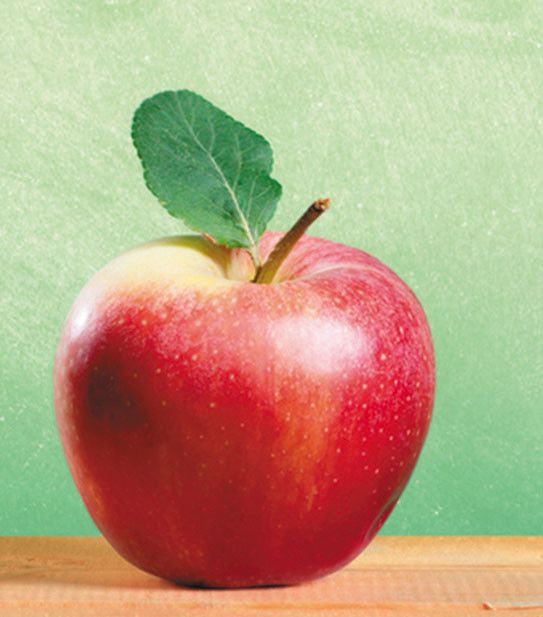
 A modest uptick in the amount of fruit and vegetables you eat can help ward off type 2 diabetes, according to a study published online July 8, 2020, by The BMJ. From a much larger study involving some 340,000 people from eight European countries, scientists selected 9,754 participants who were newly diagnosed with diabetes over a decade. Researchers compared the fruit and vegetable intakes of these people to those of about 13,000 participants who remained diabetes-free during the study period. Researchers also measured blood levels of seven key plant-derived nutrients, including vitamin C and brightly colored antioxidant pigments called carotenoids. People with the highest intakes of fruit and vegetables and the highest blood levels of the plant-derived nutrients were 25% to 50% less likely to get diabetes during the study period, compared with those who ate the least of these food groups or had the lowest nutrient levels. Even better, it didn’t take a whole lot of extra green, red, yellow, and orange on the plate to make a dent in diabetes risk. The equivalent of only two-thirds of a medium apple or just over one-third of a cup of mixed fruit each day offered protection.


 Healthaware