2026 is the Year of the Cabbage @voguebeauty

2026 Is the Year of the Cabbage: Meet the Most Underrated Leafy Green

By Audrey Noble

January 13, 2026

Cabbage often—and unfairly—gets overlooked, with flashier veggies and protein-dense superfoods getting all the attention. But as far as nutritional food options go, the leafy green is pretty hard to beat. A staple in different cuisines (American coleslaw! Middle Eastern malfouf! Chinese suan la bai cai!), cabbage has been a longtime favorite amongst global chefs.

“Much of this stems from its versatility,” Woldy Reyes, chef and author of the cookbook In the Kusina: My Seasonal Filipino Cooking, tells Vogue. “We are seeing a growing trend of chefs utilizing it as a centerpiece, such as cabbage steaks, rather than as a side dish. The culinary appeal has never been stronger.”

“Its popularity stems from its ability to transform,” adds Tatiana Mora, chef of plant-based Michelin star restaurant Mita. “It can be eaten raw, fermented, steamed, roasted, or sautéed, consistently providing flavor, texture, and nutrition. I love it because it is a noble vegetable that grows easily, keeps well, and can be used almost entirely, making it perfect for a conscious and respectful approach to cooking.”

It’s accessible, easy to cook, and delicious. Here are all the reasons cabbage deserves a seat at your table (get it?) in 2026.

What is cabbage?

Cabbage is a leafy green that is part of the brassica plant family (which also includes broccoli, cauliflower, brussels sprouts, and kale), says Amy Shapiro, RD, registered dietitian and founder of Real Nutrition. It comes in several varieties, but the most common ones you’ll see are green, red (or purple), and savoy. What makes cabbage different from other leafy greens is its density and durability. “It’s heartier, stores longer, and holds up well to cooking, fermenting, and shredding,” Shapiro says. “Nutritionally, it shares many benefits with other cruciferous vegetables, but it’s often milder in flavor and more versatile across cuisines.”

The Benefits

Besides its versatility, one of the main benefits of cabbage is its many nutrients. Shapiro lists other main benefits of the leafy green:

Supports Gut Health

Shapiro says that, because cabbage contains fiber and other compounds that support digestion, eating this leafy green can benefit the gut bacteria and boost gut health.

Anti-Inflammatory Properties

Cabbage is also rich in antioxidants and phytonutrients that studies have shown can reduce inflammation, she says.

Boosts Heart Health

Along with fiber, cabbage has potassium, which supports healthy cholesterol levels and blood pressure. Cabbage also has vitamin K, which is essential for blood clotting (and bone health). Shapiro points to red cabbage in particular, which she says contains antioxidants called anthocyanins that studies have shown can improve brain and heart health.

Regulates Blood Sugar

Cabbage is low in calories and carbs while being high in fiber, which can help stabilize glucose levels in the body.

Boosts Immune System

Shapiro says that cabbage is rich in sulfur-containing compounds to help strengthen your immune system’s defences—and vitamin C, which studies have shown can provide antioxidant protection and support immune health.

2026 is the Year of the Cabbage @voguebeauty

2026 Is the Year of the Cabbage: Meet the Most Underrated Leafy Green

By Audrey Noble

January 13, 2026

Cabbage often—and unfairly—gets overlooked, with flashier veggies and protein-dense superfoods getting all the attention. But as far as nutritional food options go, the leafy green is pretty hard to beat. A staple in different cuisines (American coleslaw! Middle Eastern malfouf! Chinese suan la bai cai!), cabbage has been a longtime favorite amongst global chefs.

“Much of this stems from its versatility,” Woldy Reyes, chef and author of the cookbook In the Kusina: My Seasonal Filipino Cooking, tells Vogue. “We are seeing a growing trend of chefs utilizing it as a centerpiece, such as cabbage steaks, rather than as a side dish. The culinary appeal has never been stronger.”

“Its popularity stems from its ability to transform,” adds Tatiana Mora, chef of plant-based Michelin star restaurant Mita. “It can be eaten raw, fermented, steamed, roasted, or sautéed, consistently providing flavor, texture, and nutrition. I love it because it is a noble vegetable that grows easily, keeps well, and can be used almost entirely, making it perfect for a conscious and respectful approach to cooking.”

It’s accessible, easy to cook, and delicious. Here are all the reasons cabbage deserves a seat at your table (get it?) in 2026.

What is cabbage?

Cabbage is a leafy green that is part of the brassica plant family (which also includes broccoli, cauliflower, brussels sprouts, and kale), says Amy Shapiro, RD, registered dietitian and founder of Real Nutrition. It comes in several varieties, but the most common ones you’ll see are green, red (or purple), and savoy. What makes cabbage different from other leafy greens is its density and durability. “It’s heartier, stores longer, and holds up well to cooking, fermenting, and shredding,” Shapiro says. “Nutritionally, it shares many benefits with other cruciferous vegetables, but it’s often milder in flavor and more versatile across cuisines.”

The Benefits

Besides its versatility, one of the main benefits of cabbage is its many nutrients. Shapiro lists other main benefits of the leafy green:

Supports Gut Health

Shapiro says that, because cabbage contains fiber and other compounds that support digestion, eating this leafy green can benefit the gut bacteria and boost gut health.

Anti-Inflammatory Properties

Cabbage is also rich in antioxidants and phytonutrients that studies have shown can reduce inflammation, she says.

Boosts Heart Health

Along with fiber, cabbage has potassium, which supports healthy cholesterol levels and blood pressure. Cabbage also has vitamin K, which is essential for blood clotting (and bone health). Shapiro points to red cabbage in particular, which she says contains antioxidants called anthocyanins that studies have shown can improve brain and heart health.

Regulates Blood Sugar

Cabbage is low in calories and carbs while being high in fiber, which can help stabilize glucose levels in the body.

Boosts Immune System

Shapiro says that cabbage is rich in sulfur-containing compounds to help strengthen your immune system’s defences—and vitamin C, which studies have shown can provide antioxidant protection and support immune health.

Lorraine Cooney, Specialist Gastroenterology Dietitian and Head of Dietetics Department at Blackrock Health, Blackrock Clinic #WorldIBDDay #GutHealth

This World IBD Day, we’re recognising the strength of those living with Inflammatory Bowel Disease (IBD). Conditions like Crohn’s Disease and Ulcerative Colitis can be unpredictable, often bringing physical discomfort and emotional strain.

As Lorraine Cooney, Specialist Gastroenterology Dietitian and Head of Dietetics Department at Blackrock Health, Blackrock Clinic, says,

“IBD affects more than just your gut—it can impact every part of life. And diet in IBS matters! There’s no one-size-fits-all, so support should be personal. The right approach depends on your type of IBD, how active it is, any IBS-type symptoms, your nutrition status, culture and even your relationship with food. On World IBD Day, let’s raise awareness and remind people with IBD that they’re not alone.”

At Blackrock Health, our gastroenterology teams understand the impact of IBD. Across our three hospitals, we offer expert care, timely diagnostics, and ongoing support to help patients manage symptoms and take back control of their health.

If you’re living with IBD or experiencing persistent digestive issues, we’re here to help.

Learn more here: https://ow.ly/sfTE50VPVtZ

#WorldIBDDay#CrohnsAndColitis#BlackrockHealth#GutHealthCare#BetterTogether

Lorraine Cooney, Specialist Gastroenterology Dietitian and Head of Dietetics Department at Blackrock Health, Blackrock Clinic #WorldIBDDay #GutHealth

This World IBD Day, we’re recognising the strength of those living with Inflammatory Bowel Disease (IBD). Conditions like Crohn’s Disease and Ulcerative Colitis can be unpredictable, often bringing physical discomfort and emotional strain.

As Lorraine Cooney, Specialist Gastroenterology Dietitian and Head of Dietetics Department at Blackrock Health, Blackrock Clinic, says,

“IBD affects more than just your gut—it can impact every part of life. And diet in IBS matters! There’s no one-size-fits-all, so support should be personal. The right approach depends on your type of IBD, how active it is, any IBS-type symptoms, your nutrition status, culture and even your relationship with food. On World IBD Day, let’s raise awareness and remind people with IBD that they’re not alone.”

At Blackrock Health, our gastroenterology teams understand the impact of IBD. Across our three hospitals, we offer expert care, timely diagnostics, and ongoing support to help patients manage symptoms and take back control of their health.

If you’re living with IBD or experiencing persistent digestive issues, we’re here to help.

Learn more here: https://ow.ly/sfTE50VPVtZ

#WorldIBDDay#CrohnsAndColitis#BlackrockHealth#GutHealthCare#BetterTogether

Lorraine Cooney, Specialist Gastroenterology Dietitian and Head of Dietetics Department at Blackrock Health, Blackrock Clinic #WorldIBDDay #GutHealth

This World IBD Day, we’re recognising the strength of those living with Inflammatory Bowel Disease (IBD). Conditions like Crohn’s Disease and Ulcerative Colitis can be unpredictable, often bringing physical discomfort and emotional strain.

As Lorraine Cooney, Specialist Gastroenterology Dietitian and Head of Dietetics Department at Blackrock Health, Blackrock Clinic, says,

“IBD affects more than just your gut—it can impact every part of life. And diet in IBS matters! There’s no one-size-fits-all, so support should be personal. The right approach depends on your type of IBD, how active it is, any IBS-type symptoms, your nutrition status, culture and even your relationship with food. On World IBD Day, let’s raise awareness and remind people with IBD that they’re not alone.”

At Blackrock Health, our gastroenterology teams understand the impact of IBD. Across our three hospitals, we offer expert care, timely diagnostics, and ongoing support to help patients manage symptoms and take back control of their health.

If you’re living with IBD or experiencing persistent digestive issues, we’re here to help.

Learn more here: https://ow.ly/sfTE50VPVtZ

#WorldIBDDay#CrohnsAndColitis#BlackrockHealth#GutHealthCare#BetterTogether

5 Health Benefits of Pears @ClevelandClinic #bloodsugar

Ironically, not every pear is “pear-shaped.” One variety, Asian pears, is actually shaped like an apple. But no matter their shape, all pears are rich in disease-fighting nutrients.

“Pears are so healthy, and most people tolerate them very well,” says registered dietitian Beth Czerwony, RD, LD. “They’re terrific for your digestion and have other impressive health benefits. They’re a perfect snack if you’re craving something sweet.”

Types of pears

Pears are members of the Rosaceae plant family, along with apples, apricots, cherriespeaches and several other fruits and berries. Pears can range in texture, color, crispness, juiciness and sweetness. Common varieties you may find in the grocery store include:

  • Anjou (green or red).
  • Asian.
  • Bartlett.
  • Bosc.
  • Comice.
  • Concorde.
  • Forelle.
  • Seckel.
  • Starkrimson.

Health benefits of pears

Are pears good for you? Absolutely. Pears are a great source of antioxidants, fiber, potassium and vitamin C. But they’re not just full of nutrients — they also may lower your risk of some diseases. Here are five ways pears boost your health.

1. A nutritious source of vitamins and minerals

Like most fruit, pears are a source of good nutrition. One medium pear has approximately:

A medium pear also gives you:

2. Helps manage your blood sugar

Nobody enjoys the dreaded crash that happens after sugary foods spike your blood glucose. Steady blood sugar means a steady supply of energy, which is healthier for your body. Blood sugar management is even more important if you have diabetes.

Czerwony says pears may help stabilize blood sugar and even reduce your risk of Type 2 diabetes. How? Fiber, for starters. A medium pear offers nearly one-quarter of the fiber you need in a day. Fiber helps keep blood sugar steadier by slowing your body’s absorption of sugar.

Pears also contain anthocyanin, an antioxidant. An observational study suggests a link between eating anthocyanin-rich foods and a lower risk of Type 2 diabetes.

Another study showed that eating pears could significantly lower your odds of developing Type 2 diabetes. For each serving of pears eaten per week, researchers found a 3% lower risk of Type 2 diabetes.

In addition, pears are a low-glycemic food, which means they won’t spike your blood sugar like sugary foods and some fruits can.

3. Relieves constipation and improves digestive health

Fiber adds bulk to and softens your stool, which helps things move along in your gut. Lots of foods contain fiber, but pears are a particularly excellent source.

A single pear contains 6 grams of fiber (more than 20% of what an adult needs in a day). And pectin, a type of fiber in pears, has some specific benefits. Pectin is a soluble fiber known to help:

  • Constipation: In a study of 80 people with constipation, pectin significantly improved food movement through their digestive systems and reduced symptoms.
  • Gut microbiome: Pectin promotes the growth of good bacteria in your colon, according to a review of several studies, helping your microbiome stay healthy.

To reap the fibrous benefit of pears, don’t skip the skin. “Pear skin contains a significant amount of the fruit’s total fiber content,” notes Czerwony.

4. Lowers inflammation

Inflammation happens when your immune system tries to protect you from something — an infection, a toxin or some other offender. Some temporary inflammation is actually a healthy response to these things. But when inflammation hangs around, it can contribute to diseases such as Alzheimer’s, asthma, cancer and Type 2 diabetes.

Antioxidants are nutrients that can prevent some of the cell damage that leads to inflammation. Pears are rich in powerful types of antioxidants called flavonoids.

Research shows that flavonoids can reduce inflammation and lower the risk of:

5. Promotes heart health

Pears are an excellent part of a heart-healthy diet. Nutrients in pears that can benefit your heart include:

In addition, a study examining the effects of fruit and vegetable consumption suggests eating pears lowers your risk of stroke. And one large clinical trial showed a link between eating pears and a lower risk of dying from heart disease.

Are fresh, canned or frozen pears better?

“In general, fresh fruits are best because they have the highest amount of nutrients,” explains Czerwony. “Frozen is usually a close second to fresh. The heat of canning, though, can break down certain nutrients.”

But don’t avoid canned pears completely. They’re still good for you. She advises looking for pears in water rather than syrup, which adds unneeded sugar.

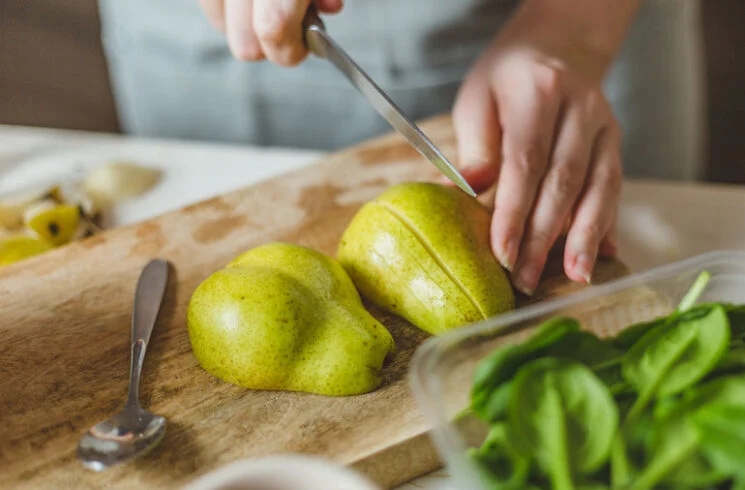
“You might be surprised by what you can do with fresh pears,” she adds. “Think of how you use apples — sliced raw, in pies or baked — and you can do all those things with pears.”

Try making this poached pear dessert, include pears in your stuffing or make some interesting salads with pears.

5 Health Benefits of Pears @ClevelandClinic #bloodsugar

Ironically, not every pear is “pear-shaped.” One variety, Asian pears, is actually shaped like an apple. But no matter their shape, all pears are rich in disease-fighting nutrients.

“Pears are so healthy, and most people tolerate them very well,” says registered dietitian Beth Czerwony, RD, LD. “They’re terrific for your digestion and have other impressive health benefits. They’re a perfect snack if you’re craving something sweet.”

Types of pears

Pears are members of the Rosaceae plant family, along with apples, apricots, cherriespeaches and several other fruits and berries. Pears can range in texture, color, crispness, juiciness and sweetness. Common varieties you may find in the grocery store include:

  • Anjou (green or red).
  • Asian.
  • Bartlett.
  • Bosc.
  • Comice.
  • Concorde.
  • Forelle.
  • Seckel.
  • Starkrimson.

Health benefits of pears

Are pears good for you? Absolutely. Pears are a great source of antioxidants, fiber, potassium and vitamin C. But they’re not just full of nutrients — they also may lower your risk of some diseases. Here are five ways pears boost your health.

1. A nutritious source of vitamins and minerals

Like most fruit, pears are a source of good nutrition. One medium pear has approximately:

A medium pear also gives you:

2. Helps manage your blood sugar

Nobody enjoys the dreaded crash that happens after sugary foods spike your blood glucose. Steady blood sugar means a steady supply of energy, which is healthier for your body. Blood sugar management is even more important if you have diabetes.

Czerwony says pears may help stabilize blood sugar and even reduce your risk of Type 2 diabetes. How? Fiber, for starters. A medium pear offers nearly one-quarter of the fiber you need in a day. Fiber helps keep blood sugar steadier by slowing your body’s absorption of sugar.

Pears also contain anthocyanin, an antioxidant. An observational study suggests a link between eating anthocyanin-rich foods and a lower risk of Type 2 diabetes.

Another study showed that eating pears could significantly lower your odds of developing Type 2 diabetes. For each serving of pears eaten per week, researchers found a 3% lower risk of Type 2 diabetes.

In addition, pears are a low-glycemic food, which means they won’t spike your blood sugar like sugary foods and some fruits can.

3. Relieves constipation and improves digestive health

Fiber adds bulk to and softens your stool, which helps things move along in your gut. Lots of foods contain fiber, but pears are a particularly excellent source.

A single pear contains 6 grams of fiber (more than 20% of what an adult needs in a day). And pectin, a type of fiber in pears, has some specific benefits. Pectin is a soluble fiber known to help:

  • Constipation: In a study of 80 people with constipation, pectin significantly improved food movement through their digestive systems and reduced symptoms.
  • Gut microbiome: Pectin promotes the growth of good bacteria in your colon, according to a review of several studies, helping your microbiome stay healthy.

To reap the fibrous benefit of pears, don’t skip the skin. “Pear skin contains a significant amount of the fruit’s total fiber content,” notes Czerwony.

4. Lowers inflammation

Inflammation happens when your immune system tries to protect you from something — an infection, a toxin or some other offender. Some temporary inflammation is actually a healthy response to these things. But when inflammation hangs around, it can contribute to diseases such as Alzheimer’s, asthma, cancer and Type 2 diabetes.

Antioxidants are nutrients that can prevent some of the cell damage that leads to inflammation. Pears are rich in powerful types of antioxidants called flavonoids.

Research shows that flavonoids can reduce inflammation and lower the risk of:

5. Promotes heart health

Pears are an excellent part of a heart-healthy diet. Nutrients in pears that can benefit your heart include:

In addition, a study examining the effects of fruit and vegetable consumption suggests eating pears lowers your risk of stroke. And one large clinical trial showed a link between eating pears and a lower risk of dying from heart disease.

Are fresh, canned or frozen pears better?

“In general, fresh fruits are best because they have the highest amount of nutrients,” explains Czerwony. “Frozen is usually a close second to fresh. The heat of canning, though, can break down certain nutrients.”

But don’t avoid canned pears completely. They’re still good for you. She advises looking for pears in water rather than syrup, which adds unneeded sugar.

“You might be surprised by what you can do with fresh pears,” she adds. “Think of how you use apples — sliced raw, in pies or baked — and you can do all those things with pears.”

Try making this poached pear dessert, include pears in your stuffing or make some interesting salads with pears.