
·
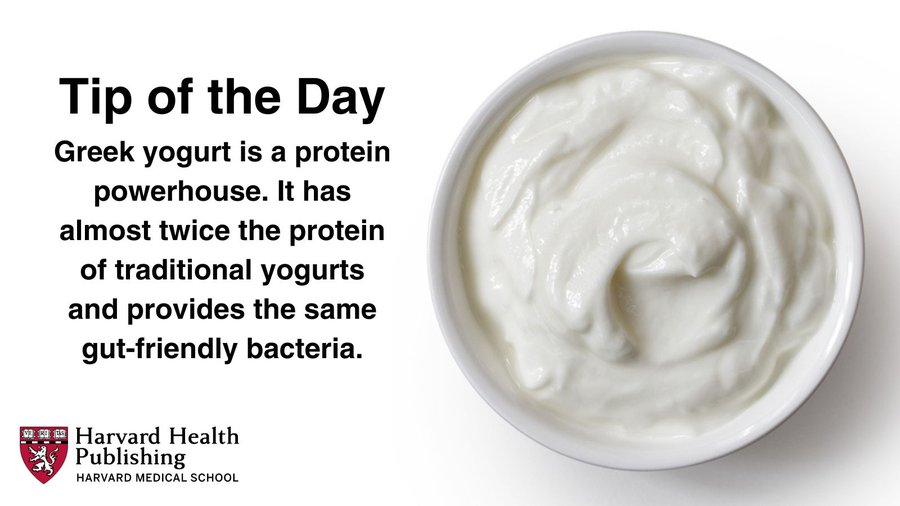
Protein in Greek yogurt: Greek yogurt is a protein powerhouse. It has almost twice the protein of traditional yogurts and provides the same gut-friendly bacteria. #HarvardHealth

Health is Wealth
·
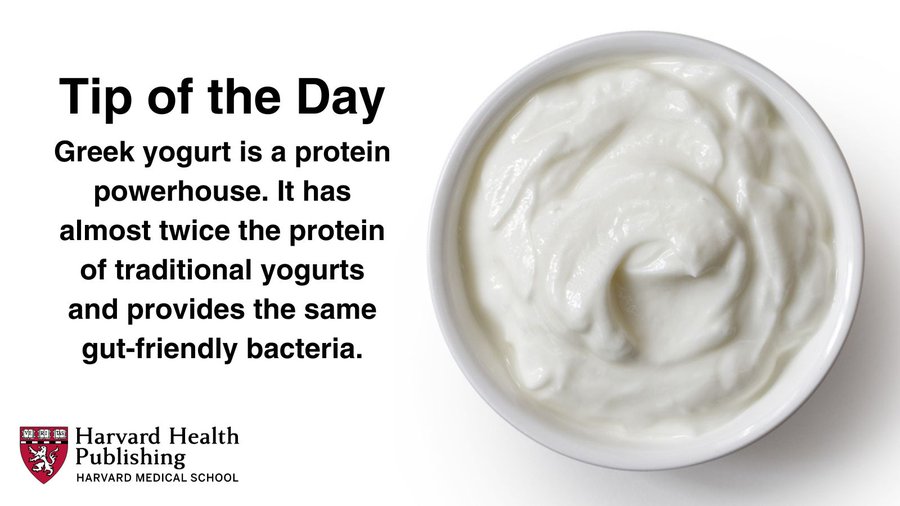
Protein in Greek yogurt: Greek yogurt is a protein powerhouse. It has almost twice the protein of traditional yogurts and provides the same gut-friendly bacteria. #HarvardHealth
·
Protein in Greek yogurt: Greek yogurt is a protein powerhouse. It has almost twice the protein of traditional yogurts and provides the same gut-friendly bacteria. #HarvardHealth
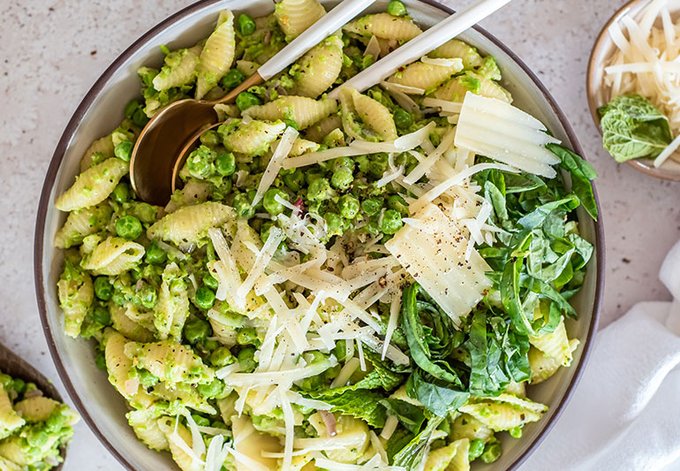

There is something special about using fresh peas straight out of the pod. This recipe was inspired by our root-to-stem philosophy of cooking: It always seems like such a waste to throw away the pea pods, but they are relatively inedible. To make use of the pods, we’ve pureed them into a spring-fresh pasta sauce. Remember: Pasta for breakfast is a great choice, especially when it’s loaded with healthful pea protein.
Kosher salt
1 pound fresh English peas in pods (yields about 1 cup shelled peas and about 3 ½ cups pods)
½ cup water
¼ cup extra-virgin olive oil
2 small spring onions or 2 large shallots, chopped
2 small spring garlic (whites) or 3 garlic cloves, minced
2 tablespoons Greek yogurt (optional)
12 ounces whole grain pasta, such as linguine, rigatoni or small shells
Freshly ground black pepper
¼ cup fresh mint (peppermint preferred), thinly sliced
Espelette pepper to taste (optional)
Grated Parmigiano Reggiano cheese (optional)
Makes 4 servings.
Calories: 554 kcal
Total fiber: 12 g
Soluble fiber: 0.1 g
Protein: 15.5 g
Total fat: 16.7 g
Saturated fat: 2.0 g
Healthy fats: 12.1 g
Carbohydrates: 84 g
Sugars: 7.7 g
Added sugars: 0 g
Sodium: 178 mg
Potassium: 433 mg
Magnesium: 14 mg
Calcium: 134 mg
Source: The What to Eat When Cookbook by Michael F. Roizen, MD, Michael Crupain, MD, MPH and Jim Perko, Sr, CEC, AAC.
·
Protein in Greek yogurt: Greek yogurt is a protein powerhouse. It has almost twice the protein of traditional yogurts and provides the same gut-friendly bacteria. #HarvardHealth
There is something special about using fresh peas straight out of the pod. This recipe was inspired by our root-to-stem philosophy of cooking: It always seems like such a waste to throw away the pea pods, but they are relatively inedible. To make use of the pods, we’ve pureed them into a spring-fresh pasta sauce. Remember: Pasta for breakfast is a great choice, especially when it’s loaded with healthful pea protein.
Kosher salt
1 pound fresh English peas in pods (yields about 1 cup shelled peas and about 3 ½ cups pods)
½ cup water
¼ cup extra-virgin olive oil
2 small spring onions or 2 large shallots, chopped
2 small spring garlic (whites) or 3 garlic cloves, minced
2 tablespoons Greek yogurt (optional)
12 ounces whole grain pasta, such as linguine, rigatoni or small shells
Freshly ground black pepper
¼ cup fresh mint (peppermint preferred), thinly sliced
Espelette pepper to taste (optional)
Grated Parmigiano Reggiano cheese (optional)
Makes 4 servings.
Calories: 554 kcal
Total fiber: 12 g
Soluble fiber: 0.1 g
Protein: 15.5 g
Total fat: 16.7 g
Saturated fat: 2.0 g
Healthy fats: 12.1 g
Carbohydrates: 84 g
Sugars: 7.7 g
Added sugars: 0 g
Sodium: 178 mg
Potassium: 433 mg
Magnesium: 14 mg
Calcium: 134 mg
Source: The What to Eat When Cookbook by Michael F. Roizen, MD, Michael Crupain, MD, MPH and Jim Perko, Sr, CEC, AAC.
·
Protein in Greek yogurt: Greek yogurt is a protein powerhouse. It has almost twice the protein of traditional yogurts and provides the same gut-friendly bacteria. #HarvardHealth
·
Protein in Greek yogurt: Greek yogurt is a protein powerhouse. It has almost twice the protein of traditional yogurts and provides the same gut-friendly bacteria. #HarvardHealth
There is something special about using fresh peas straight out of the pod. This recipe was inspired by our root-to-stem philosophy of cooking: It always seems like such a waste to throw away the pea pods, but they are relatively inedible. To make use of the pods, we’ve pureed them into a spring-fresh pasta sauce. Remember: Pasta for breakfast is a great choice, especially when it’s loaded with healthful pea protein.
Kosher salt
1 pound fresh English peas in pods (yields about 1 cup shelled peas and about 3 ½ cups pods)
½ cup water
¼ cup extra-virgin olive oil
2 small spring onions or 2 large shallots, chopped
2 small spring garlic (whites) or 3 garlic cloves, minced
2 tablespoons Greek yogurt (optional)
12 ounces whole grain pasta, such as linguine, rigatoni or small shells
Freshly ground black pepper
¼ cup fresh mint (peppermint preferred), thinly sliced
Espelette pepper to taste (optional)
Grated Parmigiano Reggiano cheese (optional)
Makes 4 servings.
Calories: 554 kcal
Total fiber: 12 g
Soluble fiber: 0.1 g
Protein: 15.5 g
Total fat: 16.7 g
Saturated fat: 2.0 g
Healthy fats: 12.1 g
Carbohydrates: 84 g
Sugars: 7.7 g
Added sugars: 0 g
Sodium: 178 mg
Potassium: 433 mg
Magnesium: 14 mg
Calcium: 134 mg
Source: The What to Eat When Cookbook by Michael F. Roizen, MD, Michael Crupain, MD, MPH and Jim Perko, Sr, CEC, AAC.
·
Protein in Greek yogurt: Greek yogurt is a protein powerhouse. It has almost twice the protein of traditional yogurts and provides the same gut-friendly bacteria. #HarvardHealth
There is something special about using fresh peas straight out of the pod. This recipe was inspired by our root-to-stem philosophy of cooking: It always seems like such a waste to throw away the pea pods, but they are relatively inedible. To make use of the pods, we’ve pureed them into a spring-fresh pasta sauce. Remember: Pasta for breakfast is a great choice, especially when it’s loaded with healthful pea protein.
Kosher salt
1 pound fresh English peas in pods (yields about 1 cup shelled peas and about 3 ½ cups pods)
½ cup water
¼ cup extra-virgin olive oil
2 small spring onions or 2 large shallots, chopped
2 small spring garlic (whites) or 3 garlic cloves, minced
2 tablespoons Greek yogurt (optional)
12 ounces whole grain pasta, such as linguine, rigatoni or small shells
Freshly ground black pepper
¼ cup fresh mint (peppermint preferred), thinly sliced
Espelette pepper to taste (optional)
Grated Parmigiano Reggiano cheese (optional)
Makes 4 servings.
Calories: 554 kcal
Total fiber: 12 g
Soluble fiber: 0.1 g
Protein: 15.5 g
Total fat: 16.7 g
Saturated fat: 2.0 g
Healthy fats: 12.1 g
Carbohydrates: 84 g
Sugars: 7.7 g
Added sugars: 0 g
Sodium: 178 mg
Potassium: 433 mg
Magnesium: 14 mg
Calcium: 134 mg
Source: The What to Eat When Cookbook by Michael F. Roizen, MD, Michael Crupain, MD, MPH and Jim Perko, Sr, CEC, AAC.
 Healthaware