A salad combination you may not have thought of, but will now be hooked on
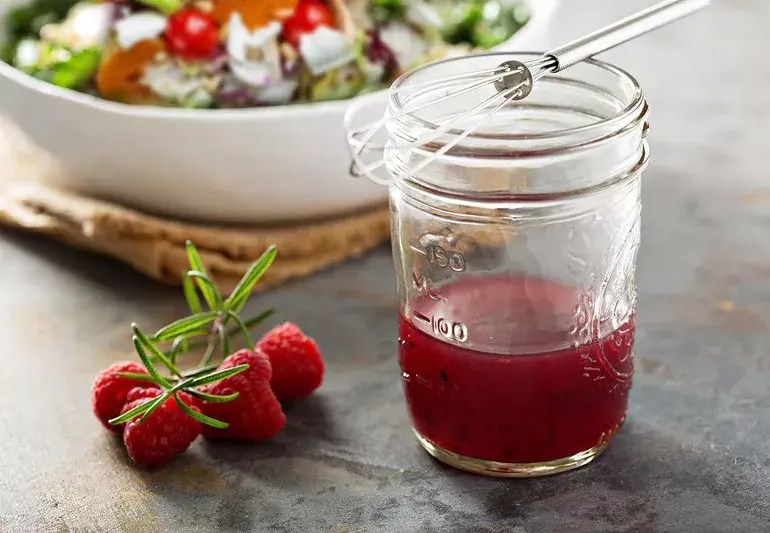
This salad is a perfect addition to a large dinner menu when you have guests over for dinner and have a lot of other dishes to prepare. It’s bright and flavorful, and you can make the dressing a day or two ahead to prep!
Ingredients
Dressing
1 1/2 cups frozen raspberries, thawed 2 to 4 tablespoons orange juice (depending on thickness desired) 1 tablespoon white wine vinegar 1 teaspoon sugar 1 tablespoon orange zest 4 tablespoons chopped fresh chives
Salad
1 pound romaine lettuce, washed, dried and torn into bite-sized pieces 1 pound radicchio, washed, dried, shredded 3 carrots, peeled and grated 1 cup mandarin oranges, drained, patted dry 20 cherry tomatoes, quartered
Directions
Assemble salad ingredients in salad bowl and toss.
Put all ingredients for the dressing in food processor or blender (except for 2 tablespoons chives), and process.
After all is processed, stir in the remaining 2 tablespoons chives.
Pour over salad just before serving and toss.
Nutrition information (per serving)
Calories: 107 Total fat: 0.5 g Saturated fat: 0.1 g Protein: 3 g Carbohydrate: 25 g Fiber: 5.4 g Sodium: 37 mg
—Recipe developed and copyrighted by Kristine Napier, MPH, RD, LD.
You go to the store to pick up some apples. Seems simple enough — until you’re faced with a dozen different varieties in the produce aisle. You want the healthiest apple, so which one will keep the doctor away? Dietitian Mira Ilic, RD, LD, reveals the juicy details about this popular fruit. Big difference in taste, not nutrition Apples have slightly different nutrients depending on their type and color. For instance, Red Delicious apples have polyphenols that are exclusively found in dark red fruits. Polyphenols are plant compounds that may help prevent cancer, heart disease and other conditions. But if the thought of biting into a Red Delicious isn’t appealing, don’t worry. Any apple you buy will deliver a punch of health-boosting nutrients. “The nutritional differences among apple varieties are small,” says Ilic. “But the taste differences are big. Don’t choose an apple based on a small nutrient difference if you don’t like the taste.” Choose fresh and local apples Whatever apple variety you pick, make sure it’s fresh. Old apples aren’t as nutritious, don’t taste as good and could be rotten. “Choose a firm apple with no bruises,” says Ilic. “Look for bright color, keeping in mind that some apple varieties are naturally more colorful. Fresh apples usually have a nice aroma, too.” Whenever possible, go with local apples. The less your apple had to travel, the more nutritious it is when it gets to you. July through October is prime apple season in the U.S. During these months, local apples are easy to find. When you choose apples in the off-season, check the sticker for its country of origin. If your apple traveled a long distance, it probably lost some of its nutrition in transport. Try to choose apples that come from a nearby country. “We don’t have the option to eat local apples year-round,” Ilic says. “In the off-season, we have to get apples from other parts of the world. No matter where they come from, wash them thoroughly.” You don’t need any chemicals or tools to wash your apples. Wash your hands first. Then wash your apple with running water. Gently scrub the skin with a cloth or brush. Are organic apples healthier? Some organic fruits may be slightly more nutritious than conventionally grown ones. But you don’t need to buy organic apples. They tend to cost more, which can be a downside if you’re sticking to a grocery budget. “Growers use different growing practices for organic apples and while pesticides are used on conventionally grown apples, some organic growers may actually use pesticides approved for organic farming,” explains Ilic. “The government has guidelines about what pesticides growers can use. Both types are safe and nutritious. Just wash them well if you’re still concerned about pesticide residue or you can peel your apples, but you’ll lose some nutrients and fiber found in the skin.” Have fun with apple sampling With so many apple varieties, you’re bound to find one you like. Hold an apple sampling by picking a few different types. Cut them into bite-sized pieces, put them on a plate and label them. Have your family members try the different apples and choose their favorite. An apple sampling can be a fun way to get kids to eat more apples, too. Kids often like having some control over the types of foods they eat. All apples are amazing Whether your favorite is a sour Granny Smith or a sweet Honeycrisp, you can’t go wrong with apples. “All apples are a good source of fiber, including pectin, which may help lower cholesterol,” Ilic says. “They also contain phytochemicals like polyphenols, which are antioxidants linked to multiple health benefits. Some studies have suggested that apples may also help reduce the risk of some cancers.” Bottom line: An apple a day is a healthy habit, so don’t stress about picking the right one. “Eat the apples you like because they’re all healthy,” Ilic says. FACEBOOK TWITTER LINKEDIN PINTEREST Email applesfiber
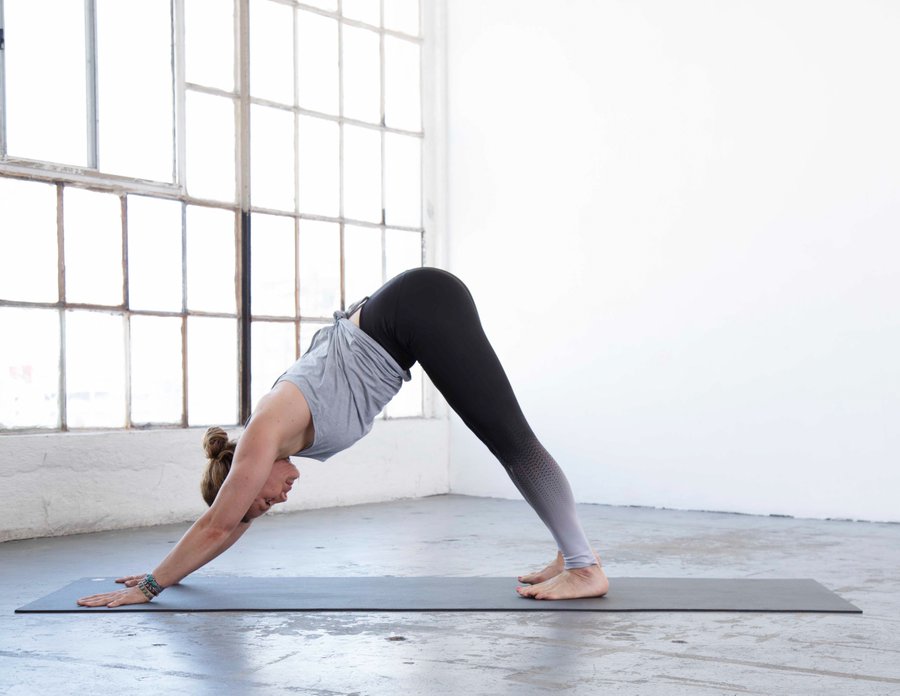
Will you downward dog today? As you grow your practice, your comfortability with downward dog will also grow! It is a full body strengthener and stimulates blood circulation. Eventually, dogward dog becomes a resting pose to help reconnect with your breath. : @MiaTogo
Registered dietitian Lara Whitson, RD, LD, shares how watermelon is actually healthy for you, along with five watermelon recipes.
Is watermelon healthy?
Watermelon is 92% water. No surprise there, considering it’s in the name. But more than keeping you hydrated during hot summer days, watermelon has a number of other health benefits. It’s packed with antioxidants like lycopene that can help protect against chronic diseases like diabetes and cardiovascular disease.
And when eaten regularly as part of a healthy balanced diet, it can help make you feel fuller longer. With a low amount of calories, sodium and cholesterol, alongside higher amounts of calcium, vitamin C and magnesium, watermelon is one fruit you don’t want to miss out on year-round. Even the rind and its seeds offer some benefits.
“You can stir-fry the rinds with other vegetables and add spices to the seeds, like you might do with pumpkin seeds, for an easy and healthful snack,” says Whitson.
Watermelon basil granita
This shaved ice dessert gets a fruity twist with watermelon chunks. It also pulls in star ingredients like fresh lime juice and basil leaves, which offer their own health benefits for a refreshing mid-afternoon sweet escape.
Watermelon, tomato and herb salad with feta
Calorie-conscious dishes can still go big on flavor. This refreshing salad, perfect for picnics and cookouts, pairs watermelon with tomatoes bountiful in benefits, alongside red wine vinegar, fresh mint, almonds and feta cheese.
Fresh watermelon fruit smoothie
This is just one of several ways to crank up your chill summer drinks: Puree 1-1 1/2 cups chopped watermelon with 1 cup ice and a little water or fresh juice for a sip-worthy smoothie as you soak in the sun.
Watermelon salad with cucumber, tomato and almonds
This recipe doubles down on the use of veggies by incorporating beefsteak tomatoes, cucumber, a fresh ear of corn and basil, along with a hearty serving of watermelon for a subtly sweet finish.
Fruit salad spring rolls
Not only is this sweet snack filling, but it also puts a dessert-like twist on classic Vietnamese and Thai spring rolls. By wrapping julienned watermelon, green apple and pineapple in spring roll wrappers made from rice paper, and creating a dipping sauce with Greek yogurt and tahini, this recipe makes for a great palate cleanser for any summer cookout.
Staying hydrated is essential, but how much water do you really need each day? While the general goal is around 100 ounces for men and 73 ounces for women, your actual needs depend on factors like activity, weather and metabolism. Water isn’t just about quenching thirst—it supports blood flow, glowing skin and even your teeth. Learn more in the Cleveland Clinic Diet App, located in the app store today!5d
Does slow running have a place in your run routine? 🏃♂️
A cardiologist (and a runner) explains how the idea of slowing your pace can prevent injuries, help you log more run miles and train your body for all the stress that comes with running: https://t.co/59Q7kSUsxmpic.twitter.com/n7a04aTE76
Here’s a medical news story that combines a common habit (drinking coffee) with a common skin condition (rosacea) — and it even has a happy ending.
What is rosacea?
Rosacea is probably something you’ve seen plenty of times and didn’t know what it was — or perhaps you have it yourself. It’s that pink or red discoloration on the cheeks some people have, especially fair-haired women. Sometimes there are small bumps that may look a bit like acne. If you look closely (after asking nicely for permission, of course), you’ll see tiny blood vessels just under the surface of the skin. In more severe cases it may involve the chin, forehead, nose, ears, and other skin surfaces. It may affect the eyes, eyelids, and cause thickening of the skin over the nose.
We don’t know what causes rosacea. However, there are theories that it may be, at least in part, a genetic condition, as it can run in families. Because the immune system seems to be involved in the inflammation of rosacea, and because other autoimmune conditions (such as type 1 diabetes and multiple sclerosis) may accompany rosacea, abnormal immune function may play a role. Medications (such as topical anti-inflammatory drugs) and antibiotics can reduce redness and inflammation but there is no cure. Many people seem to be able to reduce signs of rosacea by modifying their diet to avoid foods that trigger it.
Rosacea affects more than 14 million people in the US, including some celebrities, such as Bill Clinton and the late Diana, Princess of Wales. And while it’s not dangerous, it can have a significant cosmetic impact. Caffeine, sun exposure, spicy foods, and hormonal factors are thought to be able to trigger rosacea’s development or make it worse once present. Yet, a new study challenges the connection between caffeine and rosacea.
More coffee, less rosacea?
A recent study analyzed health data from surveys provided to nearly 83,000 women over more than a decade and found that:
Those drinking four or more cups of coffee per day were significantly less likely to report a diagnosis of rosacea than those who drank little or no coffee.
Those drinking less than four cups of coffee each day were also less likely to have rosacea, though the protective effect was smaller.
Consumption of decaffeinated coffee was not linked to a lower incidence of rosacea.
Caffeine intake from other foods or beverages (such as chocolate or tea) had no impact on the likelihood of developing rosacea.
Why is this important?
These results of this study are more than just interesting observations. If other research can confirm the findings, it could lead to a better understanding of why rosacea develops in some people and not in others. Because inflammation driven by the immune system is thought to play an important role in rosacea, insights into the development of this disease could extend to advances in other autoimmune disorders. Finally, many people with rosacea (or a family history of the disease) who like coffee may avoid it because of the widespread notion that coffee will make it worse. The findings of this study suggest that’s not true.
There are always caveats
As with all research of this type, there are limitations to consider. For example, this study
only included women, most of whom were white — we’ll need additional studies of men and other ethnic groups to know if the findings extend widely.
relied on health surveys and study participants’ memories regarding past diagnoses and diet; such survey data may not always be accurate.
found a link between higher coffee consumption with lower risk of rosacea, but it cannot determine whether coffee consumption actually caused a reduction in rosacea.
The bottom line
Coffee is one of the mostly widely consumed beverages on the planet, and it’s also among the most widely studied. While it can cause problems for some people (such as heartburn, tremor, or palpitations), it’s a source of pleasure and enjoyment for millions. In addition, coffee has been linked with a number of health benefits, ranging from reductions in type 2 diabetes and liver cancer to greater longevity. From this latest research, it appears that you can add the possible prevention of rosacea to the list.
About the Author
Robert H. Shmerling, MD, Senior Faculty Editor, Harvard Health Publishing; Editorial Advisory Board Member, Harvard Health Publishing
Dr. Robert H. Shmerling is the former clinical chief of the division of rheumatology at Beth Israel Deaconess Medical Center (BIDMC), and is a current member of the corresponding faculty in medicine at Harvard Medical School. … See Full Bio
The invisible workload of parenting can leave you stuck in mental loops:
🍼 “Which nappy cream again?” 🥦 “Is this snack okay?” 📱 “Should I Google that rash one more time?”
Anna Mathur reminds us: decision fatigue is real, and you’re not alone. Tap the link in our bio to learn more about how you can tackle decision fatigue and how Anna’s new book The Good Decision Diary can help.
Healthcare providers across the country are bracing for another season of treating respiratory viruses like the flu, respiratory syncytial virus (RSV) and COVID-19.
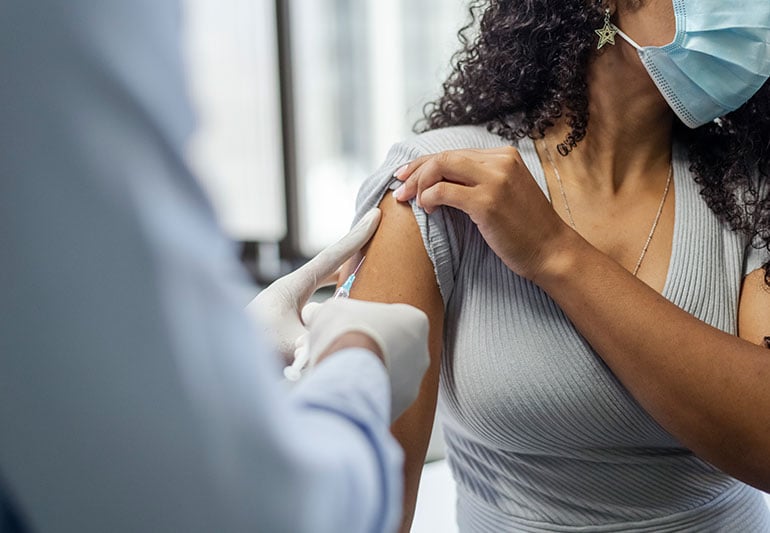
And while the flu might not seem like something to worry about, it’s a virus we should all be prepared for. So, you may be wondering, Should I get a flu shot?
“Influenza is a very serious disease, and during a normal flu season, around 40,000 or more people die from it,” says infectious disease specialist Kristin Englund, MD. “So, with any preventable disease, we should do everything we can to protect ourselves.”
Getting your flu vaccine is vital to not just keeping you and your family healthy, but also relieving our over-burdened healthcare system.
To learn more about the importance of getting the flu vaccine, we talked to Dr. Englund, along with infectious disease clinical pharmacist Kaitlyn Rivard, PharmD.
Why the vaccine matters
First of all, Dr. Englund notes that it’s just good practice to get a flu shot every year. She adds that the vaccine’s prevention-geared properties are key.
“When people get influenza or get the flu, it’s not only just the symptoms that they have, like a cough, fever and an infection in the lungs,” she says. “It taxes the body and really puts a lot of stress on all of the other systems.”
That can cause some serious complications, she continues. “You can have a heart attack or even a stroke as a side effect from having influenza. So, we want to make sure that we’re keeping everybody healthy from all of these complications.”
Dr. Englund says that a flu shot is especially important this year because other respiratory viruses like COVID-19 and RSV will be circulating.
“We’re going to have influenza, RSV and COVID-19 coexisting and there’s a lot of overlap between the symptoms,” she states. “We also anticipate that there will be some people who have co-infections, which could be difficult.”
When to get the flu vaccine
We bet you’re now wondering: So, when should I get a flu shot?
Dr. Englund and Dr. Rivard advise getting a flu vaccine as soon as it becomes available. Many healthcare providers, including the Cleveland Clinic, begin offering the flu vaccine at the beginning of September.
And in case you were wondering, the flu vaccine doesn’t interfere with the COVID-19 vaccine or the RSV vaccine.
“All available COVID-19 and RSV vaccines can be given at the same time as the flu vaccine,” clarifies Dr. Rivard. “If someone is coming in for their flu shot and they’re eligible for a COVID-19 vaccine or RSV vaccine but haven’t received it yet, we can offer that. In fact, both the CDC [U.S. Centers for Disease Control and Prevention] and the Advisory Committee on Immunization Practices recommend co-administering almost any two vaccines together.”
She adds that there are very few instances in which certain vaccines can’t be administered at the same time, noting that children often receive multiple vaccines during one visit to their pediatrician.
And there’s no concern about overloading our immune systems with multiple vaccines.
“We’re exposed to things that stimulate our immune system all the time,” Dr. Englund says. “Our immune system is constantly responding to various exposures even if you don’t realize it.”
Why it’s important to get a flu shot every year
One reason it’s so important to get your annual flu shot is this: Protecting yourself is a lot easier than treating the flu.
“There are some treatments available for the flu that are evolving,” Dr. Englund says. “But to avoid the disease altogether or to only have a mild case because you’ve been vaccinated is much better than trying to treat it. Prevention is best.”
And that goes equally for kids — it’s also crucial to get them vaccinated for the flu.
“It’s important for children to get the flu vaccine, too, because the circulation of flu in children, if nothing else, puts adults at risk, too,” emphasizes Dr. Englund.
“Influenza is a serious disease and it’s unpredictable, and otherwise healthy children are unfortunately hospitalized and die every year because of it. So, even for normal, healthy children, it’s really important to get vaccinated every year.”
Muscles in your body are a use-or-lose proposition. You need to use them to keep them strong!
You may not realize it, but we all start losing 1 percent of muscle mass each year after age 30. That’s why your diet in later years should not look the same as it did when you were younger, says endocrinologist Susan Williams, MD.
Skipping breakfast, eating fast food and being inactive in your 20s and early 30s might not hurt your health in the short term. However, poor nutrition and lifestyle habits take their toll over time.
People who embrace good habits early on really get ahead of the game, Dr. Williams says. But it’s never too late to start eating better and taking better care of your body.
Whether you’re 30 or 50, Dr. Williams offers three important tips to get started in eating right when you are thinking about your long-term health.
A roller coaster of weight gain and loss can change your body composition and leave you with more fat mass and less lean muscle mass.
2. Eat three balanced meals a day
You also want to limit your snacks in between. The word “balanced” is especially important because eating a wide variety of foods will help you prevent nutritional deficiencies.
Dr. Williams suggests this simple shopping list:
Lean proteins. Choose chicken, white fish, oily fish like salmon, eggs, tuna fish and red meat (less frequently than other protein).
Whole grains. This includes multigrain breads, and long-cooking rice or oats.
Veggies. Go for fresh or fresh frozen. Choose what’s in season and enjoy a variety to get the vitamins and minerals your body needs.
Fruit. Fresh fruit is best, followed by frozen. Canned fruit can be OK, but choose options in light syrup or water. Check the label and avoid added sugar.
Dairy. Choose milk, yogurts, cheeses and cottage cheese that are low-fat or fat-free.
Steer clear of cookies, cakes, pies, ice creams, juices and rich desserts. If that sounds like no fun, Dr. Williams advises treating these foods as treats. Save them for dining out or special occasions, but don’t make them part of your daily diet.
Eating protein and being physically active are equal partners in the quest for maximum health, Dr. Williams says. Muscles are made of protein, but simply eating protein is not enough to save them.
“Muscles in your body are a use-or-lose proposition,” she says. “You need to use them to keep them strong.”
Can’t carve out time for the gym? Try this daily routine:
After dinner, spend 10 minutes with stretch bands or light weights.
Even a half hour of physical activity can make a world of difference, especially if you make it a habit in your 30s. “Don’t let your weight creep up while your muscle mass creeps down over your 30s and 40s,” Dr. Williams says. The longer you wait, the harder it will be to get started — and the more muscle you will have already lost.