Only 130 calories per serving, this dessert deserves your attention
These delicious chocolate soufflés are perfect to share with someone you love. With rich chocolate flavor, strawberries, cinnamon and even a little Cognac, they’re only 130 calories per serving.
Ingredients
1 1/2 teaspoons oil-based butter spread
1/4 cup plus 1 teaspoon sugar
1 tablespoon ground toasted almonds
3 tablespoons plus 1 teaspoon good-quality cocoa
4 large egg whites, at room temperature
1 tablespoon Cognac
1/2 teaspoon ground cinnamon
1 teaspoon confectioners’ sugar
12 strawberries, thinly sliced
Directions
Preheat the oven to 375 F. Grease/flour 6-ounce soufflé cups with the butter spread.
Mix 1 teaspoon of the sugar with the almonds and 1 teaspoon of the cocoa. Coat the insides and bottom of the soufflé cups, tapping the sides to make sure they’re coated.
Heat 2 tablespoons water with the remaining sugar in a nonstick small pot. Bring to a simmer and cook until the mixture becomes thick, about 3 minutes. Don’t allow the syrup to color. Brush down the sugar crystals on the sides of the pot with a wet pastry brush as the syrup thickens. It will be quite hot so be careful.
While the sugar and water are simmering, beat the egg whites until stiff in the bowl of an electric mixer. While continuing to beat, slowly and carefully pour the hot sugar syrup into the egg whites. Add the 3 tablespoons cocoa, the Cognac and cinnamon.
Spoon the mixture into the soufflé cups, tapping each cup to make sure there aren’t any bubbles. Bake for 10 minutes, or until the soufflés are puffed and set. Immediately place the soufflés on dessert plates. Sift the confectioners’ sugar over the tops and decorate each plate with 3 strawberries. Serve immediately.
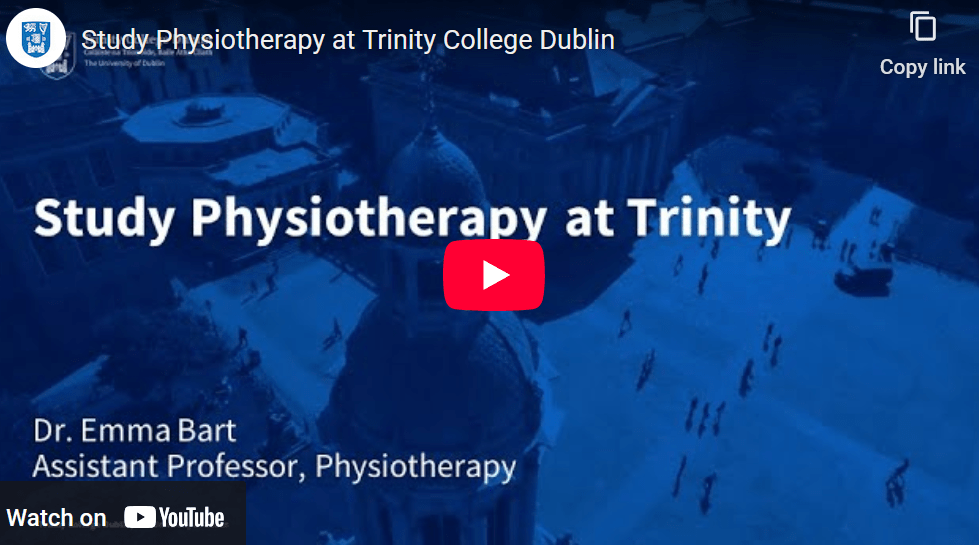
Physiotherapy (also known as physical therapy) places full and functional movement at the heart of what it means to be healthy. It involves treating patients of all ages with a range of illnesses and conditions, including those with back and neck problems, sports injuries, arthritis, or those recovering from strokes and operations. The focus of our treatment is exercise prescription.
Physiotherapists may be part of a multidisciplinary medical team that includes physicians, nurses, speech and language therapists, psychologists, occupational therapists and social workers among others. Alternatively, they may work from clinics or specialise in particular areas of the discipline.
Physiotherapy: The course for you?
Physiotherapy is both physically and academically demanding and an interest in working with people is an requirement, alongside strong communication skills. Visiting a local general hospital or other area where physiotherapists work will give you a good understanding of what exactly is involved.
Physiotherapy at Trinity
Physiotherapy is based in the Trinity Centre for Health Sciences in a purpose built complex at St. James’s Hospital. This complex houses other health science disciplines and allows physiotherapy students to share courses with those in the other health sciences to give a multidisciplinary approach to studying and working. The centre is about 3km from the main campus and is beside a Luas station on the line running between Tallaght and Connolly Station.
All students will have clinical placements at Trinity’s associated teaching hospitals of St. James’s and AMNCH in Tallaght, where there is an established expertise in most areas of physiotherapy. These placements allow students to gain experience in some of the specialist areas of physiotherapy including neurology, respiratory care, coronary care, orthopaedics, women’s health, care of the elderly, sports and out-patients.
Graduate skills and career opportunities
Successful completion of the course entitles you to membership of the Irish Society of Chartered Physiotherapists, the accrediting body for physiotherapy in Ireland. Physiotherapists are sought throughout the world and you will be able to work with a wide range of conditions or to specialise, as you wish. There is also great scope for you to continue to develop your skills and expertise in areas such as sports medicine, neurology, cardiology, respiratory, research, education, management or private practice. Students may also work with a professional sports team as part of multidisciplinary athlete support.
Your degree and what you’ll study
The major objective of this four-year course is to enable you to become a competent professional with the ability to work independently with patients. There are two components to Physiotherapy: theory and clinical practice. In the first year the emphasis is on laying a foundation of theoretical knowledge and the second year introduces students to the clinical skills and procedures used by physiotherapists. Clinical sciences are taught mainly in the second and third years. In the third and fourth years students spend up to fifty percent of their time on clinical placement. In the fourth-year, students have an opportunity to develop specialist knowledge in a particular area of physiotherapy and undertake a research project.
First and second years
In first and second year as you will have approximately 20 hours of teaching each week, divided between lecture and practical classes.
Courses covered in the first two years include: Physiology, Anatomy, Physics, Chemistry, Pathology, and Exercise. You will also start to study various conditions and specialities frequently seen in physiotherapy, such as respiratory conditions and musculoskeletal conditions.
At the end of second year you will start clinical placements under the supervision of skilled and experienced tutors. These may be taken in hospitals, clinics, day centres or within private and community practice.
Third and fourth years
In the third year, half of the time is spent on academic studies and the other half on clinical placements in a variety of settings both within and outside the Dublin area.
In fourth year, you will undertake an investigative project and study the following subjects: sports and exercise medicine, ergonomics, professional issues and advances in physiotherapy.
End-of-year written examinations and tests in certain subjects, such as anatomy, make up the theoretical assessment structure. There are a number of submitted assignments in third and fourth years.
In addition, you will be continuously assessed during your clinical placement and will have practical exams on the skills element of the course, including your assessment of a patient while on a clinical placement.
Click here for further information on modules/subjects.
Spending time in nature has always been a source of comfort and strength. Gardens and green spaces provide not only beauty and joy, but also vital support for our mental, physical and spiritual wellbeing.
Today the Royal Horticultural Society are announcing a new Rose, “Catherine’s Rose”, grown by Harkness Roses. The proceeds from this rose will support The Royal Marsden Cancer Charity, helping patients across the country live well with, and beyond, cancer 🌹1w
According to the most recent ONS statistics, from 2018, liver disease is consistently among the top three causes of death each year among women aged 39-45 Binge Drinking and Me is on
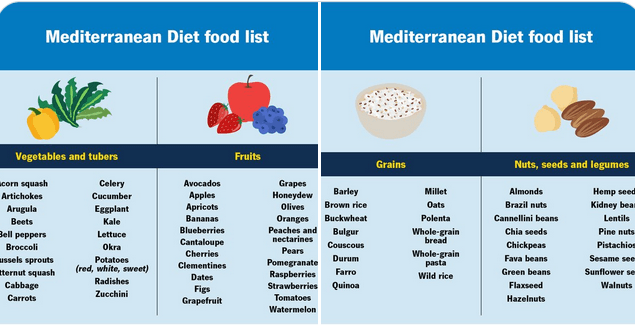
The Mediterranean Diet can lower your risk of cardiovascular disease and many other chronic conditions. It encourages you to eat plenty of some foods (like whole grains and vegetables) while limiting others. If you’re planning a grocery store trip, you might wonder which foods to
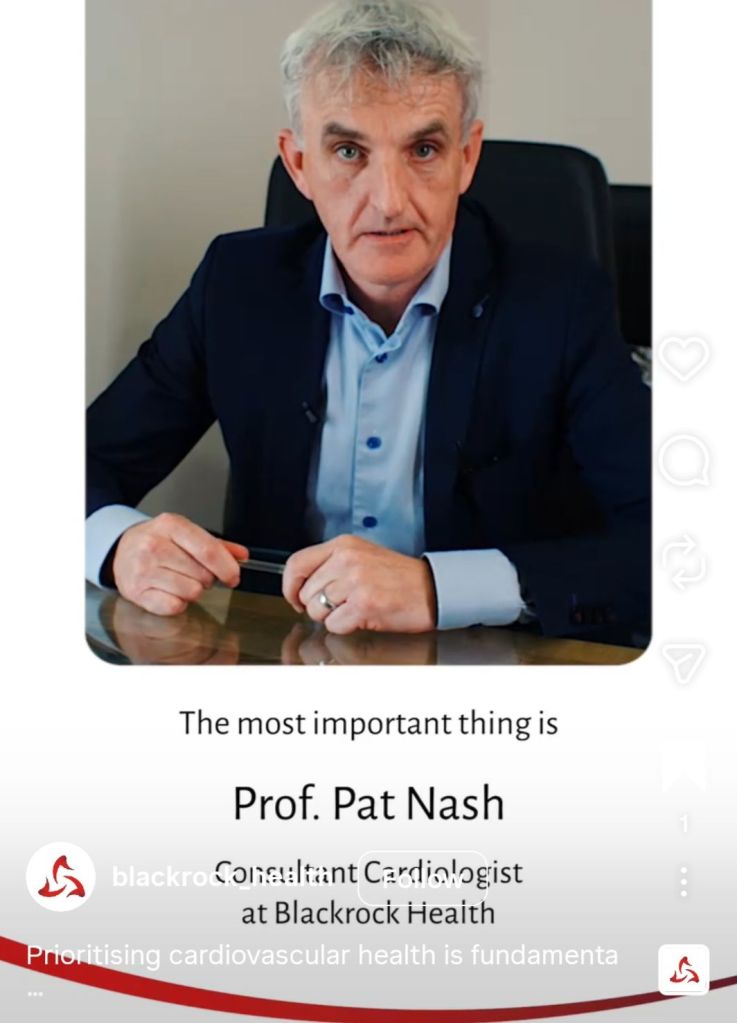
Blackrock Health Womens Health Centre is officially open at 2-5 Warrington Place, Dublin 2!
From gynaecology to menopause, cardiology to pelvic health – we offer a wide range of services for every stage of your health journey.
Don’t delay your well-being and book your appointment today.
You can access our clinic directly through our website, or with a referral from your GP. Learn more about our patient-centred approach and book an appointment here: https://ow.ly/jGy850XsMvR
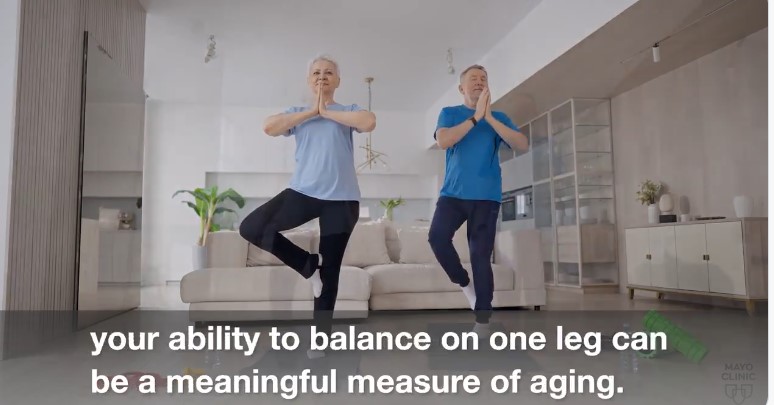
Measuring how well a person is aging can be as simple as standing on one leg. It may not be easy for everyone to maintain balance on one leg, but according to Mayo Clinic research, it can be a reliable measure of neuromuscular aging. Learn more: https://t.co/3qnOtIyrQrpic.twitter.com/LhHwd70LJL
The Mediterranean Diet can lower your risk of cardiovascular disease and many other chronic conditions. It encourages you to eat plenty of some foods (like whole grains and vegetables) while limiting others. If you’re planning a grocery store trip, you might wonder which foods to
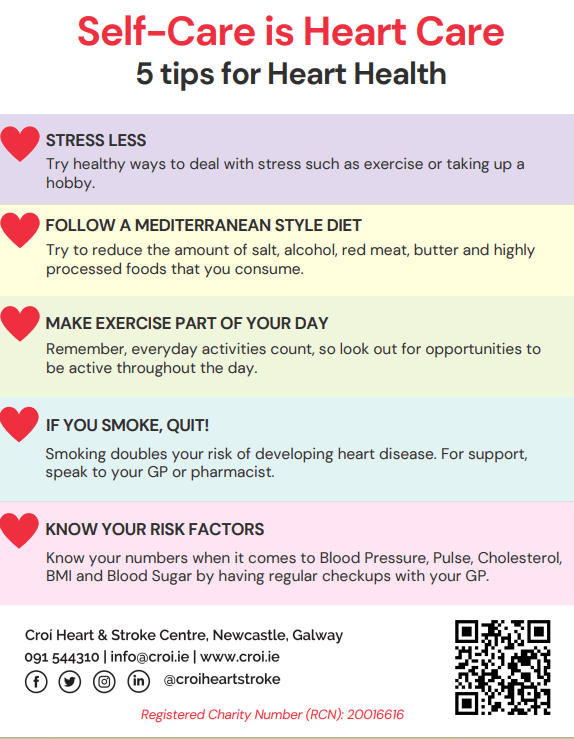
A risk factor is anything that raises a person’s chance of developing heart disease and stroke. There are two types of risk factor, those you cannot change and, thankfully, those you can change. Up to 80% of the incidence of heart disease can be prevented by modifying risk factors such as high cholesterol, high blood pressure and smoking. The more risk factors you have, the more likely it is that you will develop heart disease and stroke. Focus on the risk factors you can change, because even if you have a family history, there is a lot you can do to reduce your risk.
Risk Factors You Can Change
The risk factors for heart disease and stroke that you can change are all related to your lifestyle. Simple changes, for example what you eat, can help reduce high cholesterol. Taking more exercise can help reduce your blood pressure and your weight. You should be aware of your risk factors for heart disease and stroke and take the necessary steps to reduce them.