Sinéad Delahunty
@DelaPhysio
·
Thanks a mil to @gympluscoffee
@delaliciousfood
@FrenchParadoxD4
for sponsoring our staff challenges as part of @WorldPhysio1951
#WorldPTDay2021

https://x.com/i/broadcasts/1ynKOlrpYWWGR

World Health Day, celebrated on 7 April 2025, will kick off a year-long campaign on maternal and newborn health. The campaign, titled Healthy beginnings, hopeful futures, will urge governments and the health community to ramp up efforts to end preventable maternal and newborn deaths, and to prioritize women’s longer-term health and well-being.
WHO and partners will also share useful information to support healthy pregnancies and births, and better postnatal health.
Visit the World Health Day 2025 campaign page
This task is critical. Tragically, based on currently published estimates, close to 300 000 women lose their life due to pregnancy or childbirth each year, while over 2 million babies die in their first month of life and around 2 million more are stillborn. That’s roughly 1 preventable death every 7 seconds.
Based on current trends, a staggering 4 out of 5 countries are off track to meet targets for improving maternal survival by 2030. 1 in 3 will fail to meet targets for reducing newborn deaths.
Women and families everywhere need high quality care that supports them physically and emotionally, before, during and after birth.
Health systems must evolve to manage the many health issues that impact maternal and newborn health. These not only include direct obstetric complications but also mental health conditions, noncommunicable diseases and family planning.
Additionally, women and families should be supported by laws and policies that safeguard their health and rights.
Here’s what you can do to support the campaign:

11/6/2025 by Tamara Soerense
n
Inflammation is a natural process initiated by the immune system in response to illness, trauma, toxins, physical stress and chronic disease. While acute inflammation is protective and allows our bodies to heal, it can become harmful if it persists, leading to chronic inflammation. Chronic inflammation, in turn, can lead to conditions such as arthritis, heart disease, and diabetes.
Several foods can contribute to inflammation. These include highly processed foods, refined carbohydrates, or foods high in added sugars. Conversely, other foods can help calm the immune system, decreasing inflammation.
Let’s explore which foods help lower inflammation and how they can be incorporated into an anti-inflammatory diet.
What change can you make today to shift your body into a less inflamed state?
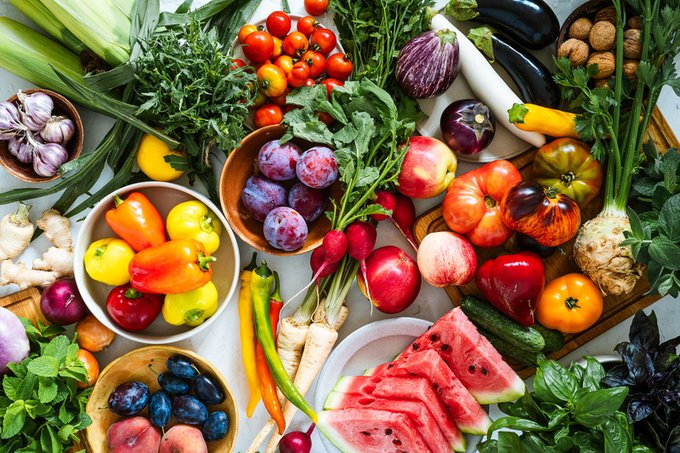
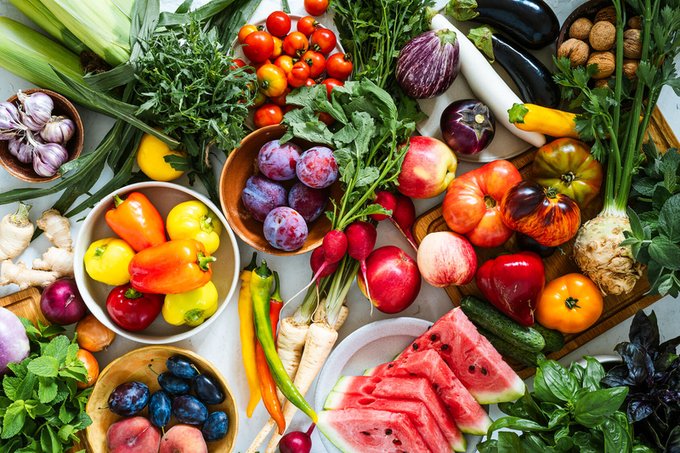
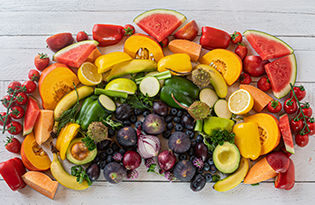
Consider adding one colorful fruit or vegetable to your diet each day. Suggestions include tomatoes, oranges, yellow bell peppers, arugula, blueberries, pumpkin and broccoli.
Tamara Soerensen completed her bachelor’s degree in biology at the University of California, Santa Barbara and her master’s in nutrition at Bastyr University. She is currently a dietetic intern at Mayo Clinic in Rochester, Minnesota. Special interests include digestive health and the utilization of diet for disease prevention.

Blackrock Health Womens Health Centre is officially open at 2-5 Warrington Place, Dublin 2!
From gynaecology to menopause, cardiology to pelvic health – we offer a wide range of services for every stage of your health journey.
Don’t delay your well-being and book your appointment today.
You can access our clinic directly through our website, or with a referral from your GP. Learn more about our patient-centred approach and book an appointment here: https://ow.ly/jGy850XsMvR
#WomensHealth#BlackrockHealth#NewClinic#BookToday#EmpowerWomen#PuttingWomenFirst

Yogurt is more than a quick snack. It provides calcium, protein and probiotics that support the healthy bacteria in your gut. These microbes help with digestion and play a role in immune function and inflammation. See how simple food choices can help keep your gut working well. https://mcpress.mayoclinic.org/dairy-health/how-yogurt-supports-healthy-digestion/

Yogurt is more than a quick snack. It provides calcium, protein and probiotics that support the healthy bacteria in your gut. These microbes help with digestion and play a role in immune function and inflammation. See how simple food choices can help keep your gut working well. https://mcpress.mayoclinic.org/dairy-health/how-yogurt-supports-healthy-digestion/


Blackrock Health Womens Health Centre is officially open at 2-5 Warrington Place, Dublin 2!
From gynaecology to menopause, cardiology to pelvic health – we offer a wide range of services for every stage of your health journey.
Don’t delay your well-being and book your appointment today.
You can access our clinic directly through our website, or with a referral from your GP. Learn more about our patient-centred approach and book an appointment here: https://ow.ly/jGy850XsMvR
#WomensHealth#BlackrockHealth#NewClinic#BookToday#EmpowerWomen#PuttingWomenFirst

Here’s a medical news story that combines a common habit (drinking coffee) with a common skin condition (rosacea) — and it even has a happy ending.
Rosacea is probably something you’ve seen plenty of times and didn’t know what it was — or perhaps you have it yourself. It’s that pink or red discoloration on the cheeks some people have, especially fair-haired women. Sometimes there are small bumps that may look a bit like acne. If you look closely (after asking nicely for permission, of course), you’ll see tiny blood vessels just under the surface of the skin. In more severe cases it may involve the chin, forehead, nose, ears, and other skin surfaces. It may affect the eyes, eyelids, and cause thickening of the skin over the nose.
We don’t know what causes rosacea. However, there are theories that it may be, at least in part, a genetic condition, as it can run in families. Because the immune system seems to be involved in the inflammation of rosacea, and because other autoimmune conditions (such as type 1 diabetes and multiple sclerosis) may accompany rosacea, abnormal immune function may play a role. Medications (such as topical anti-inflammatory drugs) and antibiotics can reduce redness and inflammation but there is no cure. Many people seem to be able to reduce signs of rosacea by modifying their diet to avoid foods that trigger it.
Rosacea affects more than 14 million people in the US, including some celebrities, such as Bill Clinton and the late Diana, Princess of Wales. And while it’s not dangerous, it can have a significant cosmetic impact. Caffeine, sun exposure, spicy foods, and hormonal factors are thought to be able to trigger rosacea’s development or make it worse once present. Yet, a new study challenges the connection between caffeine and rosacea.
A recent study analyzed health data from surveys provided to nearly 83,000 women over more than a decade and found that:
These results of this study are more than just interesting observations. If other research can confirm the findings, it could lead to a better understanding of why rosacea develops in some people and not in others. Because inflammation driven by the immune system is thought to play an important role in rosacea, insights into the development of this disease could extend to advances in other autoimmune disorders. Finally, many people with rosacea (or a family history of the disease) who like coffee may avoid it because of the widespread notion that coffee will make it worse. The findings of this study suggest that’s not true.
As with all research of this type, there are limitations to consider. For example, this study
Coffee is one of the mostly widely consumed beverages on the planet, and it’s also among the most widely studied. While it can cause problems for some people (such as heartburn, tremor, or palpitations), it’s a source of pleasure and enjoyment for millions. In addition, coffee has been linked with a number of health benefits, ranging from reductions in type 2 diabetes and liver cancer to greater longevity. From this latest research, it appears that you can add the possible prevention of rosacea to the list.

Robert H. Shmerling, MD, Senior Faculty Editor, Harvard Health Publishing; Editorial Advisory Board Member, Harvard Health Publishing