Skip to content
Healthaware

Healthaware

Health is Wealth

  • Home

Tag: Female health

Posted on June 6, 2024

“Lowering the crib isn’t so much about age, it’s about your baby’s abilities,” says pediatrician Laura O’Connor, MD.

Signs It’s Time To Lower Your Baby’s Crib Mattress

There’s no magical age or height — it’s all a matter of your baby’s mobility

Funny how quickly things change when it comes to babies, right? One day it’s all swaddles and burp cloths and tummy time. Then, before you know it, they’re crawling around trying to drink out of the dog’s water bowl. 

Babies hit new milestones faster than you can say, That’s one for the baby book. And while you’re looking for a pen, you might want to grab a screwdriver, too. Because as your baby becomes more mobile, it’s a cue that it’s time to lower their crib. 

“Lowering the crib isn’t so much about age, it’s about your baby’s abilities,” says pediatrician Laura O’Connor, MD. “The more mobile your baby gets, the lower the crib should go.” 

So, if you can’t plan on your calendar when the right time is, how will you know when to lower the crib mattress? Dr. O’Connor shares some tips for what to look for. 

When to lower the crib mattress 

Sure, back in the day, cribs with drop-down sides were all the rage. But they’ve been banned after they were found to result in serious injuries and even deaths. 

Most cribs these days come with high, middle and low settings for the mattress. That’s for both parents’ comfort and baby’s safety.  

Think about it: If your newborn’s crib mattress was down below your knees, you’d be reaching awfully low to place them in bed. And it would be just about impossible to get them back out without crawling in yourself. (Don’t do that. Your crib isn’t meant to hold an adult’s weight.)  

On the other hand, a baby who can stand would be in danger of taking a big tumble if their mattress was only a few inches below the crib rail.  

But all those different height settings can be confusing. You’ll rest easier knowing your little tot is safe in their crib. Dr. O’Connor helps us take the guesswork out of each crib setting with this quick reference guide:  

Developmental stageSleeping arrangementApproximate age
Newborn.Bassinet or crib’s highest setting.Under 4 months.
Baby who can roll over.Crib’s highest setting.  4 months old.
Baby who can sit up, “commando crawl” or get up on their hands and knees.Crib’s middle setting.6 months old.
Baby who can stand up or pull themselves up to standing.Crib’s lowest setting.9 months old.
Baby who can climb out of the crib or has outgrown the crib.Big-kid bed.Anywhere from 18 months to about 3 years old.

 
Consult your crib’s instruction manual for specifics on how to lower the crib mattress. Most manufacturers provide them online if you can’t find yours. Be sure to tighten all screws securely. 

Highest crib setting 

If your infant has been sleeping in a bassinet, they should be moved to a crib by the time they can roll over, Dr. O’Connor says. For many babies, that happens somewhere around 4 months old.  

But bassinets have different height and weight restrictions. Even if your little one isn’t yet rolling, if they’ve reached the maximum height or weight for the bassinet, it’s time to move to a crib to make sure they have the stability and protection they need. 

The highest setting on your crib is the right place for babies who can’t sit up.  

“Infants have so little control over their bodies, it’s important for their safety, and for everyone’s comfort, if parents don’t have to bend too far to lay them down or pick them up,” O’Connor explains. 

Middle crib setting 

After rolling over, other mobility milestones come fast. And with baby’s new moves comes another shift in crib height.  

Dr. O’Connor says you should plan to move your crib mattress to the middle height before your baby can crawl. Move the crib down when your baby can start to do any of these pre-crawling actions:  

  • Sit up on their own. 
  • Crawl “commando style” (inch forward by pulling with their arms with their bellies on the ground). 
  • Assume a crawling position, by getting up on their hands and knees. 

Many babies begin to hit these milestones around 6 months old. But they may come even earlier, so let your baby’s abilities be your guide. 

Lowest crib setting 

Standing and walking are probably two of the most exciting milestones in your baby’s first year. And they’re signs that it’s time for the crib to be lowered for its last time. 

“By the time your baby can stand up or pull themselves up, their crib should be at its lowest setting,” Dr. O’Connor notes. “If the crib mattress is too high, it becomes a big fall risk.”  

Some babies may start off standing by using furniture (or whatever’s handy … say, your leg) to pull themselves up. And the rails on their crib can be perfect for pulling up.  

So, even if your baby doesn’t stand up independently yet, any standing is a sign that it’s time to move the crib mattress to its lowest point. 

And don’t let sleep sacks or other swaddles lull you into a false sense of security. Sure, they can make standing harder. But even with a sleep sack on, your baby can try to pull themselves to standing. So, if they can get up on their own two feet without the sleep sack, it’s time to make the crib at low as it goes.  

Time for a big-kid bed 

After the crib reaches its lowest point, it can stay there for a while, Dr. O’Connor says. Most toddlers should sleep in a crib until they’re at least 18 months old. Some may not need to move to a toddler bed until well after their third birthday. 

The American Academy of Pediatrics recommends toddlers move to a bed if:  

  • They’re 35 inches tall.  
  • The crib rail is in line with the middle of their chest (at their nipples) when they stand in their crib. 
  • They climb out of the crib. 

“If your baby is climbing out of their crib or has outgrown it and causing a dangerous situation, it’s time to move to a bed. If not, it’s better to save the bed for a while,” Dr. O’Connor advises. “Beds come with a lot of autonomy and responsibility for your child, so the longer you can wait, the better for most people.” 

Keep safety first   

Of course, crib height is just one part of making sure your baby has a safe sleep environment. You also want to make sure you’re following these other safe sleep practices during your baby’s first year:  

  • Use the firm side of the crib mattress. 
  • Keep pillows, blankets, stuffed animals and other soft items out of the crib. 
  • Don’t use crib bumpers. 
  • Put your baby to sleep on their back. 
  • Don’t share your bed with your baby. 

If you have any questions about crib safety or safe sleep, Dr. O’Connor says to talk with your child’s healthcare provider. They can help you understand the best ways to keep your baby safe and sleeping soundly

. FACEBOOKTWITTERLINKEDINPINTERESTEmail

Posted on June 4, 2024

Alcohol and Breastfeeding: Is It Safe?@ClevelandClinic

Cleveland Clinic@ClevelandClinic

You love breastfeeding your baby — but sometimes a cold beer sounds tempting. Do you really have to give up alcohol entirely while you’re nursing your baby?

Alcohol and Breastfeeding: Can You Have a Drink?
Breastfeeding moms can enjoy a drink — here’s how to do it safely
health.clevelandclinic.org

Posted on June 2, 2024

“Walking, cycling or swimming and some form of strength training is critically important” Dr. Nathan LeBrasseur @MayoClinic #physicaltherapy

There is no magic pill to reverse the aging process. But if you want to counter the biological mechanisms that drive age-related conditions, like the accumulation of senescent cells, you will need to exercise.

Learn more: https://t.co/sBXHsxSGXP pic.twitter.com/tBQ1nhyOZI

— Mayo Clinic (@MayoClinic) January 23, 2024
Posted on June 1, 2024July 10, 2024

Recipe: Spaghetti With Fresh Tomato Sauce and Roasted Vegetables @ClevelandClinic #nutrition

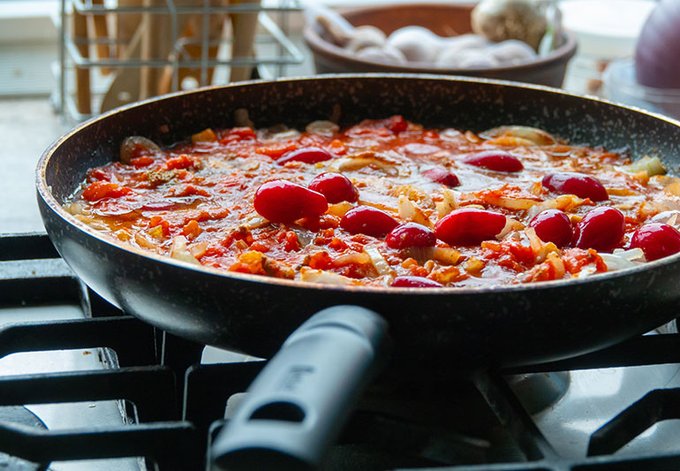
Why not try your hand at making homemade tomato sauce? The freshness of the tomatoes and the smokiness of the roasted vegetables make this a great topping for spaghetti. If you don’t have your own garden, use canned Roma tomatoes for a tasty dish that includes roasted mushrooms, broccoli and peppers.

Ingredients

Tomato sauce

Olive oil cooking spray
2 garlic cloves, minced
1 small carrot, minced
1 shallot, minced
4 cups peeled, seeded, and diced ripe tomatoes or one 28-ounce can no-salt-added diced tomatoes, drained
1/4 cup dry red wine
1 1/2 tablespoons balsamic vinegar
1/4 teaspoon crushed red pepper flakes, optional
1/4 cup chopped fresh basil

Pasta

1/2 pound whole wheat spaghetti
3/4 pound broccoli florets and stalks, peeled and cut into bite-size pieces
2 portobello mushrooms, halved and thinly sliced
1 red, yellow or orange bell pepper, seeded and coarsely chopped
1 1/2 tablespoons extra-virgin olive oil
1 1/2 tablespoons balsamic vinegar
Freshly grated pepper
2 tablespoons freshly grated Parmesan cheese

Directions

  1. Preheat oven to 400° F. Line a rimmed baking sheet with aluminum foil.
  2. To make the sauce, coat a large pot with cooking spray and saute the garlic, carrot and shallot over low heat until they begin to wilt, about 5 minutes. Stir in the tomatoes, wine, vinegar and red pepper flakes (if using). Cover and simmer slowly for 30 minutes.
  3. Stir in the basil and simmer for 10 minutes more. (To make a smoother sauce, cool and process in batches in either a blender or food processor.) Set aside.
  4. Place the broccoli, mushrooms and bell pepper on the prepared pan. Toss with oil and vinegar. Roast about 10 minutes until crisp or done to your taste. Sprinkle with pepper.
  5. Cook the pasta according to package directions. Drain.
  6. In a large serving bowl, toss the pasta with 2 cups tomato sauce. Top with the roasted vegetables and sprinkle with Parmesan cheese.

Nutrition information (per serving)

Makes 4 servings

Calories: 363
Total fat: 4 g
Protein: 15 g
Carbohydrate: 71 g
Dietary fiber: 4 g
Cholesterol: 0 mg
Sodium: 100 mg
Potassium: 93 mg

— Cleveland Clinic Healthy Heart Lifestyle Guide and Cookbook (© 2007 Broadway Books).

Posted on May 29, 2024

The “little trees” are full of fiber, folate, vitamins and more. @ClevelandClinic #broccoli

“Eat your broccoli,” may be a familiar refrain from your childhood. Maybe you didn’t love broccoli as a kid, but your parents were onto something. The “little trees” are full of fiber, folate, vitamins and more.

Broccoli is a member of the Brassica genus of plants, also known as the cabbage family. Broccoli’s relatives include Brussels sprouts, cabbage, cauliflower, chard and watercress. Many Brassicas have strong flavors and mix well with meats and other vegetables.

“A pile of steamed broccoli doesn’t appeal to everyone,” recognizes registered dietitian Beth Czerwony, RD, LD. “But broccoli is incredibly versatile and can be used in so many different dishes. Toss it in with your stir fry, chop it fresh in a salad or roast it with your baby potatoes. And with an abundance of nutrients, there are many benefits of eating broccoli.”

Broccoli nutrition facts

A cup of chopped raw broccoli has approximately:

  • 31 calories.
  • 6 grams of carbohydrates.
  • 0 grams of cholesterol.
  • 0.3 grams of fat.
  • 2 grams of fiber.
  • 2.6 grams of protein.
  • 30 milligrams of sodium.
  • 1.6 grams of sugar.

In addition, a cup of raw broccoli offers:

  • 81 milligrams of vitamin C (90% daily value or DV).
  • 93 micrograms of vitamin K (78% DV).
  • 57 milligrams of folate (11% DV).
  • 288 milligrams of potassium (6% DV).
  • 19 milligrams of magnesium (5% DV).

Source: U.S. Department of Agriculture

Broccoli benefits

It’s worth finding ways to add broccoli to your diet because it’s a health-boosting dynamo. Here’s some motivation for you to get your green on: Some of the beneficial substances in broccoli are somewhat unique to the Brassica family of vegetables. Broccoli provides nutrients that may:

  • Reduce your risk of cancer.
  • Help control blood sugar.
  • Protect your gut.
  • Boost immunity.

As a superfood status, broccoli can improve your health with these five components:

1. Compounds to reduce cancer risk

“Broccoli offers some powerful molecules that protect your cells from damage,” says Czerwony. “Some of them even destroy cancer cells.”

Cancer-fighting molecules in broccoli include DIM, indole-3-carbinol and sulforaphane. According to studies, they may help:

  • Detoxify certain substances that promote the growth of cancer cells, which means they don’t remove the substances, but they remove the harmful effects.
  • Provide antioxidants, which prevent cell damage that can lead to cancer.
  • Stop the growth and spread of cancer cells.
  • Support apoptosis, your body’s process for destroying cells that could turn into cancer.

These anticancer molecules are in several of broccoli’s cruciferous veggie relatives, too. These nutrients don’t survive cooking or freezing. So, to get the benefits, raw broccoli is best.

“Some of these compounds are even more concentrated in broccoli sprouts,” notes Czerwony. “You can find broccoli sprouts in health food stores and many grocery stores. Sprouts are also easy to grow at home using a sprouting kit.”

2. Nutrients to help manage blood sugar

Both human and lab studies suggest compounds in broccoli may help lower blood sugar in people with Type 2 diabetes. This effect may be due to the antioxidants in broccoli, like vitamin C.

Research shows that fiber can also help with blood sugar management. At 2.5 grams of fiber per cup, broccoli is a good source of this nutrient.

3. Ligands to protect your gut

In a nonhuman study, researchers found that broccoli can help protect the lining of your small intestine. Compounds found in broccoli, called aryl hydrocarbon receptor ligands, help keep small intestine cells working well.

Why do those cells matter so much? When your small intestine lining is healthy, it only allows water and nutrients to pass through it into your bloodstream.

But when the cells of the lining are damaged, undigested food particles, bacteria and other disease-causing particles may pass through. A damaged small intestine lining can lead to infections and inflammation. It can also prevent you from absorbing the nutrients you need.

4. Vitamin C to boost immunity

Vitamin C is well-studied as an immune-boosting nutrient. When you don’t have enough vitamin C, you’re more likely to get infections.

The antioxidant effects of vitamin C also help your body keep free radicals under control. “Free radical damage is linked to all kinds of problems, including Alzheimer’s disease, autoimmune diseases, cancer, heart disease and Parkinson’s disease,” says Czerwony. When you don’t have enough antioxidants to neutralize free radicals, they damage your cells.

Surprising but true: Broccoli has more vitamin C than oranges. In 1 cup of the green cruciferous veggie, you get a whopping 81 milligrams of vitamin C. That’s 90% of the daily U.S. recommended dietary allowance (RDA) for adults. (An orange has about 70 milligrams.)

5. Nutrients to help heart health

Research suggests certain bioactive compounds in broccoli may boost your heart health in a variety of ways. It may:

  • Lower triglycerides and LDL (“bad”) cholesterol: “High LDL can lead to fatty deposits on your artery walls, increasing your risk of artery disease, stroke and heart attack,” Czerwony explains. Research shows that eating broccoli can lower triglycerides, a type of fat, as well as LDL.
  • Provide fiber: According to a review of 22 clinical trials, fiber can reduce your risk of cardiovascular and coronary artery disease.
  • Reduce calcium buildup in blood vessels: When calcium builds up on your blood vessel walls, it increases your risk of heart attack and stroke. According to research, broccoli can help reduce this calcium buildup.

Is frozen broccoli healthy?

“If you want those anticancer compounds like sulforaphane, choose fresh broccoli,” advises Czerwony. Freezing inactivates sulforaphane.

“Frozen broccoli also loses a bit of its vitamin content. But overall, frozen broccoli is still very healthy. It’s better than not eating any broccoli because you still get a lot of the health benefits,” she continues.

Need some broccoli-inspired meals? Try these easy recipes:

  • Broccoli and bean salad.
  • Charred broccoli tabbouleh salad.
  • Crunchy broccoli walnut salad.
  • Roasted broccoli.
  • Easy broccoli slaw.

Posted on May 29, 2024

How physical activity keeps your heart in good shape: @HarvardHealth #heartaware #physiotherapy


Harvard Health

@HarvardHealth
·
27m

Moderate-to-vigorous exercise appears to boost cardiorespiratory fitness, which quantifies how well the heart & lungs supply oxygen to the muscles. Higher CRF during midlife is linked to a lower risk of heart disease later: https://bit.ly/3rEwvXe #HarvardHealth
Posted on May 23, 2024

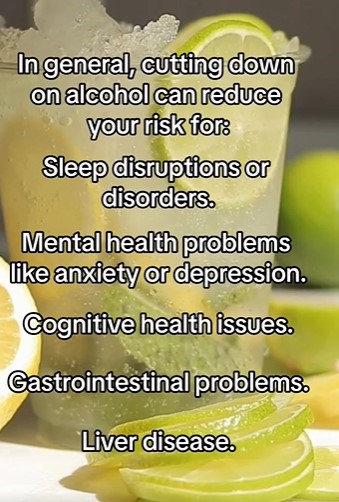
Even small amounts of alcohol—a single drink per day—has been linked to a higher risk of developing AFib @HarvardHealth #heartaware


Harvard Health

@HarvardHealth
·
1h

Even small amounts of alcohol—a single drink per day—has been linked to a higher risk of developing #AFib, a potentially dangerous irregular heart rhythm. https://bit.ly/2XRMkif #HarvardHealth
Posted on May 23, 2024

Dr.Akhil Anand – research shows that Generation Z is drinking far less alcohol than previous generations. @ClevelandClinic

Research shows that Generation Z is drinking far less alcohol than previous generations. So what’s behind this trend – and does that mean alcohol and drug use worries are disappearing? Let’s break the topic down in this podcast with addiction psychiatrist Akhil Anand. pic.twitter.com/PrqU7IbBlP

— Cleveland Clinic (@ClevelandClinic) March 13, 2024
Posted on May 12, 2024

It’s fun and healthy to make pizza on the grill. It’s also quick and easy — and sure to be a family favorite. @ClevelandClinic

Recipe: Grilled Chicken Pesto Pizza

It’s fun and healthy to make pizza on the grill. It’s also quick and easy — and sure to be a family favorite. Experiment with different vegetables and fruits on your grill this season for healthy, tasty meals.

Ingredients

  • 1 package prepared whole-wheat pizza crust (found in refrigerated section)
  • 1/2 cup prepared pesto sauce
  • 4 ounces soft, low-fat goat cheese, cut in small cubes
  • 1 large ripe tomato, sliced thin
  • 1/3 cup fresh or canned roasted red pepper, drained well and cut in thin strips
  • 6 ounces precooked chicken breast, cut into small chunks

Directions

  1. Spray or brush grill grate with oil. Preheat grill to medium-high.
  2. Brush or spray a cutting board or large pan with olive oil. Spread out pizza dough with oiled fingers into the desired crust shape.
  3. Prepare vegetables, chicken and cheese in small cups or bowls. Set aside.
  4. When you’re ready to grill, put pizza dough on grill and cover.
  5. Cook for approximately 2 to 3 minutes, or until the top begins to bubble and the bottom is lightly browned.
  6. Flip over and brush with pesto sauce.
  7. Working quickly, add the tomatoes, roasted red peppers and chicken. Dot with cheese.
  8. Cover and cook for another 2 to 3 minutes or until the cheese is melted. Take off the heat and enjoy!

Nutrition information (per serving)

Makes 6 servings
Serving size = one slice

Calories: 428
Protein: 24 g
Total fat: 12 g
Saturated fat: 5 g
Sodium: 540 mg
Calcium: 95 mg
Fiber: 6 g
Sugar: 3 g
Potassium: 410 mg
Magnesium: 80 mg

Posted on May 9, 2024

Housework and gardening are key to a healthier life @HarvardHealth #physicalactivity

Post

See new posts

Conversation

Harvard Health

@HarvardHealth

Ordinary activities improve health and longevity: Doing ordinary activities like housework and gardening may help you live longer and healthier. #HarvardHealth #TipoftheDay https://bit.ly/4b3A8eU

Posts pagination

Previous page Page 1 … Page 23 Page 24 Page 25 … Page 86 Next page

Tags

  • Alcohol
  • Cleveland Clinic
  • Depression
  • diet
  • exercise
  • Female health
  • fitness
  • Harvard Health
  • Healthaware
  • heartaware
  • heart health
  • nutrition
  • physical activity
  • physiotherapy
  • yoga

Recent Posts

  • Cranberry Orange Muffins @MayoClinic
  • The health of mothers and babies is the foundation of healthy families and communities, helping ensure hopeful futures for us all. @WHO
  • Happy 😀 first day of National Physiotherapy Month! 🏋‍♀️ 🏃💪
  • World Maternal Mental Health Day @HSECH07
  • Recipe: Raspberry Chive Salad @ClevelandClinic. A salad combination you may not have thought of, but will now be hooked on
  • Take care of yourself — Reduce stress, rest when possible, hydrate and eat a balanced diet with an extra 500 calories a day @ClevelandClinic
  • Holidays because it’s the hardest work you have ever done @motherandbaby
  • “Drinking alcohol causes liver disease. There is a direct link between alcohol and fatal cancers” Label on bottle of Elvaro wine in Dublin pub restaurant today
  • Recipe: Sauteed Veggies with Avocado & Poached Eggs @ClevelandClinic
  • Chronic Lower-Back Pain. Physical therapy focused on core strengthening is one of the most effective treatments. #depression
  • Running is good for you  👍🙏  #BlackrockHealth
  • “Wellness Coach Training: Podcast Pairing: Healthy Aging with Exercise and Bone Health” @MayoClinicPMR
  • 8 Yoga Poses For a Strong Core
  • Staying hydrated is one of the most important things you can do for your overall health @ClevelandClinic
  • Are your kids interested in sports or just want to feel stronger? @MayoClinic #physicalactivity
  • Recipe: Oats and Honey Bread @ClevelandClinic
  • “Love comes in many forms, but all of them soothe loneliness.”
  • Add more exercise into your day @HarvardHealth #physicaltherapy
  • Intuitive eating is an approach to food that focuses on identifying and trusting your hunger cues @ClevelandClinic
  • The Physical Therapist
Blog at WordPress.com.
  • Subscribe Subscribed
    • Healthaware
    • Join 1,723 other subscribers
    • Already have a WordPress.com account? Log in now.
    • Healthaware
    • Subscribe Subscribed
    • Sign up
    • Log in
    • Report this content
    • View site in Reader
    • Manage subscriptions
    • Collapse this bar

Loading Comments...